
Review · SPAIN
Canarian farmhouse in Mogan, mango farm and vermouth factory
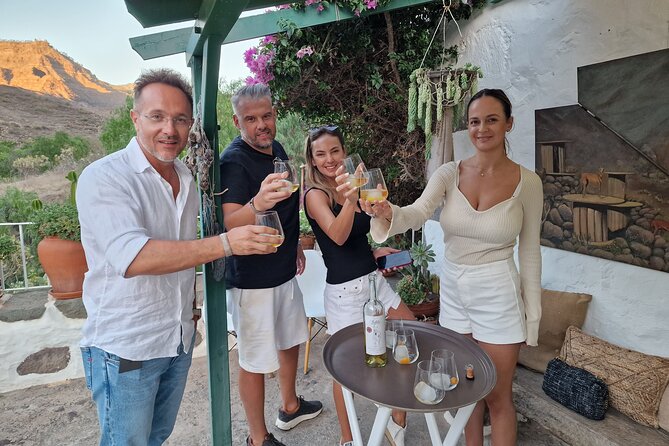
The most unusual part of this Mogán outing is the chance to see a working old Canarian farmhouse and taste vermouth made on the property. You move from restored buildings and a cactus garden to fruit trees and a small vermouth operation, all in one compact visit.
I like the personal feel of meeting the owner, who clearly runs the farm and restaurant with care. I also like the tasting itself: two styles of Lolito vermouth followed by a cold mango and yogurt dessert. The main drawback is the short two-hour schedule and the uneven path down to the mango plantation, which is not suitable for baby carriages or people with mobility difficulties.
Key points
- A 200-year-old farmhouse: Explore a group of restored buildings built in the style of traditional Canarian homes.
- Fruit and cactus garden: See how mangoes, avocados, soursops, and tunera cactus grow in Mogán.
- Gran Canaria vermouth: Taste Lolito red and white, made on the farm and described as the first vermouth produced on the island.
- Mango dessert: The optional tasting includes mango gazpachuelo, a cold mango and yogurt soup with chocolate cubes.
- Small group setting: The experience accepts a maximum of 15 people, making the visit more personal than a large coach tour.
- Easy timing: The tour lasts about two hours and returns to the same meeting point in Mogán.
A farmhouse visit with an unexpected drink
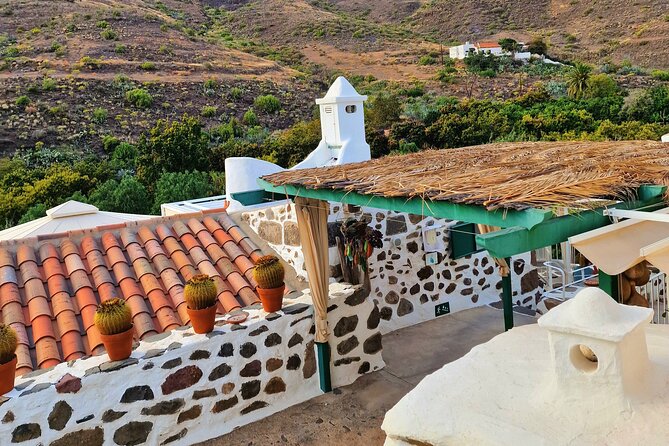
Many visitors come to Gran Canaria for beaches, resort towns, and mountain drives. This experience gives you something quieter: a short visit to an old rural property in Pueblo de Mogán, followed by a tasting that links local farming with modern food production.
The farmhouse is around 200 years old. It is not presented as a grand palace or formal museum. Instead, it is a complex of buildings restored according to traditional Canarian building customs. That makes the visit useful for understanding how rural homes in the Canary Islands were arranged and maintained.
You will begin at Los Pasitos, 2, in Mogán. The tour ends there too, so you do not need to arrange a second pickup point. The setting is about 10 minutes from Puerto de Mogán, making it a practical addition to a day in the port or a short excursion away from the coast.
I especially like that the visit connects architecture, crops, cooking, and drinks. Each part makes more sense because of the next. You see the plants, hear how they are used in Canarian food, then taste products made from the farm’s ingredients.
More farm tours around Spain:
- Montserrat Lunch & Wine at Farmhouse Small Group from Barcelona
★ 5.0 · 2,368 reviews - Barcelona: Montserrat Visit & Lunch at Farmhouse Small Group
★ 4.7 · 1,313 reviews - Montserrat Full Day Tour with Farmhouse Lunch and Winery Visit
★ 5.0 · 1,068 reviews
Walking through Pueblo de Mogán and the old house
The first part is a guided look at the Pueblo de Mogán area around the property. You will learn about the farmhouse itself and see the restored buildings up close.
Traditional Canarian architecture often makes good use of simple materials, compact rooms, and practical outdoor areas. Here, the point is not to admire one isolated building, but to see how several parts of a rural home fit together. The restoration has followed the style of popular Canarian architecture rather than turning the property into a glossy modern attraction.
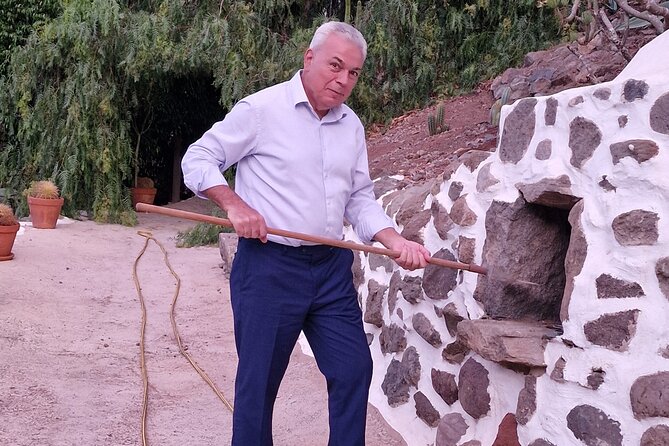
The owner leads the visit, and that matters. You are not being moved quickly through a large commercial site with a scripted explanation. The owner also runs the restaurant and farm, so the story of the house connects directly to the food and drink served later.
Allow yourself time to look at the smaller details. A two-hour tour is enough for a relaxed introduction, but it is not a long heritage visit with extensive historical interpretation. If your main interest is Canarian architecture, you may want to treat this as one part of a wider day in Mogán rather than the sole reason for visiting the area.
The cactus garden and Canarian food plants
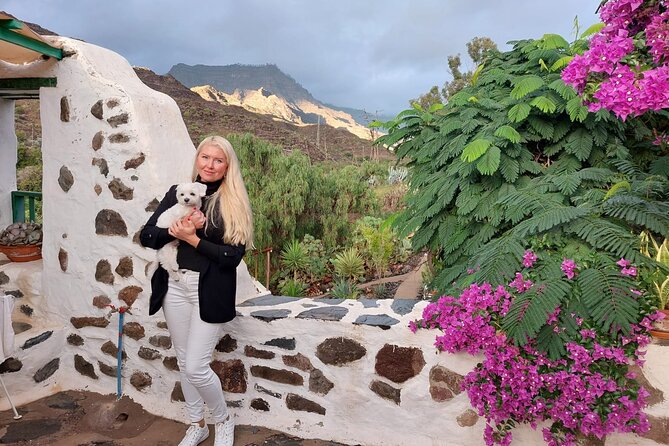
Next comes the cactus garden. Cactus is not simply ornamental here. The tunera, or prickly pear cactus, has a place in Canarian food, and the visit explains how it can be used in local cooking.
This is one of the more useful parts of the tour because it gives you a better eye for plants you may have seen around the islands without knowing their purpose. The garden also adds variety to the visit. You are not only walking around a historic house, but seeing crops and plants tied to everyday food.
The farm also grows mangoes, avocados, and soursops. You will hear how these fruits grow and how they are used in Canarian cuisine. The focus is practical rather than technical. You should expect a clear introduction to the plants and their uses, not a full agricultural course.
I like this section because it makes the later dessert feel less random. The mango in your bowl comes after you have seen mango trees and heard about the fruit. That simple connection gives the tasting more meaning.
The route down to the mango plantation has an important limitation. It is not suitable for baby carriages or people with disabilities, so check the walking conditions before you book. Most people can participate, but the property is not fully accessible throughout.
Seeing mangoes, avocados, and soursops growing
Fruit farms are often more interesting when you see the plants in place rather than only eating the finished product. The Mogán visit gives you a chance to see mangoes, avocados, and soursops growing on the property.
You will learn about their role in local cooking, with the guide explaining how the produce is used. The experience does not promise a large commercial farm or a long harvest demonstration, so keep your expectations in proportion. This is a small-scale, personal look at cultivation within a historic property.
The mango plantation is also the part of the route that requires the most care with footwear and mobility. The supplied information does not specify the exact surface, but it does warn that the way down is unsuitable for baby carriages and disabled visitors. I would choose comfortable shoes and avoid bringing anything difficult to carry.
The farm setting gives this activity a slower rhythm than a standard tasting room. You can ask about the plants, the house, and the products made there. With a maximum of 15 people, the owner has a better chance of speaking with the group rather than simply delivering a speech.
Same countryside, another kind of harvest:
- Montserrat & Winery Visit Tour with Traditional Farmhouse Lunch
★ 4.5 · 1,035 reviews - Ría de Arousa: Boat Ride to Mussel Farm with Tasting
★ 4.7 · 845 reviews - Valencia: Orange Farm and Orchard Trip with Tastings
★ 4.9 · 702 reviews - La Herradura Coffee Farm: tour in Europe’s only plantation
★ 4.8 · 430 reviews
Lolito vermouth, red and white
The tasting centers on Lolito, made on the property and described as the first vermouth in Gran Canaria. You will try both the red and white versions.
That makes the drink portion more than a quick sample of one local bottle. Two styles let you compare color, taste, and the way each might work with food. The experience is particularly well suited to anyone interested in small producers, regional drinks, or the story behind what appears on a restaurant menu.
The tasting is served as a starter, with water included. The drinks are part of the farm visit rather than a separate bar stop, so the mood is likely to be relaxed and conversational. The owner’s involvement adds context that you would not get from buying a bottle without seeing where it is made.
Keep in mind that this is a tasting, not a full meal. Dinner is not included. If you want to eat before or after the visit, the property’s Valle de Mogán restaurant accepts table reservations, with dinner listed at about €30 to €50 per person.
That restaurant option can turn the outing into a longer food-focused stop, but it also raises the total cost. If you only want the farmhouse, plants, vermouth, and dessert, the two-hour visit is the more economical choice.
Mango gazpachuelo and chocolate cubes
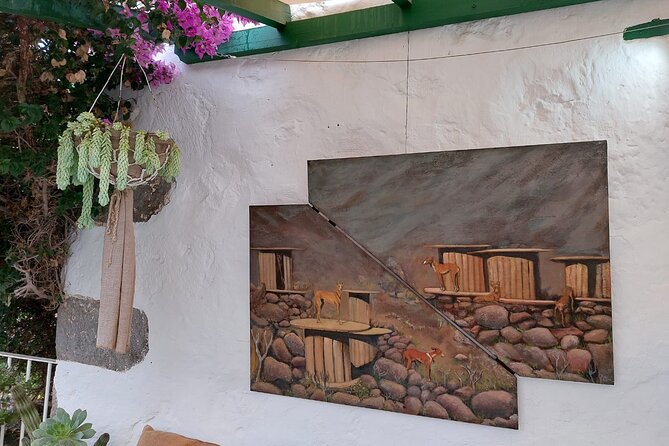
The optional dessert is a cold mango and yogurt soup with chocolate cubes, also called mango gazpachuelo. It is the sweet finish to the vermouth tasting.
The combination sounds simple, but it uses the farm’s produce in a way that feels specific to the place. You have just seen mangoes growing, then you taste the fruit in a chilled dessert. The yogurt gives it a creamy base, while the chocolate cubes add a contrasting texture.
The dessert is not a substitute for dinner. Think of it as a small tasting course that completes the visit. If you are choosing between a basic visit and an option that includes the dessert, check the booking details carefully so you know which version you selected.
I would choose the dessert option if you enjoy trying local preparations and want the full food connection. If you are visiting close to a restaurant reservation, the basic tasting may be enough.
Is $69.79 a fair price?

At $69.79 per person, this is not the cheapest way to spend two hours in Gran Canaria. The value depends on what you want from the outing.
You are paying for a small-group visit to a restored farmhouse, a guided look at a cactus garden and fruit plantation, explanations of local food uses, two vermouth tastings, and possibly the mango dessert. The price makes more sense if you appreciate personal contact with a producer and prefer a focused rural visit to a large sightseeing tour.
The maximum group size is 15. That is small enough for questions and conversation, though it does not guarantee a private tour. The owner’s role is part of the appeal, especially if you enjoy meeting the person behind the food rather than simply tasting a packaged product.
The price is less attractive if you only want to see mango trees or have a full meal. Dinner costs extra, and the visit itself lasts approximately two hours. Before booking, decide if the architecture, plants, vermouth, and tasting are all worth combining for you.
For a food-minded day in Mogán, the outing can work well. Add dinner only if you want to make the property a larger part of your day and are comfortable with the additional €30 to €50 per person.
How the two-hour schedule works
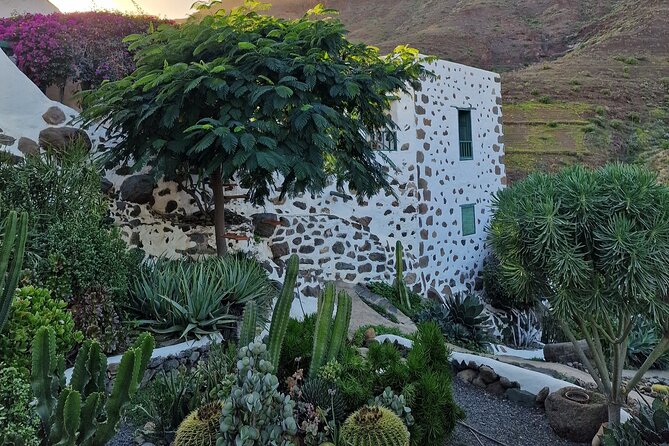
The visit is compact, but the schedule should feel varied. You begin at the meeting point, walk through the Pueblo de Mogán area and farmhouse, visit the cactus garden, continue to the fruit-growing areas, and finish with the vermouth and dessert tasting.
The precise timing of each part is not given, so do not expect a minute-by-minute program. The owner may spend more time on the farmhouse, plants, or drinks depending on the group’s questions.
Two hours is enough for an introduction without taking over your day. You could pair it with time in Puerto de Mogán, provided you arrange your own transport and allow enough time to reach Los Pasitos, 2. Public transportation is nearby, but no transfer service is listed.
The activity is offered in English, and confirmation is provided at booking. A mobile ticket is accepted, which keeps the arrival process simple.
Who will enjoy this Mogán experience
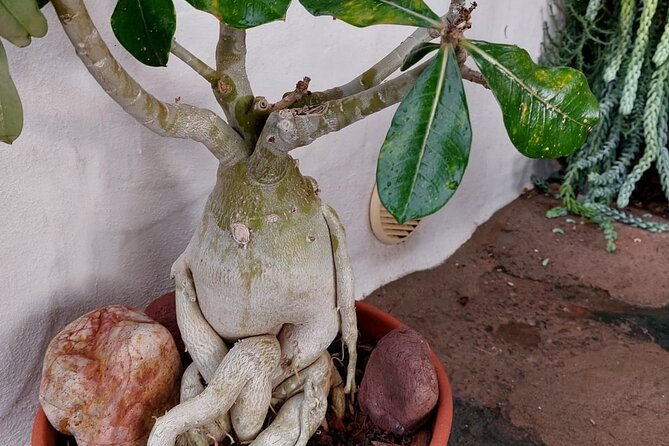
I would recommend this visit to you if you like small food producers, local drinks, gardens, traditional buildings, and relaxed conversations. It is also a good choice if you want a break from beach time without committing to a full-day excursion.
Couples, food-focused friends, and curious solo visitors should find the format manageable. The small group limit gives the visit a more personal feel, while the return to the same meeting point keeps the logistics straightforward.
Families with baby carriages should think twice because of the route to the mango plantation. The activity is also not suitable for disabled visitors on that section. Service animals are allowed, and most people can take part, but the access warning should guide your decision.
This is not the right pick if you want a major historical site, a long farm workshop, or a substantial lunch included in the price. It is a short cultural and food experience, with the owner, the property, and the tasting at its center.
Booking, cancellation, and practical advice
The experience has free cancellation if you cancel at least 24 hours before the local start time. Cancellations made less than 24 hours before the start are not refunded, and changes inside that period are not accepted.
Wear shoes you can walk in comfortably, especially for the route toward the mango plantation. Bring your mobile ticket and allow time to reach Los Pasitos, 2, in Mogán.
If you want dinner at the Valle de Mogán restaurant, reserve a table separately. Dinner is not included in the tour price, and the available information does not say that a table is automatically held for tour participants.
Should you book the farmhouse, farm, and vermouth visit?
Book it if you want a personal, low-key food experience with a clear sense of place. The best features are the restored 200-year-old house, the chance to see mangoes and other crops growing, and the red and white Lolito vermouth tasting with an optional mango dessert.
Skip it if you need step-free access, want a full meal included, or prefer a long sightseeing program. At $69.79, the visit works best when you value the combination of farmhouse, farm, owner-led explanation, and tasting rather than any single feature alone.
FAQ
Where does the experience begin?
It begins at Los Pasitos, 2, 35140 Mogán, Las Palmas, Spain.
Where does the experience end?
The activity ends back at the meeting point in Mogán.
How long does the tour last?
The visit lasts approximately two hours.
Is the experience offered in English?
Yes. The experience is offered in English.
Is dinner included?
No. Dinner is not included. You can make a separate reservation at the Valle de Mogán restaurant, with dinner listed at €30 to €50 per person.
Is the activity accessible for baby carriages and disabled visitors?
The route down to the mango plantation is not suitable for baby carriages or disabled visitors. Most people can participate, and service animals are allowed.
Newly listed farm visits around Spain
- Animal farm park with free hotel pickup★ 5.0 · 2 reviews
- Bull Breeding Farm: Guided Half-Day Tour from Seville★ 4.5 · 24 reviews
- Olive Oil Farm Tour with Tasting from Seville★ 4.5 · 61 reviews
- From Seville: Pig Farm private day tour and old villages visit★ 4.5 · 4 reviews
- ” Basque Farm House & Cider house” tour + meal from San Sebastian★ 5.0 · 9 reviews
- Fuerteventura Villages Caves and Farm Tour with Lunch from North★ 3.0 · 9 reviews
- Menorca: Cheesemaking and Farm-Fresh Product Tasting★ 5.0 · 29 reviews
- Tropical Tour: Avocado & Mango Farm – Small group and tasting★ 5.0 · 38 reviews
Spain Farm Tours, compared.

Montserrat Lunch & Wine at Farmhouse Small Group from Barcelona
Read our review →
Montserrat Full Day Tour with Farmhouse Lunch and Winery Visit
Read our review →
Montserrat & Winery Visit Tour with Traditional Farmhouse Lunch
Read our review →
Ría de Arousa: Boat Ride to Mussel Farm with Tasting
Read our review →
La Herradura Coffee Farm: tour in Europe’s only plantation
Read our review →
Alicante : E-Bike Coast Tour, Roman Fish Farm and Snorkeling
Read our review →
Barcelona: Montserrat with Winery Visit and Farmhouse Lunch
Read our review →Browse the lists this tour appears in