
Review · SPAIN
La Herradura Coffee Farm: tour in Europe’s only plantation
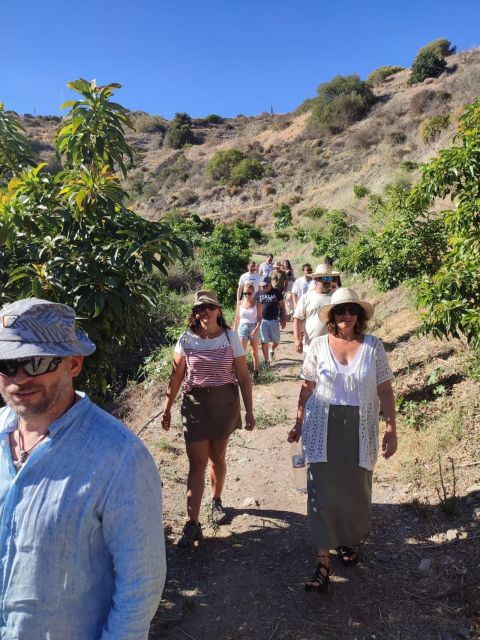
La Herradura Coffee Farm grows coffee in a corner of southern Spain where most people expect only olives, citrus, and beach resorts. The 70-minute walk takes you through working coffee plants and as many as 30 types of tropical fruit, with La Herradura and the Mediterranean below. Manuel, the farm owner, is the main attraction, mixing practical farming lessons with family stories and a quick sense of humor.
I like the farm’s unusual mix of crops and the honest look at how difficult organic growing can be in a dry climate. I also like that the tour ends at a 300-year-old Andalusian cortijo, where you can buy farm coffee and seasonal produce. The main drawback is the terrain: two steep sections make this a poor fit for wheelchair users, people with low fitness, or anyone who needs flat paths.
Key points to know before you book
- Europe’s only coffee farm: See productive coffee plants growing near Nerja and La Herradura.
- Up to 30 tropical crops: Look for mangoes, avocados, bananas, lychees, dragon fruit, sugar cane, papayas, and more.
- A personal family story: Manuel guides much of the tour and explains how his family farm developed.
- Organic farming in a dry climate: Learn about water saving, permaculture, soil renewal, and the challenge of avoiding chemical pesticides.
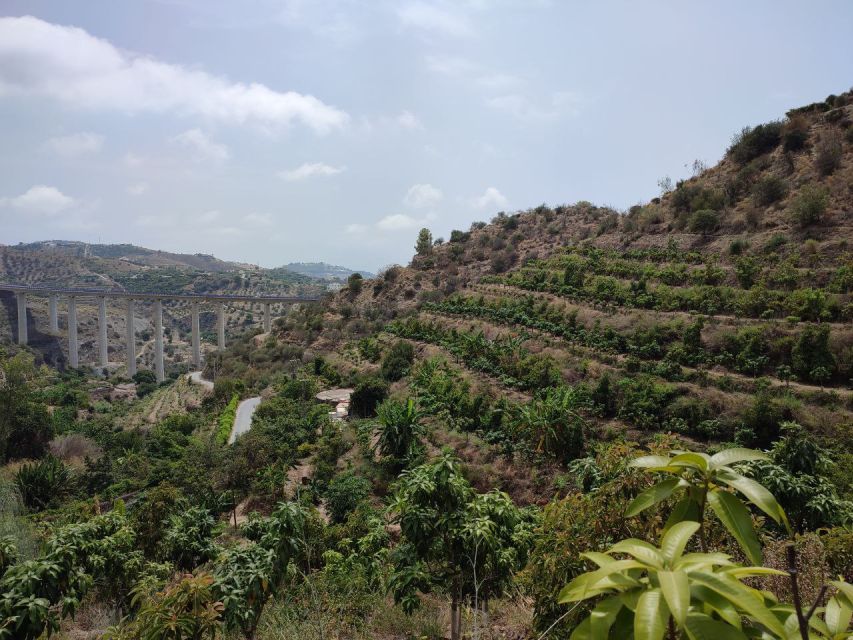
- A scenic hillside walk: The farm has sea views, but the route includes steep areas and uneven ground.
- A useful souvenir stop: Buy roasted coffee, fruit, jam, oil, and other local products at the old cortijo.
Why this coffee farm is different from a standard plantation tour
This is not a polished coffee museum or a large commercial estate. It is a small, family-run farm where coffee grows alongside fruit trees and experimental plantings. That makes the visit feel personal and practical. You are not only shown a finished product. You are shown the problems involved in producing it.
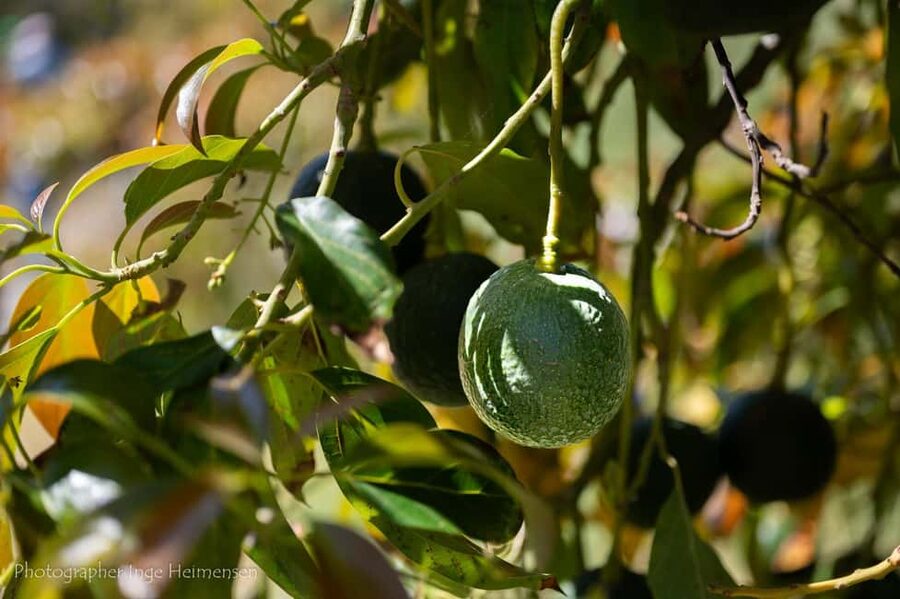
Coffee is the headline, but it is not the whole story. La Herradura Farm also contains mangoes, avocados, bananas, lychees, papayas, dragon fruit, sugar cane, and other exotic fruit. The farm is said to include Spain’s oldest mango tree, centennial cherimoya trees, and a low-water avocado plantation.
The unusual climate helps. La Herradura sits near the coast, only a short distance from Nerja, with Mediterranean air, mild conditions, hills, and sea exposure. This special microclimate allows plants usually associated with warmer tropical regions to grow here. You will see how local conditions can stretch the normal boundaries of agriculture.
The tour also gives you a useful correction to the idea that organic farming simply means planting without chemicals. Manuel explains water use, soil regeneration, plant diversity, and permaculture. These subjects matter here because farming in southern Spain means making every drop of water count.
More Coffee Farm Tours in Spain:
- Guided Tour to the only coffee farm in Europe
★ 5.0 · 174 reviews - Award Winning Farm Tour: Coffee, Chocolate and Unique Gifts
★ 5.0 · 484 reviews - Big Island: Volcanoes, Waterfalls, & Coffee Farm Day-Trip
★ 4.9 · 414 reviews
Starting near La Herradura and finding the farm
The meeting point can vary according to the option you book, and the starting point is not the same as the end point. Confirm the exact location before setting out. This is one of the few details that can create unnecessary trouble if you assume the farm entrance and the finishing point are identical.
The farm is within walking distance of La Herradura beach and about ten minutes from Nerja by car, according to the tour information. Some people have walked from La Herradura in roughly 30 to 35 minutes, arriving during the cooler morning hours. That walk can work if you are comfortable with hills and have allowed enough time, but do not treat it as a flat beach stroll.
Taxi planning matters. An Uber can take you to the farm, but arranging a return ride may be harder. A local taxi is the safer choice, or you can ask the farm for help with the return. Manuel has helped arrange taxis for visitors, but you should not rely on last-minute transport during a busy holiday period.
Wear comfortable shoes. Sunscreen is sensible, especially in summer, and bring water even though the tour itself is not a long hike. Smoking, lighting fires, and littering are not allowed.
Walking through coffee, mangoes, and dragon fruit

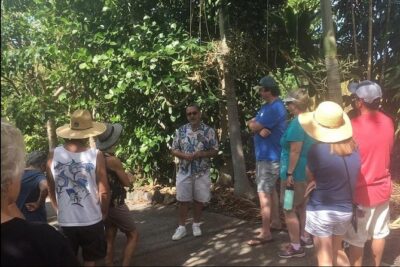
The walking tour leads through the productive parts of the farm rather than keeping you in one viewing area. Manuel explains what grows where, how plants are cared for, and how the farm has changed over time. He also points out the differences between crops that look familiar in a supermarket and the plants that produce them.
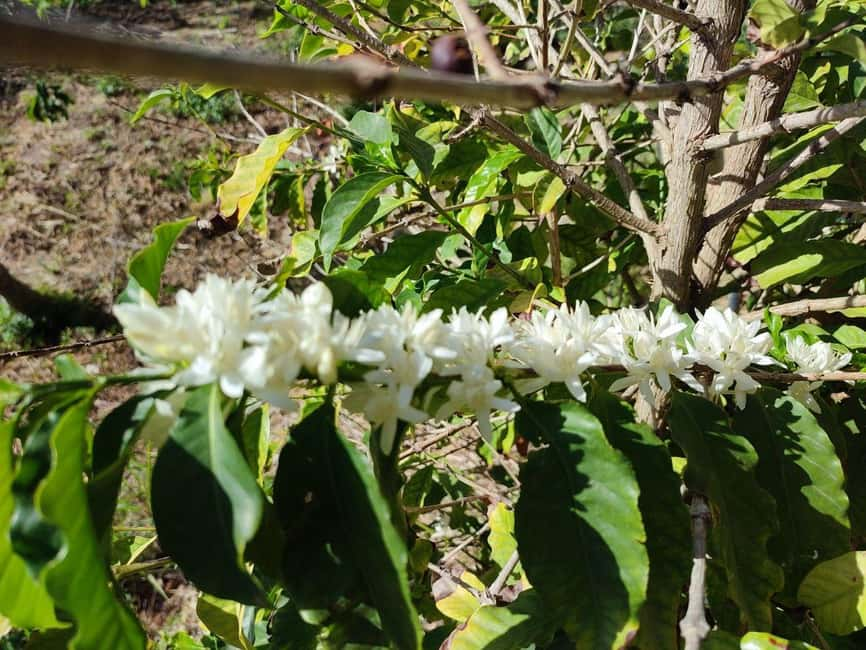
Coffee plants are the reason most people book. Seeing coffee cherries growing on living plants gives you a better sense of the crop than a bag of roasted beans ever can. The tour covers cultivation and harvesting, then connects the plants to the later roasting process.
Do not expect the scale of a plantation in Colombia or Brazil. That is part of the appeal, but it also sets a limit. This is a working family farm and an agricultural experiment, not a vast industrial operation with every stage of production displayed in a visitor center.
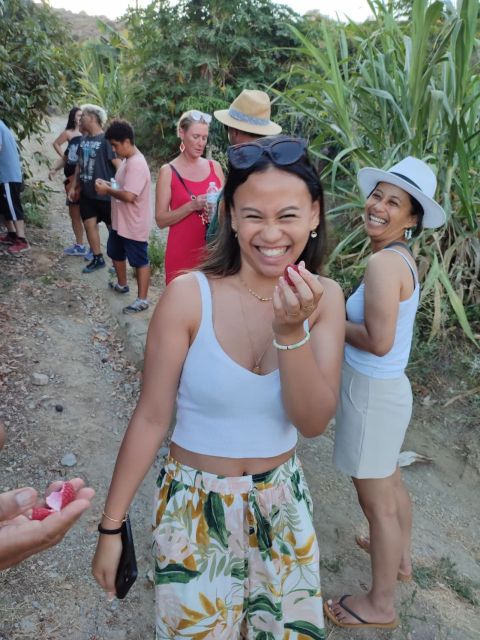
The fruit collection keeps the walk interesting for children and for anyone who is less focused on coffee. You might see several mango varieties, avocado, bananas, lychees, dragon fruit, sugar cane, and papaya. The guide may let you smell leaves or taste seasonal fruit, but what is ready to eat depends on the time of year.
That seasonal point is important. If you are hoping for a freshly picked mango, you may find that the mangoes are not ripe during your visit. The farm still offers plenty to see, but the tasting element cannot be treated as a fixed menu.
Dragon fruit adds an unusual detail. The plants flower at night and may need special pollination work. One humorous reference from the farm concerns helping with night-time dragon fruit pollination, which gives you a glimpse of how hands-on this kind of agriculture can be.
Manuel’s family story and farming lessons
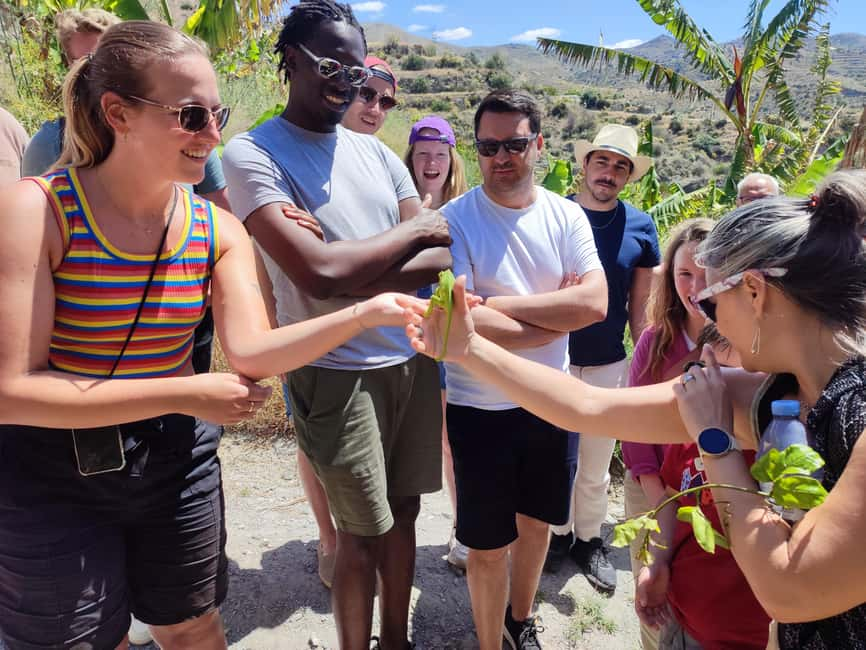
Manuel is usually the central guide, although the farm also operates in several languages and has been led by other family members, including Manolo and Sonia. He speaks English, Spanish, French, and German across the activity’s guide options, making it possible for mixed-language groups to follow the explanations.
His strongest quality as a guide is not a formal lecture style. He tells the story while walking, stopping to explain a plant or answer questions. His humor keeps the subject light, while the farming challenges give the visit real substance.
You will hear about the family’s connection to the land and the work involved in building up the farm. The story is less about quick success and more about testing what can grow, protecting the soil, and finding better ways to use water.
That practical focus makes the tour useful even if you are not a coffee enthusiast. You get a direct look at how a small farm balances production with environmental limits. The mixed planting approach also gives you something to think about. A farm with many types of plants is less visually uniform than a single-crop plantation, but it can support more variety and reduce dependence on one harvest.
The tour covers pesticide-free cultivation and regenerative methods. It does not turn into a technical university class, and the detail will depend on the questions you ask. Still, the farm gives you enough background to understand why organic growing in this part of Spain takes planning, patience, and experimentation.
More farm tours around Spain:
- Montserrat Lunch & Wine at Farmhouse Small Group from Barcelona
★ 5.0 · 2,368 reviews - Barcelona: Montserrat Visit & Lunch at Farmhouse Small Group
★ 4.7 · 1,313 reviews - Montserrat Full Day Tour with Farmhouse Lunch and Winery Visit
★ 5.0 · 1,068 reviews - Montserrat & Winery Visit Tour with Traditional Farmhouse Lunch
★ 4.5 · 1,035 reviews
The steep parts and what the walk feels like
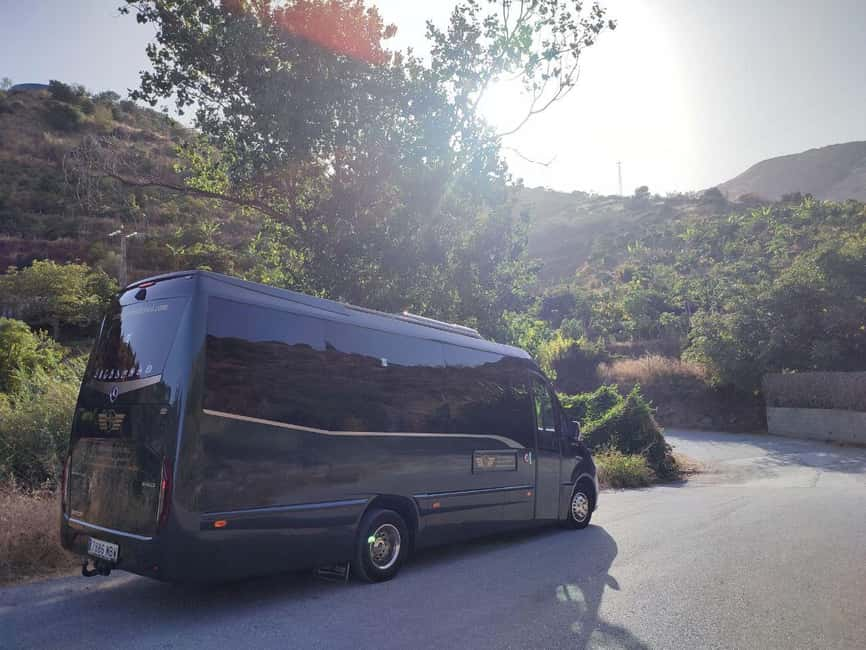
The route is manageable for people who are comfortable walking on uneven ground, but it is not suitable for everyone. There are two steep sections. Pauses are built in, and chairs are available, so the guide can give the group time to rest.
Families with children can enjoy the tour, and children have found the variety of fruit and the hands-on explanations engaging. Still, parents should be ready for heat, slopes, and a pace set by the group. A stroller or wheelchair is not a practical choice here.
People with heart problems, insect allergies, or limited fitness should choose another activity. This is also not a good match if you want an entirely shaded or paved attraction. The farm setting is natural and working, which means uneven paths, insects, and exposure to the weather are part of the experience.
The sea views help make the walking worthwhile. From the higher parts of the property, you can look toward La Herradura and the coast while seeing the farm’s plants in the foreground. Bring a hat in warm weather, and consider choosing a morning departure when available.
The advertised duration is 70 minutes, while the walking portion is also described elsewhere as about 1.5 hours. Plan for roughly an hour to an hour and a half rather than scheduling another appointment immediately afterward. Questions, pauses, photographs, and seasonal tastings can all affect the pace.
Finishing at the old Andalusian cortijo
The walk ends at a 300-year-old Andalusian cortijo. This is more than a simple shop stop. It gives the tour a sense of place and connects the farm’s modern experiments with the older agricultural buildings of the region.
Here you can buy seasonal fruit, roasted coffee, and local products. Depending on the day, this may include jam, oil, smoothies, seeds, or other farm items. Fresh produce has also been offered as part of the welcome, but the exact selection depends on what is available.
The coffee makes the most distinctive souvenir. Buying beans grown in Europe is a chance to take home something closely tied to the place rather than a generic Spanish gift. If coffee tasting is important to you, check what is included on your chosen departure. The tour description refers to freshly brewed coffee, but a formal tasting of all products is not guaranteed.
The finishing point is also a good place to ask final questions. You can compare the plant you saw in the field with the finished roasted product and think about the amount of work between the two.
Is $17 a fair price?

At $17 per person, I consider this good value if you want an active, local experience near Nerja or La Herradura. You get a guided farm walk, a look at an unusual crop, views, fruit cultivation, environmental information, and access to a family business that you would not understand from the roadside.
The price is especially fair for people who like small-scale food production and meeting the person behind a local project. Manuel’s personal involvement gives the tour more character than a standard attraction with a scripted presentation.
The value is weaker if you expect a full coffee workshop. You are not promised a long roasting class, a formal cupping session, or a large meal. Food and drinks are not included, and the separate paella workshop is not part of this activity.
Think of the $17 as paying for a guided agricultural visit, not simply for a cup of coffee. If you want to learn how crops grow, see an inventive farm, and support a small family operation, the price is easy to justify.
Free cancellation up to 24 hours before the start and a reserve-now, pay-later option make it easier to fit into a changing Costa del Sol schedule. Those policies do not remove the need to check the meeting point and transport plan.
Who should book this experience
I would choose this tour for anyone staying in Nerja, La Herradura, or Almuñécar who wants a break from beaches and resort streets. It works particularly well for families, couples, honeymooners, and people curious about food and farming.
Children have plenty to look at, especially when the guide shows unusual fruit, coffee plants, and growing methods. Adults get the family story and the environmental discussion. The mix keeps the visit from feeling like a lecture.
It also suits gardeners, coffee fans, and anyone interested in regenerative agriculture. The farm’s experiments, low-water methods, and mixed planting offer more to think about than a simple fruit-picking visit.
I would skip it if you need fully accessible paths, dislike hills, or want a polished indoor attraction. I would also skip it if your main goal is a guaranteed coffee tasting with a detailed professional roasting lesson.
Should you book La Herradura Coffee Farm?
Yes, if you can manage the slopes and want an unusual Costa del Sol outing. The combination of European-grown coffee, tropical fruit, sea views, and Manuel’s personal guiding makes this far more distinctive than another standard sightseeing stop.
Book it for the farm story and the chance to see how the plants grow, not only for the cup at the end. Confirm the meeting point, arrange your return transport, wear good shoes, and leave some time for the route to run beyond the stated 70 minutes. With those expectations, this is a worthwhile and memorable visit.
FAQ
Where is La Herradura Coffee Farm?
The farm is in Andalusia near La Herradura and Nerja. It is within walking distance of La Herradura beach and a short drive from Nerja.
How long does the tour take?
The advertised duration is 70 minutes. The walking tour is also described as lasting about 1.5 hours, so allow extra time for pauses, questions, and seasonal tastings.
What will I see at the farm?
You can see coffee plants and up to 30 types of exotic fruit, including mangoes, avocados, bananas, lychees, dragon fruit, sugar cane, and papayas. The farm also has old mango and cherimoya trees.
Is coffee tasting included?
The experience includes information about coffee cultivation, harvesting, and roasting, and the tour description refers to freshly brewed coffee. A formal tasting is not guaranteed, so check the details for your chosen booking.
Who guides the tour?
Manuel, also known as Manolo, is the owner and main guide. The activity is available in English, French, Spanish, and German, depending on the guide and departure.
Is the route accessible for wheelchairs?
No. The tour is not suitable for wheelchair users or people with mobility impairments. There are two steep sections, although pauses and chairs are available.
What should I wear?
Wear comfortable shoes suitable for walking on uneven and steep sections. Sunscreen is also useful, especially during warm weather.
Are food and drinks included?
Food and drinks are not included. Seasonal fruit and other farm products may be available to buy at the cortijo at the end.
Can I cancel my booking?
You can cancel up to 24 hours in advance for a full refund. A reserve-now, pay-later option is also available.
Newly listed farm visits around Spain
- Animal farm park with free hotel pickup★ 5.0 · 2 reviews
- Bull Breeding Farm: Guided Half-Day Tour from Seville★ 4.5 · 24 reviews
- Olive Oil Farm Tour with Tasting from Seville★ 4.5 · 61 reviews
- From Seville: Pig Farm private day tour and old villages visit★ 4.5 · 4 reviews
- ” Basque Farm House & Cider house” tour + meal from San Sebastian★ 5.0 · 9 reviews
- Fuerteventura Villages Caves and Farm Tour with Lunch from North★ 3.0 · 9 reviews
- Menorca: Cheesemaking and Farm-Fresh Product Tasting★ 5.0 · 29 reviews
- Tropical Tour: Avocado & Mango Farm – Small group and tasting★ 5.0 · 38 reviews
Coffee Farm Tours, compared.
Award Winning Farm Tour: Coffee, Chocolate and Unique Gifts
Read our review →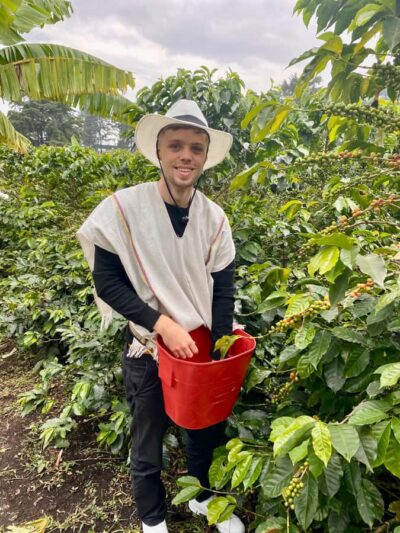
Medellín Coffee Farm Tour with Trolley and Cable Car Ride
Read our review →
Liamuiga Natural Farm Tour – St.Kitts’ Coffee Farm
Read our review →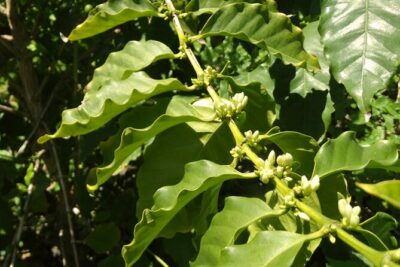
Horseback Riding Coffee Farm Tour with Coffee Spa
Read our review →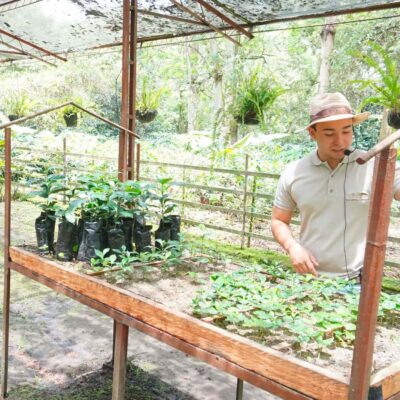
From Bogotá: Coffee Farm and Tequendama Falls Tour
Read our review →
Coffee Farm Tour with Roasting & Tasting Workshop – Da Lat
Read our review →
Browse the lists this tour appears in