
Review · JAPAN
Hands-on Pearl Harvesting Workshop!
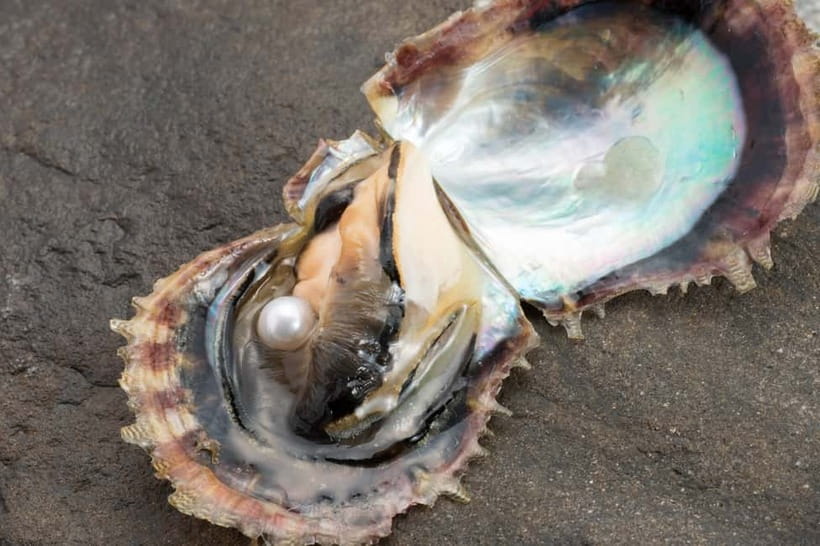
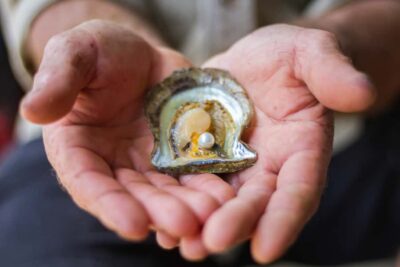
The small aquarium holds the real star of this experience: a living Akoya pearl oyster cultivated in the sea around Ise-Shima. You choose one with tongs, open it yourself, and discover the pearl inside. It is part craft lesson, part lucky dip, with a pleasantly hands-on finish.
I like the direct connection to local pearl farming, and I like that your pearl can become something useful instead of going straight into a display case. The choice of pendants, phone straps, earrings, and other fittings also gives you control over the final keepsake.
The main drawback is speed. The full booking lasts an hour, but the actual oyster opening can take only a few minutes, and the Japanese-only instruction may leave you wanting more explanation about how Akoya pearls are cultivated.
Key points before you book
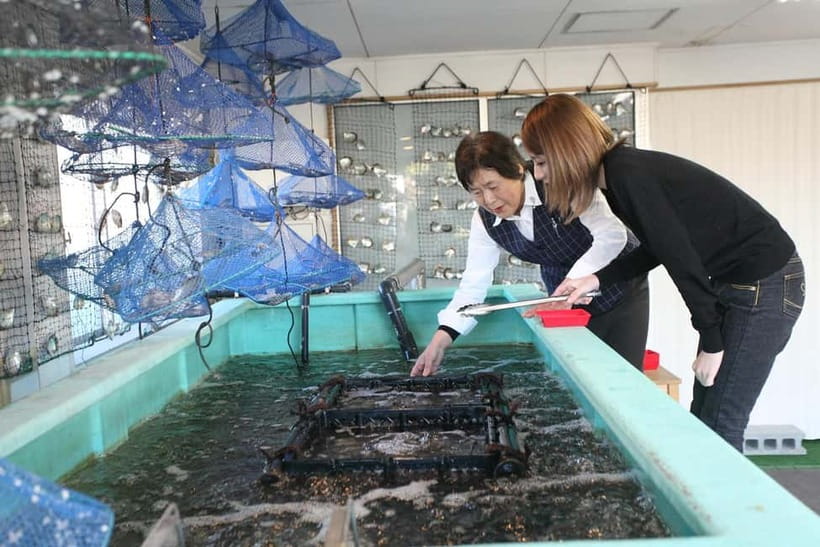
- Choose a living oyster yourself: You select an Akoya oyster from Kikuchi Pearl’s aquarium with tongs.
- The pearl is a surprise: Size, color, and shape vary, with one reported find showing a soft pink shade.
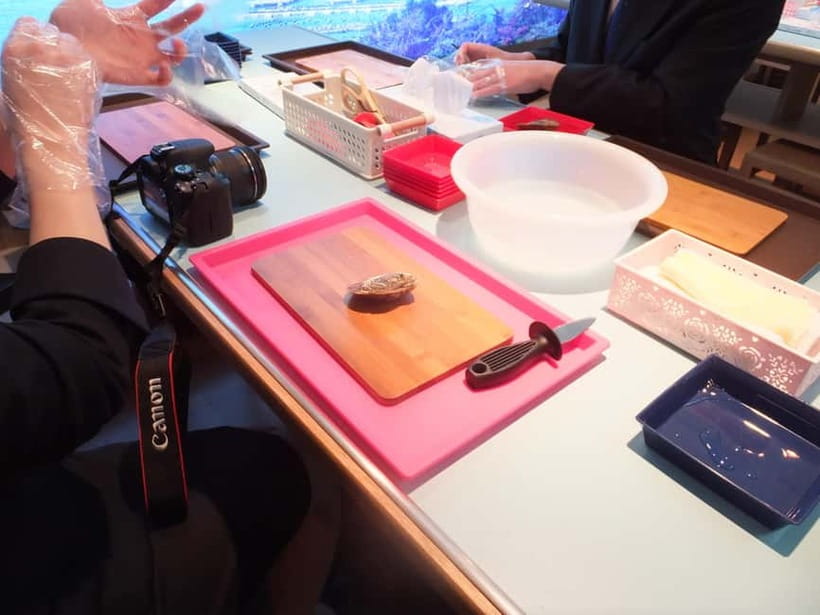
- Most of the workshop is hands-on: You wear a glove, use the supplied tool, remove the slime, and rinse the pearl.
- Staff make the finished accessory: You select the metal fittings, while the shop handles the final processing.
- The one-hour booking may feel short: Some people finish the oyster-opening part in about two minutes.
- Japanese is the activity language: If you need detailed English instruction, prepare questions in advance or use a translation app.
At Kikuchi Pearl near Isuzugaoka Station
Kikuchi Pearl is in Honshu’s Ise-Shima area, a part of Japan closely linked with Akoya pearl cultivation. From Iseshi Station, take the JR Sangu Line toward Toba and get off at Isuzugaoka Station. The shop is about a five-minute walk from there.
That short train-and-walk connection makes this an easy add-on to an Ise-Shima day. You do not need a boat trip or a long rural transfer to handle a pearl oyster. Still, allow enough time for the return journey. One person had difficulty finding transport afterward, while staff helped another arrange a taxi back to the station. I would not count on a vehicle waiting outside.
The activity is wheelchair accessible, and the stated minimum age is five. Since the session is short and the work is done at the shop, it can suit children, older adults, and mixed-age families. Young children still need to be comfortable handling an oyster, a tool, and its fishy smell.
More Pearl Farm Tours in Japan:
- Broken Bay Pearl & Oyster Farm Tours
★ 5.0 · 150 reviews - Incredible Islands Tour – Horizontal Falls & Cygnet Bay Pearl Farm
★ 5.0 · 96 reviews - Cygnet Bay Pearl Farm Behind-the-Scenes Tour & Live Harvest
★ 4.9 · 53 reviews
Choosing an Akoya oyster from the aquarium
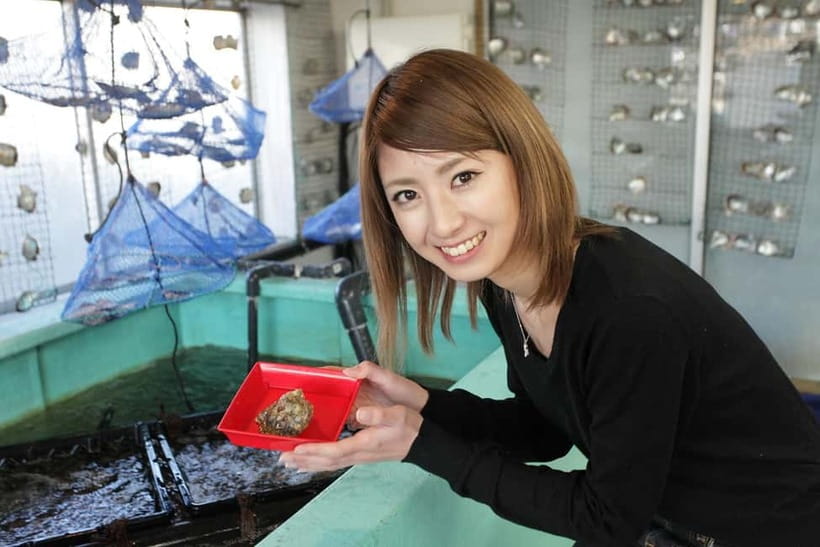
The first memorable moment is also the simplest. You use tongs to select one live Akoya oyster from the aquarium. This is more personal than receiving a prepared shell, since you see the creature before opening it and make the choice yourself.
Do not expect a long explanation of pearl farming at this point. The activity information identifies the pearls as cultivated in the sea around Ise-Shima, but the hands-on session does not promise a full lesson on oyster care, grafting, or harvesting. If that background matters to you, ask the staff what they can explain before beginning.
The choice also creates a small sense of suspense. You do not know in advance if your pearl will be white, pinkish, large, small, round, or irregular. One person found a pearl with a slight pink shade, which shows why the result can feel more personal than a standard jewelry purchase.
The oyster itself may smell fishy. That is normal for a live marine shellfish, but it is worth knowing if you are sensitive to strong smells. You wear a glove on your non-dominant hand, which makes the handling cleaner and more comfortable.
Opening the oyster and finding the pearl
After selecting your oyster, you use a special tool to extract the pearl and remove the slime. The instructions also describe lightly washing the pearl with water once it has been removed.
The wording suggests a careful, tactile task, but the pace can vary. Some participants found that the actual opening took about two minutes: pick the oyster, open it, and retrieve the pearl. That is not necessarily a problem if you want a quick, unusual souvenir. It is a problem if you are booking a full workshop because you want a detailed demonstration.
The Japanese-speaking staff are present to guide the process, but English support is limited. One participant described the instructor as knowing very little English, and another felt there was almost no explanation of what was happening. I would use a translation app if the mechanics matter to you. A few prepared questions could help:
- How are these Akoya oysters cultivated?
- Where in the oyster is the pearl found?
- How do I open this safely?
- Can I keep the pearl separate while choosing the fitting?
That last question is practical. The final jewelry work is done by staff, and some people questioned whether the pearl returned to them was the exact pearl they had opened. The supplied instructions say staff process the accessory, not that the pearl is switched, but the concern is easy to avoid. Watch your pearl closely, ask the staff to identify it, and confirm that it will be used in your chosen piece.
Picking a fitting for your pearl
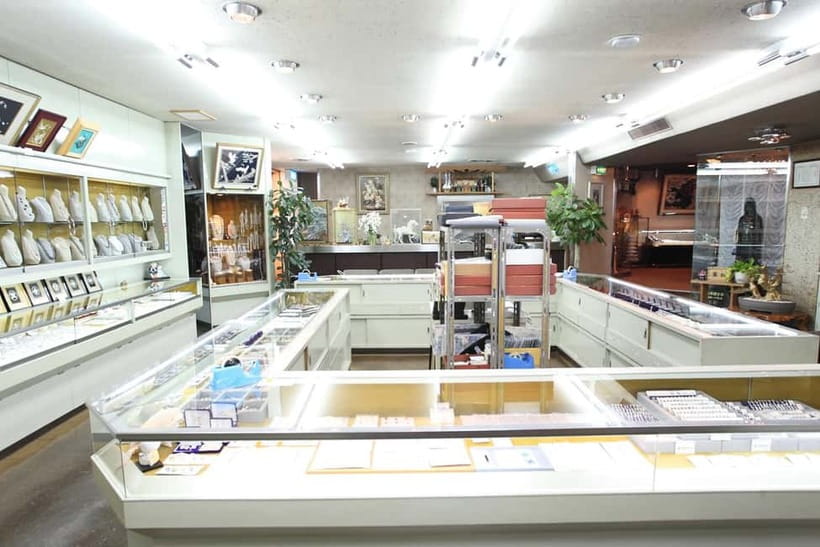
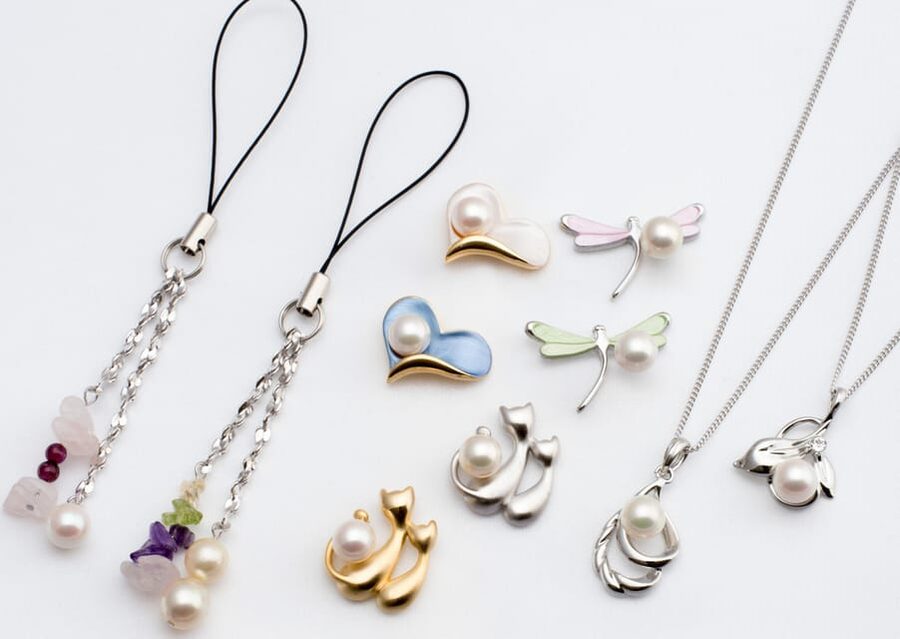
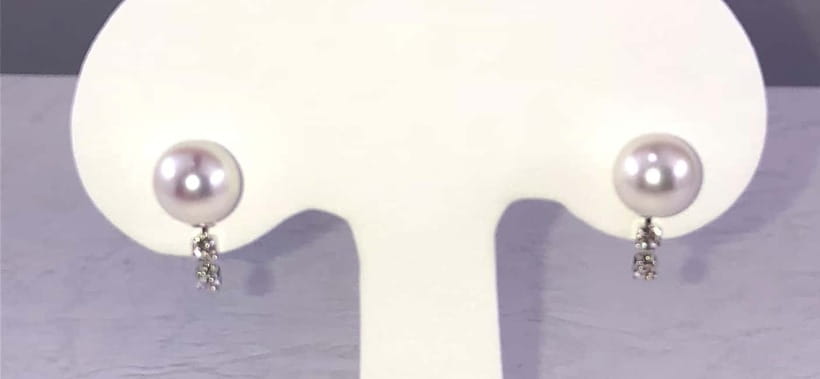
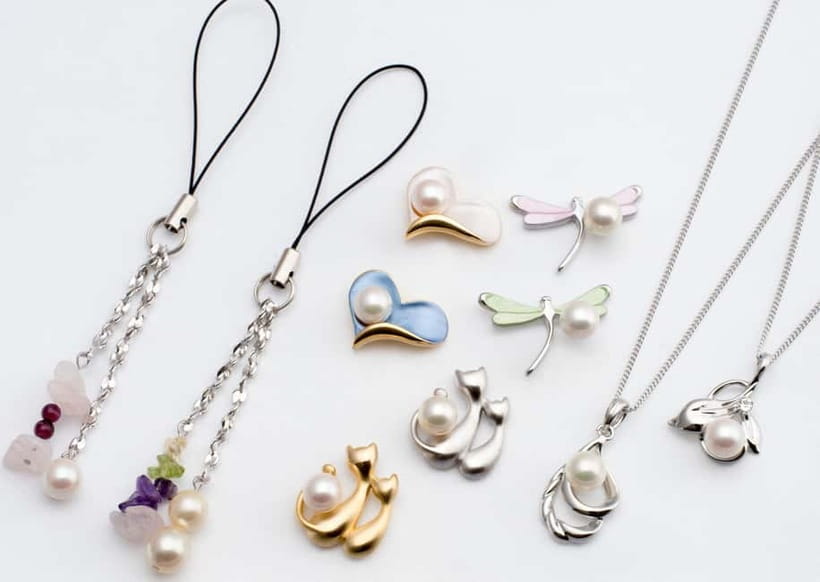
Once your pearl is out, you choose the metal fitting. This is where the short oyster activity becomes a shopping decision. The shop has many designs, and you can select a phone strap, pendant, clip-on earrings, regular earrings, or another option if available.
The listed package details give two clear examples:
- A phone strap includes one Akoya oyster priced at JPY 1,100 and fittings priced at JPY 1,650, with processing included.
- A pendant includes one Akoya oyster priced at JPY 1,100 and fittings priced at JPY 2,200, with processing included.
The advertised activity price is $17 per person, but the final amount can change if you select fittings that cost more than the included set. The price difference is paid at the shop. There is no refund if you choose a fitting that costs less than the set price, so do not pick a cheaper option expecting money back.
The fitting choice affects the value more than the oyster-opening itself. A phone strap is practical and easy to use. A pendant makes a more traditional keepsake. Earrings can be a good choice if you want a matched jewelry style, though the pearl itself is the result of a single oyster and may not match another pearl in size or color.
Other items, including pins, brooches, bracelets, tie stoppers, and tie pins, may be available for an extra charge. Ask about the total price before staff begin processing. The display has many designs, and it is easy to get swept up in the choice once you are holding your freshly found pearl.
More farm tours around Japan:
- Hokkaido Lavender farm & Furano Flower Tour from Sapporo
★ 4.5 · 28 reviews - Mt. Fuji Private Chartered Tour with Nature and Wasabi Farm
★ 5.0 · 24 reviews - Uji and Wazuka Matcha Farm Half Day Private Guided Tour
★ 5.0 · 21 reviews - Wasabi Farm Walking Tour & Lunch
★ 4.5 · 20 reviews
Waiting while the staff finish the jewelry
You do not make the finished accessory yourself. After you choose the hardware, staff carry out the processing. That means the experience is hands-on at the oyster stage, but not a full jewelry-making class.
While you wait, you can look around the store at its pearl accessories. This gives the final part of the hour a calmer pace, though the quality and style of the merchandise may not suit everyone. One participant found the jewelry unattractive and expensive, while other people liked the broad choice and the kindness of the staff.
I would treat this as a personal souvenir workshop, not a way to buy fine jewelry at a bargain price. You are paying for the oyster, the fitting, the processing, and the novelty of finding your own pearl. If your main goal is the lowest-cost pearl accessory, compare shop prices before booking. If your goal is a small object tied to a specific moment in Ise-Shima, the extra cost may make more sense.
What the one-hour duration really means
The booking is listed as one hour, but you should separate the total visit from the active workshop. The oyster selection and opening may take only a few minutes. The rest can involve choosing a fitting, watching staff process the item, and looking around the shop.
One person found the experience fun but too short. Another said the workshop itself lasted about two minutes. These comments point to the key question: do you want a compact activity between sightseeing stops, or a detailed class?
For a busy itinerary, the short format works well. You can fit it around Ise Shrine, Iseshi Station, or other Ise-Shima plans without giving up half a day. For a visitor who wants science, farming information, and a slow demonstration, this may feel thin.
The experience is most satisfying when you arrive with realistic expectations. You are not signing up for a long seminar on pearl production. You are selecting a live oyster, finding its pearl, and having that pearl made into a small accessory.
Language, help, and the people who will enjoy it
The instructor language is Japanese. That does not prevent you from completing the physical steps, but it can limit the explanation. The process is simple enough to follow with gestures and demonstration, yet you may miss the wider story of Akoya cultivation if you cannot communicate easily.
The kindest reports describe staff as patient and helpful. In one case, staff even helped arrange a taxi to the train station. That practical assistance can matter in a small shop where transport choices are limited. Still, do not assume every question will be answered in English or that a ride back will be arranged automatically.
I think the activity suits:
- Families with children aged five and older
- Couples who want matching or contrasting keepsakes
- Anyone interested in Japanese pearl culture
- Visitors who enjoy small craft experiences
- People looking for a short stop near Isuzugaoka Station
I would hesitate if you dislike fishy smells, want a long guided explanation, or expect high-end jewelry for the base price. I would also think twice if you want to open several oysters. The stated experience provides one oyster, and a request to open another was refused in one case.
Is $17 good value for a pearl accessory?
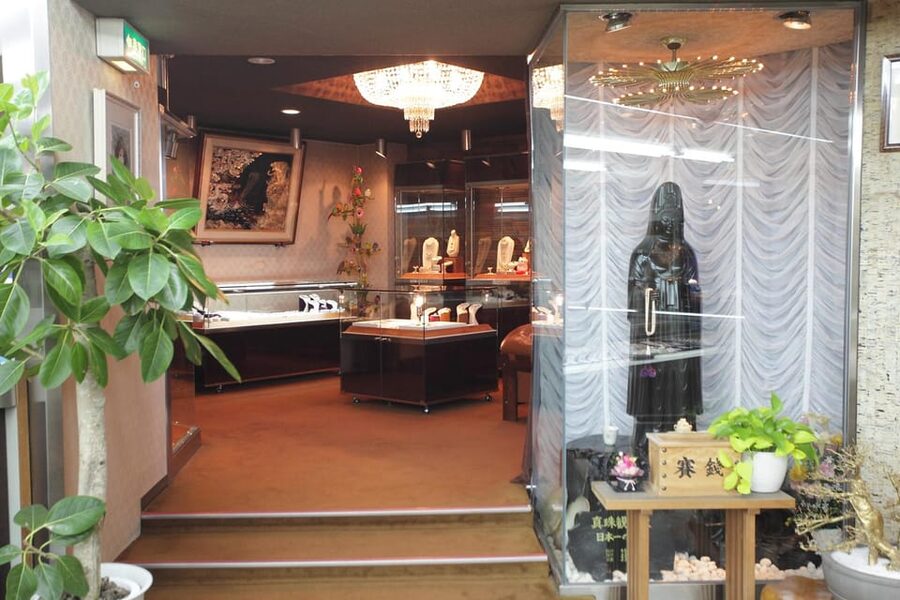
At $17 per person, the advertised price looks modest for a one-hour activity. The value depends on what you count as the product. You are not simply buying a pearl. You are paying for the oyster, the hands-on opening, the fitting, and the staff processing.
The included package details are important. The phone strap and pendant examples combine an oyster charge with a fitting charge, and processing is included. A more expensive design raises the final price, while selecting a cheaper fitting does not generate a refund.
For me, the price is fair if you want the memory of finding the pearl yourself and you choose a useful accessory. It is less convincing if you judge the activity only by the number of minutes spent opening the oyster. The strongest value comes from the personal connection, not from a long lesson or a large piece of jewelry.
Should you book the Kikuchi Pearl workshop?
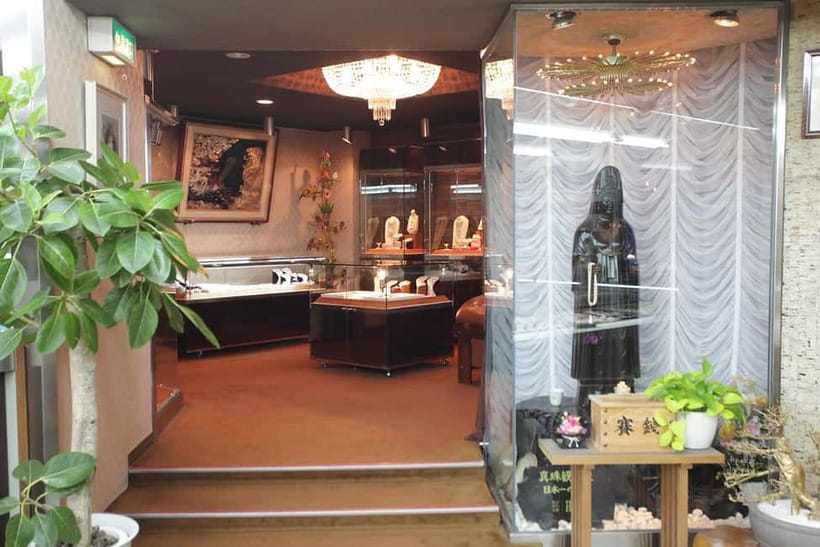
Book it if you want a brief, unusual Ise-Shima activity with a physical result. The live oyster selection is the best part, and finding a pearl with an unexpected pink tone or unusual shape can make the finished pendant or strap feel genuinely yours.
Skip it if you need detailed English instruction, a full explanation of pearl cultivation, or a long workshop. Before choosing your fitting, confirm the total cost and ask how your pearl will be identified during processing. With that small bit of care, this can be a pleasant family stop or a memorable souvenir session, as long as you see it as a quick pearl-harvesting activity rather than a full jewelry course.
FAQ
Where is the pearl harvesting workshop held?
It is held at Kikuchi Pearl in Honshu’s Ise-Shima area. From Iseshi Station, take the JR Sangu Line bound for Toba, get off at Isuzugaoka Station, and walk about five minutes. The coordinates are 34.4989098, 136.7406165.
How long does the activity last?
The scheduled duration is one hour. The oyster selection and pearl extraction can be much quicker, with the remaining time used for choosing fittings, staff processing, and looking around the shop.
What kind of oyster do I open?
You select a live Akoya pearl oyster from the aquarium. The oysters are associated with pearl cultivation in the sea around Ise-Shima.
What jewelry can I make?
You can choose a cell phone strap, pendant, clip-on earrings, or regular earrings. Pins, brooches, bracelets, tie stoppers, and tie pins may also be available for an extra charge.
Are processing fees included?
The stated phone strap and pendant examples include processing. A phone strap includes one Akoya oyster and JPY 1,650 fittings. A pendant includes one Akoya oyster and JPY 2,200 fittings. Any price difference from the fittings you choose is paid on-site.
Is the activity available in English?
The instructor language is Japanese. English support is limited, so a translation app may help if you want detailed explanations.
Can children and wheelchair users join?
The activity is wheelchair accessible, but children under five cannot participate. It is described as suitable for people from children to older adults, subject to the age restriction.
Newly listed farm visits around Japan
- Hida Private E-Bike Tour with Premium Lunch and Farm Experience★ 5.0 · 7 reviews
- Guided Bike Tour to a Green Tea Farm in Shizuoka (not e-bikes)★ 5.0 · 5 reviews
- Hokkaido Farm Tomita Shikisai Hill Waterfall& Blue Pond Day Tour★ 3.5 · 6 reviews
- Autumn Leaves in AutumnSkiing in winterLet’s go to Hoheikyo Onsen by private car (from Sapporo)★ 4.5 · 8 reviews
- Wasabi Farm Walking Tour & Lunch★ 4.5 · 20 reviews
- 7hr Private Wazuka True Hidden Kyoto Matcha Farm Experience★ 5.0 · 3 reviews
- Aso Caldera and Farm Experience Tour★ 5.0 · 5 reviews
- Okinawa: Traditional farming experience & cooking and a meal★ 5.0 · 3 reviews
Pearl Farm Tours, compared.
Cygnet Bay Pearl Farm Behind-the-Scenes Tour & Live Harvest
Read our review →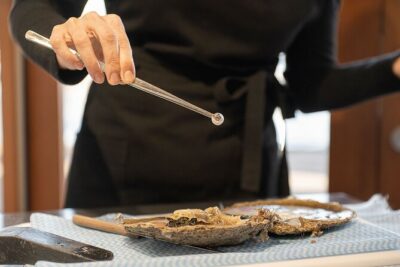
Cygnet Bay Sea Safari & Pearl Farm Tour Scenic Flight
Read our review →
Broome: Helicopter Flight and Willie Creek Pearl Farm Tour
Read our review →
Shell to Showroom – Sydney’s only Pearl Farm Experience
Read our review →
Browse the lists this tour appears in