
Review · JAPAN
Okinawa: Traditional farming experience & cooking and a meal
Sesoko Island gives you a rare chance to handle Okinawa’s food at its source. You harvest vegetables and herbs with local farmers, make a traditional kusu seasoning, then cook and eat what the island provides. I like the hands-on work and the chance to talk with farmers, not just watch a cooking demonstration. I also like that your kusu can become a useful souvenir. The main consideration is timing: the activity is advertised as 150 minutes, while its listed walking and one-hour sections suggest you should allow a little flexibility.
The meal is the heart of the experience. You sit down with freshly picked produce and other Okinawan ingredients, with guides including Master Jun and Mei explaining how the dishes connect to island life. Wear shoes and clothes you can work in, bring water, and remember that alcohol is not included.
Key points at a glance
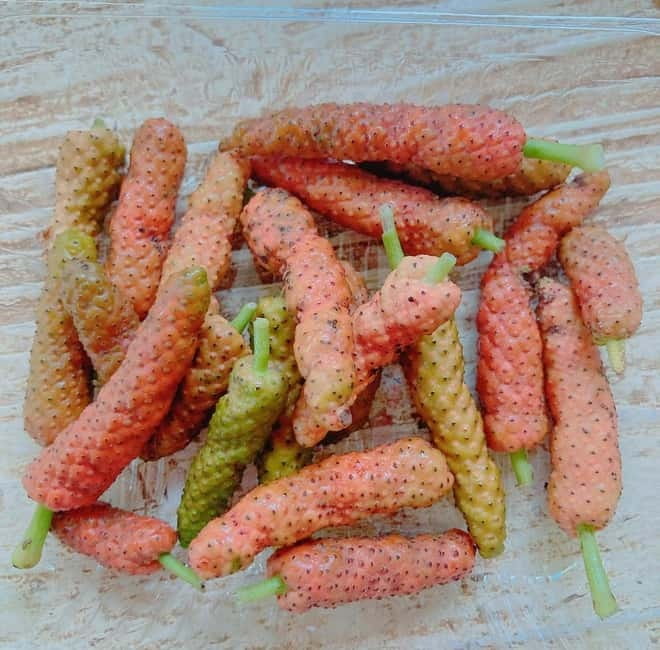
- Harvest your own ingredients: Work with vegetables and herbs grown on Sesoko Island before they appear in your meal.
- Make family-style kusu: Learn a guarded Okinawan seasoning recipe and take your own batch home.
- Cook with local guidance: Master Jun and Mei explain the steps in English, Chinese, or Japanese.
- Share a fresh island meal: Eat dishes made with what you picked, along with other local ingredients.
- Meet the people behind the food: The farming conversation gives context that a standard cooking class often misses.
- Plan for practical comfort: The experience includes walking, outdoor farm work, and a private group format.
Why farming comes before the cooking
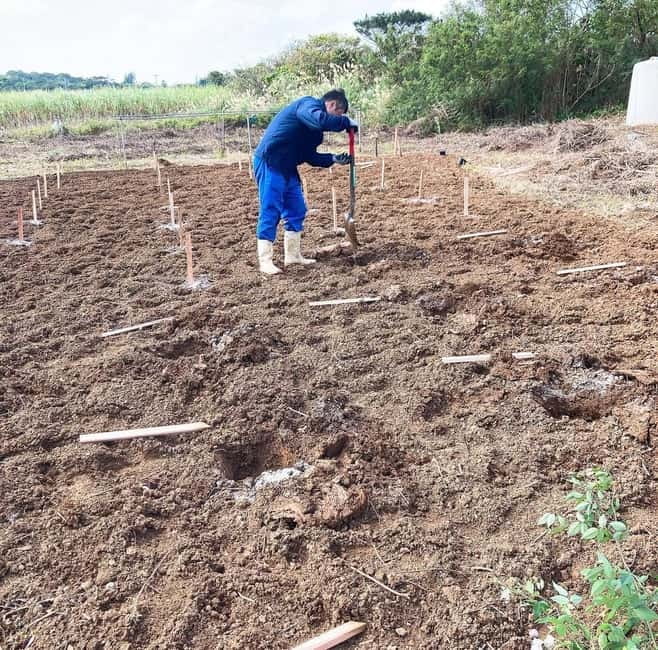
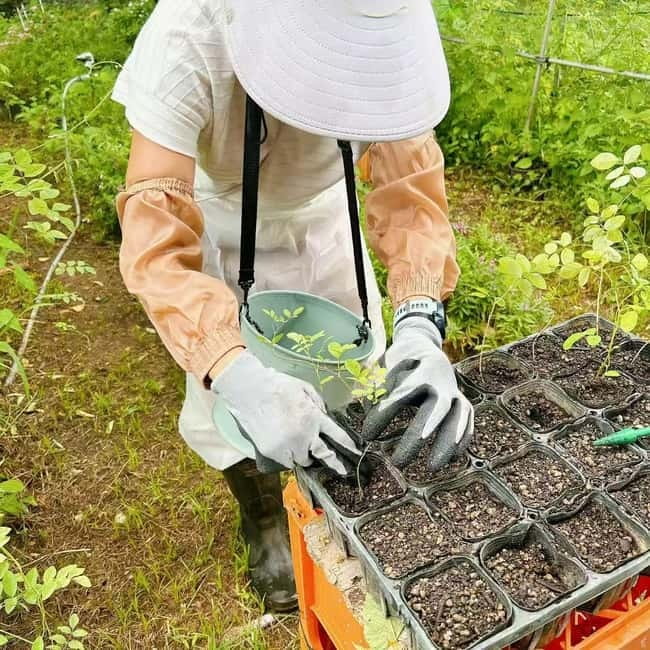
Many food activities begin with prepared ingredients laid out on a table. This one starts earlier, in the soil. You first walk about 10 minutes from かどや製麺所 星降る森のビアガーデン to the Sesoko Island farm area, then spend about an hour taking part in agricultural work.
That order matters. When you touch the vegetables and herbs before cooking, the meal has a clear connection to the island. You are not simply told that ingredients are local. You help gather them, then see how they become part of Okinawan food.
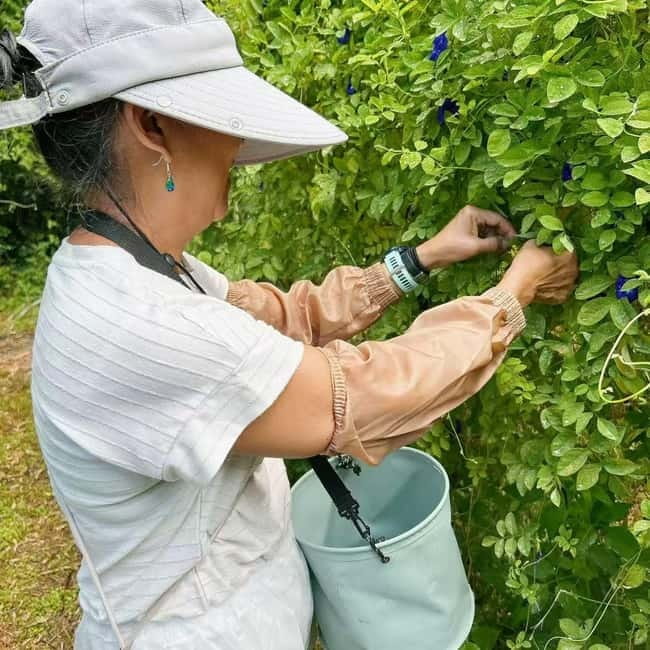
The farming portion is also a good fit if you enjoy simple work more than passive sightseeing. You might be asked to harvest seasonal produce or handle plants native to Sesoko Island. The exact crops can change, so I would not book this expecting one specific vegetable or recipe.
Local farmers guide the work and answer questions. Their role gives the activity its human side. You learn about food, farming, and the care needed to grow what eventually reaches the table. For many people, that conversation will be more memorable than the cooking technique itself.
More farm tours around Japan:
- Hokkaido Lavender farm & Furano Flower Tour from Sapporo
★ 4.5 · 28 reviews - Mt. Fuji Private Chartered Tour with Nature and Wasabi Farm
★ 5.0 · 24 reviews - Uji and Wazuka Matcha Farm Half Day Private Guided Tour
★ 5.0 · 21 reviews
Sesoko Island in a hands-on hour
Sesoko Island is the setting, but this is not a sightseeing walk built around viewpoints. The focus is the working side of island life. You get close to the plants, feel their texture, and learn how agriculture fits into Okinawa’s food traditions.
The one-hour farm visit is long enough to do more than take a quick photo, but short enough to keep the day moving. Comfortable shoes are important because the activity involves walking and agricultural work. Comfortable clothing is also sensible, especially if you do not want to worry about dirt or bending while harvesting.
The experience is offered as a private group, which can make the questions and demonstrations feel more personal. It also means the pace may be better suited to your group than a large public class. At the same time, private does not mean fully customized. The available information does not promise a choice of crops, recipes, or work tasks.
You should also bring water. Okinawa can be warm, and outdoor work feels different from an indoor cooking lesson. The provider lists the activity as unsuitable for people with altitude sickness, although this is an unusual warning for a low-level island farming visit. If that note applies to you, ask the operator for clarification before booking.
Making kusu, Okinawa’s secret seasoning
The most unusual part of the program is the kusu-making session. You learn a traditional Okinawan recipe described as a secret seasoning passed down within families. The details of the recipe are not given in advance, which is part of its appeal.
This is not just a demonstration where you watch a guide mix ingredients. You make your own version to keep. That gives the activity a practical souvenir instead of another small object for your luggage.
The experience may also be described as making a secret elixir. One participant received help arranging postal delivery for the finished product. That is useful if your kusu cannot travel easily in your baggage or if you would rather not carry it around Japan. Do not assume postage is included in the $61 price, since it is not listed among the inclusions.
The recipe is valuable because it connects food with family tradition. Okinawan cuisine is not only a collection of dishes. It also reflects how recipes are protected, passed along, and adapted at home. Kusu gives you a small, direct link to that tradition.
Cooking with what you picked
After the farm work and kusu session, you move to the cooking portion. The listed plan allows about an hour for the class. You prepare traditional Okinawan dishes with seasonal ingredients, including some of the vegetables and herbs harvested earlier.
I like this structure because it keeps the cooking grounded. You are not making a generic Japanese dish with ingredients that could come from any supermarket. The food comes from the place you have just visited, and the farmers and guides can explain why it belongs in the meal.
You should expect instruction rather than a formal culinary school lesson. The supplied details do not specify the exact menu, cooking equipment, or number of dishes. Recipes will likely follow the available harvest, so the menu can change with the season. That is a benefit if you want a local meal, but a limitation if you need a fixed menu for dietary reasons.
Mei receives special praise for explaining each step clearly. Master Jun is also presented as a central figure in the Okinawan food portion. If having a named guide matters to you, the booking information lists English, Chinese, and Japanese support, but it does not guarantee that every language will be led by the same person on every date.
Same countryside, another kind of harvest:
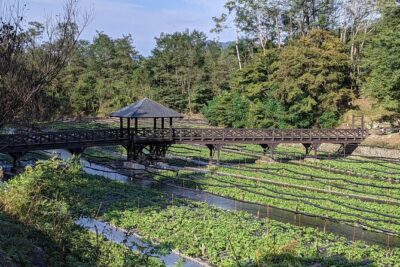
- Wasabi Farm Walking Tour & Lunch
★ 4.5 · 20 reviews - Miyajima Guided Tour and Fresh Oyster Farm Tour
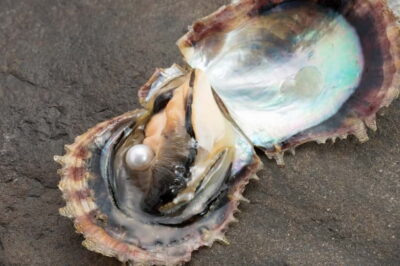
★ 5.0 · 20 reviews - Hands-on Pearl Harvesting Workshop!
★ 3.3 · 11 reviews - Autumn Leaves in AutumnSkiing in winterLet’s go to Hoheikyo Onsen by private car (from Sapporo)
★ 4.5 · 8 reviews
The meal is part of the lesson
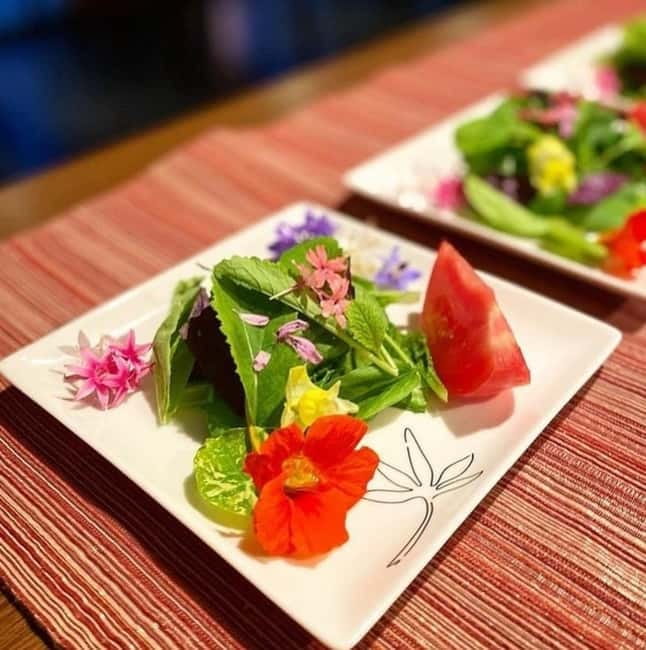
The final food portion is listed as dinner and tasting, with about an hour set aside for eating. You share a meal made from freshly harvested vegetables and other local ingredients. The point is not speed. It is the chance to eat together and talk about the food while the process is still fresh.
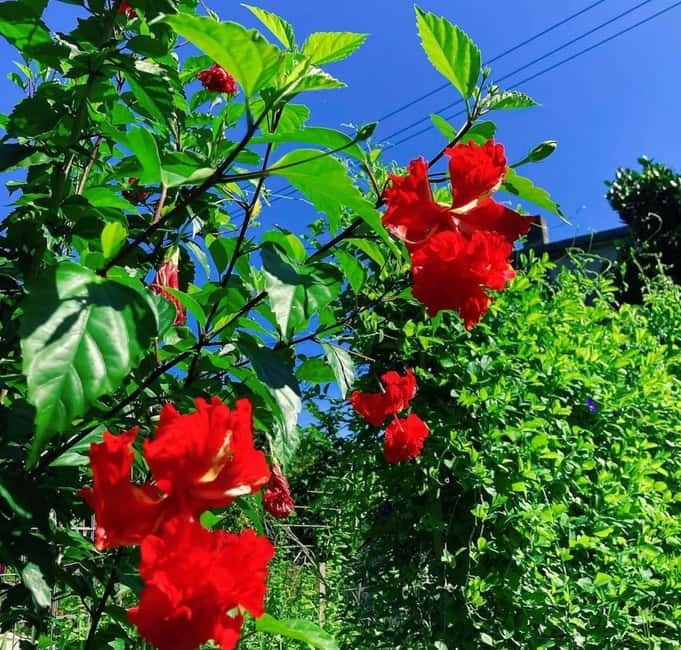
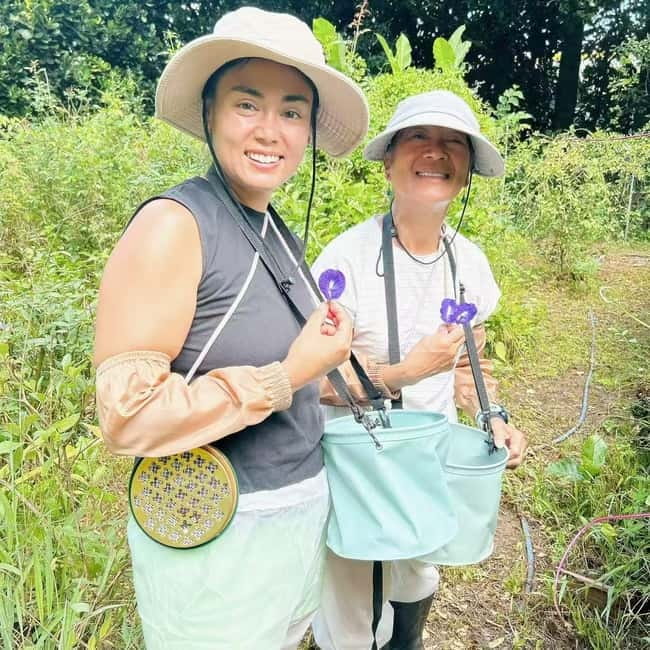
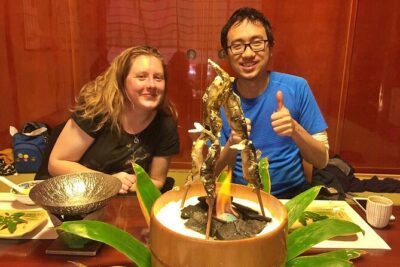
A particularly appealing detail is the use of handpicked flowers in Okinawan-style cooking. That is not a normal cooking-class ingredient for most visitors, and it gives the meal a clear sense of place. The exact flowers and dishes are not specified, so you should treat this as a possible seasonal feature rather than a guaranteed menu item.
The meal also gives the farmers and local people room to explain the traditions behind Okinawan cuisine. You can ask about the ingredients, the growing process, and the way dishes are prepared. This is where the activity moves beyond a recipe class and becomes a cultural exchange.
Alcohol is not included. If you want a drink with dinner, budget separately and confirm what is available. The listed price covers the agricultural activity, local-ingredient meal, and interaction with farmers, not alcoholic drinks.
What $61 buys you
At $61 per person, this is priced above a basic cooking class but below many full-day food tours. The value depends on what you want from your time in Okinawa.
If you only want to eat, the price may feel high. You are paying for several linked parts: a private group experience, farm time, a cooking class, a meal, guidance from local farmers, and the chance to make kusu. The meal is only one piece of the package.
I see the strongest value in the personal elements. Your kusu is made during the activity rather than bought in a shop. The produce is harvested by you rather than simply labeled local. You also spend time with people connected to the farming and food traditions of Sesoko Island.
The price is especially reasonable for someone who values participation. Families, couples, and small groups who like practical cultural activities may get more from this than from a standard restaurant meal. If your main priority is a long, elaborate cooking lesson or a large number of finished dishes, ask for menu details before committing.
Timing, meeting point, and group style
The meeting point is かどや製麺所 星降る森のビアガーデン. From there, the route includes a walk of about 10 minutes to the Sesoko Island portion, followed by farming, cooking, and the meal before returning to the same starting point.
The published duration is 150 minutes. The activity outline also describes three one-hour stages after the walk: a Sesoko Island visit, a cooking class, and dinner or tasting. Since those blocks add up to more than 150 minutes when combined with the walk, you should check the exact start and end time when choosing a date.
That timing issue does not necessarily mean the activity will run long. The schedule may be rounded, or the sections may overlap. Still, do not schedule a tight connection immediately afterward. A little breathing room is wise.
The group is private, and live guidance is available in Chinese, English, and Japanese. The experience provider is 株式会社瀬底商店. Free cancellation is available up to 24 hours before the activity, and you can reserve while paying later, which helps if your Okinawa plans are still shifting.
Who will enjoy it most
I would choose this for you if you want food connected to place and people. It suits visitors who enjoy getting their hands dirty, asking questions, and eating a meal that changes with the harvest.
It is also a good choice for families and small private groups, provided everyone is comfortable with farm work and walking. The activity is not presented as a children’s program, so confirm age requirements if you are traveling with young children.
Food-minded travelers will appreciate the combination of harvesting, cooking, and eating. People interested in Okinawan traditions will get more context than they would from a restaurant alone. The kusu recipe is the strongest reason to choose this instead of a standard food tour.
You may want to skip it if you dislike outdoor work, need a fully specified menu, or want alcohol included. You should also ask about ingredients before booking if you have allergies or strict dietary requirements, since the menu is seasonal and not described in detail.
What the strong feedback tells you
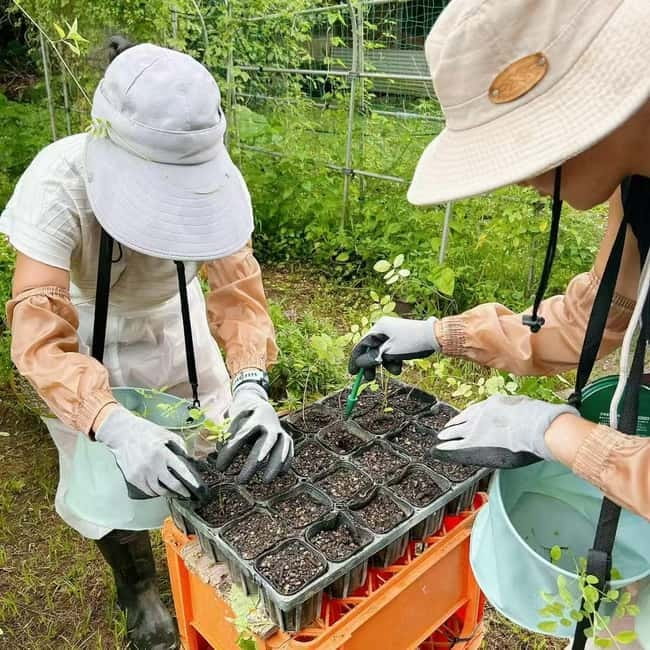
The highest praise centers on the guides, the food, and the careful flow of the day. Enza appreciated the variety of activities, the meal, and the friendly cats found at the site. The cats are a pleasant extra, but they are not the reason to book and should not be treated as a guaranteed part of the program.
Yannik found the experience a highlight of a Japan trip, especially the handpicked flowers served Okinawan-style and the support with sending the kusu by post. That postal help is worth remembering if you make a batch you cannot conveniently carry.
Elizabeth singled out Mei’s explanations, the flower lesson, the secret recipe, and the lunch made with garden ingredients. Those details point to the activity’s real strength: you are guided through each step rather than left to copy a recipe without context.
The overall rating is 5 out of 5 from three verified bookings. That is an excellent early signal, though the sample is small. I would treat it as evidence of strong satisfaction, not as a guarantee that every menu, guide, or seasonal crop will be identical.
Should you book the Sesoko Island food experience?
Book it if you want a private, personal introduction to Okinawan food that begins in the garden and ends at the table. The combination of harvesting, kusu-making, cooking, and conversation offers more substance than a quick tasting.
The best reason to go is the chain from soil to meal. You pick ingredients, learn a family-style seasoning, prepare traditional dishes, and eat with the people who explain the food. At $61, that is a fair package for a hands-on cultural activity.
Before booking, confirm the day’s menu, the exact timing, and any postal arrangements for your kusu. Bring water, wear practical clothes and shoes, and leave space in your schedule after the stated 150 minutes. If those details suit you, this is a thoughtful choice for experiencing Okinawa through its farms and kitchens rather than only through its sights.
FAQ
Where does the experience begin?
It begins at かどや製麺所 星降る森のビアガーデン.
How do I reach the Sesoko Island activity area?
The itinerary includes a walk of about 10 minutes from the starting location to Sesoko Island.
How long does the activity last?
The advertised duration is 150 minutes. The schedule also lists roughly one hour each for the island visit, cooking class, and meal, so confirm the exact timing when you book.
What languages are available?
Live guidance is available in Chinese, English, and Japanese.
Is the group private?
Yes. The activity is offered as a private group experience.
Is a meal included?
Yes. The package includes a meal made with local ingredients, including produce harvested during the activity.
Is alcohol included?
No. Alcoholic drinks are not included.
What should I bring?
Bring comfortable shoes, water, and comfortable clothing suitable for walking and agricultural work.
Can I cancel for a refund?
You can cancel up to 24 hours in advance for a full refund. The activity also offers a reserve-now, pay-later option.
Newly listed farm visits around Japan
- Hida Private E-Bike Tour with Premium Lunch and Farm Experience★ 5.0 · 7 reviews
- Guided Bike Tour to a Green Tea Farm in Shizuoka (not e-bikes)★ 5.0 · 5 reviews
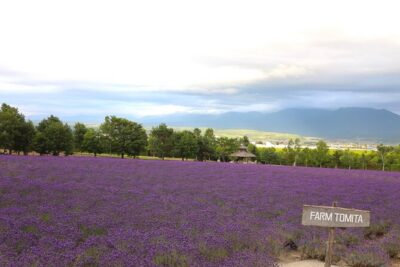
- Hokkaido Farm Tomita Shikisai Hill Waterfall& Blue Pond Day Tour★ 3.5 · 6 reviews
- Autumn Leaves in AutumnSkiing in winterLet’s go to Hoheikyo Onsen by private car (from Sapporo)★ 4.5 · 8 reviews
- Wasabi Farm Walking Tour & Lunch★ 4.5 · 20 reviews
- 7hr Private Wazuka True Hidden Kyoto Matcha Farm Experience★ 5.0 · 3 reviews
- Aso Caldera and Farm Experience Tour★ 5.0 · 5 reviews
- Nagano Autumn special: Kamikochi & Wasabi Farm & Winery★ 5.0 · 2 reviews
Japan Farm Tours, compared.
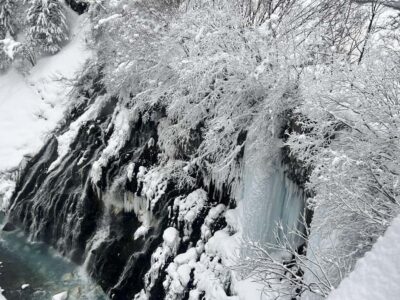
Hokkaido Lavender farm & Furano Flower Tour from Sapporo
Read our review →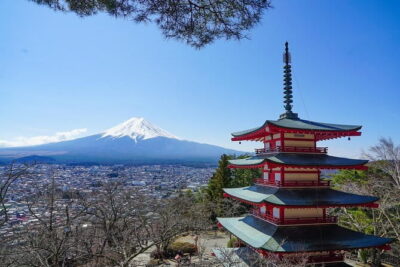
Mt. Fuji Private Chartered Tour with Nature and Wasabi Farm
Read our review →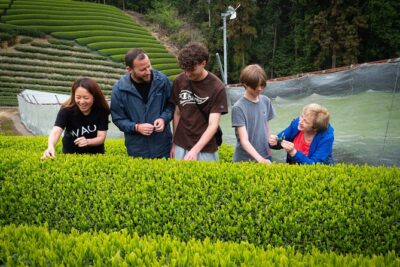
Uji and Wazuka Matcha Farm Half Day Private Guided Tour
Read our review →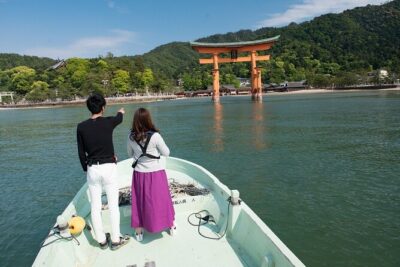
Hida Private E-Bike Tour with Premium Lunch and Farm Experience
Read our review →Browse the lists this tour appears in