
Review · SPAIN
Guided Tour to the only coffee farm in Europe
Europe’s only coffee plantation is the headline here, but the real surprise is the farm around it. Near La Herradura, you’ll walk among coffee plants, mangoes, avocados, lychees, red bananas, macadamias, pitayas, and other tropical trees. Manolo Mateos guides the visit, often mixing several languages with farm stories and humor.
I like the chance to taste the idea of tropical agriculture in southern Spain, and I like the clear focus on sustainable water and soil practices. The small group size, capped at 15 people, should also make it easier to ask questions. The main drawback is the steep slope, plus the fact that coffee is only one part of the tour and production is small.
Key points to know before booking
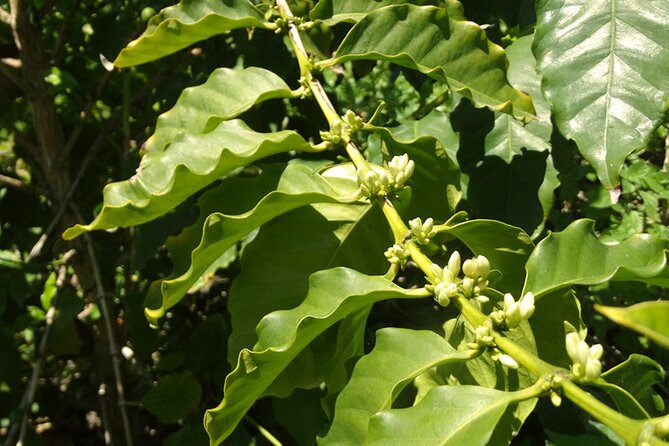
- Europe’s northernmost coffee farm: See the coffee plants and learn why this warm coastal pocket can support them.
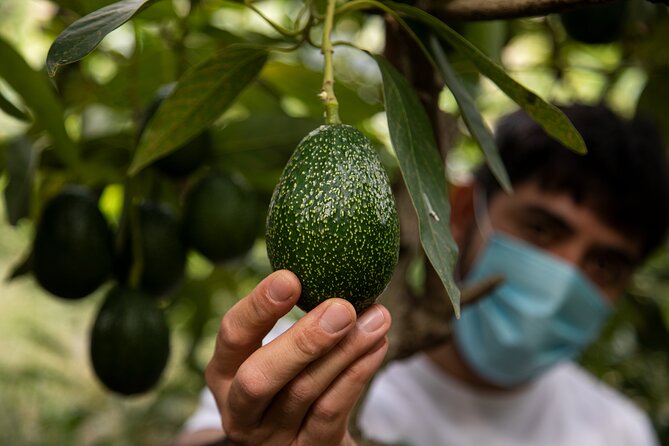
- Up to 30 tropical fruit types: Mangoes, avocados, custard apples, lychees, red bananas, macadamias, and pitayas are among the crops you may encounter.
- A multilingual guide: Manolo Mateos is known for guiding in English and also speaking French, German, Spanish, and other languages.
- A steep outdoor walk: Wear closed, comfortable shoes, avoid the hottest part of the day, and bring water.
- Good value at $18.15: The 70 to 90 minute visit costs less than many short food tours, with a 15 percent discount on fruit purchases.
- A rural transport wrinkle: Taxi drop-off may need advance planning, and there is no Uber service for the return to town.
Why a coffee farm near Malaga is possible
Southern Spain is not the first place most people picture when they think of coffee. The farm sits near La Herradura, on the coast of Granada province, where the mild conditions allow tropical plants to grow alongside Mediterranean crops.
The visit puts coffee in a broader setting. You are not entering a large plantation with endless rows of coffee trees. Instead, you are walking through a mixed farm where coffee shares space with fruit trees and other useful plants. That makes the experience more about climate, adaptation, and small-scale farming than about coffee production alone.
This matters when you set your expectations. If you want a long tasting session focused only on roasting, brewing, and coffee flavor, this is probably not the right choice. If you want to see where coffee grows and understand how it fits into a working farm, the visit offers something far less common in Spain.
More Coffee Farm Tours in Spain:
- La Herradura Coffee Farm: tour in Europe’s only plantation
★ 4.8 · 430 reviews - Award Winning Farm Tour: Coffee, Chocolate and Unique Gifts
★ 5.0 · 484 reviews - Big Island: Volcanoes, Waterfalls, & Coffee Farm Day-Trip
★ 4.9 · 414 reviews
Walking through La Herradura’s tropical fruit farm
The tour begins at the farm near La Herradura and continues on foot through the planting areas. The pace is built around explanation rather than a fast checklist of crops. Manolo introduces the fruit trees, describes how they are grown, and points out the differences between familiar produce and less common tropical varieties.
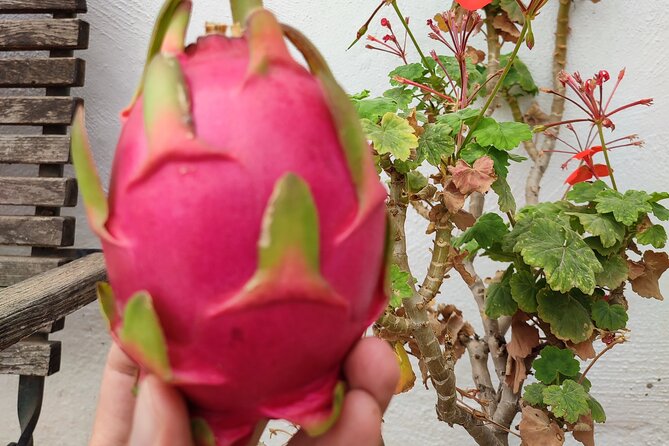
The variety is one of the strongest parts of the experience. You may see mangoes and avocados, but also custard apples, lychees, red bananas, macadamias, dragon fruit, and other unusual trees. Several families describe the pleasure of tasting fruit directly from the plant or buying farm fruit at the end.
That hands-on element gives the visit more flavor than a standard garden walk. Children can connect the fruit in their lunchbox with the living plant, while adults get a closer look at the work behind crops that are often treated as supermarket products.
The farm’s mixed planting also gives you a useful lesson in local food production. Different trees need different care, and growing them together requires attention to water, soil, insects, and seasonal conditions. You will hear how the farm tries to keep a natural balance instead of treating each crop as an isolated project.
The coffee plants and the farm’s unusual claim
The coffee section is the main reason to book this outing. The farm is presented as the only coffee plantation in Europe and the most northern coffee plantation in the world. That is a remarkable claim, but you should understand what it means in practice.
This is a small coffee-growing operation, not a vast commercial estate. The coffee plants form one part of a larger agricultural project. You will learn about the crop and its place on the farm, but the visit is not designed as a full coffee-industry tour with every stage of harvesting, processing, roasting, and brewing.
That distinction explains the one notably disappointed response in the available feedback. One French-speaking visitor expected the coffee claim to mean a tour centered almost entirely on coffee, but found a fruit farm with only a limited coffee focus. The criticism is useful because it tells you exactly how to judge the experience: book it for coffee plus tropical agriculture, not for coffee alone.
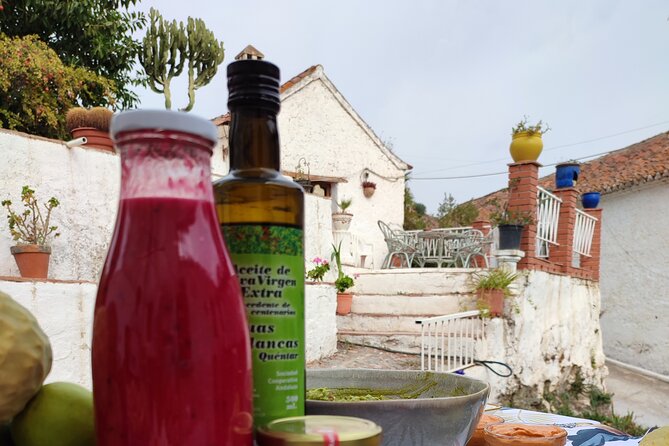
Farm coffee is available for purchase, along with other products from the farm and region. A 15 percent discount on fruit purchases is included, which adds a little value if you plan to take home produce. The separate purchase option also lets you support the small operation without forcing you to buy anything.
Sustainable farming explained in plain terms
Manolo talks about the farm’s effort to close the circle of water and matter. In practical terms, that means the visit looks at how a farm can reduce waste, manage resources carefully, and support a healthy biological balance.
You will hear about ecological growing methods and the challenges of caring for tropical fruit in this part of Spain. These ideas are not presented as a formal classroom lecture. They come up while you walk through the crops, which makes the explanation easier to connect with the trees around you.
I especially like this part because it gives the coffee story some substance. The unusual location is interesting on its own, but the farming methods explain why the project is worth a visit. You see the connection between climate, irrigation, plant health, and the cost of producing fruit responsibly.
The farm’s ecological approach does not mean you should expect a polished botanical garden. This is an active agricultural site, with uneven ground and practical working conditions. The setting is part of its appeal, but it also explains the need for sensible shoes and a moderate level of fitness.
More Guided Tours in Spain:
- GUIDED TOUR + TASTE IN A MUSHROOM FARM
★ 5.0 · 43 reviews - Bull Breeding Farm: Guided Half-Day Tour from Seville
★ 4.5 · 24 reviews - Half-Day Guided Tour to a bull farm in Madrid
★ 5.0 · 2 reviews - Mykonos: Farm, Ano Mera Village, and Beaches Guided Tour
★ 4.4 · 1,283 reviews
Keep your eyes open for wildlife
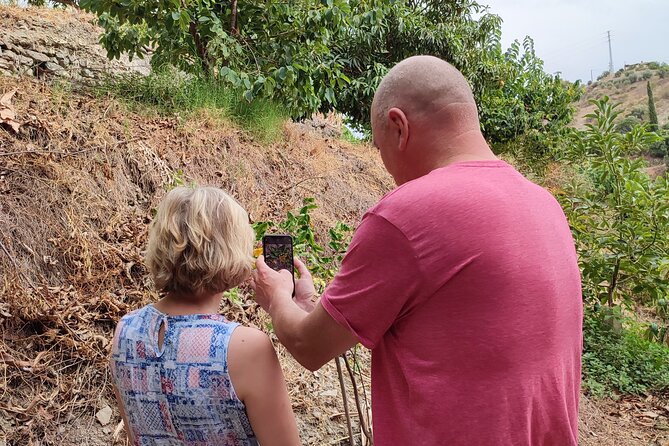
The farm can also be a good place to watch for animals. Depending on the day, you might spot chameleons, eagles, partridges, owls, wild goats, or wild boars.
These sightings are possibilities, not guaranteed stops on the tour. Do not book the experience as a wildlife excursion. Still, the chance of seeing animals adds another layer to the farm’s ecological message, especially when Manolo explains how agriculture and local wildlife can share the same area.
For children, this may be one of the easiest ways to hold attention during the walk. For adults, it offers a reminder that the farm is not just a collection of fruit trees. It is part of a larger natural setting.
What makes Manolo Mateos a strong guide
The guide can make or break a small farm tour, and Manolo’s personality is a major part of this one. He explains the farm’s background, its crops, and its environmental approach while keeping the tone relaxed. His style includes jokes and personal stories, so the walk does not feel like a dry agricultural lecture.
Language is another practical advantage. The experience is offered in English, and Manolo has also guided in French, German, and Spanish. Some families were able to include young children in the conversation, while others appreciated being able to ask questions in a language they understood well.
The farm has been in the family for about 300 years, adding a personal layer to the story. You are not just hearing a generic explanation of tropical agriculture. You are hearing about a family property and a newer coffee project built around it.
The guide’s warmth is especially helpful for families. Children have been included in the explanations, and the walk has worked well for families with young children, including toddlers. Still, the slope means parents should think about their children’s stamina and footwear before booking.
Timing, terrain, and what to bring
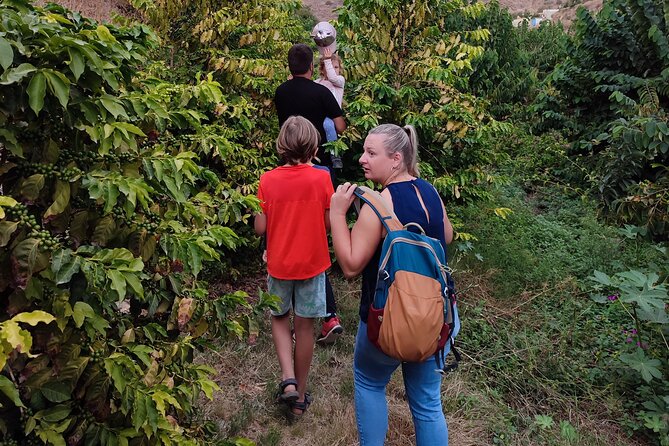
The advertised duration is about one hour and 10 minutes to one hour and 30 minutes. Some accounts describe a longer visit, especially when explanations, questions, or a tasting are added. Plan for at least the stated duration and avoid scheduling a tight connection immediately afterward.
The route includes a steep slope. This is the most important practical detail in the whole experience. You should wear closed shoes with a firm sole, carry water, and try to avoid the hottest hours of the day.
A moderate level of physical fitness is recommended. The walk is not presented as a technical hike, but it is also not a flat stroll through a paved garden. Anyone with mobility concerns should ask the operator for current details before booking.
Seasonal pollen allergies are another serious consideration. The farm contains many plants and is not recommended for people who suffer from seasonal pollen allergies. If you have plant or pollen allergies, contact the provider before reserving.
Service animals are allowed. The activity requires good weather, and poor conditions can lead to a new date or a full refund.
Getting there and planning the return
The starting point is listed at Q723+V5 in La Herradura, while the ending point is in the Diseminado Rio Jate area of Granada province. These are rural locations, so you should study the route before leaving your hotel.
A taxi can bring you to the farm, but arrange the details ahead of time. If you arrive by taxi, tell Manolo in advance so he can help meet you and guide you up the hill. There is no Uber service for the return to the main town, so organize a lift or book a local taxi before you begin.
This transport issue is easy to overlook because the tour itself is short. You could pair it with time in La Herradura or Almuñécar, but only if you have the return ride sorted. The farm can work well as part of a drive between Granada and Malaga, provided you allow enough time for the rural approach and the walk.
What you can buy after the walk
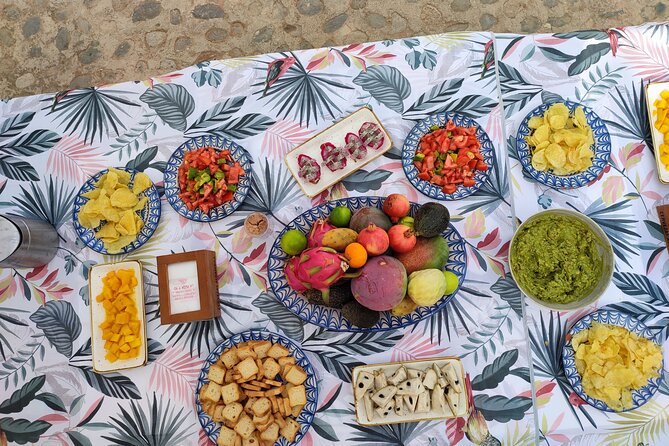
Fruit purchases receive a 15 percent discount. The farm also sells coffee and other local or farm products, depending on availability.
The tour information does not include local wine and tapas, so you should not expect those items to be part of the standard price. Some visits have included an optional tasting for an extra charge, but you should confirm the current arrangements when booking rather than assume it is included.
The shopping is a useful ending, not the main purpose of the outing. Fresh fruit gives you a chance to take home something directly tied to the visit, while farm coffee makes a fitting souvenir for anyone interested in the unusual crop.
Is $18.15 a fair price?
At $18.15 per person, this is a strong value if you are curious about tropical farming and want a short, personal outing. The price is modest for a guided visit, especially with a maximum group size of 15 and a discount on fruit purchases.
The value is less clear if your only goal is an in-depth coffee education. Since the farm includes many tropical crops, you may spend as much time learning about mangoes, avocados, bananas, and other trees as you do coffee.
That is not a weakness for the right audience. It simply makes the experience a mixed farm tour rather than a specialist coffee tasting. I would compare it with the cost of other short activities in the Malaga and Granada area, then ask yourself which sounds more memorable: another city walk, or a small farm where Europe’s northernmost coffee is grown.
The tour is often reserved about 12 days ahead, so do not leave it until the final morning of your trip if your dates are fixed. Free cancellation is available up to 24 hours before the start time. Changes or cancellations inside that period are not refunded, except when the operator cancels because of weather or an insufficient minimum group.
Who should book this farm visit?
I would recommend it to families, food-minded visitors, plant lovers, and anyone looking for a change from the usual Andalusian sights. Children have plenty of unusual fruit names to discover, and the guide’s easy style keeps the subject approachable.
It also suits people who enjoy meeting small producers and learning how food is grown. The farm’s sustainability discussion gives you something to think about after the walk, instead of leaving you with only a few photographs.
I would hesitate if you have serious pollen allergies, dislike slopes, or want a polished indoor coffee tasting. I would also avoid booking it without a clear plan for getting back to La Herradura or another town.
Should you book it?
Book this tour if the idea of coffee plants, tropical fruit, family farming, and a multilingual guide sounds better than a standard sightseeing stop. The best reason to go is the unusual combination: a small coffee project surrounded by a wide range of tropical crops in southern Spain.
Skip it if the phrase only coffee farm in Europe has led you to expect a large plantation or a coffee-only program. At $18.15, the risk is small, but your expectations need to match the experience. For the right visitor, this is an affordable, personal look at an agricultural project you are unlikely to find elsewhere in Europe.
FAQ
Where does the coffee farm tour take place?
The tour takes place near La Herradura, Spain, in Granada province. The listed starting point is Q723+V5 La Herradura.
How long does the tour last?
The expected duration is about one hour and 10 minutes to one hour and 30 minutes.
What language is the tour offered in?
The tour is offered in English. Manolo Mateos also speaks French, German, Spanish, and other languages.
How much does the tour cost?
The listed price is $18.15 per person.
What plants can I see during the visit?
You may see coffee, avocados, mangoes, custard apples, lychees, red bananas, macadamias, pitayas, and other tropical fruit trees. The farm grows up to 30 types of tropical fruit.
Is the tour suitable for children?
Families with children have taken the tour, including families with toddlers and young children. You should remember that the route includes a steep slope and requires moderate physical fitness.
Is the walk physically demanding?
The tour includes a steep slope, so comfortable closed shoes and good hydration are recommended. Avoiding the hottest hours is also advised.
Can I see wildlife during the tour?
You might see chameleons, eagles, partridges, owls, wild goats, or wild boars. Wildlife sightings are not guaranteed.
Are food and drinks included?
Local wine and tapas are not included. Farm products, including fruit and coffee, may be available to purchase, and you should confirm any optional tasting arrangements before booking.
Can I cancel for a refund?
You can cancel at least 24 hours before the start time for a full refund. Cancellations or changes made less than 24 hours before the experience are not refunded, unless the operator cancels because of poor weather or an insufficient minimum group.
Newly listed farm visits around Spain
- Animal farm park with free hotel pickup★ 5.0 · 2 reviews
- Bull Breeding Farm: Guided Half-Day Tour from Seville★ 4.5 · 24 reviews
- Olive Oil Farm Tour with Tasting from Seville★ 4.5 · 61 reviews
- From Seville: Pig Farm private day tour and old villages visit★ 4.5 · 4 reviews
- ” Basque Farm House & Cider house” tour + meal from San Sebastian★ 5.0 · 9 reviews
- Fuerteventura Villages Caves and Farm Tour with Lunch from North★ 3.0 · 9 reviews
- Menorca: Cheesemaking and Farm-Fresh Product Tasting★ 5.0 · 29 reviews
- Tropical Tour: Avocado & Mango Farm – Small group and tasting★ 5.0 · 38 reviews
Coffee Farm Tours, compared.
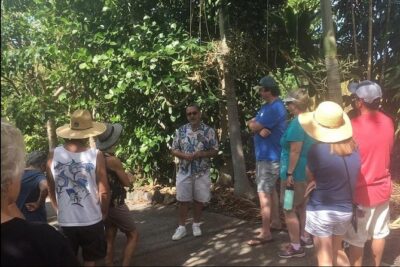
Award Winning Farm Tour: Coffee, Chocolate and Unique Gifts
Read our review →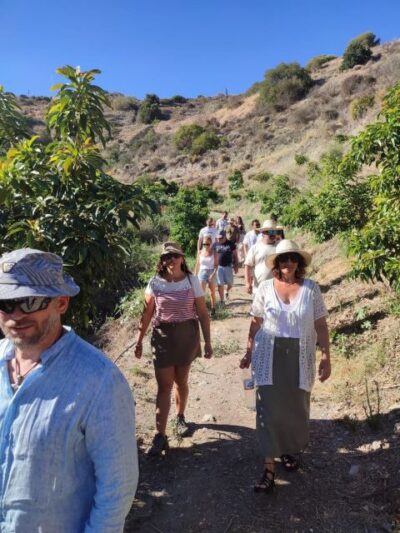
La Herradura Coffee Farm: tour in Europe’s only plantation
Read our review →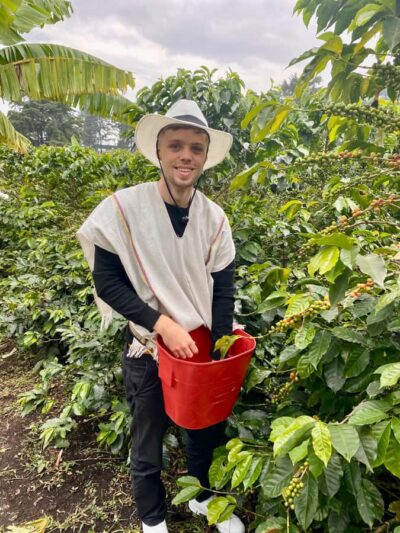
Medellín Coffee Farm Tour with Trolley and Cable Car Ride
Read our review →
Liamuiga Natural Farm Tour – St.Kitts’ Coffee Farm
Read our review →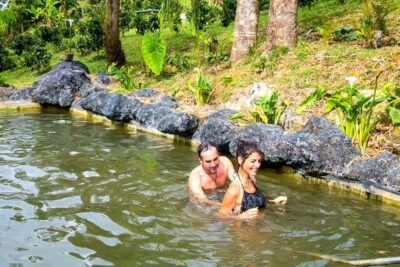
Horseback Riding Coffee Farm Tour with Coffee Spa
Read our review →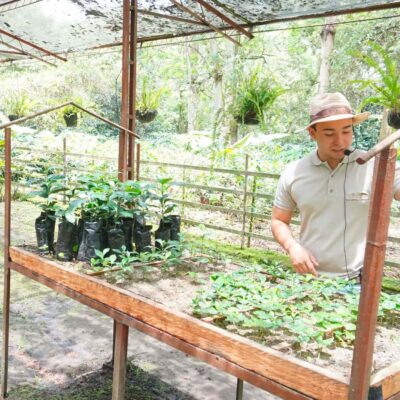
From Bogotá: Coffee Farm and Tequendama Falls Tour
Read our review →
Coffee Farm Tour with Roasting & Tasting Workshop – Da Lat
Read our review →
Browse the lists this tour appears in