
Review · EGYPT
Luxor: Farm Tour 30 Hectares(Breakfast With Arabian Horses)
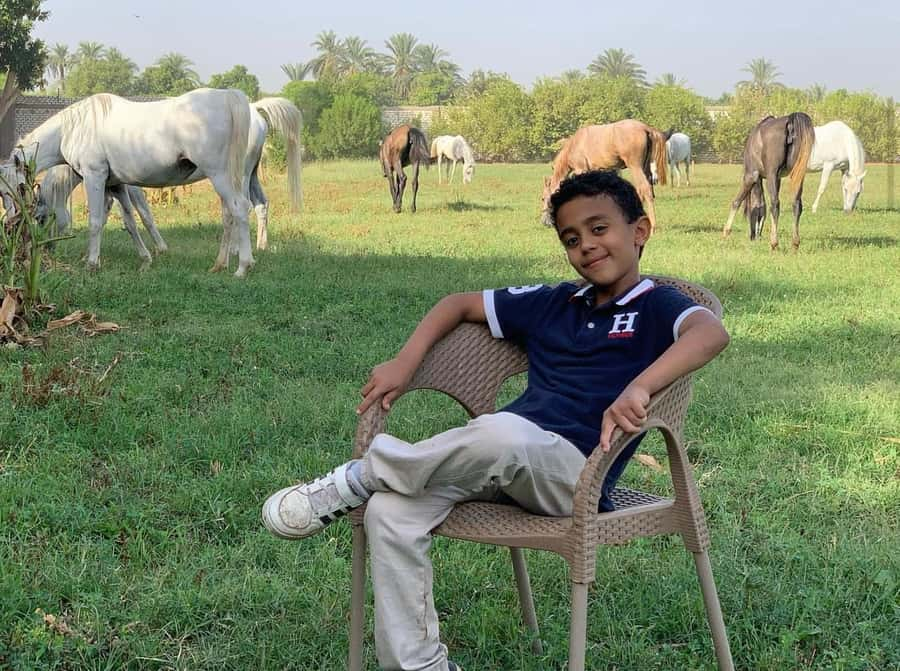
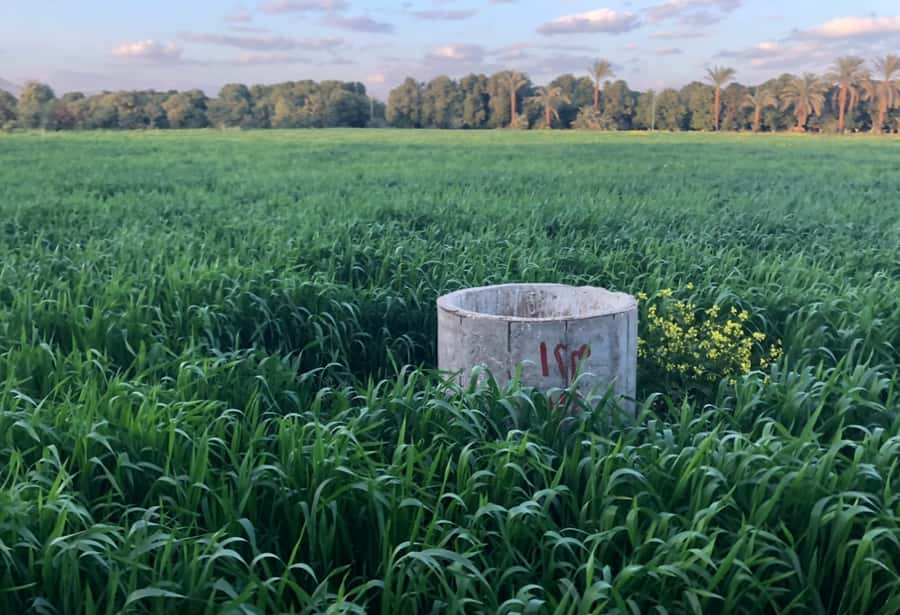
The main treat here is simple: you leave Luxor’s ancient monuments behind and spend time on a working family farm. At Al-Habib Farm, you eat Egyptian breakfast beneath a shaded kiosk, then walk among pure-bred Arabian horses, mango trees, bees, and everyday farm animals.
I like the personal feel of guides Abdo and Rajiv, who also work as hot-air balloon pilots, and I like the chance to taste farm products such as honey, fruit, goat cheese, and black honey. The main consideration is timing: two hours passes quickly, especially if you want to see the whole farm and spend time with the animals.
Key points
- Breakfast beneath the mango trees: Expect warm flatbread, local honey, black honey, fig jam, goat cheese, tea, and seasonal fruit.
- Arabian horses at close range: The farm keeps horses from young foals to full-grown stallions.
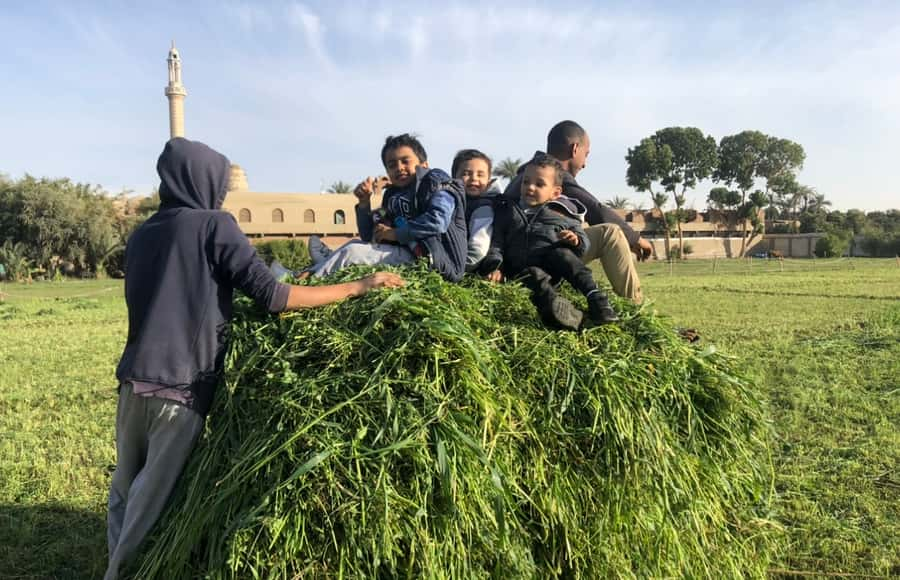
- A working organic farm: Walk past alfalfa fields, mango trees, bees, livestock, and poultry rather than visiting a staged attraction.
- Guides Abdo and Rajiv: They explain the farm and its animals in English or Arabic.
- Hotel pickup and return: Transport from Luxor is included, with about 20 minutes each way.
- Good value at $30: The price covers transport, food, drinks, guiding, and a two-hour visit.
A quiet change of pace on Luxor’s West Bank
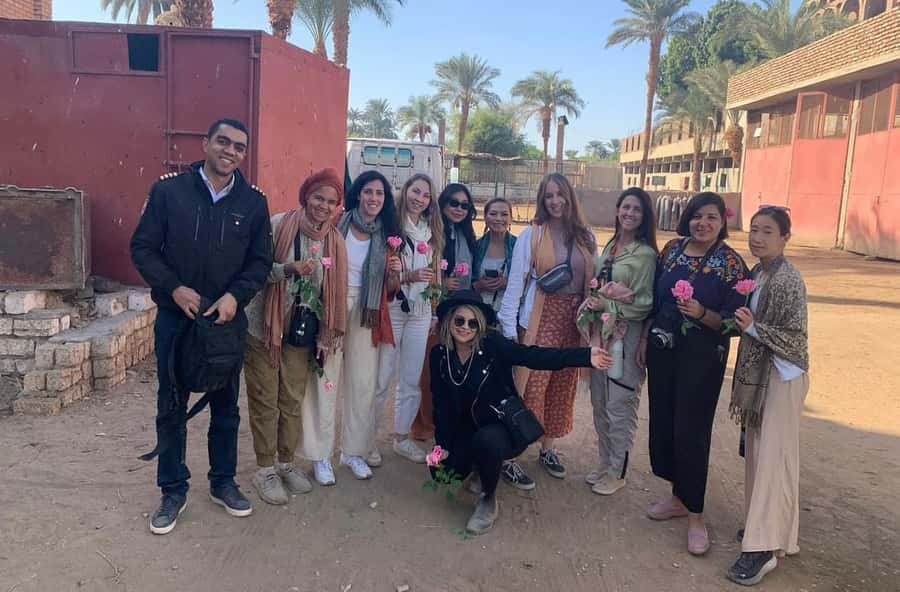
Luxor is famous for tombs, temples, and royal names carved into stone. This farm tour gives you a different view of the West Bank, one based on food, animals, crops, and daily rural life.
The farm, called Al-Habib Farm, covers a very large area. The information describes more than 50 hectares overall, with about 30 hectares devoted to mango trees and other crops. You will not cover all of it on foot in two hours, but you get a useful look at the planted fields and the family or cooperative operation behind them.
That change of pace matters. After the heat and crowds of the archaeological sites, sitting under shade with tea and fresh food can feel like a proper pause. I would not choose this in place of Luxor’s major sights, but it works well between temple visits or on a morning when you want something less formal.
More Horse Riding Trips in the world:
- Half-Day Thoroughbred Horse Farm Tour in Kentucky
★ 5.0 · 1,924 reviews - 5 tours in 1 (Eco Farm/Horseback/City Tour/Buggy/Zipline)
★ 4.5 · 1,443 reviews - Unique Horse Farm Tours with Insider Access to Private Farms
★ 5.0 · 1,192 reviews
The 20-minute ride from Luxor
Your day begins with pickup in Luxor. The drive to the farm takes about 20 minutes, followed by a similar return journey. Depending on where you are staying and the route used, the Nile crossing may be by bridge or by boat, although the practical details should be confirmed when you book.
That short transfer keeps the outing easy to fit into a busy Luxor schedule. You do not need to arrange a taxi, find the farm yourself, or work out transport back to your hotel.
The trip is listed as a two-hour activity, including the farm visit rather than just the time spent eating. If you want a leisurely breakfast, a full walk, close horse encounters, and time with the other animals, you may find the schedule fairly compact. Plan to stay focused once you arrive.
Breakfast under shade, with farm-made flavors
The visit begins with a traditional Egyptian breakfast in a shaded kiosk and tree canopy. The seating area looks toward the mango orchard and alfalfa fields, so your first view is of crops rather than a restaurant dining room.
The food is one of the strongest reasons to choose this outing. Expect fresh, warm flatbread, honey from the farm’s beehives, black honey made from sugarcane molasses, fig jam, fresh goat cheese or goat cheese cream, and tea flavored with homegrown mint.
Seasonal fruit may include mangoes, oranges, and lemons. The exact selection depends on the time of year, so do not book this expecting one fixed menu. The farm also grows Meyer lemons, figs, olives, and dates.
I like this part because it connects the meal to the place. You are not simply eating Egyptian food before a sightseeing stop. You are tasting products linked to the trees, hives, and animals around you. The warm bread and homemade honey also make the meal feel more personal than a standard hotel breakfast.
Water and other drinks are included. If you have dietary restrictions, ask ahead of time, since the advertised meal includes dairy, bread, honey, and fruit.
Meeting the Arabian horses
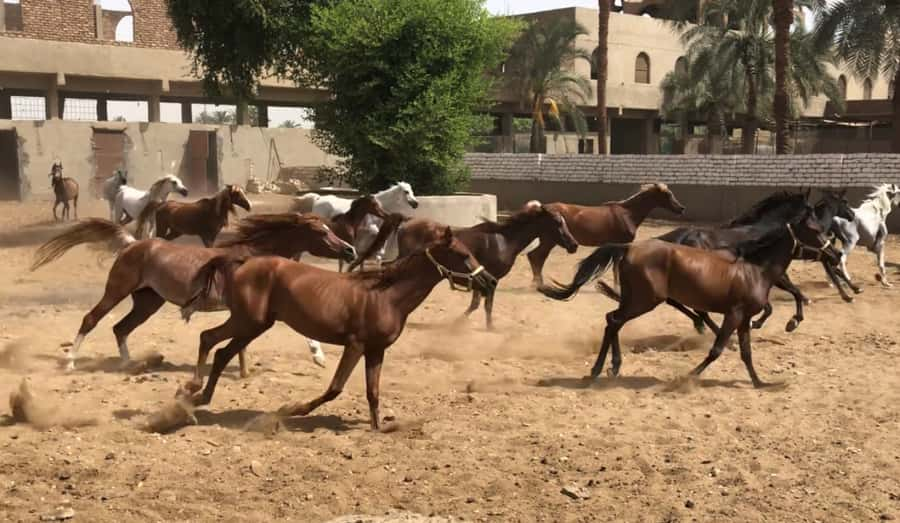
The horses are the star attraction. Al-Habib Farm has dozens of pure-bred Arabian horses, ranging from babies to mature stallions. You can get close to them and learn about the animals from the guide.
This is not presented as a formal riding lesson or a long equestrian excursion. It is a farm visit where horses are part of the daily setting. That distinction matters if you are looking for serious riding instruction. If you simply want to see Arabian horses at close range, the format should suit you better.
Horse riding may also be offered during the visit. One account describes being allowed a few rounds on horseback, but the supplied details do not promise a set riding session for every booking. Treat it as a possible extra rather than the main reason to reserve.
Families and animal lovers will likely get the most from this section. Children may enjoy seeing foals and larger horses in the same setting, though parents should remember that the farm is an active animal area rather than a theme park. Follow the guide’s instructions around the horses, especially the stallions.
More farm tours around the world:
- Half-Day Thai Cooking Class at Organic Farm in Chiang Mai
★ 5.0 · 19,087 reviews - Florence Pizza or Pasta Class with Gelato Making at a Tuscan Farm
★ 5.0 · 6,801 reviews - From Porto: 2 Wine Regions, Farm-to-Table Lunch & Boat
★ 4.9 · 5,724 reviews - Cooking Class and Lunch at a Tuscan Farmhouse with Local Market Tour from Florence
★ 5.0 · 4,831 reviews
Beyond the horses: goats, bees, birds, and a camel
The farm’s animal collection is broader than its horse program. You can meet cows, sheep, goats, chickens, ducks, bees, and a camel.
These are ordinary farm animals, and that is precisely the appeal. You get a look at the mix of livestock and crops that supports rural life in Egypt. The visit is not built around one polished exhibit. You move through a real agricultural setting where different parts of the farm support one another.
The bees are especially interesting because the honey appears at breakfast. That small link between seeing the hives and tasting the honey helps make the farm feel like a working place rather than a backdrop for tourists.
The camel is another memorable stop, although no camel ride is included in the stated program. You can see the animal as part of the farm’s collection, but do not assume a riding experience.
Walking through mango country
Mango trees cover a substantial part of the farm. The description refers to about 30 hectares of mango plantation and a wide range of mango trees. One account mentions 62 types, while the activity information refers to 25 different mango trees, so the exact count is not fully consistent.
The useful point is that you will see a large and varied mango-growing area, not just a few trees near the breakfast table. The guide can explain the planting and fruit production as you walk.
The orchard also provides the best natural shade on the property. Luxor can be intensely hot, especially in the brighter months, so time beneath the mango branches is not just pleasant. It helps make the visit manageable.
The farm grows other fruit and crops as well. Meyer lemons, figs, olives, dates, oranges, and alfalfa are all part of the agricultural setting. Depending on the season, some fruit may be available to taste, but you should not expect every crop to be ripe during every visit.
Wear comfortable shoes that can handle an uneven farm path. Bring sun protection, even though the tour offers shaded areas. A hat, water, and light clothing will make the walking more comfortable.
Guides who connect the farm to Luxor
The tour is available in Arabic and English. Abdo and Rajiv are identified as guides, and both also work as experienced hot-air balloon pilots. That gives them a useful connection to the West Bank and its rural setting, even though the farm tour itself stays on the ground.
The guide’s role is important here. Without explanation, a walk through trees and animal enclosures could feel brief. With context, you can understand what is being grown, how the farm is organized, and how the animals fit into the property.
The supplied feedback points to a relaxed style in which the guide explains the farm and then gives you room to wander. That balance suits this experience. You get direction at the start, but you are not hurried from one photo stop to the next.
If you want a tightly scripted tour with exact departure times and a long list of formal sights, this may feel informal. If you prefer conversation and a chance to look around at your own pace, the format is a better match.
What the two-hour schedule feels like
The basic rhythm is straightforward:
- Pickup in Luxor
- About 20 minutes by van to the farm
- Egyptian breakfast beneath the shaded kiosk
- Guided walk through the crops and animal areas
- Time with the Arabian horses and other animals
- Return transfer to Luxor
The stated two-hour duration appears to cover the central farm experience, with transport taking about 20 minutes each way. Confirm the exact pickup time when booking, since available starting times vary.
Do not expect a full agricultural study tour. The farm is large, but the scheduled visit is short. You will see selected areas, enjoy breakfast, and meet the main animals rather than inspect every field.
I would choose an early starting time if available. The shade helps, but walking around animals and orchards is more comfortable before the strongest heat. The activity can also work in the afternoon if your schedule requires it, provided you are prepared for sun.
Is $30 a fair price?
At $30 per person, the value is good if you want several elements in one short outing. The price includes hotel pickup and return, the guide, breakfast, water and drinks, access to the farm, and close contact with the animals.
Transport alone can make short Luxor excursions less convenient to arrange independently. Add a full meal and a guided visit, and the package becomes easier to justify.
The value is less clear if you only want a quick horse photo. This is not a dedicated riding trip, and the farm is not marketed as an intensive equestrian center. You are paying for the full setting: food, crops, animals, guiding, and transport.
The experience has a top rating from four supplied bookings, with particular praise for the guide, the breakfast, the Arabian horses, and the mango orchard. That is a small sample, so I would treat it as encouraging rather than definitive. Still, the positive pattern is clear: the strongest parts are the personal welcome, the meal, and the chance to see a working farm.
Who should book this farm visit?
I would recommend it to:
- Families who want a break from tombs and temples
- People interested in Arabian horses
- Visitors who enjoy food connected to local farming
- Anyone looking for a quieter West Bank activity
- First-time visitors who want a glimpse of present-day rural Egypt
- Visitors with a two-hour gap in their Luxor schedule
It may not be right for you if your main goal is extended horseback riding, professional farm instruction, or a long countryside walk. The visit is short and informal, and some parts depend on the season and the day’s farm conditions.
The tour is listed as wheelchair accessible, but farm surfaces can vary. If you use a wheelchair or have limited mobility, contact the provider before booking so you can confirm which parts of the orchard and animal areas are practical on your date.
Free cancellation is available up to 24 hours before the activity, and you can reserve now and pay later. Those terms are useful if your Luxor plans may shift.
My take on the Al-Habib Farm experience
I like this tour because it gives you something Luxor’s major monuments cannot: time around ordinary food, working crops, and animals cared for by local people. The breakfast is more than a convenient meal, and the mango orchard gives the short visit a strong sense of place.
The best moments are likely to be sitting under the canopy with warm bread and farm honey, then walking over to the Arabian horses. Abdo and Rajiv add a personal touch, and the small details, such as mint tea, goat cheese, figs, and black honey, make the experience easier to remember.
My one caution is the duration. Two hours is enough for an introduction, but not enough for a slow tour of a 30-hectare plantation, a long horse ride, and a full look at every animal. Book it for a taste of farm life, not an all-day rural expedition.
If that sounds like the kind of contrast you want after Luxor’s temples, I would book it. If you want a serious riding program, choose a specialist horse excursion instead.
FAQ
How long does the farm tour last?
The farm activity lasts two hours. The van journey takes about 20 minutes each way between Luxor and the farm.
What is included in the $30 price?
The price includes pickup and drop-off in Luxor, a traditional Egyptian breakfast, water and drinks, a guided farm visit, and access to the animals and plantation areas.
What animals can I see at Al-Habib Farm?
You can see pure-bred Arabian horses, cows, sheep, goats, chickens, ducks, bees, and a camel. The horses include young foals and mature stallions.
Is horse riding included?
Horse riding may be available during the visit, and a few rounds on horseback have been offered. A guaranteed riding session is not specifically stated, so confirm this with the provider before booking.
What food is served for breakfast?
The breakfast can include warm flatbread, honey from the farm’s beehives, black honey, fig jam, goat cheese, tea with fresh mint, and seasonal fruit such as mangoes, oranges, and lemons.
Is the activity available in English?
Yes. The tour is offered in English and Arabic, with guides including Abdo and Rajiv.
Newly listed farm visits around the world
- Half-Day Farm Visit and Cow Milking Experience★ 5.0 · 16 reviews
- Cozy Farm Experience with Wagon Wheels and Acoustic Meal★ 5.0 · 2 reviews
- Boutique tour , Mt Maunganui, NZ farm, Rotorua lakes/geothermal★ 4.5 · 50 reviews
- Gourmet Mushroom Farm Tour in Tennessee★ 5.0 · 5 reviews
- Animal farm park with free hotel pickup★ 5.0 · 2 reviews
- Alpaca Farm Tours with Toffeemont★ 5.0 · 8 reviews
- Private, via beaches, Kiwi farm to Rotorua 8 lakes & Geothermal★ 5.0 · 20 reviews
- 1D Tour to Cingjing Farm from Taichung★ 4.5 · 3 reviews
Egypt Farm Tours, compared.
Traditional Egyptian Breakfast at the AlHabib Arabian Horse Farm
Read our review →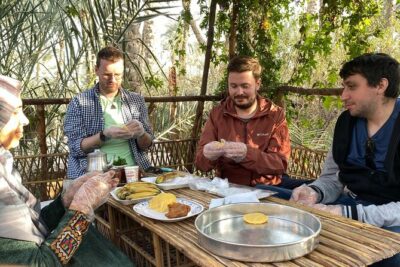
A day like a farmer in Dahsure countryside with locals
Read our review →
Half-Day Trip to Egyptian Green Farm from Cairo with Breakfast
Read our review →
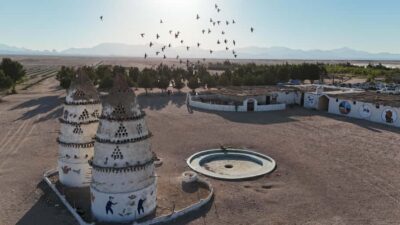
Hurghada: Desert Farm Tour with Breakfast at Scorpion Camp
Read our review →
Hurghada: Jeep Safari, Tree Planting & Farm-to-Table Lunch
Read our review →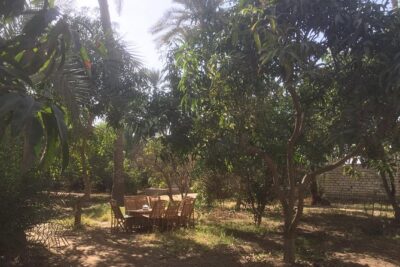
Farm-To-Table Tour With An Adventure To Bent & Red Pyramids
Read our review →Browse the lists this tour appears in