
Review · NEW ZEALAND
Merino Farm Experience
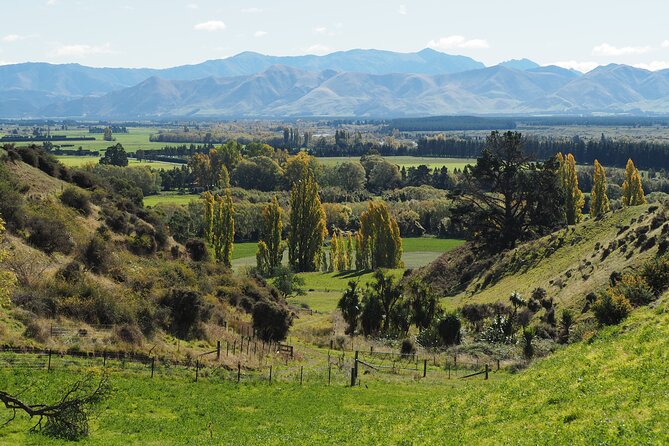
What makes this Canterbury experience special is its hands-on look at real farm life. You do not just point a camera at sheep from a roadside stop. You visit the woolshed, touch superfine wool, meet working dogs, walk through flower and vegetable gardens, and feed the farm’s pet sheep. The family has operated this property since 1884, and Scotty, Terry, or Maria leads you around it.
I like two things in particular: the small group limit of eight, which keeps the visit personal, and the variety packed into 90 minutes. You get animals, farming, wool, gardens, and wide views toward the Southern Alps and rivers. The main consideration is simple: this is a short working-farm visit, not a full-day farm stay. If you want a long rural outing or a broad set of activities, the timing may feel tight.
Key points to know before you book
- Family-run since 1884: The owners guide you around their own sheep and cattle property.
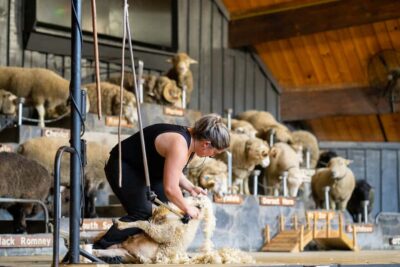
- Wool you can touch: Visit the woolshed and learn how merino sheep are shorn and what the superfine wool becomes.
- Small groups: A maximum of eight people makes the tour more relaxed and personal.
- Real animal contact: Feed friendly sheep, meet working dogs, and take photos with the pet sheep.
- Views from the hilltop: The high point gives you panoramas of the Southern Alps and nearby rivers.
- A tidy 90-minute visit: You see several parts of the farm without giving up most of your day.
A working farm rather than a staged attraction
At Hurunui Hills, the appeal comes from seeing a place that still functions as a farm. Sheep and, at times, cattle roam the fields. The people guiding you are the family owners and operators, so the visit connects the animals, the wool, the property, and the family’s long connection to the land.
That matters if you want more than a quick photo stop. You can ask about the work behind the scenes, see where sheep are shorn, and handle the wool itself. The experience gives you a clearer idea of how a familiar New Zealand symbol, the merino sheep, fits into everyday rural life.
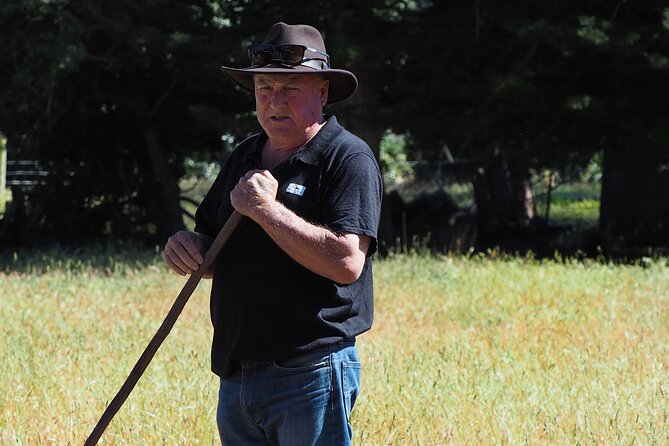
The tour begins at 1038 Karaka Road in Hurunui, Canterbury, and ends back at the same meeting point. Scotty, Terry, or Maria meets you there and leads the visit. Since the group can have no more than eight people, you should have a better chance to hear the guide and ask questions than you would on a large coach outing.
More farm tours around New Zealand:
- Queenstown: Queenstown Lake Cruise and Walter Peak Farm Tour
★ 4.8 · 950 reviews - Dinner at Walter Peak High Country Farm and Cruise from Queenstown
★ 4.5 · 576 reviews - Queenstown Lake Cruise and Walter Peak Farm Adventure
★ 4.5 · 439 reviews
Stop one: fields, sheep, and cattle
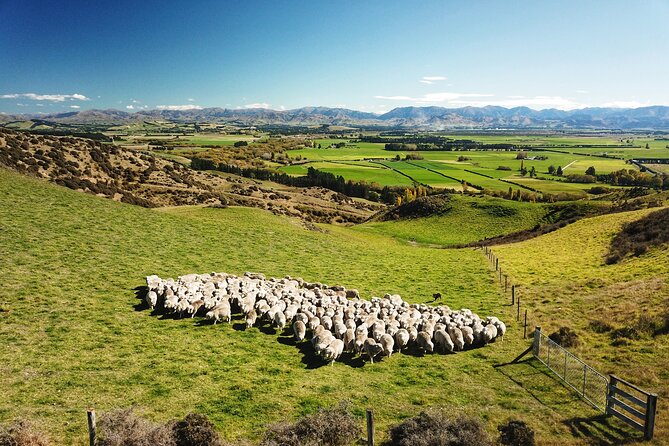
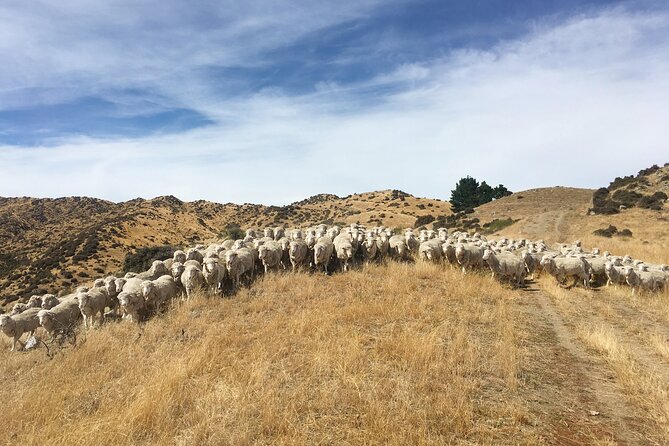
The first part takes you out to see the animals in the fields. This is the broad introduction to the farm, giving you a sense of the property before the more focused stops begin.
The sheep are the main attraction, but cattle may also be present. The exact animal activity can vary, since this is a working property rather than an animal park with a fixed display. That is part of the charm, but it also means you should arrive ready for a genuine farm visit, not a carefully timed animal show.
I would pay attention to the setting here. The animals are part of the wider property, and the field views help explain the scale and work of sheep farming. If you are bringing children, this opening section gives them something concrete to watch before the tour moves indoors to the woolshed.
Stop two: inside the woolshed
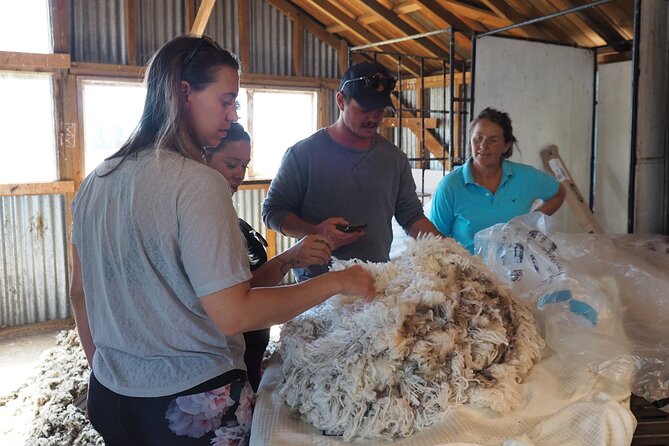
The woolshed is the most useful stop for understanding the farm’s main product. You learn how sheep are shorn and get to touch the superfine merino wool. That physical contact makes the subject much easier to understand than simply seeing finished garments in a shop.
You also learn what the wool is made into. The farm’s product is not treated as an abstract export or a souvenir label. You see the link between the sheep in the field, the shearing process, the raw fleece, and the items produced from it.
Merino wool is known for its fine feel, so this is a good place to compare what you expect from wool with what is actually in your hand. It also adds practical context to the farm’s work. The woolshed is not just a backdrop for photos. It explains why the animals, their care, and the shearing process matter.
If you are especially interested in farming or textiles, this part may be the highlight. If you prefer outdoor scenery, the hilltop stop will likely be more memorable. The useful thing is that the tour gives you both.
Stop three: the hilltop view
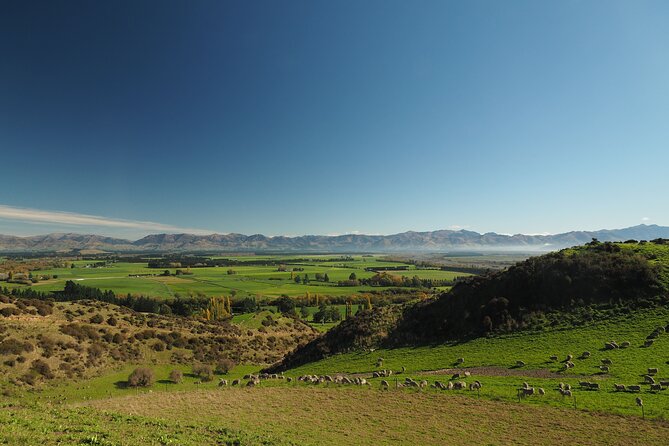
The farm’s high point provides views across the surrounding area, including the Southern Alps and rivers. This is the broad scenic pause in the visit, and it helps you see the farm as part of the wider Canterbury setting.
The view is also a welcome change of pace after the woolshed. You move from close-up details, such as wool fibers and shearing, to a much wider sense of place. Take a moment here rather than treating it as a quick photo stop. The panoramic outlook is one of the strongest reasons to include this experience in a Canterbury day.
The supplied information does not specify the walking distance or the exact terrain to the hilltop, so you should be prepared for an outdoor farm setting. If you need particular mobility arrangements, contact the operator before booking. Service animals are allowed, and most people can participate.
Same countryside, another kind of harvest:
- Rotorua: Authentic Kiwi Farm Experience at the Agrodome
★ 4.8 · 270 reviews - Agrodome Farm Experience including Farm Show and Farm Tour – Rotorua
★ 4.5 · 197 reviews - Shamarra Alpaca Farm Tours
★ 5.0 · 117 reviews - Nelson: Guided Quad Biking Tour Through Forest and Farmland
★ 4.8 · 106 reviews
Stop four: meeting the working dogs
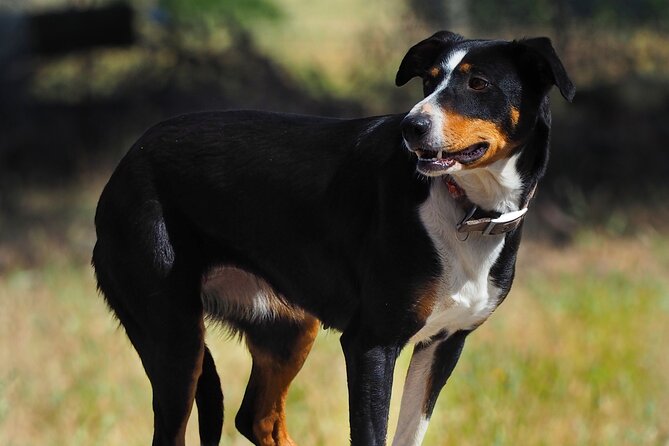
Working dogs are a practical part of farm life, and meeting them helps show how the property operates. These are not simply animals placed on display. They are connected to the daily work of moving and managing sheep.
For many people, this will be a highlight because it adds another layer to the farm story. Sheep farming depends on more than the sheep themselves. The dogs, people, sheds, fields, and equipment all fit together.
The information does not promise a demonstration of the dogs at work, so I would not book expecting a formal herding show. Think of this as a chance to meet the farm’s working companions and learn where they fit in the operation.
Stop five: flower and vegetable gardens
The gardens bring a quieter, more domestic side of farm life into the visit. You walk through both flower and vegetable gardens, seeing a part of the property that has little to do with wool production but much to do with how people live on a rural farm.
I like this stop because it keeps the experience from becoming only sheep, sheds, and hill views. The flowers and vegetables show the everyday side of the family property. They also give you a break from the more active animal encounters.
The garden walk may appeal most to adults who enjoy homes, plants, and rural routines. It is also a useful reminder that a farm is a place where people live, not just a business viewed from outside.
Stop six: feeding the pet sheep
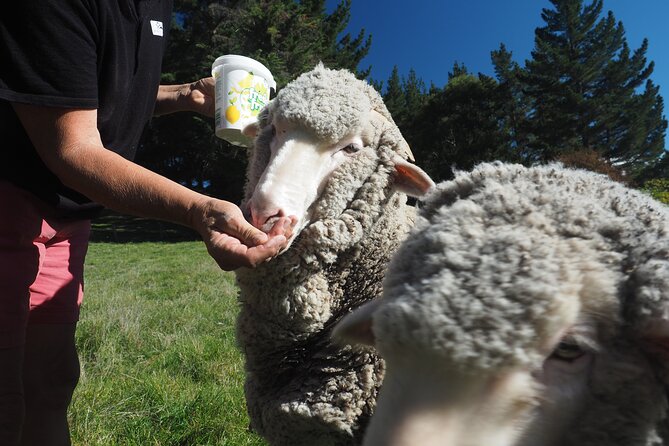
The final animal encounter is especially hands-on. You meet the farm’s pet sheep, feed them, touch their wool, and take pictures. This is the most direct interaction of the tour, and it gives you the chance to compare the living animal with the wool you handled earlier in the woolshed.
You should expect friendly farm animals, but remember that animal behavior can vary. Follow the guide’s instructions, especially when feeding or touching the sheep. The chance to take a selfie makes this a natural final stop, with a personal photo to go along with the wider hilltop views.
This section may be the main reason families choose the experience. It also works well for anyone who wants more than scenery. You are not just looking at the farm. You are taking part in a small, supervised part of its routine.
Why the small group size matters
The maximum group size is eight people. That is a meaningful advantage for this kind of visit. A family-run farm has many small details to explain, and a smaller group makes it easier to hear what Scotty, Terry, or Maria is saying.
The experience can also feel more relaxed with fewer people moving between the fields, woolshed, gardens, and animals. One person’s question may add something useful for everyone else. A small group often makes the visit feel less like a scheduled attraction and more like a personal introduction to the property.
Private tours can be arranged by request. The details of private-tour pricing and scheduling are not provided, so you will need to ask Scotty B Tours directly if you want that option.
Is $58.95 good value for 90 minutes?
At $58.95 per person, this is not the cheapest way to spend an hour and a half in Canterbury. The value depends on what you want from the visit.
You are paying for a guided look at a family farm with a long connection to the property. The experience includes several distinct elements: field animals, a woolshed visit, wool handling, hilltop views, working dogs, gardens, and feeding the pet sheep. It is more than a single animal encounter, but it is still a short activity.
I think the price makes the most sense if you care about direct contact with rural New Zealand and prefer a small group to a large attraction. The wool explanation also gives the tour more substance than a simple farm photo stop. If you only want scenic views, you may find other Canterbury stops more suitable. If you want to understand farming and meet the animals, the price is easier to justify.
The tour includes admission, and confirmation is provided when you book. Free cancellation is available if you cancel at least 24 hours before the start time. Changes or cancellations made less than 24 hours before the start time are not accepted for a refund.
Who will enjoy this farm visit most?
I would recommend it to families, couples, solo visitors, and anyone curious about the farming traditions behind New Zealand’s merino wool. The range of stops gives different people something to enjoy. Children get sheep and dogs, photographers get the hilltop, and adults interested in textiles get the woolshed.
It is also a good choice if you want a short activity that fits around other Canterbury plans. At about 90 minutes, it does not take over the day. You return to the same meeting point, which keeps the visit simple.
You may want to choose another activity if you need a long, slow farm stay, a full shearing demonstration, or a guaranteed cattle encounter. The tour includes learning about shearing, but the information does not promise that sheep will be shorn during your visit. Cattle may be seen, but they are not the main focus.
Practical details that affect your choice
The meeting point is 1038 Karaka Road, Hurunui 7385, New Zealand. The tour ends at that same location, so plan your route around getting there rather than expecting transport from another part of Canterbury.
A mobile ticket is available, and confirmation arrives at booking. Service animals are allowed, and most people can take part. Since the visit takes place on a working farm, wear clothing and footwear that suit an outdoor setting, although the supplied details do not state a formal dress requirement.
The small group limit is worth keeping in mind when choosing your date. With no more than eight people, spaces may be limited, particularly if you want a private tour. The operator is Scotty B Tours, and the guides may be Scotty, Terry, or Maria.
Should you book the Merino Farm Experience?
Book it if you want a personal, hands-on farm visit rather than a polished attraction. The mix is strong: sheep and cattle in the fields, a useful woolshed visit, superfine wool to touch, views of the Southern Alps and rivers, working dogs, gardens, and friendly pet sheep to feed.
The main decision comes down to length and focus. Ninety minutes is enough for a well-rounded introduction, but not enough for a full day of farm life. For a compact Canterbury activity with a maximum of eight people, a family connection dating to 1884, and several chances to interact with the property, I think it is a sensible choice.
FAQ
Where does the Merino Farm Experience begin?
It begins at 1038 Karaka Road, Hurunui 7385, New Zealand.
Where does the experience end?
The activity ends back at the meeting point on Karaka Road.
How long does the tour last?
The experience lasts approximately 1 hour and 30 minutes.
How many people can join the tour?
The maximum group size is eight people.
Who leads the experience?
Scotty, Terry, or Maria meets you and leads the tour. They are family owners and operators of the property.
Can I cancel for a full refund?
Yes. You can cancel at least 24 hours before the experience start time for a full refund. Cancellations or changes made less than 24 hours before the start time are not accepted for a refund.
Newly listed farm visits around New Zealand
- Boutique tour , Mt Maunganui, NZ farm, Rotorua lakes/geothermal★ 4.5 · 50 reviews
- Private, via beaches, Kiwi farm to Rotorua 8 lakes & Geothermal★ 5.0 · 20 reviews
- Queenstown Lake Cruise to Walter Peak Farm with BBQ Buffet★ 4.5 · 25 reviews
- Queenstown: Walter Peak Farm Tour and Lake Cruise★ 5.0 · 5 reviews
- Wool Sheep Farm Experience with Handmade Wool Hat in New Zealand★ 5.0 · 9 reviews
- Bullswool Heritage Farm General Entry Ticket★ 5.0 · 6 reviews
- Mt. Hay Farm Experience Genuine Country Farming(Carbon Positive)★ 4.0 · 2 reviews
- Lyttelton Cruise Excursions: Christchurch Sightseeing with Sheep Farm★ 3.5 · 20 reviews
New Zealand Farm Tours, compared.
Rotorua: Authentic Kiwi Farm Experience at the Agrodome
Read our review →
Agrodome Farm Experience including Farm Show and Farm Tour – Rotorua
Read our review →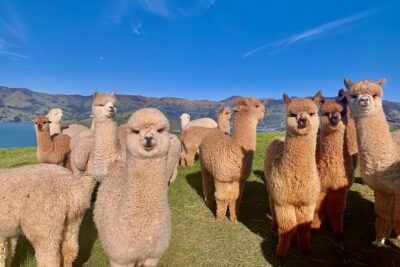
Sheep Farm Day Trip from Christchurch + Lunch and Winery visit.
Read our review →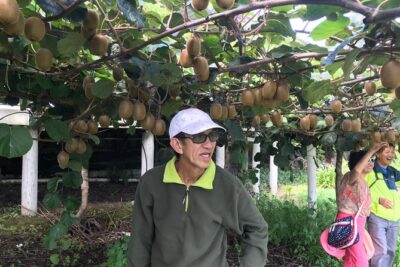
Boutique tour , Mt Maunganui, NZ farm, Rotorua lakes/geothermal
Read our review →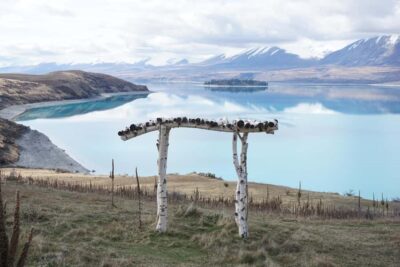
Lake Tekapo High Country Farm Tour (Carbon Positive)
Read our review →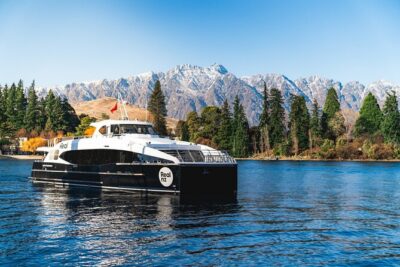
Queenstown Lake Cruise to Walter Peak Farm with BBQ Buffet
Read our review →Browse the lists this tour appears in