
Review · INDONESIA
Nusa Penida: Ecotourism, Seaweed Farming & East Tour
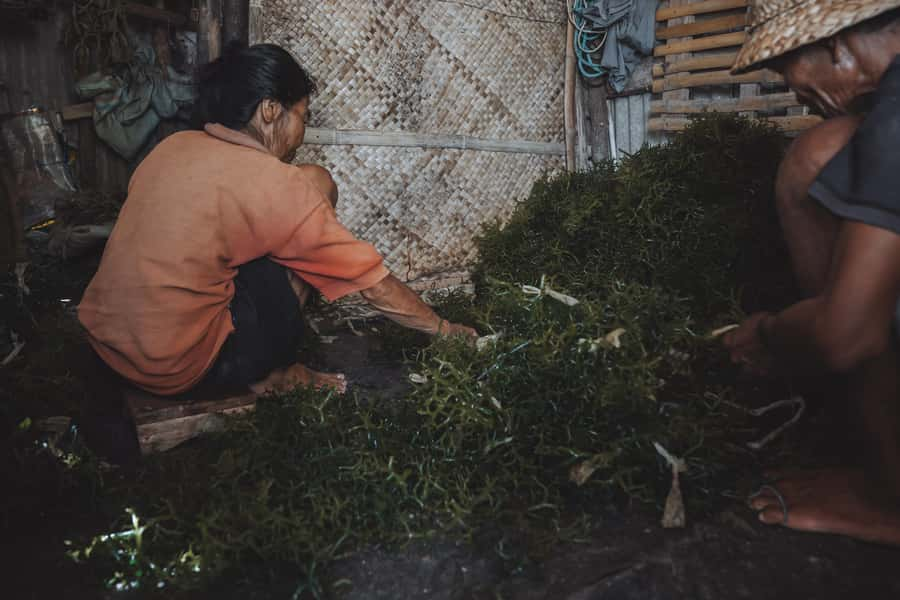
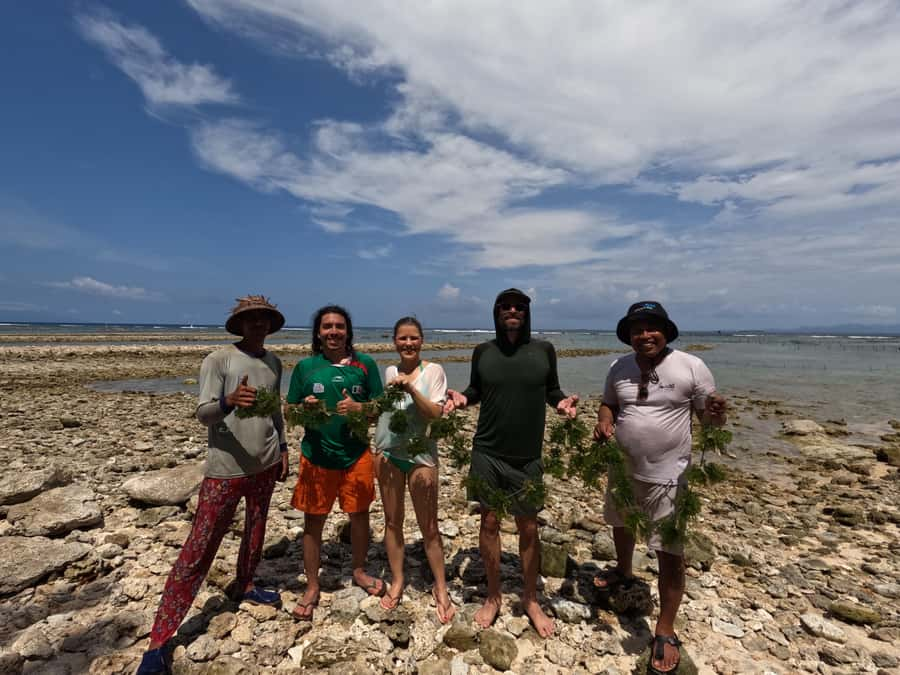
Seaweed farming is the heart of this East Nusa Penida outing. You get to tie and plant seaweed with local farmers, learn how it is prepared and used, and see how conservation supports island livelihoods. The day also brings you to Atuh Beach, Diamond Beach, and the famous Treehouse.
I like the hands-on farm visit, which gives you something useful to do rather than another quick photo stop. I also like the small group of eight, plus guide Festi’s willingness to answer questions and fit in Giri Putri Cave when time allowed. The main drawback is that the six-hour schedule combines farming, conservation, lunch, and several sights, so each stop may feel fairly brief.
Key points at a glance
- Tie and plant real seaweed: Learn directly from a local farmer and take part in the work.
- See a decade of conservation: Hear about the community’s long-running coral recovery efforts.
- Visit East Penida’s famous beaches: Atuh Beach and Diamond Beach bring the big coastal views.
- Meet the island community: Lunch at a farmer’s home may be part of the local welcome.
- Keep the group small: A maximum of eight people makes questions and conversation easier.
- Pay $73 for a full half-day: Transport, food, drinks, fees, guiding, and activities are included.
Seaweed farming before the postcard beaches
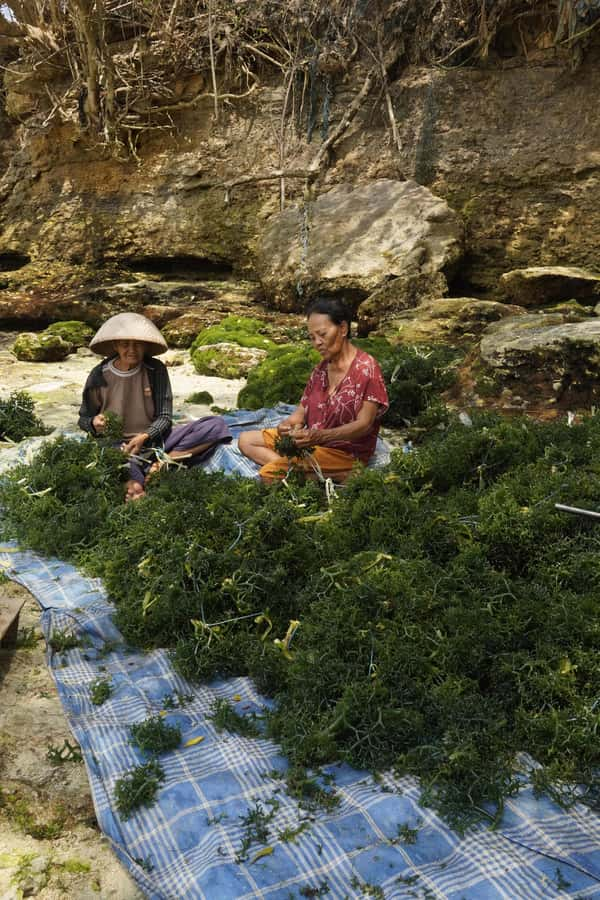
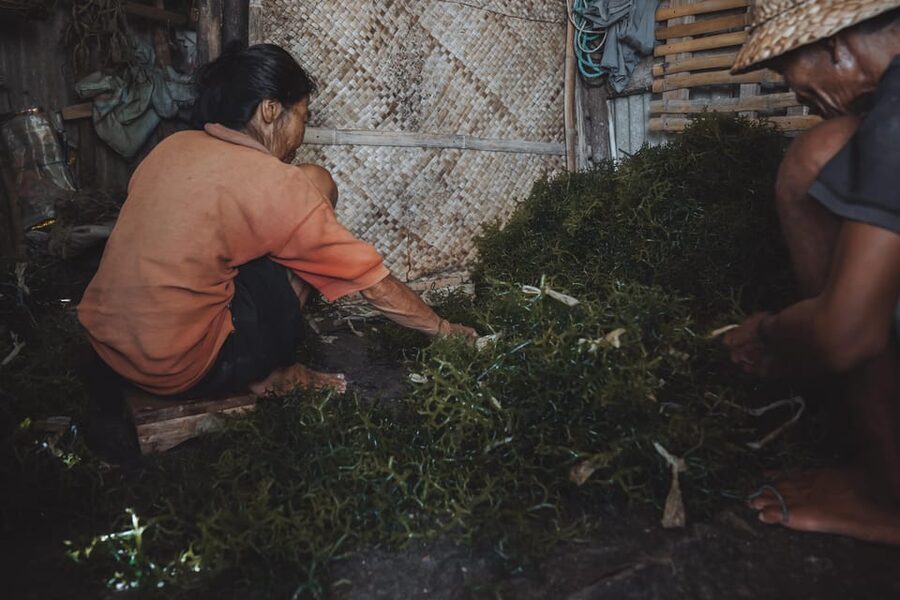
Many East Nusa Penida tours hurry from one viewpoint to the next. This one begins with work that keeps the coast connected to daily life. You learn how local farmers grow and harvest seaweed, then help with tying and planting it.
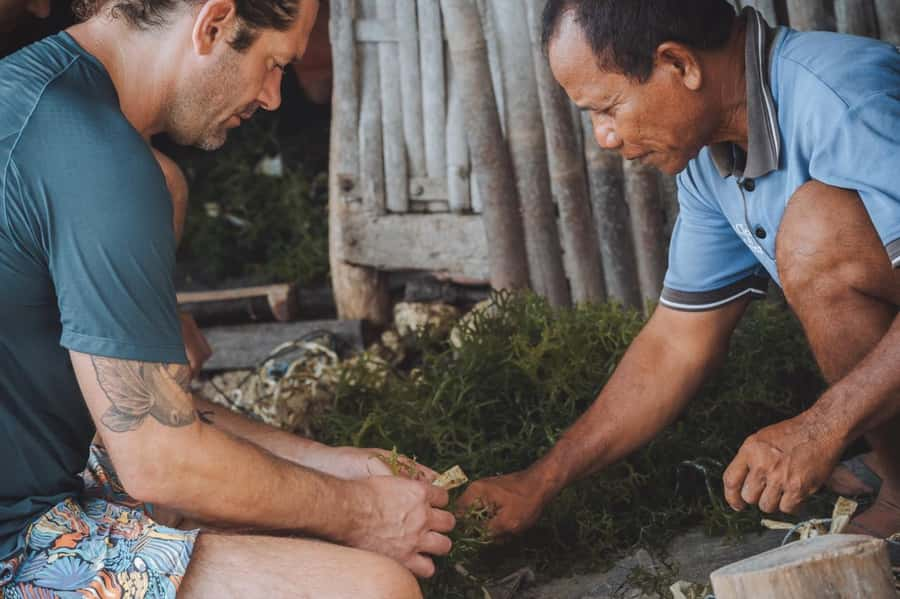
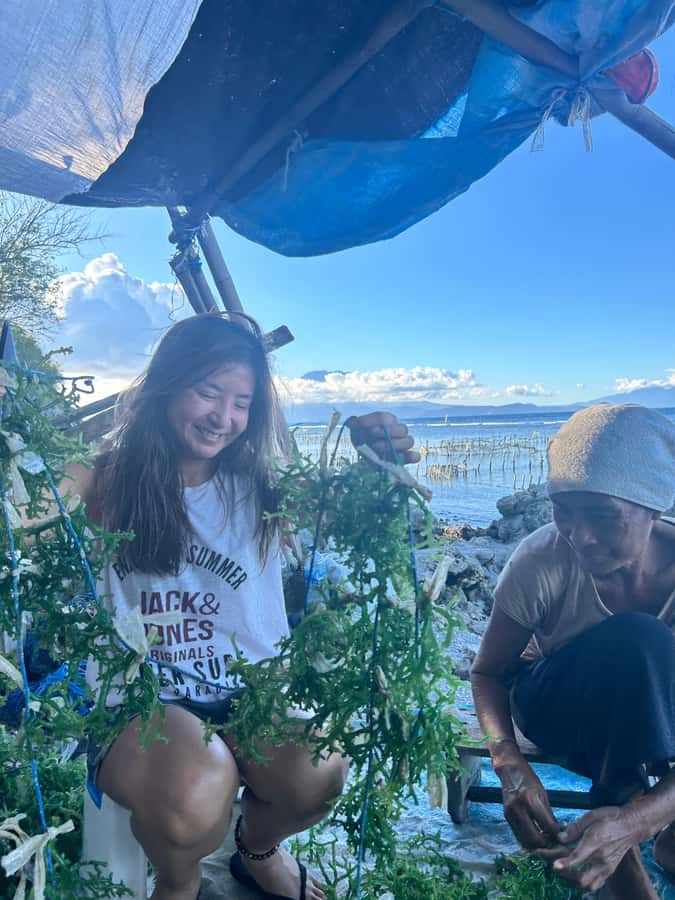
That practical session is the main reason to choose this outing. You are not simply watching a demonstration. You may handle the seaweed, prepare it, and take part in the same basic work carried out by the farming community. The pace and exact tasks can vary, but the experience is built around participation.
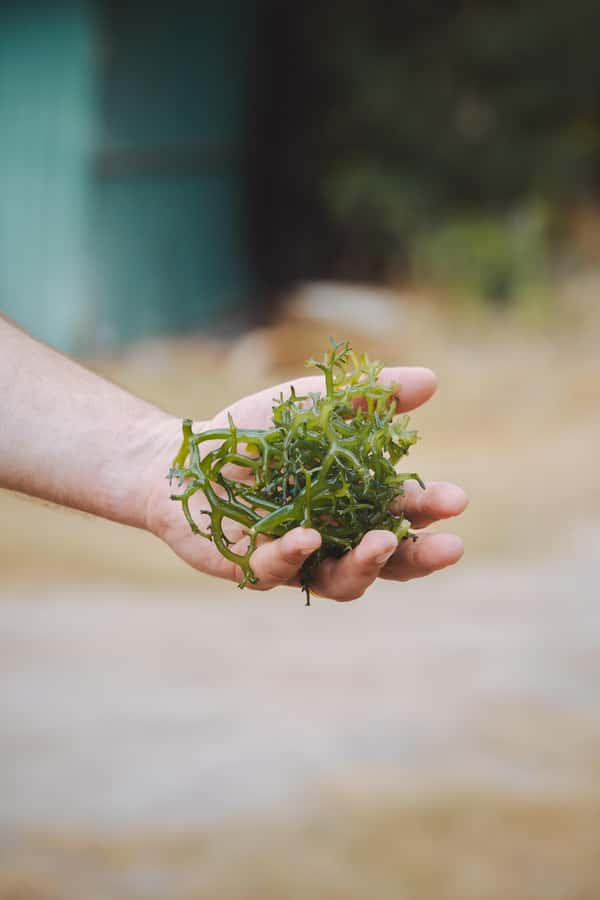
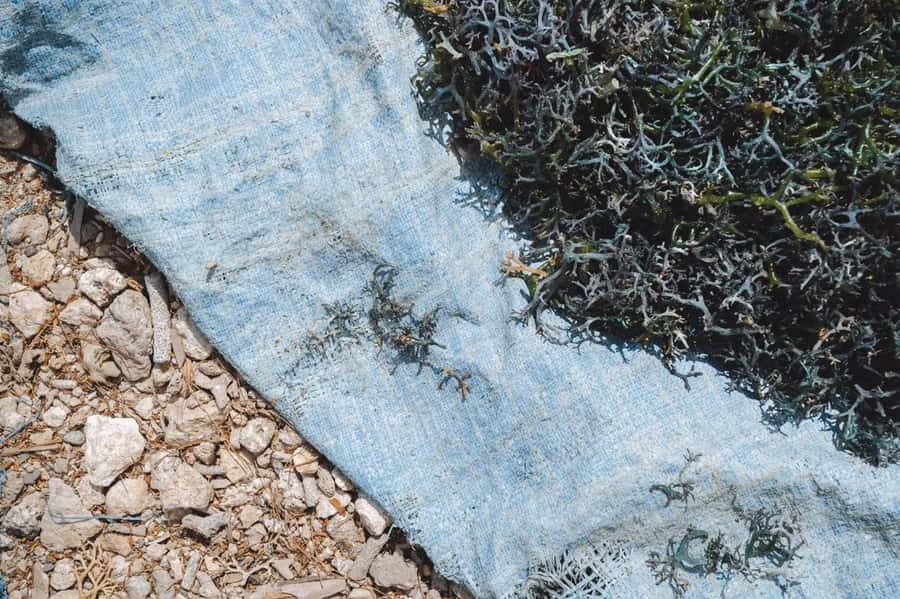
Seaweed matters here for two reasons. It is an ocean resource that can be farmed without the same demands as many land crops, and it provides income for local families. The tour explains its uses and shows how farming fits into the wider effort to care for the coast.
I would not expect a polished classroom lesson. This is a community visit, not a formal agricultural museum. That is part of its appeal, though it also means the experience can feel more practical and less staged. Come ready to listen, ask questions, and get your hands involved.
More farm tours around the world:
- Half-Day Thai Cooking Class at Organic Farm in Chiang Mai
★ 5.0 · 19,087 reviews - Florence Pizza or Pasta Class with Gelato Making at a Tuscan Farm
★ 5.0 · 6,801 reviews - From Porto: 2 Wine Regions, Farm-to-Table Lunch & Boat
★ 4.9 · 5,724 reviews
Meeting the farmers in their own community
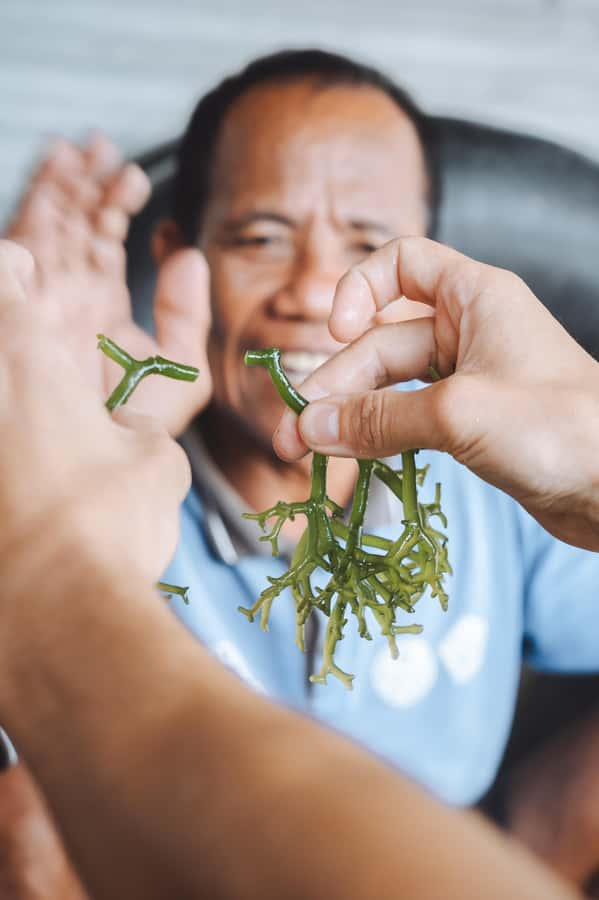
A strong part of the day is the chance to meet the people who do this work. One local farmer has welcomed visitors to eat lunch at his home, giving the meal a more personal setting than a standard restaurant stop.
That invitation cannot be treated as a guaranteed feature of every departure, but it shows the kind of contact this tour aims to create. You get a closer look at island life, not just a scenic view of the coast. The experience also gives you a reason to understand where local income comes from and why conservation needs community support.
Lunch, snacks, coffee, and tea are included. The food arrangement may be simple, but that suits the character of the outing. You are there to meet people and learn how they live and work, not to spend half the day at a resort dining room.
I would keep your expectations flexible. The supplied details do not list the exact menu or confirm that every lunch takes place in a farmer’s home. Still, food is covered, and the tour makes room for a genuine local welcome.
A decade of coral recovery
Eco Tourism Nusa Penida also focuses on marine conservation. The day includes an explanation of a 10-year conservation effort, with particular attention to coral recovery.
This gives the seaweed visit a wider purpose. You can see how local livelihoods and coastal care are linked rather than treating nature as scenery alone. Seaweed farming, coral recovery, and responsible tourism all depend on a healthy coast, so the conservation talk adds useful context to the day.
One especially praised part of the experience is the local guides’ work in coral recovery. You should expect to hear about that work from people connected to the project, rather than receiving only a general environmental message. The information provided does not specify a separate coral restoration activity, so do not assume you will plant coral or enter the water for a restoration session.
That distinction matters. This is a conservation-focused land tour with hands-on seaweed farming, not a specialist marine biology course. If you want a clearer idea of how community projects operate, it offers plenty. If you want extended time in the water, this is not the right choice.
Atuh Beach and Diamond Beach
The sightseeing portion visits two of East Penida’s best-known coastal spots, Atuh Beach and Diamond Beach. These are the places that supply the classic island scenery: steep coastlines, open sea views, and dramatic rock formations.
Atuh Beach is paired with Diamond Beach as part of the East Penida route. Diamond Beach is also named as a possible stop in the day’s beach visit, while one booking included Atuh Beach instead. That suggests the exact beach sequence can depend on the day and the schedule.
You should treat these stops as scenic visits within a larger program. The tour lasts six hours and also includes the farm, conservation learning, lunch, and transport. It is unlikely to provide the long, unhurried beach day you would get from booking a beach-only trip.
The advantage is variety. You can learn about farming in the morning, eat with the community, and still see the coastal sights that make East Penida famous. The compromise is time. If your priority is swimming, sitting on the sand, or photographing every angle, a dedicated beach tour may suit you better.
Same countryside, another kind of harvest:
- Cooking Class and Lunch at a Tuscan Farmhouse with Local Market Tour from Florence
★ 5.0 · 4,831 reviews - Chiang Mai: Authentic Cooking Class with Market & Farm Visit
★ 4.9 · 4,546 reviews - Tromsø: Reindeer Camp and Sami Cultural Tour with Lunch
★ 4.7 · 3,326 reviews - Maui Pineapple Farm Tour in Haliimaile
★ 5.0 · 2,855 reviews
The Treehouse and the East Penida photo stops
The famous Treehouse is another planned sight. It is the sort of stop that adds a clear visual marker to the day and gives you a chance to see one of East Penida’s familiar attractions in person.
The details do not promise a long visit or a specific amount of time at the Treehouse. Think of it as one part of a moving half-day route, not a private photo session. The same practical rule applies here as at the beaches: bring patience, keep the schedule in mind, and expect the guide to manage several stops.
One useful feature is the guide’s flexibility. Festi added a visit to Giri Putri Cave when the group was passing by and requested it. That does not mean the cave is guaranteed on every outing, and it is not listed among the core stops. It does show that the route may allow a little room for reasonable requests when time permits.
Festi is named as a guide who answers questions clearly and helps connect the sights with Indonesian culture. The available guiding languages are English, Indonesian, and German, so check your preferred language when booking.
Why a small group matters here
The group is limited to eight people. That number makes a real difference on a community-based tour.
At a seaweed farm, you can ask about planting, preparation, and uses without competing with a large crowd. At lunch, a small group is also more suitable for conversation with the farmer and local hosts. If you have questions about conservation or Indonesian culture, you have a better chance of getting a direct answer.
A small group does not mean the day is private. You will still be sharing transport and stops with other people, and the activity remains a set tour. But eight is a manageable number for an experience based on conversation and participation.
Transportation to the farms and sights is included. The information provided does not specify the vehicle, pickup point, or road conditions, so you should confirm those details before booking if they affect your plans. East Penida’s scenic stops involve a route between several locations, and the six-hour duration includes travel as well as activities.
What $73 really buys you
At $73 per person, this is not the cheapest way to see a couple of beaches. Its value depends on how much you want from the day.
You are paying for more than transport to a viewpoint. The price includes the seaweed farming session, local guiding, conservation education, transport between the farms and sights, lunch, snacks, coffee, tea, taxes, and fees. For a small group capped at eight, that is a fair package if you value local contact and a structured cultural activity.
The cost is easier to justify for someone who would otherwise book separate transport, a food stop, and a sightseeing route. It is less attractive if you only want the famous beaches and Treehouse. In that case, the farming and conservation parts may feel like extras rather than the reason to go.
I see the strongest value in the access. You get to meet farmers, handle seaweed, and learn about a 10-year conservation effort in one outing. Those are difficult to recreate with a standard sightseeing driver. The meal and drinks also remove some small costs during the day.
The rating is currently 5 out of 5 from four verified bookings. That is a very small sample, so I would treat it as encouraging rather than final proof of consistency. The repeated strengths are clear, though: local guides, seaweed farming, coral recovery, cultural contact, and a helpful guide named Festi.
Who will enjoy this most
I would choose this tour if you want to understand more of Nusa Penida than its famous viewpoints. It suits you if you enjoy meeting local people, asking questions, and taking part in a simple practical task.
It is also a good fit for travelers who want a lower-impact activity. The tour supports local seaweed farmers and explains conservation work instead of treating the coast as a backdrop. The word sustainable should not mean you expect a perfect or zero-impact day, but the focus is clearly on local livelihoods and environmental care.
Families and groups with older children may appreciate the hands-on element, though the supplied details do not set a minimum age or describe accessibility. Ask before booking if you need specific mobility support or child arrangements.
I would choose something else if you want a relaxed beach day, a long swim, or a private custom route. Six hours is enough for a varied introduction, but not enough for deep time at every stop.
Timing, flexibility, and practical expectations
The activity lasts six hours, with starting times shown according to availability. Since the tour combines several kinds of stops, arrive ready for a full half-day rather than an open-ended coastal outing.
The reserve-now-and-pay-later option lets you hold a place without paying immediately. You can cancel up to 24 hours in advance for a full refund. Those terms are useful if your island plans may shift, but you should still check the available start time before committing to the rest of your day.
The route is guided in English, Indonesian, or German. If language is important to your experience, confirm that the guide for your selected date can lead in your preferred language.
Bring a curious attitude more than a checklist mentality. The strongest moments may come from tying seaweed, hearing about coral recovery, or sharing food with a farmer. The beaches and Treehouse are important parts of the day, but they are not the whole point.
Should you book this East Nusa Penida tour?
Book it if you want local contact, hands-on seaweed farming, conservation, and major East Penida sights in one small-group outing. The combination is unusual, and the included transport and food make the $73 price reasonable for a full six-hour program.
Skip it if your main goal is maximum beach time, a private vehicle, or a slow photo tour. The schedule has several moving parts, and the exact beach choice or added stop may vary.
For most curious visitors, I would pick this over a standard viewpoint circuit. You still see Atuh Beach, Diamond Beach, and the Treehouse, but you also learn how people on the island work with the sea. That extra layer is what makes the day worthwhile.
FAQ
How long does the Nusa Penida ecotourism tour last?
The tour lasts six hours.
How much does the experience cost?
The price is $73 per person.
What is included in the price?
Transportation to the seaweed farms and sights, lunch, snacks, coffee, tea, taxes, and fees are included.
How many people can join the tour?
It is a small-group tour limited to eight participants.
Which languages are available?
Guiding is available in English, Indonesian, and German.
Will I take part in seaweed farming?
Yes. The experience includes learning about seaweed farming and helping with tasks such as tying and planting the seaweed.
Which East Nusa Penida sights are included?
The tour visits Atuh Beach, Diamond Beach, and the famous Treehouse.
Can I cancel the booking?
You can cancel up to 24 hours in advance for a full refund. You can also reserve now and pay later.
Newly listed farm visits around the world
- Half-Day Farm Visit and Cow Milking Experience★ 5.0 · 16 reviews
- Boutique tour , Mt Maunganui, NZ farm, Rotorua lakes/geothermal★ 4.5 · 50 reviews
- Gourmet Mushroom Farm Tour in Tennessee★ 5.0 · 5 reviews
- Cozy Farm Experience with Wagon Wheels and Acoustic Meal★ 5.0 · 2 reviews
- Animal farm park with free hotel pickup★ 5.0 · 2 reviews
- Alpaca Farm Tours with Toffeemont★ 5.0 · 8 reviews
- Private, via beaches, Kiwi farm to Rotorua 8 lakes & Geothermal★ 5.0 · 20 reviews
- 1D Tour to Cingjing Farm from Taichung★ 4.5 · 3 reviews
Indonesia Farm Tours, compared.
Authentic Bali Farm Cooking School & Organic Farm
Read our review →
Balinese Vegan Cooking Class with Fresh Harvesting & Garden Tour
Read our review →
Bali: Traditional Villages, Salt Farm & Tirta Gangga Tour
Read our review →
Organic Farm Harvest, Bali Cooking Class by Pemulan
Read our review →
Farmer market, waterfalls, holy spring – All Inclusive
Read our review →Browse the lists this tour appears in