
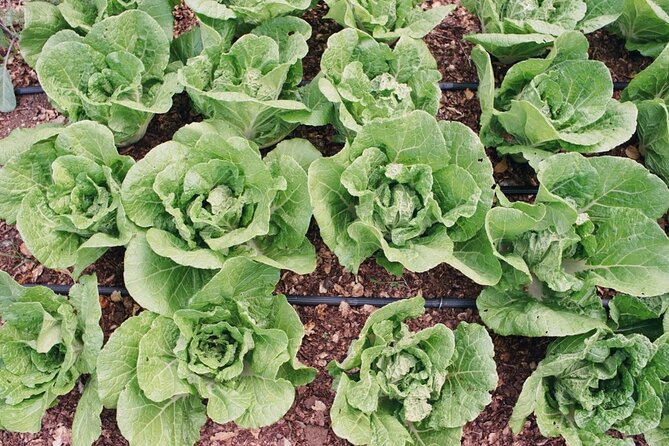
Review · THE USA
Private Farm Workshop in Napa Valley
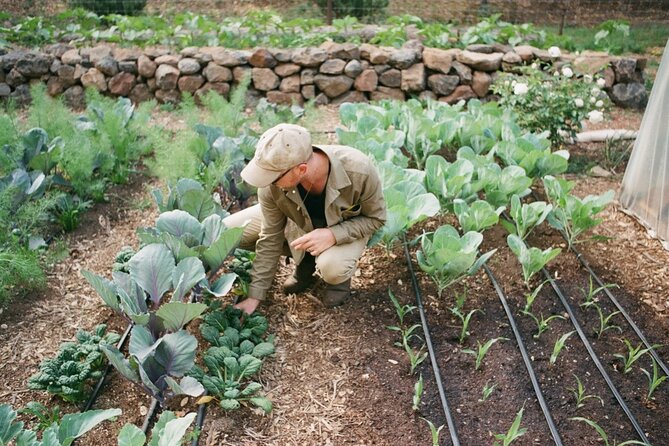
Napa Valley has another fine way to spend a morning: get your hands dirty. At Stepping Stone Farm, Patrick leads a private 90-minute workshop in the mountains above the valley, where you tour a working market garden, taste seasonal produce, and learn how soil, timing, and plant choice work together.
I like two things here. First, this is a real alternative to the standard winery circuit. Second, Patrick tailors the conversation to your own garden, from local growing conditions to the small choices that help plants thrive. The main consideration is the non-refundable policy. Bad weather can bring a refund or new date, but a change of plans on your end does not.
Key points at a glance
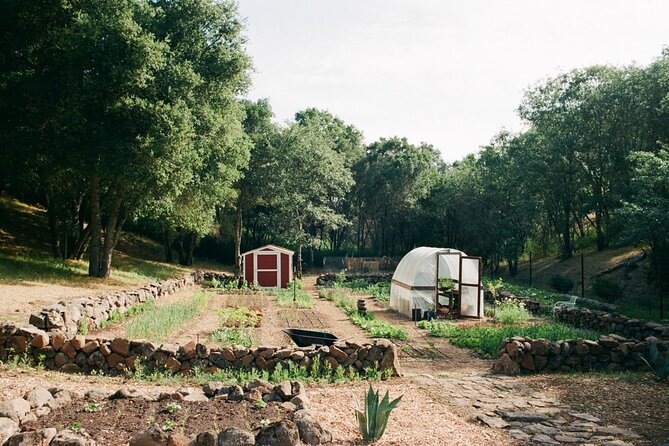
- Tour a working market garden above Napa Valley: The setting offers a different view of the region, reached by the scenic drive along Soda Canyon Road.
- Learn regenerative no-till farming: The focus is on building soil and working with natural systems instead of constantly disturbing the ground.
- Taste produce in the garden: Seasonal fruits and vegetables are part of the tour, with timing and variety explained as you go.
- Take part in hands-on tasks: Depending on the season, you might plant seedlings, form a garden bed, improve soil, or practice proper harvesting.
- Get advice for your own garden: The final part leaves time for questions about your growing location and microclimate.
- Enjoy a private format: Only your group takes part, and the experience is offered in English.
A different kind of Napa morning
Most Napa outings revolve around tasting rooms, vineyard views, and carefully poured Cabernet. This workshop takes you somewhere more practical. You spend the morning learning how food is grown, then tasting produce where it is being raised.
That change of pace is the main reason to book. You are not simply looking at a pretty farm. You are asked to notice how plants grow, how beds are formed, how the season affects what is available, and how a farm fits into its surrounding ecosystem.
The setting is in the mountains above Napa Valley, reached from Soda Canyon Road. The exact farm location is sensitive, so you should contact the host before booking and confirm the meeting details. That extra step matters. This is not a typical public attraction with a large entrance sign and a standard visitor center.
The meeting time is 10:00 am, and the activity lasts about an hour and a half. That makes it easy to fit into a morning, though you should allow time for the drive up and back. The activity ends at the meeting point.
More farm tours around the USA:
- Maui Pineapple Farm Tour in Haliimaile
★ 5.0 · 2,855 reviews - Half-Day Thoroughbred Horse Farm Tour in Kentucky
★ 5.0 · 1,924 reviews - Oahu: Kualoa Ranch Movie Sites and Ranch Tour
★ 4.5 · 1,655 reviews
What happens during the garden tasting
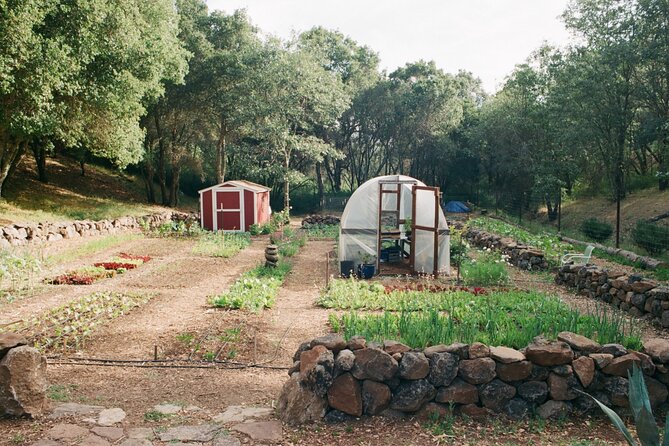
The workshop begins with a tasting tour through the market garden. You walk among the crops while looking at the varieties currently in production. The emphasis is not only on what tastes good, but also on why a particular plant is being grown at that time of year.
This is where the experience moves beyond a simple farm visit. You learn about seasonality, timing, and vegetable selection, all of which affect the success of a garden. A plant that thrives in one part of the year may struggle in another. A variety that works well in one location may not suit a different climate or soil.
Seasonal tasting gives those ideas a direct connection to food. Instead of hearing an abstract explanation about freshness, you can sample what is being grown and consider how its flavor changes with harvest timing. The available produce will vary, so you should not expect a fixed menu of specific fruits and vegetables.
A seasonal sweets item is also listed as part of the food offering. Treat that as a small finishing touch rather than the reason to book. The main meal here is the farm lesson itself.
Building soil without turning it over
The central subject is regenerative no-till farming. In plain terms, the workshop looks at ways to build healthier soil while limiting unnecessary disturbance. Rather than treating the ground as an empty surface to be repeatedly dug and reset, the approach asks you to work with the living systems already present.
You may discuss how to build soil, how to prepare a bed, and how plant health connects to the larger ecosystem. The goal is not a single trick that guarantees a perfect garden. It is a way of thinking that encourages better observation and more careful timing.
That makes the session useful for people who already garden, even if they have only a few containers or a small backyard plot. You can bring questions about your own challenges and compare them with the conditions at the farm. Patrick makes time near the end for specific questions tied to your growing location and microclimate.
The word microclimate matters. A garden can behave differently from another site only a short distance away, depending on exposure, temperature, moisture, and other local conditions. The workshop does not promise a one-size-fits-all plan. Instead, it gives you a chance to discuss your own situation directly.
Getting your hands dirty with seasonal work
After the tasting walk, the group moves into practical garden work. The exact activity depends on the time of year, which is a strength rather than a weakness. Farming is seasonal, so a believable workshop should not pretend that every month calls for the same task.
Possible activities include planting seedlings, forming a new garden bed, building soil, and learning how to harvest correctly. You may observe a task, take part in it, or do both while Patrick explains what you are doing and why.
This hands-on section keeps the morning from becoming a lecture. You are not asked to memorize a list of gardening terms and then sent home. You get to connect the advice with physical work, even if the task itself is simple.
Harvesting is a good example. Picking a vegetable is not always just a matter of pulling it from the ground. Timing, handling, and technique can affect the plant and the food. The workshop treats harvesting as part of the larger growing cycle, not as an afterthought.
The farm work may appeal most to curious adults who like to learn by doing. If you want a polished, passive sightseeing trip, this may feel too informal. If you enjoy asking questions and getting involved, the format should suit you well.
Same countryside, another kind of harvest:
- Oahu: Kualoa Ranch UTV Raptor Tour
★ 4.5 · 1,569 reviews - Premium Amish Country Tour including Amish Farm and House
★ 4.5 · 1,306 reviews - Unique Horse Farm Tours with Insider Access to Private Farms
★ 5.0 · 1,192 reviews - Lahaina: Maui Ku’ia Estate Guided Cacao Farm Tour and Tasting
★ 5.0 · 1,103 reviews
Meeting farmer Patrick
Patrick is the guide and the person who gives this experience its personal focus. He leads the walk, explains the farming methods, and answers questions about home gardens. The private format means your group has room to guide the conversation instead of following a fixed script designed for a busload of people.
That matters if you already have gardening experience. You can ask about your own attempts, compare growing conditions, and focus on the problems that matter to you. Even beginners can benefit, since the discussion starts with basic observations about plants, soil, and the season.
Patrick’s teaching style, as reflected in the experience, is conversational and enthusiastic about the subject. He is happy to spend time on the details, including the sort of garden questions that can turn into a long discussion. People who like to nerd out about growing food will get the most from this personal attention.
The private setup also makes this a sensible choice for a small group with mixed interests. One person can ask about vegetable beds while another focuses on farm ecology or seasonal produce. You are not competing with a large group for a chance to speak.
The drive up Soda Canyon Road
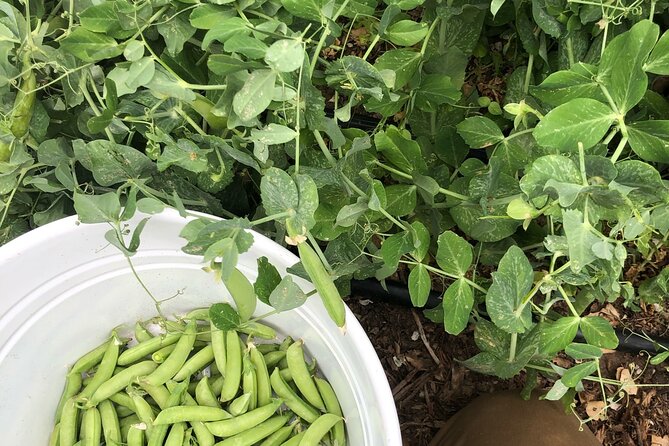
The meeting point is on Soda Canyon Road, California 94558. The drive is part of the appeal, taking you away from the familiar winery route and toward the hills above Napa Valley.
The available information does not specify transportation from a hotel or town, so you should plan to reach the meeting point on your own and confirm the exact location with the host. Again, contact the host before booking because the farm has sensitive location information.
Do not assume this works like a walk-up farm attraction. The private setting and advance location instructions mean you need to pay attention to the host’s directions. That is a minor planning task, but it is important for arriving at 10:00 am without confusion.
The road also gives you a look at a part of Napa that many wine-focused itineraries skip. One practical note: the activity itself is only about 90 minutes, but the total morning will be longer once you add the drive. Plan accordingly if you have a winery appointment afterward.
Who gets the best value from this experience
The price is not provided here, so I cannot judge it against a specific dollar amount. I can still explain what you are paying for. This is a private lesson with a working farmer, not simply admission to a garden.
The value is strongest if you want direct advice, hands-on participation, and a quiet change from wine tasting. A private group also means you do not share the session with unrelated participants. For people who garden at home, that personal attention can be worth more than a larger farm tour with a lower per-person cost.
You will get less value if you have no interest in plants and mainly want scenic Napa views. The setting is attractive, but the purpose is education. You should be ready to listen, ask questions, and take part in simple farm tasks.
It is also a good fit for visitors who have already spent time at wineries and want something that feels connected to local food production. Families may enjoy the hands-on idea, but the supplied information does not specify a minimum age or child-focused program. Ask the host if you are booking with children.
The activity is offered in English. Service animals are allowed. Since this is a working farm and the exact terrain is not described, contact the host with any mobility questions before booking rather than guessing.
Timing, weather, and booking details
The workshop starts at 10:00 am and lasts approximately one hour and 30 minutes. It is a mobile-ticket activity, and confirmation is sent within 48 hours, subject to availability.
This is a private activity, so only your group participates. That is one of its strongest practical features. You can ask detailed questions without worrying about holding up a large tour, and Patrick can keep the discussion close to your interests.
Weather matters. The experience requires good conditions, and poor weather can lead to a different date or a full refund. The policy is less forgiving if you cancel for your own reasons: the experience is non-refundable and cannot be changed.
I would treat the weather rule seriously and avoid booking this on a morning when you have no flexibility. Also remember that the date is subject to availability, and confirmation may take up to 48 hours.
Is the farm workshop worth booking?
Book this experience if you want a personal, useful morning instead of another wine tasting. It is especially well suited to home gardeners, food lovers, and anyone curious about regenerative farming. The best part is the combination of tasting, observation, practical work, and one-on-one advice from Patrick.
Skip it if you want a quick photo stop, a formal agricultural tour, or a guaranteed list of specific crops. The work changes with the season, the location requires advance coordination, and your participation is part of the point.
For the right audience, this is one of Napa’s more original activities. You leave with more than a pleasant memory of the hills. You leave with questions to consider in your own garden, a better sense of seasonal growing, and a clearer idea of how soil care shapes the food on your plate.
FAQ
Where does the farm workshop meet?
The meeting point is on Soda Canyon Road in California 94558. Contact the host before booking to discuss the sensitive location information and confirm the exact meeting details.
What time does the experience start?
The workshop starts at 10:00 am.
How long does the workshop last?
The activity lasts approximately one hour and 30 minutes and ends back at the meeting point.
Is this a private tour?
Yes. Only your group participates in the activity.
What language is the workshop offered in?
The workshop is offered in English.
What happens if the weather is poor?
The experience requires good weather. If it is canceled because of poor conditions, you will be offered a different date or a full refund.
Can I cancel or change my booking?
The experience is non-refundable and cannot be changed for any reason. If you cancel or request an amendment, the amount paid will not be refunded.
Newly listed farm visits around the USA
- Gourmet Mushroom Farm Tour in Tennessee★ 5.0 · 5 reviews
- Cozy Farm Experience with Wagon Wheels and Acoustic Meal★ 5.0 · 2 reviews
- Farms, Flights: Finger Lakes Brewery Tour★ 4.5 · 25 reviews
- Scenic Scottsdale E-Bike Tour – 2 Hours★ 5.0 · 47 reviews
- Wine Country Farm to Table Bike Tour w/Lunch★ 5.0 · 31 reviews
- Santa Fe Farmers Market & Railyard Food Tour★ 5.0 · 2 reviews
- Mere Point Oyster Farm Tour★ 5.0 · 2 reviews
- The Hood-Columbia Loop: Timberline, Orchards, and Waterfalls★ 5.0 · 12 reviews
USA Farm Tours, compared.

Half-Day Thoroughbred Horse Farm Tour in Kentucky
Read our review →
Premium Amish Country Tour including Amish Farm and House
Read our review →
Unique Horse Farm Tours with Insider Access to Private Farms
Read our review →
Maui Ku’ia Estate Guided Cacao Farm Tour and Tasting
Read our review →

Maui Horseback Adventure at Circle M Ranch With Real Cowboys
Read our review →
Horseback Riding on Scenic Texas Ranch near Waco
Read our review →Browse the lists this tour appears in