
Review · SIENA
Siena: Private Handmade Pasta Cooking Class in Tuscany
The best part of this Siena experience is that you do not simply watch pasta being made. You work through the full process, from judging dough consistency to shaping pasta, making fillings, and building sauces. The class takes place in a farmhouse dating to 1720, with produce from an organic garden and nearby farms.
I like the private format, which gives the chef room to adjust the lesson to your interests. I also like that the meal includes wine pairings, dessert, and espresso, so the class feels like a full Tuscan afternoon rather than a quick kitchen demonstration. The main consideration is transport: you must make your own way to the countryside studio, and the experience is not suitable for wheelchair users.
Key points to know before booking
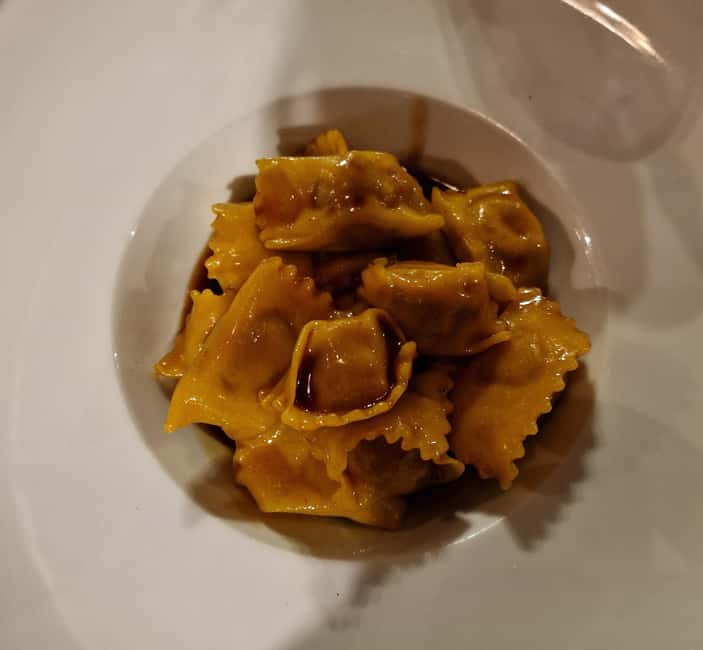
- Two pasta types are prepared from scratch: You choose your preferred styles, then work through dough, fillings, sauces, and shaping.
- The lesson focuses on useful kitchen judgment: You learn how dough should feel and how to adjust it, details that many cookbooks leave out.
- A 1720 farmhouse provides the setting: The cooking takes place in a real Tuscan home-style environment rather than a city classroom.
- Your pasta becomes the main meal: Wine pairings, dessert, water, and espresso are included after the hands-on work.
- The class is private or very small: The chef can give close help and tailor the pace to your group.
- Transportation is not included: Follow the driving directions to the Tuscan Kitchen Studio, where reserved parking is available.
Handmade pasta in a 1720 farmhouse
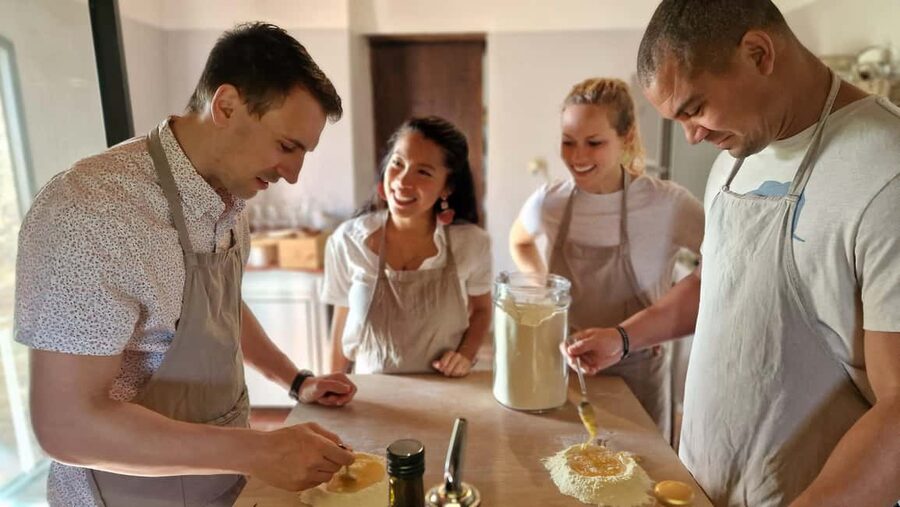
This class begins in the Siena countryside, at The Tuscan Kitchen Studio, a private farmhouse built in 1720. That setting matters. You are not just ticking off a cooking activity between city sights. You are spending several hours in an old Tuscan home with a kitchen built for food, conversation, and long meals.
The class uses vegetables from an organic garden and products from nearby local farms. The exact ingredients can vary, but the principle is clear: you work with food connected to the surrounding area rather than a fixed collection of imported items.
The farmhouse setting also gives the lesson a slower pace. At four to four and a half hours, this is not a rushed pasta lesson followed by a quick bite. You have time to handle the dough, ask questions, correct mistakes, shape the pasta, and then sit down to eat what you made.
The studio has air conditioning, which is useful during Tuscany’s warmer months. You should still wear comfortable clothes. Pasta making involves standing, rolling, shaping, and working with flour, so formal clothing would be more trouble than it is worth.
More Cooking Classes in Italy:
- Cooking Class and Lunch at a Tuscan Farmhouse with Local Market Tour from Florence
★ 5.0 · 4,831 reviews - Hands-On Cooking Class & Farmhouse Tour on the Amalfi Coast
★ 5.0 · 956 reviews - Sorrento: Farm Tour with Cheese Tasting & Pizza Making Class
★ 5.0 · 503 reviews
The first lesson: getting pasta dough right
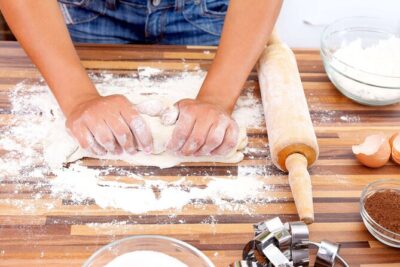
The most valuable part of the class may be the dough itself. A recipe can tell you how much flour and liquid to use, but it cannot always tell you what the dough should feel like on a particular day. Humidity, flour, egg size, and kneading all affect the result.
Here, the chef guides you through those small judgments. You learn how firm the dough should be, when it needs more work, and how it changes as you knead it. This is the sort of instruction that can save you from making pasta that is too dry, too sticky, or difficult to shape at home.
You also get personalized help rather than having to keep pace with a large class. If you are new to pasta, the chef can give you more support with the basics. If you already cook, you can focus on the finer points of texture and technique.
A useful detail for home cooks is the attention to the transition from dough to finished pasta. The lesson is not only about following a formula. It helps you understand why the mixture becomes workable dough and how that dough needs to behave before you move on.
Choosing and making two pasta dishes
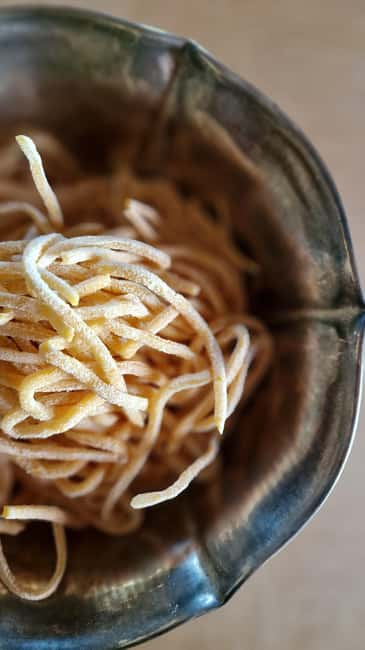
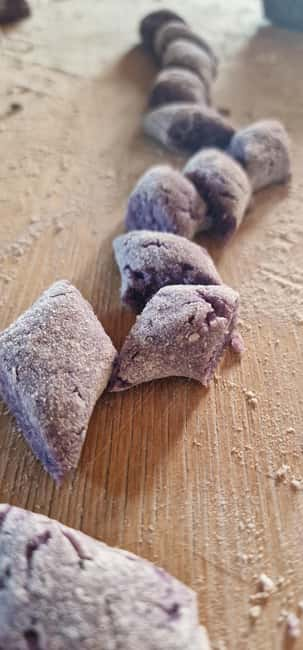
The class is designed around two different types of pasta chosen according to your preferences. The available choices are not specified in advance, so you should discuss what you want to learn when arranging the experience or at the start of the session.
That flexibility is a real benefit. You might want to focus on filled pasta, shaped pasta, or a combination of styles. The chef can then tailor the lesson around your interests rather than teaching the same fixed menu to every group.
You work on the full preparation for both dishes. That includes the dough, any fillings, the sauces, and the pasta shapes. The process gives you a better sense of how the pieces fit together. A filling needs the right texture, a pasta sheet needs the right thickness, and a sauce needs to suit the finished shape.
Shaping deserves special attention. Pasta forms can look easy when someone else makes them quickly, but your first attempts may not behave. The close instruction is useful here. You can learn how to handle the dough, how much filling to use if you are making filled pasta, and how to form the shapes without tearing them.
The experience is especially well suited to anyone who wants practical skills rather than a cooking show. You should expect to participate throughout the lesson, with professional equipment supplied for you.
A farm-to-table meal that uses your work
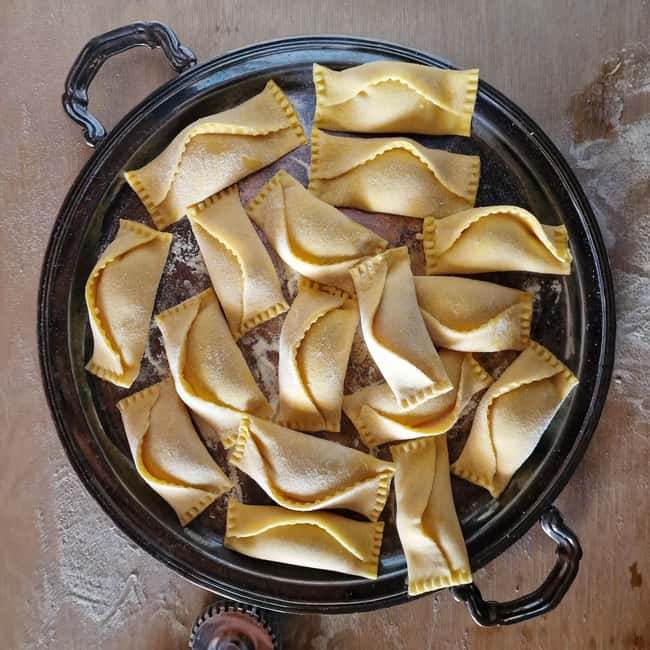
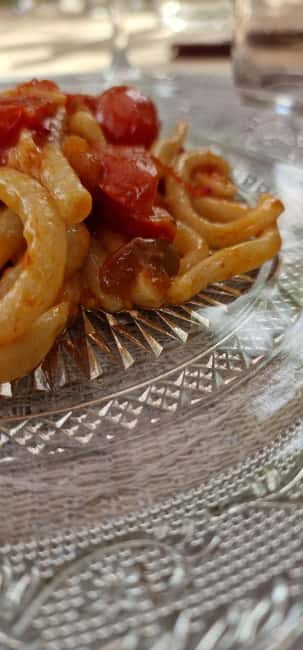
Once the cooking is finished, you eat the pasta you prepared. This creates a satisfying rhythm: learn, make, sit down, and taste the result. You are not preparing a sample portion and then watching someone else serve the meal.
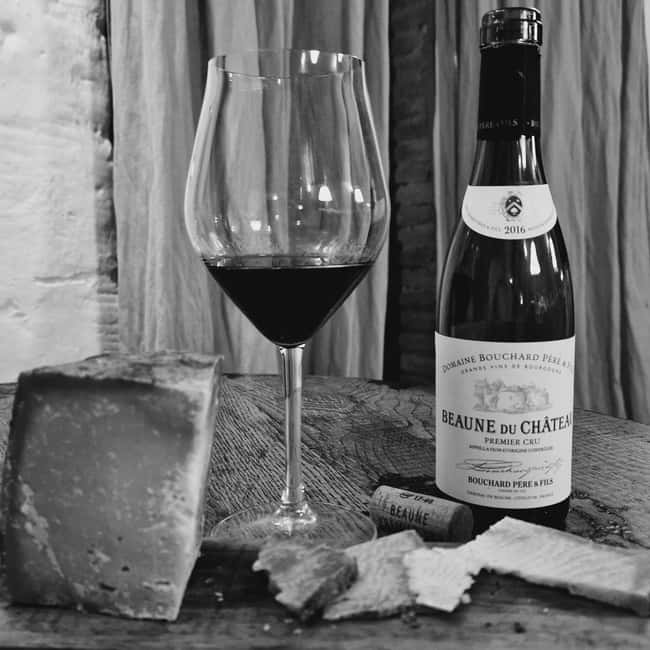
The meal includes wine pairings, dessert, water, and espresso coffee. A professional sommelier is part of the guidance, so the wine is not an afterthought. The pairings give you a chance to see how wine can support different pasta sauces and fillings.
The wine service also changes the feel of the afternoon. This is more than a technical workshop, but it is not only a long lunch either. You get the useful part of a cooking lesson and the pleasure of a Tuscan meal in the same visit.
The use of garden vegetables and local farm products adds a seasonal element. Since the exact produce is not listed, you should not book expecting a particular vegetable or dish. Instead, think of the ingredients as part of the setting and the cooking style.
Dessert and espresso round out the meal. For many people, this is important when judging the price. You are paying for several hours of instruction, ingredients, equipment, a complete meal, wine, and the setting, rather than a short class with food sold separately.
More Pasta Experiences in Italy:
- Florence Pizza or Pasta Class with Gelato Making at a Tuscan Farm
★ 5.0 · 6,801 reviews - Florence: Pizza or Pasta Class with Gelato at a Tuscan Farm
★ 4.9 · 1,181 reviews - Alghero Home Cooking Pasta Class at a Farmhouse with Wine
★ 5.0 · 130 reviews - Bardolino: Garda Lake Pasta Cooking Class at Agritourism
★ 5.0 · 114 reviews
Why the private format matters
The private format is the biggest reason this class may suit you better than a large group workshop. Pasta is a hands-on skill. You need to see the dough, feel its texture, and get corrections while you are working.
A private chef can slow down when you need more help and move forward when you are comfortable. That is particularly useful if people in your group have different cooking experience. One person may want to practice pasta shapes, while another may care more about sauces or fillings.
The class can also be tailored to preferred pasta types. This is a practical advantage for repeat visitors to Italy or serious home cooks who already know the basics. You can spend less time on a style you have made before and more time on a technique you want to take home.
The available languages are Italian, English, and French. You should select the language that lets you ask clear questions about dough texture, timing, and shaping. Those details are easier to learn when communication is comfortable.
The experience is offered privately or for small groups. If you are booking for a couple, family, or close group of friends, the format keeps the lesson personal and avoids the feel of a production line.
What you take home besides a full stomach
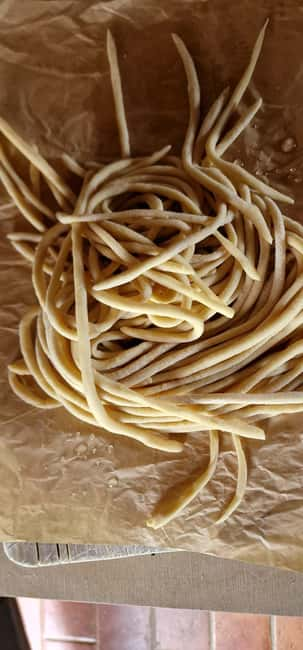
The class includes an eBook with all the recipes prepared during the lesson. That makes the experience more useful after your return to your own kitchen. You can refer back to the recipes instead of relying only on memory.
The most useful knowledge, though, may be the things that are hard to write down. You learn what the dough should feel like, how it changes during kneading, and how to recognize when it is ready. You also get instruction in shaping pasta, where a small adjustment in pressure or handling can make a big difference.
This is why the class can be a better choice than simply buying a recipe book. A recipe gives you quantities and steps. The chef gives you visual and physical cues that help you know when the steps are working.
You should still be realistic about what you will learn in one afternoon. The class covers two pasta types, not every regional style in Italy. It is a focused introduction to traditional handmade pasta, with room to adapt the lesson to your preferences.
Price and the value of four and a half hours
At $294 per person, this is a costly cooking activity. It makes the most sense for people who value a private lesson and a full meal, not for someone seeking the cheapest pasta class in Tuscany.
The price includes up to four and a half hours of hands-on instruction, personal guidance, professional equipment, ingredients, wine pairings, dessert, water, espresso, and the recipe eBook. The farmhouse setting and private parking are also useful parts of the arrangement, though transportation to the property is not included.
I would judge the price against the amount of attention you receive. In a large class, you may pay less but get fewer chances to ask about dough texture or correct your pasta shapes. Here, the private setup gives the chef more time to focus on your work.
The value is strongest if you want to repeat the recipes at home. Someone who simply wants lunch in the Siena countryside may find the cost high. Someone who wants to learn a skill, enjoy wine with the meal, and keep the recipes may find the package more reasonable.
The class also works well as a special occasion activity. It has enough time and food to replace a separate lunch, but you should plan your day around it rather than treating it as a quick stop.
Getting to the Tuscan Kitchen Studio
Transportation is not included, so you need to arrange your own way to the studio. The meeting instructions direct you to The Tuscan Kitchen Studio, and private parking is reserved for your arrival.
That makes a car the practical option, based on the information provided. Be sure to allow enough time to follow the driving directions and arrive without rushing. The activity takes place in the Siena countryside rather than in central Siena.
You should also consider the return journey if you plan to enjoy the wine pairings. The experience includes wine with the meal, so arrange your transport responsibly. No transfer service is included in the price.
The setting is part of the appeal, but the rural location requires more planning than a cooking class in a city center. Check the starting time when you book and build your driving schedule around the four to four and a half hour duration.
Dietary needs, comfort, and access
Tell the provider about dietary restrictions or preferences in advance. This is especially important because the class includes pasta fillings, sauces, a full meal, and wine pairings. Early notice gives the kitchen a chance to plan around your needs.
Wear comfortable clothes. You will be working in the kitchen for several hours, and practical clothing is more useful than anything formal.
The class is not suitable for wheelchair users. The activity details do not provide further access information, so anyone with mobility concerns should ask the provider directly before booking.
Free cancellation is available up to 24 hours before the activity for a full refund. You can also reserve now and pay later, which helps if your Tuscany schedule is still changing. Starting times vary, so check availability for the date you want.
Who should book this pasta class
I would recommend this experience to couples, families, and small groups who want a personal cooking lesson in the Siena countryside. It is also a good match for home cooks who want to understand dough and pasta shapes rather than simply collect photographs of a finished dish.
It suits people who enjoy a long meal and wine with their activities. The four to four and a half hour length is a benefit if you like a relaxed pace, but it may feel too long if you only want a quick introduction.
You should book it if you care about the difference between following a pasta recipe and learning how pasta actually behaves. The close instruction on dough consistency and shaping is the strongest reason to choose this class.
Should you book the Siena pasta experience?
Book this class if you want private instruction, two handmade pasta dishes, and a complete Tuscan meal in an old farmhouse. The strongest value comes from the personal attention and the practical skills you can use at home.
Skip it if $294 feels too high for a cooking activity, if you need included transportation, or if a four-hour lesson does not fit your schedule. Also check access needs carefully, since the class is not suitable for wheelchair users.
For the right person, this is a focused and satisfying way to spend part of a Siena visit. You leave with a meal, wine and dessert, an eBook of the recipes, and a better sense of how handmade pasta should feel under your hands.
FAQ
Where does the cooking class take place?
The class takes place at The Tuscan Kitchen Studio in the Siena countryside, inside a farmhouse built in 1720.
How long does the experience last?
The cooking class lasts about 4 to 4.5 hours.
How much does the experience cost?
The listed price is $294 per person.
Is the class private?
Yes. The experience is offered as a private class, with small-group availability also noted.
What pasta will I make?
You will prepare two different types of pasta based on your preferred styles. The class covers dough, fillings, sauces, and shaping.
Is a meal included?
Yes. You eat the pasta prepared during the class, with wine pairings, dessert, water, and espresso coffee.
Are cooking equipment and ingredients provided?
Professional cooking equipment is provided. The class uses farm-fresh vegetables from an organic garden and products from nearby local farms.
Is transportation included?
No. You must arrange transportation to and from the activity location. Private parking is reserved at the studio.
What languages are available?
The class is available in Italian, English, and French.
Can dietary restrictions be accommodated?
You should inform the provider of dietary restrictions or preferences in advance. The activity information specifically asks participants to provide this notice.
Newly listed farm visits around Italy
- Sorrento Half-Day Farm Experience: Pizza, Cheese Making and Wine★ 5.0 · 17 reviews
- Farm-to-Table Experience: Olive Oil, Garden Tour & Nonna’s Lunch★ 5.0 · 35 reviews
- Amalfi Coast & Sorrento Cooking Class School at Farmhouse★ 5.0 · 25 reviews
- Sorrento: Authentic Lemon Experience at a Farm with Tastings★ 5.0 · 6 reviews
- Cooking Class & Guided Farm Tour On The Hills Of Sorrento★ 5.0 · 10 reviews
- Tasting Limoncello, Oil and Typical Products in Farmhouse★ 5.0 · 13 reviews
- Marì Cooking Class in a Family Farm with Amalfi Coast view★ 5.0 · 11 reviews
- Sorrento Villa Cooking Class with Fresh Harvest Lunch★ 5.0 · 25 reviews
Cooking Classes, compared.
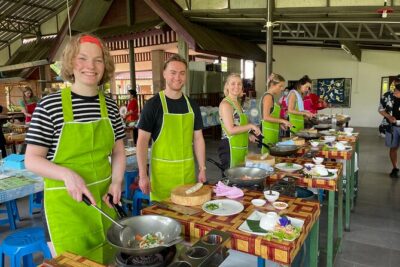
Half-Day Thai Cooking Class at Organic Farm in Chiang Mai
Read our review →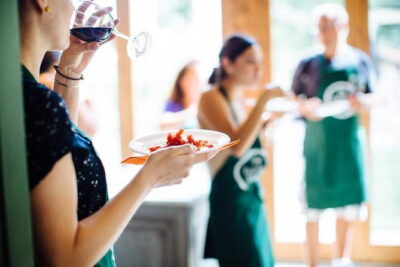
Cooking Class and Lunch at a Tuscan Farmhouse with Local Market Tour from Florence
Read our review →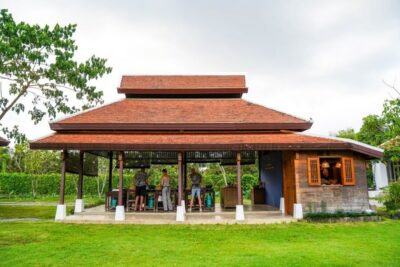
Authentic Cooking Class with Market & Farm Visit
Read our review →
Hands-On Cooking Class & Farmhouse Tour on the Amalfi Coast
Read our review →
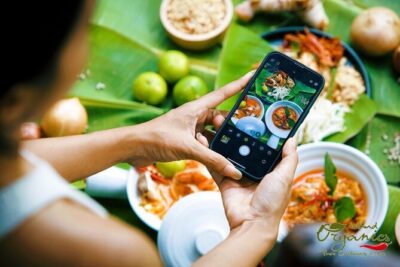
Thai Cooking Class | Since 2012 | Farm to Table
Read our review →Browse the lists this tour appears in