
Review · SIENA
Siena: Small group Cooking Class in Chianti Farmhouse
The best part of this experience is that you do not just watch pasta being made. You knead the dough, shape the pasta, prepare the dessert, and then sit down to eat what you cooked in a Chianti farmhouse. Chef Simone brings a relaxed, personal touch, often sharing family stories and tips linked to his grandmother’s recipes.
I especially like the hands-on format and the setting among vineyards, olive groves, and herb gardens. You also get a full meal, not a token tasting, with bruschetta, pasta, tiramisu, and wine. The main thing to consider is transport: the farmhouse is outside Siena, and hotel pickup is not included, so you need to arrange your own taxi.
Key points at a glance
- Cook with Chef Simone: Expect a friendly, easygoing teacher who keeps beginners involved.
- Make more than one dish: The class usually includes bruschetta, handmade pasta with sauce, and tiramisu.
- Pasta changes by session: You might prepare ravioli, tortellini, tagliatelle, pici, or another fresh shape.
- Eat what you make: The lesson finishes with a sit-down meal and drinks, including wine.
- Enjoy a farmhouse setting: The kitchen sits in the Tuscan countryside near Castelnuovo Berardenga.
- Plan the ride carefully: The meeting point is outside Siena, and return transport is your responsibility.
A farmhouse cooking class outside Siena
This is a cooking class with a strong sense of place. You meet at Località Casapera, in Castelnuovo Berardenga, rather than in Siena’s historic center. The setting puts you among the vineyards, olive groves, and herb plants that help define cooking in this part of Tuscany.
The farmhouse atmosphere is a major part of the appeal. You are not in a polished restaurant kitchen built for tourists. You are cooking in a private country setting, with views and a slower rhythm that suit a long Italian lunch.
The experience lasts about four hours. That gives you enough time to cook several dishes without making the class feel like a rushed assembly line. It also explains why you should leave room in your day. This is not a quick lesson before the next sightseeing stop.
Chef Simone is the main personality here. He is described as relaxed, funny, patient, and very involved with each person in the group. His teaching style suits beginners, especially if you are nervous about making pasta for the first time. You can expect practical advice rather than a formal lecture.
Some sessions include stories about his family, the farmhouse, and traditional recipes. That personal background adds meaning to the food. You are learning a dish, but you are also getting a glimpse of how cooking fits into an Italian family setting.
More Cooking Classes in Italy:
- Cooking Class and Lunch at a Tuscan Farmhouse with Local Market Tour from Florence
★ 5.0 · 4,831 reviews - Hands-On Cooking Class & Farmhouse Tour on the Amalfi Coast
★ 5.0 · 956 reviews - Sorrento: Farm Tour with Cheese Tasting & Pizza Making Class
★ 5.0 · 503 reviews
Getting from Siena to the countryside
The meeting point is listed at Località Casapera, C889+WM, 53019 Castelnuovo Berardenga, in the Province of Siena. The activity ends at the same place.
Hotel pickup and drop-off are not included. If you are staying in central Siena, plan on taking a taxi to the farmhouse. You should also think about the return before the class begins. The countryside location is part of the charm, but it is less convenient than meeting beside Piazza del Campo.
One useful detail is that Chef Simone has helped arrange a taxi back for participants. That is reassuring, but I would still treat it as assistance rather than a guaranteed transfer. Ask about the return ride when you book or contact the operator before the day of the class.
The address matters because Castelnuovo Berardenga is not a casual walk from Siena’s center. Give yourself time to find the meeting point, especially if your taxi driver needs the exact location. Keep the confirmation details handy on your phone.
The class is offered in English. It is limited to a maximum of 14 people, which is small enough for personal help but not necessarily an intimate private lesson. A group of five or seven can feel especially social. If you prefer a quieter experience, a larger session may be less appealing.
Starting with bruschetta and crostini
The cooking begins with antipasti, or starters. You prepare bruschetta with fresh tomatoes, basil, Tuscan bread, and extra-virgin olive oil. You may also work with crostini, small toasted pieces of bread finished with toppings.
This opening course is simple, but it teaches useful Tuscan basics. You learn how good bread, ripe tomatoes, olive oil, and herbs work together without heavy seasoning. It is also a gentle start because you can settle into the kitchen before tackling fresh pasta.
I like that the first course is something you can easily repeat at home. You do not need a special machine or obscure ingredient. The lesson shows how a few sound products can make a satisfying dish.
The antipasti also provide something to eat while the pasta is being finished. That helps the class feel like a meal in progress rather than a long wait for the main course.
Making fresh pasta by hand
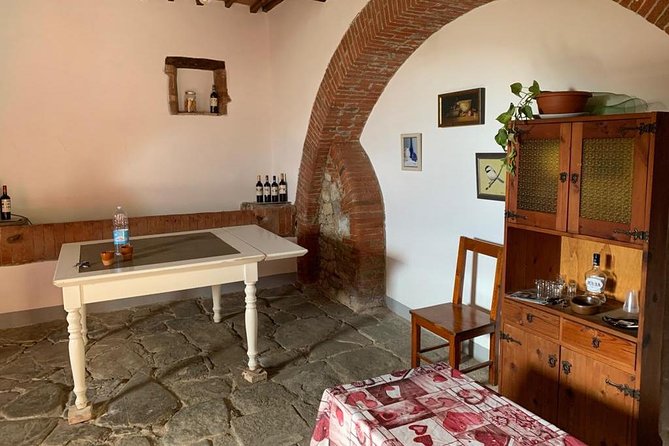
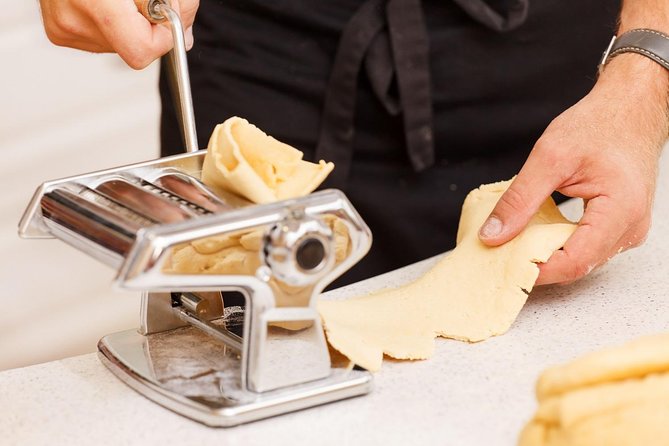
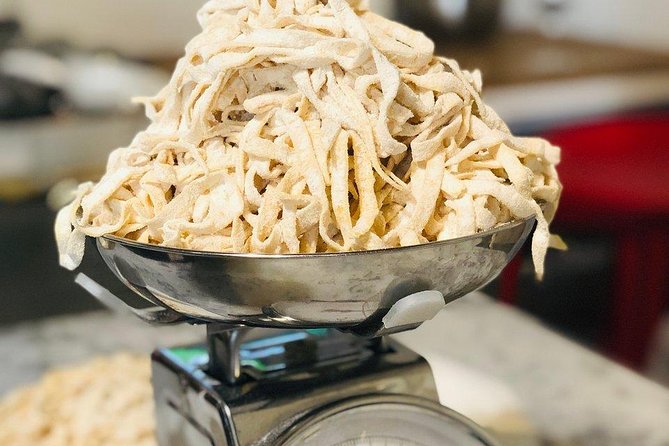
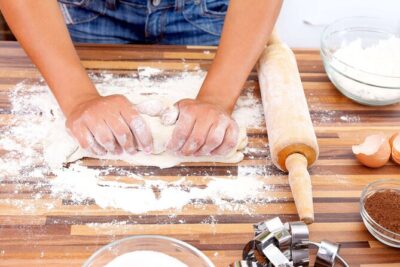
The pasta course is the center of the experience. You mix and knead the dough, then shape it by hand. The exact pasta varies according to the chef’s plan. You might make ravioli, tortellini, tagliatelle, short pasta, or Tuscan pici.
Pici is especially fitting for a class in Siena. It is a thick, rustic pasta associated with the area, made by rolling dough into long strands. Ravioli and tortellini bring a different kind of work, since you need to fill and seal each piece carefully.
That changing menu is a plus if you are open to surprise. It also means you should not book expecting one specific pasta shape unless the operator confirms it in advance. The sample menu leaves room for Chef Simone’s choice.
You will get practical help with kneading, rolling, cutting, filling, and shaping. The teaching is designed for beginners, so you do not need previous pasta-making experience. You also get tips you can use later, such as how to handle the dough and how to avoid making filled pasta too difficult to seal.
Several sessions have included homemade ravioli with spinach or fresh herbs from the farm’s garden. Other classes have featured different pasta forms. The point is not to master every pasta style in one morning. It is to understand the basic process well enough to try it again at home.
More farm tours around Italy:
- Florence Pizza or Pasta Class with Gelato Making at a Tuscan Farm
★ 5.0 · 6,801 reviews - Sorrento Farm and Food Experience including Olive Oil, Limoncello, Wine tasting
★ 5.0 · 2,524 reviews - Sorrento: Pizza Lesson, Wine, and Limoncello at a Local Farm
★ 5.0 · 1,513 reviews - Florence: Pizza or Pasta Class with Gelato at a Tuscan Farm
★ 4.9 · 1,181 reviews
Matching the pasta with a changing sauce
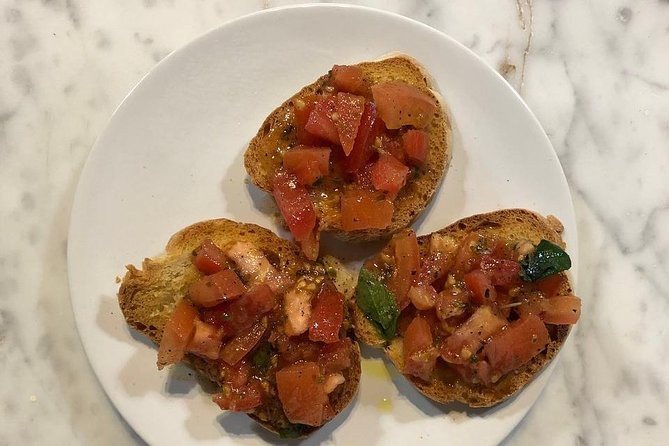
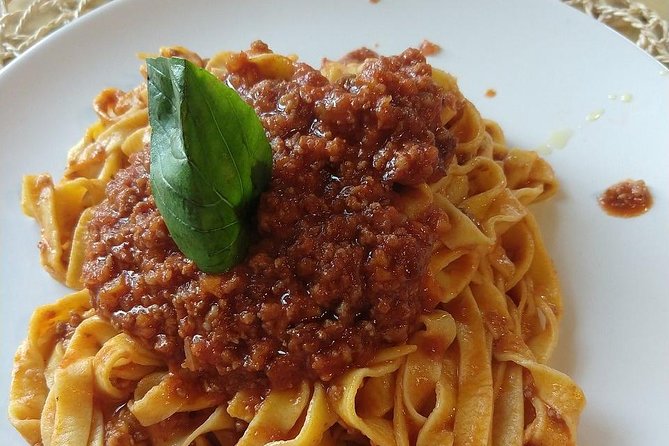
The sauce depends on the pasta made that day. Possible options include ragù, tomato sauce, or a cheese and sage sauce.
This flexible approach makes culinary sense. A delicate filled pasta needs a different treatment from thick pici or broad tagliatelle. The sauce is selected to fit the shape rather than forcing every class into the same menu.
You should not expect to choose from a restaurant menu. Chef Simone creates the combination based on the pasta and the class. That keeps the lesson practical and lets you see how cooks think about balance, texture, and regional ingredients.
The sauce is also part of the value. You are not only learning how to make pasta dough. You are learning how the finished dish comes together. For a home cook, that connection is more useful than a lesson focused on one isolated technique.
Finishing with tiramisu
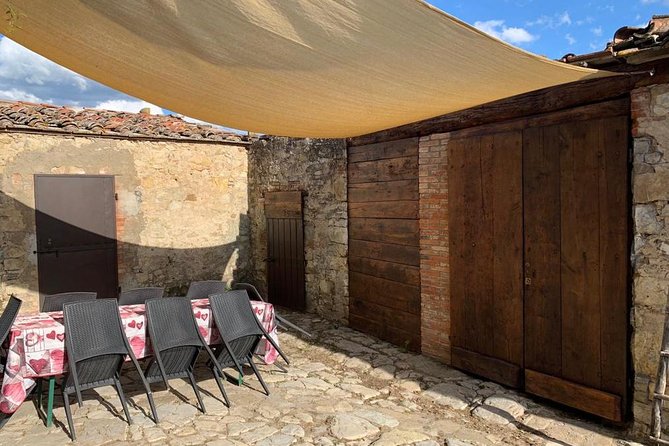
Dessert is tiramisu, prepared as a group. This gives the class a sweet finish and adds another recipe you can make at home.
Tiramisu is familiar, but good technique still matters. You will see how the ingredients are combined and how the dessert is assembled. The class is relaxed enough that beginners can take part without feeling tested.
This is one of the more popular parts of the menu, especially for families and couples. It gives people a second project while the fresh pasta is being prepared. If you have a sweet tooth, the dessert makes the meal feel complete.
The exact dessert is described as a typical fresh dessert, with tiramisu the expected choice. If you have a serious allergy or dietary restriction, tell the operator when booking. Do not assume the standard recipe can be changed on the day.
Sitting down to eat the meal
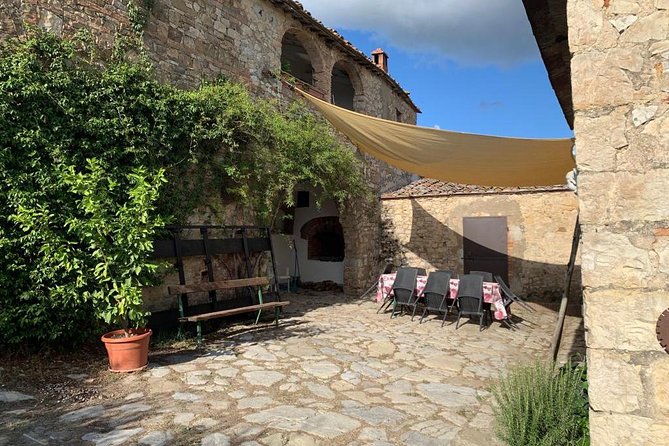
After the cooking, you sit down with the group and eat the dishes prepared during the class. The meal includes bruschetta, handmade pasta with sauce, and tiramisu. Drinks are included, and the published inclusions specify a glass of wine.
Descriptions of the experience also point to a generous wine service, with several people enjoying Tuscan red wine throughout the class. Since the formal inclusion lists a glass, I would clarify the exact drink arrangement if wine matters to your budget or plans.
The meal is a real benefit at this price. At $139.13 per person, you are paying for about four hours of instruction, all ingredients, the chef, the farmhouse setting, and a prepared lunch with drinks. You are not simply paying for a plate of pasta.
The value is strongest if you enjoy participation. If you only want to eat in the countryside, a restaurant may cost less and give you more choice. If you want a skill, a social meal, and a memorable setting, the price is easier to justify.
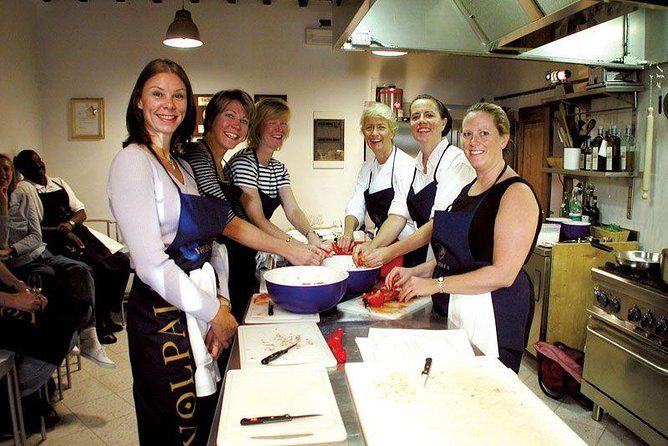
Take your time at the table. The social side is part of the class, with people from different countries cooking and eating together. The setting encourages conversation, and the meal gives you time to ask Simone more questions.
What the small group really means
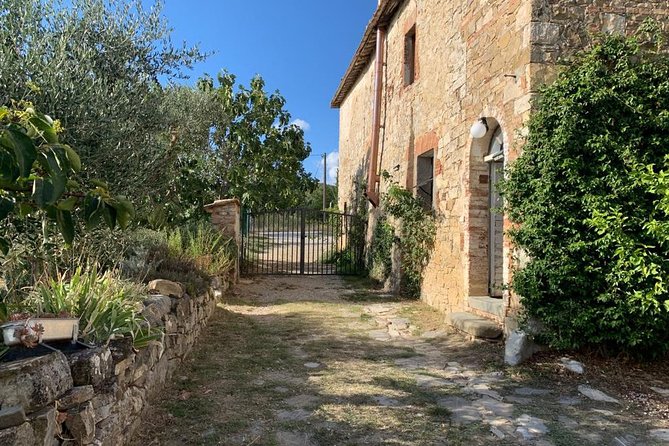
The maximum group size is 14. That is small compared with a large sightseeing outing, but it is not the same as a private class.
The benefit is that the chef can move around and help individuals with dough, filling, and shaping. You will have a better chance to take part than in a demonstration where everyone stands behind a counter and watches.
The group format also makes the meal more lively. Families, couples, and solo participants can all fit into the experience. If you want to meet other people during your time in Tuscany, this is a natural place to do it.
A larger group can bring more energy, but it may mean less personal attention at busy moments. If you are booking with a group of your own, six or seven people seems like a comfortable size based on the format. Solo participants should be prepared to share the table and work area.
Weather, clothing, and practical preparation
The cooking can take place indoors. A rainy day has not stopped the class, with the activity moved inside the farmhouse. That gives the experience useful weather flexibility, though the countryside views may be less striking in poor weather.
Wear comfortable clothes and shoes. You will be standing, kneading, shaping, and working with flour and ingredients for much of the lesson. The information provided does not specify an apron, so do not wear anything you would worry about in a working kitchen.
Tell the operator about dietary requirements at the time of booking. Gluten-free participants are specifically addressed in the tour information, but the details do not promise a fully separate gluten-free menu or kitchen. Ask before reserving if cross-contact or strict substitutions are important to you.
The class is offered in English, which makes the cooking instructions easier to follow for English-speaking visitors. You should still expect the focus to be on doing rather than on a long explanation of Tuscan food history.
Who will enjoy this most
I would choose this class if you want a relaxed Tuscan activity that combines food, scenery, and conversation. It is a particularly good fit for couples, families with older children or teenagers, and friends who like to share an activity rather than sit through a demonstration.
It also works well for people who have never made pasta. The instruction is patient, and the goal is enjoyment as much as technical precision. You do not need to arrive with chef skills.
Food-focused visitors will appreciate the regional touches, especially pici, fresh herbs, olive oil, and Tuscan wine. The class also suits anyone who wants a break from museums and churches without giving up cultural substance.
I would think twice if you have very limited time in Siena, dislike group activities, or cannot manage transport outside the city. You should also be comfortable with a menu that changes and with a meal that may include wine.
Free cancellation is available until 24 hours before the start time. Changes or cancellations inside that window are not accepted for a refund, so check your plans before the deadline.
Should you book the Chianti farmhouse class?
Yes, if you want to cook rather than simply watch. The combination of Chef Simone, handmade pasta, tiramisu, a farmhouse setting, and a sit-down meal gives you a fuller experience than a short pasta demonstration in town.
I would book this for a relaxed morning or midday activity and leave the rest of the day open. Arrange your taxi before you go, confirm the return plan, and tell the operator about dietary needs early.
The experience is less suited to someone seeking strict menu control or a private lesson. But if you want to learn a few useful Italian cooking skills, meet people around a shared table, and enjoy the countryside near Siena, the $139.13 price offers solid value.
FAQ
Where does the cooking class meet?
The meeting point is Località Casapera, C889+WM, 53019 Castelnuovo Berardenga, in the Province of Siena. The activity ends at the same location.
Is transportation from Siena included?
No. Hotel pickup and drop-off are not included. You need to arrange your own transportation to and from the farmhouse, usually by taxi from Siena.
How long does the experience last?
The cooking class lasts approximately four hours.
What food will I prepare?
The class includes bruschetta, handmade pasta, a pasta sauce, and tiramisu. The pasta may be ravioli, tortellini, tagliatelle, pici, short pasta, or another style selected by the chef.
Is wine included?
Yes. The inclusions specify drinks with the meal and a glass of wine. The exact wine service may vary, so ask the operator if you need precise details.
Can I share dietary requirements?
Yes. You should advise the operator of any dietary requirements when booking. Gluten-free participants are addressed in the tour information, but you should confirm what adjustments are possible before the class.
Newly listed farm visits around Italy
- Sorrento Half-Day Farm Experience: Pizza, Cheese Making and Wine★ 5.0 · 17 reviews
- Farm-to-Table Experience: Olive Oil, Garden Tour & Nonna’s Lunch★ 5.0 · 35 reviews
- Amalfi Coast & Sorrento Cooking Class School at Farmhouse★ 5.0 · 25 reviews
- Sorrento: Authentic Lemon Experience at a Farm with Tastings★ 5.0 · 6 reviews
- Tasting Limoncello, Oil and Typical Products in Farmhouse★ 5.0 · 13 reviews
- Marì Cooking Class in a Family Farm with Amalfi Coast view★ 5.0 · 11 reviews
- Cooking Class & Guided Farm Tour On The Hills Of Sorrento★ 5.0 · 10 reviews
- Sorrento Villa Cooking Class with Fresh Harvest Lunch★ 5.0 · 25 reviews
Cooking Classes, compared.
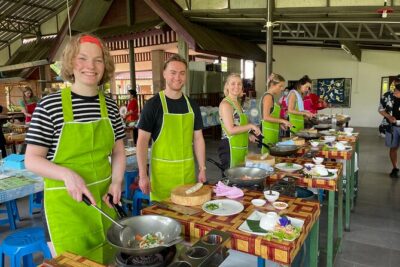
Half-Day Thai Cooking Class at Organic Farm in Chiang Mai
Read our review →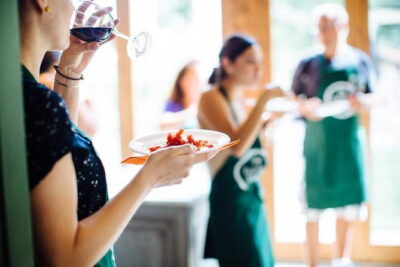
Cooking Class and Lunch at a Tuscan Farmhouse with Local Market Tour from Florence
Read our review →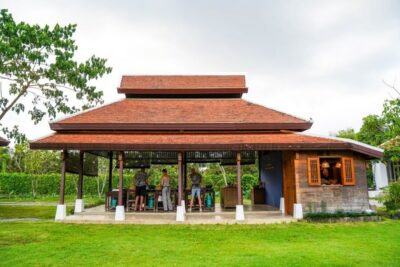
Authentic Cooking Class with Market & Farm Visit
Read our review →
Hands-On Cooking Class & Farmhouse Tour on the Amalfi Coast
Read our review →
Thai Cooking Class | Since 2012 | Farm to Table
Read our review →Browse the lists this tour appears in