
Review · AROUND THE WORLD
Spice Farm – spice up your life in Zanzibar
Zanzibar’s spice farms turn a familiar history lesson into something you can smell, taste, and carry home. As you walk through villages and plantations in the Unguja South Region, you may handle cinnamon bark, smell fresh cloves, taste tropical fruit, and see how farming still shapes daily life.
I like two things most here: the chance to meet local people outside the beach areas, and the traditional lunch cooked with the same spices you have just been learning about. The guide also explains both culinary and medicinal uses, which gives the tour more purpose than a simple farm visit.
The main drawback is practical rather than cultural. One serious complaint reports a missed hotel pickup and failed contact attempts, so you should confirm the meeting details before the day of the tour. The majority of the available feedback praises the organization, food, transport, and guides, but this warning is worth taking seriously.
Key points to know before booking

- Cloves, cinnamon, and vanilla take center stage: You’ll handle and smell several crops rather than simply hearing a talk about them.
- The tour connects farms with Zanzibar’s past: Spices brought from Asia and Latin America became central to the island’s trade from the 16th century onward.
- Fresh fruit is part of the experience: Expect mangoes, passion fruit, avocado, papaya, local grapefruit, bananas, pineapple, tamarind, and more.
- Lunch is cooked at the farm: You’ll finish with traditional Zanzibar food seasoned with local herbs and spices.
- Hotel transport is included: Pickup, return, fuel surcharges, taxes, service fees, and bottled water are covered in the $60 price.
- You can book with some flexibility: Payment can be made later, and cancellation up to 24 hours before the tour brings a full refund.
Why Zanzibar became the Spice Island
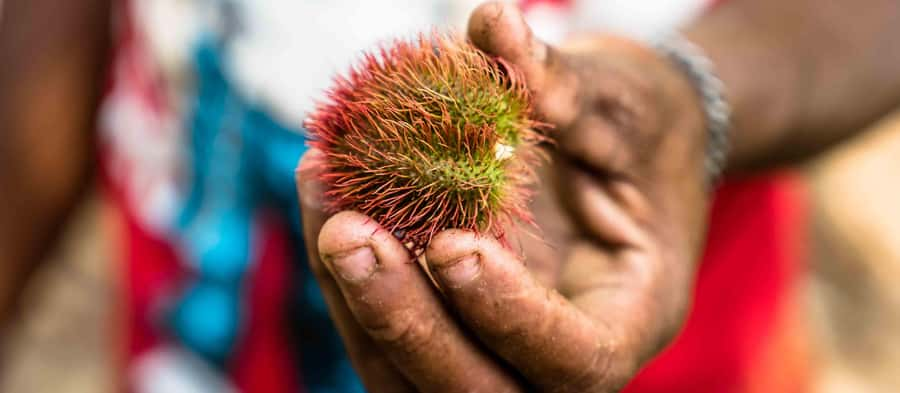
Zanzibar’s spice story reaches well beyond a pleasant farm walk. From the 16th century, traders brought spices from Asia and Latin America to the island, where the tropical climate allowed many of them to grow well.
Cloves, nutmeg, and cinnamon became especially important. Zanzibar developed a major role in the international spice trade, and the crops helped shape the island’s links with distant ports and cultures.
This background matters once you are among the plants. A cinnamon stick is no longer just a kitchen item. A clove becomes part of a trading story that connected Zanzibar with markets far beyond East Africa.
The tour also takes you through rural areas rather than keeping you in the better-known coastal resorts. That gives you a closer look at farming communities and the people who work with these plants today.
More Spice Farm Tours in the world:
- Zanzibar: Prison Island, Stone Town, & Spice Farm Tour
★ 4.5 · 579 reviews - Full-Day Private Stone Town +Spice Farm and Prison Island Tour
★ 4.5 · 216 reviews - Zanzibar: Stone Town & Spice Farm Tour with Lunch
★ 4.5 · 97 reviews
Walking through the farms and villages
The tour moves through plantations and villages with a local guide. The setting is practical and agricultural, not a polished museum. You are there to see plants growing, learn how they are used, and meet people connected to the work.
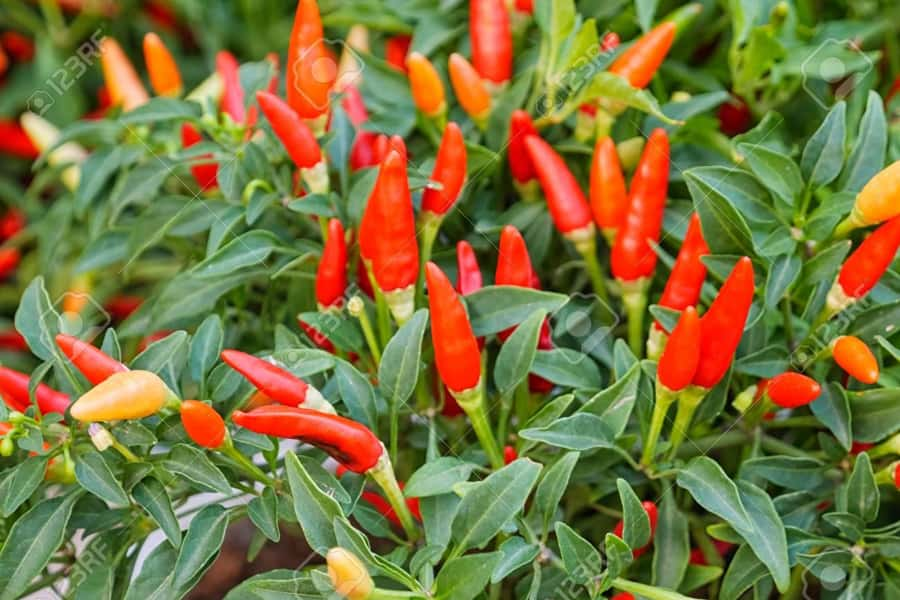
The guide introduces cinnamon, vanilla, nutmeg, lemongrass, cloves, ylang-ylang, cumin, ginger, pepper, tamarind, and chili. The list is long, but the sensory nature of the visit keeps it from feeling like a memorization exercise.
You can smell the plants and, in some cases, taste them. That direct contact is the reason this excursion works well for families, curious cooks, and anyone who prefers an activity that uses more than just sightseeing.
The guide explains how the spices are used in Zanzibar cooking and traditional medicine. You may also learn about plants that are less familiar to you, such as ylang-ylang or local herbs used in home remedies.
No individual guide is named in the available tour information, but the activity is offered in English, Italian, German, French, and Russian. That language choice is useful if you want more than a basic introduction or if someone in your group is not comfortable in English.
The spices you will notice first
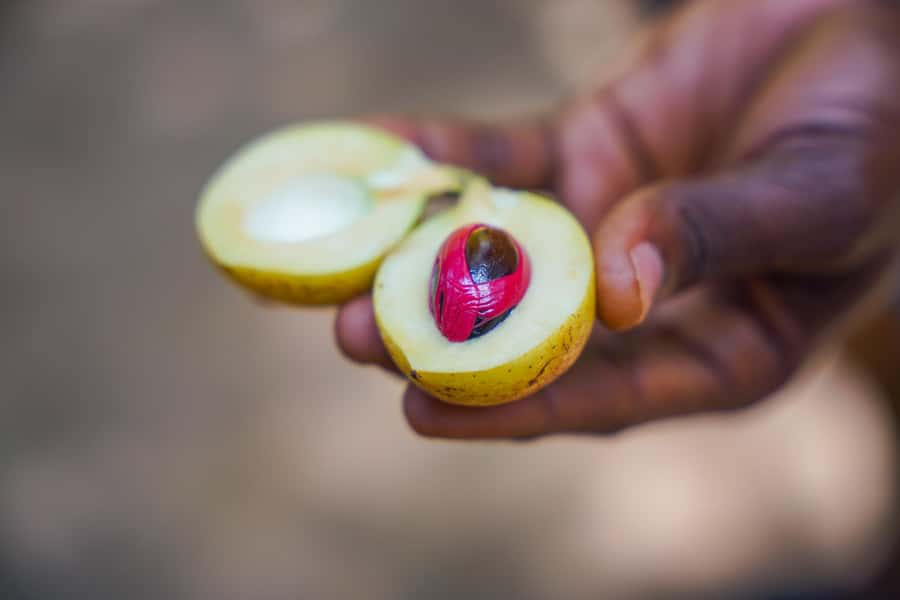
Cloves are among the most important crops in Zanzibar’s story. Their strong, sweet scent makes them easy to recognize, and they offer a clear link between the plant in front of you and the spice used in cooking.
Cinnamon gives you another memorable stop. You may see the bark and smell its warm fragrance before connecting it with desserts, tea, and savory dishes.
Vanilla, nutmeg, ginger, pepper, and chili show how wide Zanzibar’s spice range is. Each has a different role in the kitchen, and the guide explains those uses as you move through the farm.
Lemongrass brings a fresh, citrus-like aroma. Tamarind adds a sharp, sour note. Ylang-ylang is especially interesting because it is associated with fragrance as well as plant use.
The tour does not depend on one single famous crop. That variety gives you a better sense of why Zanzibar earned its nickname. It also means the visit remains engaging even if you already know your cinnamon from your pepper.
A fruit tasting that adds real local flavor
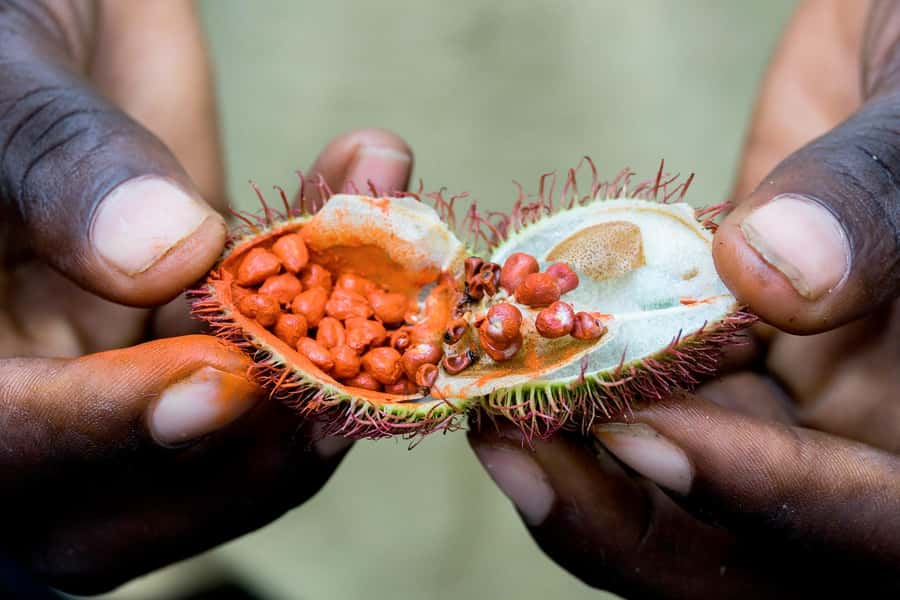
The fruit portion is more than a small extra snack. You can taste mangoes, passion fruit, avocado, papaya, local grapefruit, bananas, pineapple, and other tropical produce.
This is a useful contrast with the spices. Spices often provide scent and heat, while the fruit gives you sweetness, acidity, creaminess, or freshness. It turns the farm visit into a broader introduction to local food.
The fruit selection may vary, so do not expect every item to appear in equal amounts. Still, the chance to taste produce in the place where it grows is one of the stronger parts of the outing.
If you enjoy food-focused activities, this is where the tour earns much of its appeal. You can sample ingredients first and then notice how local cooks use them at lunch.
More farm tours around the world:
- Half-Day Thai Cooking Class at Organic Farm in Chiang Mai
★ 5.0 · 19,087 reviews - Florence Pizza or Pasta Class with Gelato Making at a Tuscan Farm
★ 5.0 · 6,801 reviews - From Porto: 2 Wine Regions, Farm-to-Table Lunch & Boat
★ 4.9 · 5,724 reviews - Cooking Class and Lunch at a Tuscan Farmhouse with Local Market Tour from Florence
★ 5.0 · 4,831 reviews
Traditional lunch at the farm
Lunch is served at the farm and features traditional Zanzibar cuisine. The meal is cooked in a local kitchen and seasoned with herbs and spices connected to the tour.
That setting matters. Instead of learning about local food in the abstract and then eating at a standard restaurant, you see the crops and later taste their place in a meal.
The food has received strong praise for both flavor and presentation. You should expect a meal designed around the theme of the day, not a generic packed lunch.
The exact menu is not specified, so do not book this expecting a particular dish. The safe expectation is a Swahili-style meal prepared with local ingredients and spices.
This part of the tour also gives you a natural pause after walking through the farm. The meal is not merely a practical stop. It ties together the plants, cooking methods, and food culture you have been learning about.
What the $60 price includes
The cost is $60 per person. That is a fair value if you make use of the full package: hotel pickup and return, the farm visit, guide service, local lunch, bottled water, and all taxes, fuel surcharges, and service fees.
Transport adds real value in Zanzibar. You do not need to arrange a separate taxi to reach the rural farm or negotiate a return ride after lunch.
The included meal also makes the price easier to assess. A bare plantation walk would offer less, especially if you had to pay separately for food and transport.
I would compare this with the cost of arranging private transport and finding a farm independently. The tour gives you a planned route, interpretation in several languages, food, and a direct link to local culture.
Still, $60 is not a low-cost casual outing for every budget. If you only want to see a few spice plants, you may find it more than you need. If you want transport, context, fruit tasting, and lunch in one package, the price makes more sense.
Transport and the one important booking concern
Hotel pickup and drop-off are included, and several accounts describe the transport as punctual and well organized. That convenience is important because the farm is in the Unguja South Region, away from the main beach areas.
The available information does not give a fixed tour length, pickup time, group size, or a complete list of hotel coverage. You should confirm those details before booking, especially if you are staying outside the main resort areas.
There is one serious warning to keep in mind. One customer reported that the promoter did not arrive at the hotel, failed to answer emails, and provided a phone number that was not assigned. The customer also said another contact claimed there was no reservation.
That account conflicts with several strong reports describing smooth pickup and return. The sensible approach is simple: save the booking confirmation, check the pickup point and time, and contact Amaya Tours Company Limited before the day of the tour.
You can reserve now and pay later, which helps if your Zanzibar plans may shift. Cancellation is allowed up to 24 hours in advance for a full refund.
Who will enjoy this tour most
I would recommend this outing to anyone who wants more than a beach day. It works especially well for people interested in cooking, farming, trade, local customs, and the everyday side of Zanzibar.
Families may like the combination of smells, tasting, short explanations, and lunch. Children often respond better to a spice when they can smell and touch it rather than see it in a jar.
Food lovers should also take a close look. The chance to connect fresh fruit and raw spices with a traditional meal gives the experience a clear purpose.
It suits first-time visitors who want an easy introduction to the island’s rural side. The included transport and multilingual guiding reduce the work involved in planning a separate farm visit.
You may want to skip it if you dislike food tastings, warm outdoor walks, or visits built around explanation. The tour is educational by design, and the value comes from paying attention to the plants and their uses.
How to get the most from the visit
Wear something comfortable for a farm setting and choose footwear that you do not mind using outside resort grounds. The supplied information does not specify the walking surface, so practical clothing is safer than beachwear alone.
Bring curiosity rather than a strict checklist. You may not encounter every spice in the same way, but the range from cloves and cinnamon to chili and ylang-ylang gives you plenty to notice.
Ask the guide about the cooking and medicinal uses of each plant. Those explanations are where the activity moves beyond scent and photography.
Pay attention during the fruit tasting. Local grapefruit, passion fruit, tamarind, and avocado offer flavors that may differ from what you regularly find at home.
If you plan to buy spices as gifts, leave room in your luggage. The tour encourages you to purchase spices for friends and family, and this is a more personal souvenir than a generic beach-shop item.
You should also confirm the contact details before departure. That small step addresses the one major organizational concern without taking away from the cultural value of the outing.
Buying spices to take home
The farm visit gives you a chance to buy spices for friends at home. This turns the souvenir into a reminder of the actual place where you learned about it.
Cloves, cinnamon, ginger, pepper, chili, and other products may appeal to different cooks. You can choose something familiar, or bring home an ingredient you first encountered during the tour.
Ask about how to store and use anything you buy. The guide explains culinary uses during the experience, so this is a good moment to ask practical questions.
Keep your purchases within the rules of your destination country. The tour information does not give customs guidance, so you remain responsible for checking what food products you can legally carry home.
Is the Spice Farm tour worth booking?
I would book this tour if you want a well-rounded day outside Zanzibar’s resort areas. The strongest features are the hands-on spice presentation, fresh fruit, local lunch, multilingual guide options, and included hotel transport.
The $60 price is reasonable when you count those inclusions together. The food and transport received especially strong praise, and the farm setting gives the history of the Spice Island a clear, human connection.
I would not book without confirming the pickup details. One failed reservation is too serious to ignore, even though the broader experience has been praised for smooth organization.
For food lovers, families, first-time visitors, and anyone curious about Zanzibar beyond its beaches, this is a worthwhile choice. If you want only a quick photo stop or a cheap half-day activity, look carefully at the price and included features before deciding.
FAQ
Where is the Spice Farm tour located?
The tour takes place in the Unguja South Region of Zanzibar, Tanzania, in rural areas with villages and spice plantations.
How much does the tour cost?
The price is $60 per person.
Is hotel pickup and drop-off included?
Yes. Pickup from your hotel and return transport are included.
What food is included?
You receive a local lunch at the farm, featuring traditional Zanzibar cuisine prepared with local herbs and spices. Tropical fruit such as mangoes, passion fruit, avocado, papaya, grapefruit, bananas, and pineapple is also available to taste.
Which spices can you learn about?
The tour covers cinnamon, vanilla, nutmeg, lemongrass, cloves, ylang-ylang, cumin, ginger, pepper, tamarind, chili, and other spices and herbs.
Which languages are available?
Guiding is available in English, Italian, German, French, and Russian.
Can I cancel the tour or pay later?
Yes. You can reserve and pay later, and you can cancel up to 24 hours before the tour for a full refund.
Newly listed farm visits around the world
- Half-Day Farm Visit and Cow Milking Experience★ 5.0 · 16 reviews
- Boutique tour , Mt Maunganui, NZ farm, Rotorua lakes/geothermal★ 4.5 · 50 reviews
- Gourmet Mushroom Farm Tour in Tennessee★ 5.0 · 5 reviews
- Cozy Farm Experience with Wagon Wheels and Acoustic Meal★ 5.0 · 2 reviews
- Animal farm park with free hotel pickup★ 5.0 · 2 reviews
- Alpaca Farm Tours with Toffeemont★ 5.0 · 8 reviews
- Private, via beaches, Kiwi farm to Rotorua 8 lakes & Geothermal★ 5.0 · 20 reviews
- 1D Tour to Cingjing Farm from Taichung★ 4.5 · 3 reviews
Spice Farm Tours, compared.

Full-Day Private Stone Town +Spice Farm and Prison Island Tour
Read our review →
Zanzibar: Stone Town & Spice Farm Tour with Lunch
Read our review →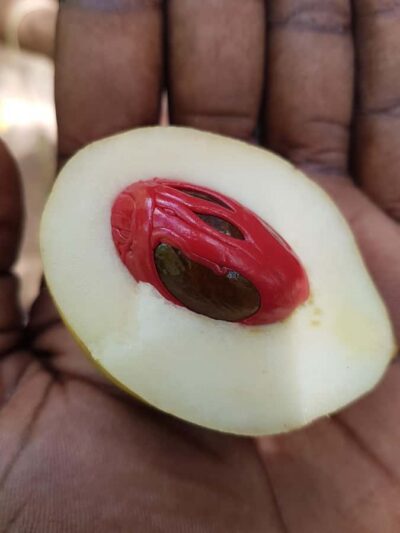
Zanzibar full day Jozani forest + Spice farm and stone town
Read our review →
Zanzibar: Spice Farm Tour with Traditional Cooking Lesson
Read our review →
Penang Round Island Tour With Tropical Spice Garden & Entopia Butterfly Farm
Read our review →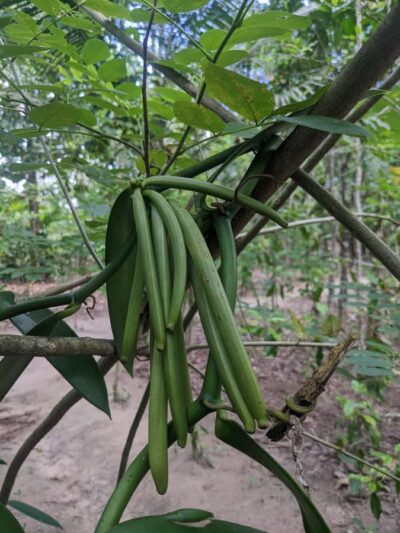
Spice Farm Bike Tour: Pedal Through Aromatic Adventures
Read our review →
FROM NUNGWI: STONE TOWN, SPICE FARM TOUR AND PRISONAL ISLAND
Read our review →
Spice farm,Stone town and Jozani forest tour with lunch
Read our review →Browse the lists this tour appears in