

Review · ZANZIBAR
Spice farm,Stone town and Jozani forest tour with lunch
Zanzibar’s spice farms turn familiar kitchen smells into living plants. On this walking tour, you can touch cinnamon, smell lemongrass, taste fruit, and see how cloves, nutmeg, vanilla, turmeric, and black pepper are grown. I love that the farm visit is hands-on rather than just a quick stop at a shop.
I also like the route’s variety: Jozani Forest adds a chance to see Zanzibar’s red colobus monkeys, while Stone Town gives you a look at the island’s built heritage. The main thing to consider is transport. Hotel transfer is not included in the $85 price, although a reasonably priced transfer can be arranged.
Key points
- Spices are shown growing in the soil and on trees, not just displayed in packets.
- Smelling and tasting are part of the farm visit, with cloves, cinnamon, vanilla, turmeric, tropical fruit, and more.
- Jozani Forest is included for the chance to see Zanzibar’s red colobus monkeys.
- A local pilau lunch is covered in the price, along with entry fees, government tax, and a guide.
- Mohamed is a useful name to request, and driver Eddy has also handled transport for this tour.
- Bring cash for the spice stall, since packaged spices are sold separately and the stall accepts cash only.
The spice farm: Zanzibar’s kitchen in living form
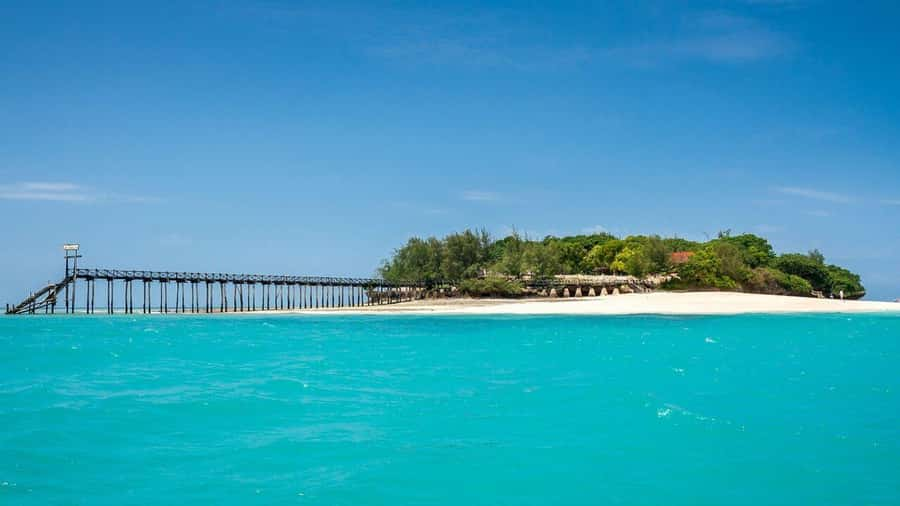
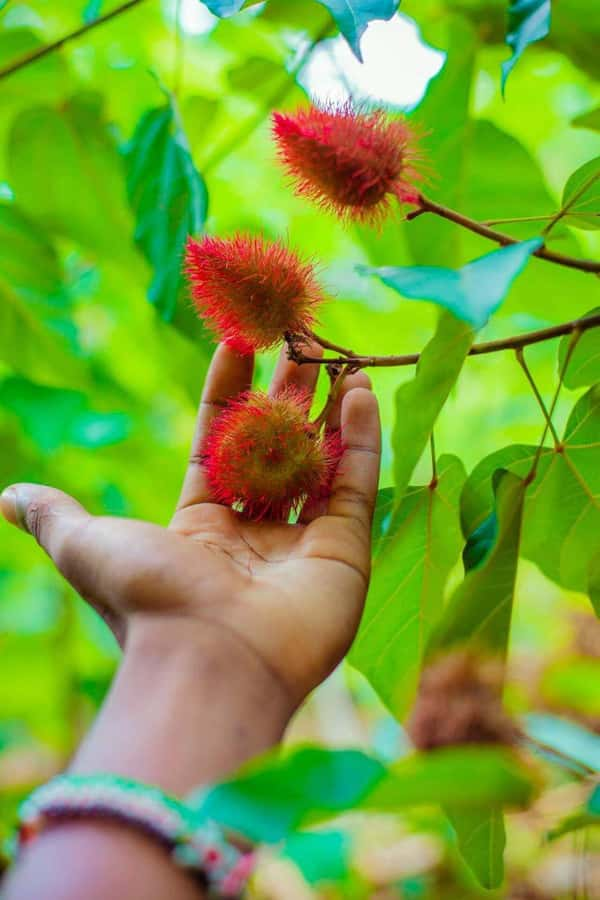
The first major stop is a walking tour through an organic spice farm, known locally as a shamba. Zanzibar earned its nickname, Spice Island, from crops such as cloves, nutmeg, and cinnamon, and this visit gives you a simple way to understand that reputation.
I like this kind of farm visit because it corrects a common travel habit. You may know the smell of cinnamon from a kitchen jar, but seeing the plant and handling the bark gives the spice a real place and shape. The same goes for cloves, cardamom, black pepper, vanilla, turmeric, and chili.
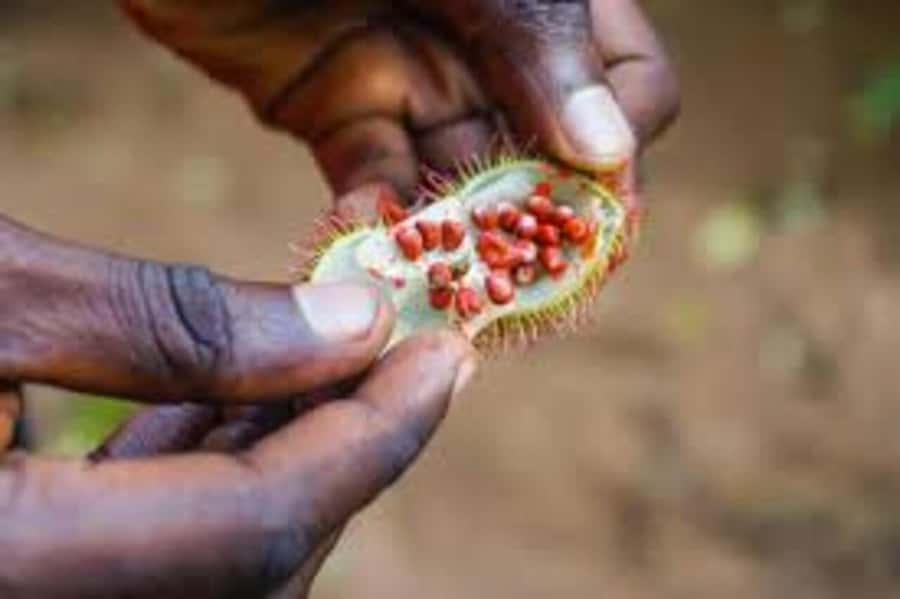
Your guide explains how the plants are grown and cultivated. The exact mix changes with the season, but the farm has a wide range of spices, herbs, and fruit available throughout the year. You can expect to smell and taste some of the produce rather than simply walk past labelled plants.
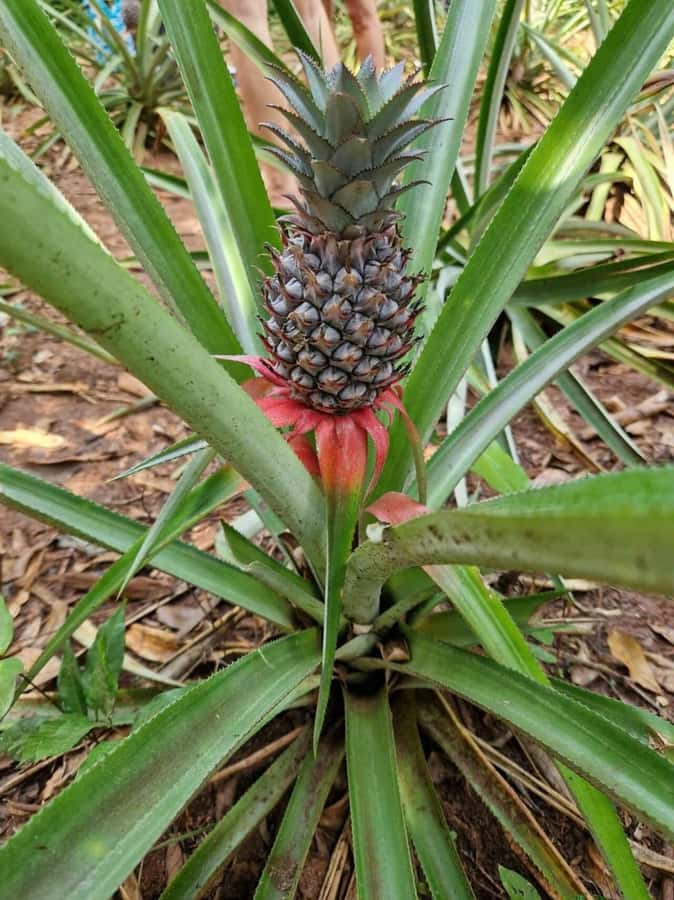
The list is generous: cloves, lemongrass, nutmeg, cinnamon, turmeric, vanilla, coconuts, papaya, chili, black pepper, jackfruit, cardamom, cassava, and oranges are all part of the farm’s produce. Some may be easier to find or more fruitful than others when you visit, since farms are working places and plants do not follow a sightseeing schedule.
That makes the visit more interesting, but it also means you should not expect a polished botanical garden. The appeal is practical and local. You are seeing crops used in food, trade, and daily life, with a guide helping you connect the plant to the spice in your cupboard.
Wear comfortable clothes and shoes suitable for walking. The provided information does not specify the length of the farm walk, so it is sensible to prepare for uneven outdoor ground and warm weather without assuming the path will be paved throughout. Check the weather and your own health before setting out.
More Spice Farm Tours in the world:
- Zanzibar: Prison Island, Stone Town, & Spice Farm Tour
★ 4.5 · 579 reviews - Full-Day Private Stone Town +Spice Farm and Prison Island Tour
★ 4.5 · 216 reviews - Zanzibar: Stone Town & Spice Farm Tour with Lunch
★ 4.5 · 97 reviews
Smelling, tasting, and learning at a working shamba
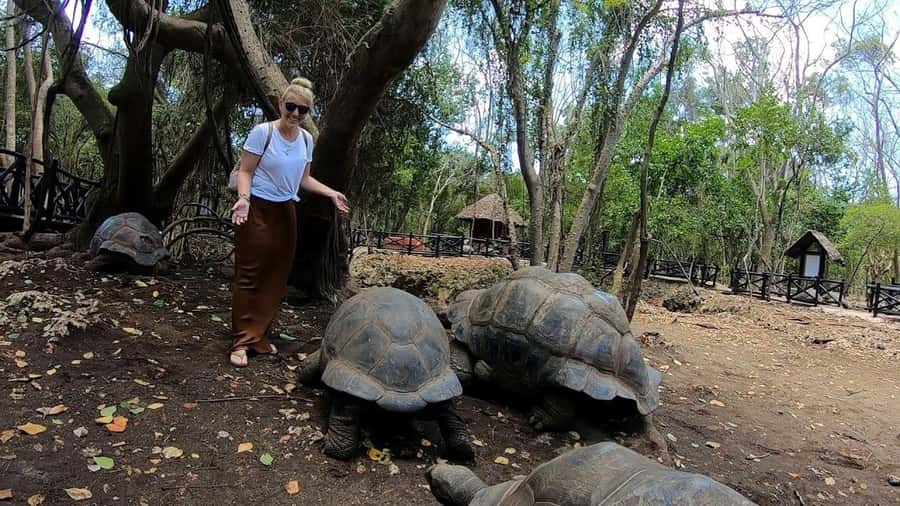
The best part of the farm stop is its use of the senses. Smell helps you identify the difference between fresh leaves, bark, seeds, and dried spices. Tasting gives you another way to remember the visit, especially when tropical fruit is available.
You may encounter sweet, sharp, earthy, hot, and citrus-like flavors in a short stretch of the farm. Lemongrass and citrus offer a fresh scent. Chili and black pepper bring heat. Cinnamon and vanilla are more familiar, but seeing their plant sources adds useful context.
Coconuts are also part of the experience, along with fruits such as papaya, jackfruit, oranges, and cassava. The farm is not only about seasonings. It shows how a tropical food garden can provide fruit, roots, herbs, and cooking ingredients together.
The visit ends with a spice stall where you can buy fresh, packaged spices. Bring cash, since the stall is cash only. This is a practical souvenir stop, but do not feel pressured to buy. The tour already includes the farm visit, entry fee, guide, tax, and lunch, while purchases at the stall are extra.
One useful detail is that tips for the farm workers are already included in the tour price. A general tip remains optional, but you do not need to worry about finding a separate payment for the farm staff. That keeps the end of the visit straightforward.
Jozani Forest and the red colobus monkeys
After the farm, the route continues to Jozani Forest. The main reason to visit is the red colobus monkey, one of Zanzibar’s most distinctive animals. The tour specifically highlights the chance to see them, and one reported outing saw many monkeys in the forest.
Animal sightings can never be guaranteed, so keep your expectations sensible. The forest stop is valuable because it adds wildlife to a day otherwise centered on plants, food, and urban heritage. You are not simply looking at another collection of spice plants.
The order of the three main stops can matter. If you want to avoid the busiest conditions, ask Mohamed about the day’s timing and routing. A recent booking praised him for reaching locations before they became crowded, which suggests that early planning may improve the feel of the visit.
That said, no exact start time, group size, or duration is provided. Do not book this excursion expecting a guaranteed private tour or a fixed number of hours at each stop unless the operator confirms those details. Ask about the pickup plan, the time available in Jozani, and the Stone Town portion before paying.
You should also remember that this is an outdoor stop. Comfortable clothes, a camera, and attention to the weather are sensible choices. Flashlights are not allowed, and neither are weapons, sharp objects, alcohol, or drugs.
Stone Town: a compact heritage stop

The final part of the route is Stone Town, Zanzibar’s historic urban centre. The experience includes a visit to the Stone Town heritage centre, giving you a change of pace after the farm and forest.
The supplied details do not set out a full walking route or name individual buildings, so you should not assume that every famous Stone Town sight is included. Think of this as a heritage stop within a wider excursion, not necessarily as a complete city tour.
This is still a worthwhile finish. The farm explains Zanzibar through agriculture and trade, Jozani adds wildlife, and Stone Town shows the island through its old town setting. Together, the three stops give you a broader picture than a single-site excursion.
If Stone Town is your main reason for visiting Zanzibar, you may want a separate, longer walking tour. If you want a compact introduction combined with the spice farm and Jozani, this arrangement is more efficient.
The guide’s role matters here. Mohamed has been praised for explaining each destination clearly and for communicating well. Guides can make a short heritage visit much more useful by pointing out what you are seeing instead of leaving you to walk around without context.
More Lunch Experiences in the world:
- From Porto: 2 Wine Regions, Farm-to-Table Lunch & Boat
★ 4.9 · 5,724 reviews - Cooking Class and Lunch at a Tuscan Farmhouse with Local Market Tour from Florence
★ 5.0 · 4,831 reviews - Tromsø: Reindeer Camp and Sami Cultural Tour with Lunch
★ 4.7 · 3,326 reviews - Montserrat Lunch & Wine at Farmhouse Small Group from Barcelona
★ 5.0 · 2,368 reviews
What lunch adds to the $85 price
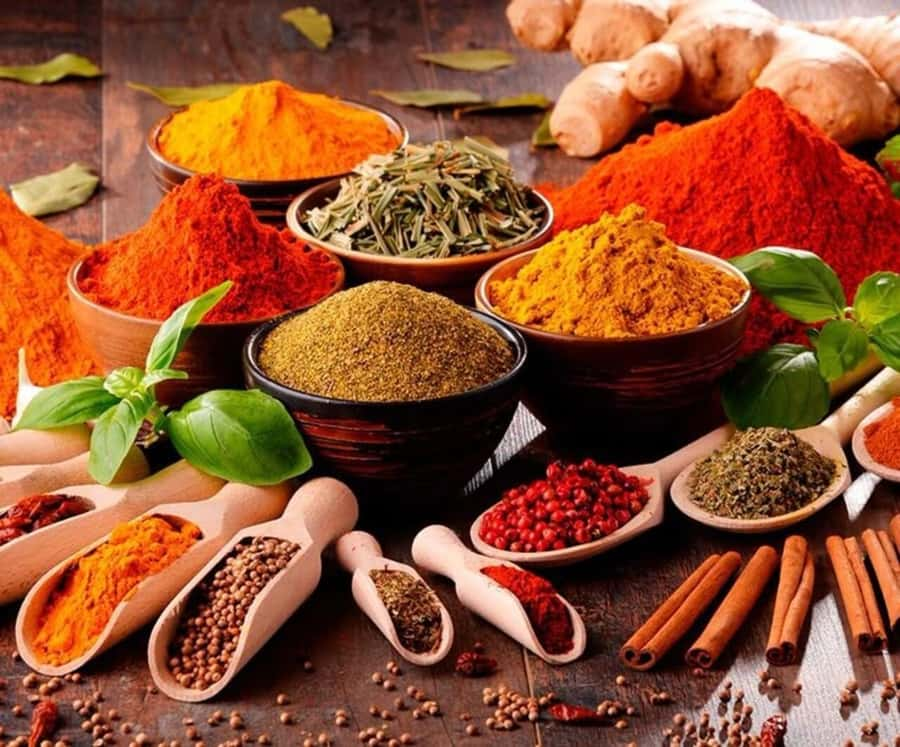
Lunch is included, with local spice food in the form of pilau. That is a good match for the day. You have just seen the plants behind many cooking ingredients, then you get to taste a dish built around spices rather than stopping for an unrelated meal.
The price is $85 per person. Included in that amount are entry fees, a tour guide, government tax, and lunch. Hotel transfer is not included, though the operator can arrange one for an additional fee.
That makes the value depend partly on your starting point and transport needs. If you already have transport or can arrange it easily, the price covers the core experience well: three major stops, a guide, admission costs, and a local meal. If you need a hotel pickup and return, ask for the transfer cost before booking so you can compare the true total.
The tour also saves you from arranging separate tickets for the farm and Jozani Forest. It combines countryside, wildlife, food, and Stone Town in one outing. The trade-off is that a wide route can leave less time for close exploration at each stop than a single-purpose tour.
Tips are optional overall, while farm-worker tips are already included. Carry extra cash for the spice stall and any tip you may wish to give your guide or driver. The available information identifies Mohamed as a guide and Eddy as a driver on recent arrangements, so you can ask whether they will be handling your booking.
Guides, drivers, and the practical side of the day
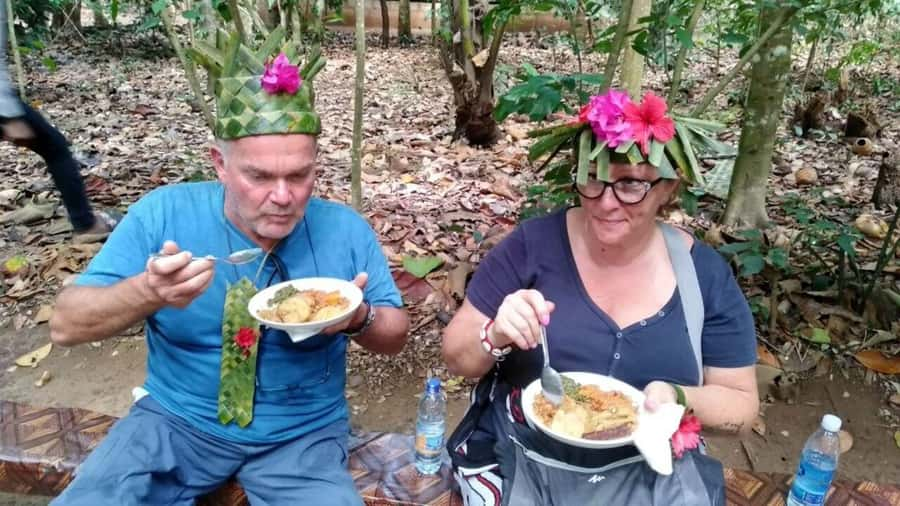
A good guide is especially useful at a spice farm. Without explanation, a clove tree or vanilla plant can look ordinary. With a guide, you understand what you are smelling, how it is used, and why Zanzibar built its reputation around these crops.
Mohamed is the guide name associated with the strongest praise for this experience. He is described as patient, clear, and good at explaining each destination. Eddy has also been identified as a capable driver. These names are worth requesting, although availability may vary.
Transport needs attention because it is the main cost not covered by the listed price. If you want a pickup from your accommodation, ask the operator to quote it in advance. Do not assume it is included simply because the tour visits several locations.
The tour is offered in English, French, and German. That gives you a useful choice when booking, especially because the guide’s explanations are central to the value of the farm and heritage stops.
The experience is not suitable for babies under one year or people over 95 years. The information also asks you to check your health condition and the weather. That advice is worth taking seriously because the itinerary includes outdoor walking and several stops in one outing.
What to bring and what to leave behind
Pack light, but bring the basics:
- Comfortable clothes for walking
- A camera
- Cash for the spice stall
- Weather-appropriate protection
You do not need to bring a flashlight, and flashlights are not allowed. Weapons, sharp objects, alcohol, and drugs are also prohibited.
A camera is particularly useful at the farm and in Jozani Forest, but keep your attention on the guide and surroundings. The point of the farm visit is to see and smell the plants, not only to photograph labels.
Because no duration is given, avoid scheduling a tight appointment immediately afterward. The route includes three separate destinations, lunch, and transport between them. Ask the operator for the expected start and return times when you book.
Who will enjoy this combination most?
I would recommend this tour to you if you want a broad introduction to Zanzibar rather than a single focused activity. It works well for someone curious about local food, plant cultivation, wildlife, and Stone Town but short on time.
It also suits people who like guided explanation. The experience is not simply a vehicle ride between photo stops. The farm in particular makes more sense when someone identifies the plants and explains how they are used.
Families with very young babies should choose another activity, since infants under one year are not considered suitable. Older visitors should also check the physical demands and health guidance before booking.
You may want a different plan if your priority is a long, detailed Stone Town walk, a dedicated wildlife outing, or a quiet beach day. This tour covers several themes, which is its strength, but also means none of them receives the entire day.
The $85 price is fair when you value the included lunch, admission fees, tax, and guide. Add the transfer charge to your calculation, then compare the total with arranging each stop separately.
Should you book this Zanzibar tour?
Book it if you want three very different sides of Zanzibar in one organized outing: spice farming, red colobus monkeys, and Stone Town heritage. The sensory farm visit and local pilau lunch give the day a clear connection to Zanzibar’s food culture, while Jozani adds an important wildlife stop.
I would also choose it if you prefer a guide who can handle the route and explain what you are seeing. Ask for Mohamed if available, confirm the driver and pickup cost, and check how much time is planned at each stop.
Skip it if you want a slow, specialist visit to only one place or if extra transport costs make the total too high. For most people seeking a varied introduction to the island, this is a practical and well-balanced choice.
Cancellation is allowed up to 24 hours before the tour for a full refund, and you can reserve now and pay later. That flexibility helps if the weather is uncertain, but you should still check conditions before setting out.
FAQ
What is included in the $85 price?
The price includes entry fees, a tour guide, government tax, and lunch consisting of local spice food pilau.
Is hotel transfer included?
No. Transfer is not included in the listed price, but you can request one from the operator for an additional fee.
What will I see at the spice farm?
You will see spices, herbs, and tropical fruits growing and being cultivated. The farm may include cloves, lemongrass, nutmeg, cinnamon, turmeric, vanilla, coconuts, papaya, chili, black pepper, jackfruit, cardamom, cassava, and oranges.
Can I buy spices during the tour?
Yes. The tour finishes at a stall selling fresh, packaged spices. The stall accepts cash only.
Which languages are available?
The tour is available in English, French, and German.
Is the tour suitable for everyone?
It is not suitable for babies under one year or people over 95 years. You should check the weather and your health condition before going.
Newly listed farm visits around the world
- Half-Day Farm Visit and Cow Milking Experience★ 5.0 · 16 reviews
- Boutique tour , Mt Maunganui, NZ farm, Rotorua lakes/geothermal★ 4.5 · 50 reviews
- Gourmet Mushroom Farm Tour in Tennessee★ 5.0 · 5 reviews
- Cozy Farm Experience with Wagon Wheels and Acoustic Meal★ 5.0 · 2 reviews
- Animal farm park with free hotel pickup★ 5.0 · 2 reviews
- Alpaca Farm Tours with Toffeemont★ 5.0 · 8 reviews
- Private, via beaches, Kiwi farm to Rotorua 8 lakes & Geothermal★ 5.0 · 20 reviews
- 1D Tour to Cingjing Farm from Taichung★ 4.5 · 3 reviews
Spice Farm Tours, compared.

Full-Day Private Stone Town +Spice Farm and Prison Island Tour
Read our review →
Zanzibar: Stone Town & Spice Farm Tour with Lunch
Read our review →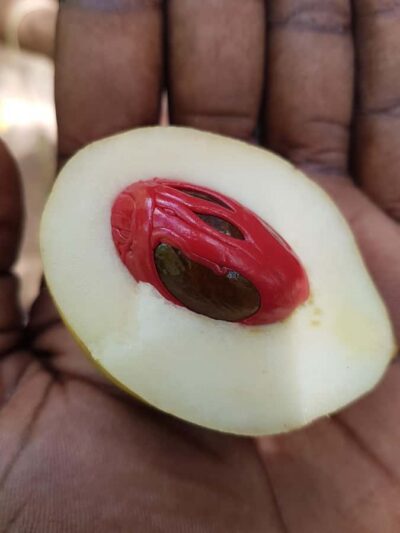
Zanzibar full day Jozani forest + Spice farm and stone town
Read our review →
Zanzibar: Spice Farm Tour with Traditional Cooking Lesson
Read our review →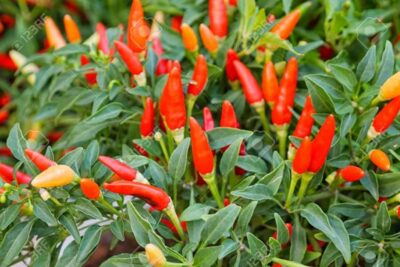
Penang Round Island Tour With Tropical Spice Garden & Entopia Butterfly Farm
Read our review →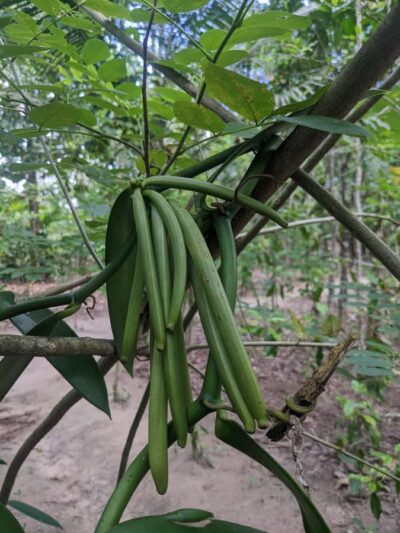
Spice Farm Bike Tour: Pedal Through Aromatic Adventures
Read our review →
FROM NUNGWI: STONE TOWN, SPICE FARM TOUR AND PRISONAL ISLAND
Read our review →Browse the lists this tour appears in