
Review · MEXICO
Urban Orchard in Desierto de los Leones in Mexico City
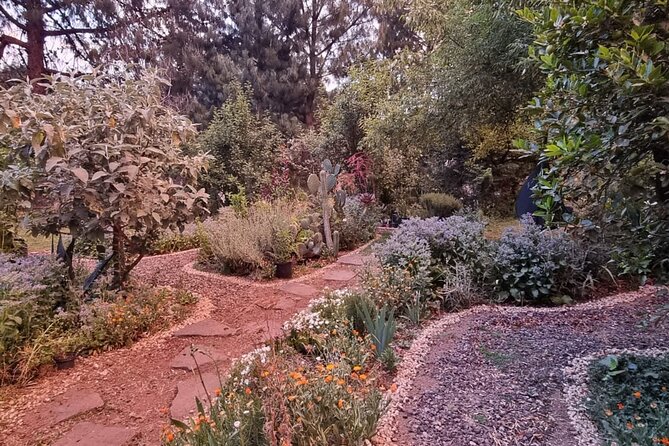
The most interesting part of this Mexico City outing is how quickly a garden becomes a working classroom. Near Desierto de los Leones, Rubén and David show you edible flowers, medicinal plants, composting methods, chickens, bees, birds, and the small choices that help an urban orchard thrive. You do not simply look at plants. You crush leaves, smell them, taste them, and use fresh produce in a simple dish.
I like the hands-on plant work and the calm change of pace from central Mexico City. I also like the personal scale: this is a private activity for your group, led by Rubén and David rather than a large tour operation. The main consideration is the drive. Traffic can make the trip from Roma Norte take 45 minutes to an hour each way, so the five-hour outing uses much of your day.
Key points before you book
- A private orchard near Desierto de los Leones: Only your group participates, making it easier to ask questions and set the pace.
- Rubén and David lead the visit: Rubén focuses on welcoming storytelling and the garden’s wider purpose, while David explains plant qualities and helps with traditional Mexican cooking.
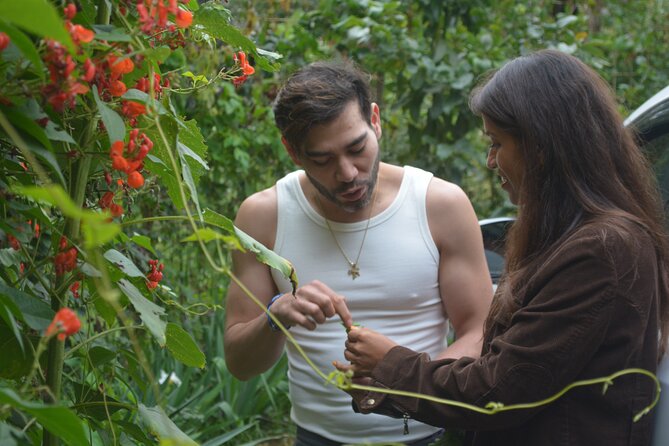
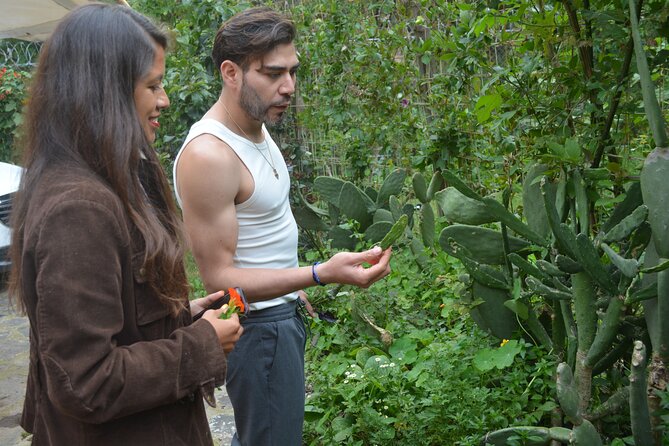
- All five senses are part of the tour: You may crush leaves for fragrance, taste edible plants, listen for birds and insects, and handle fresh produce.
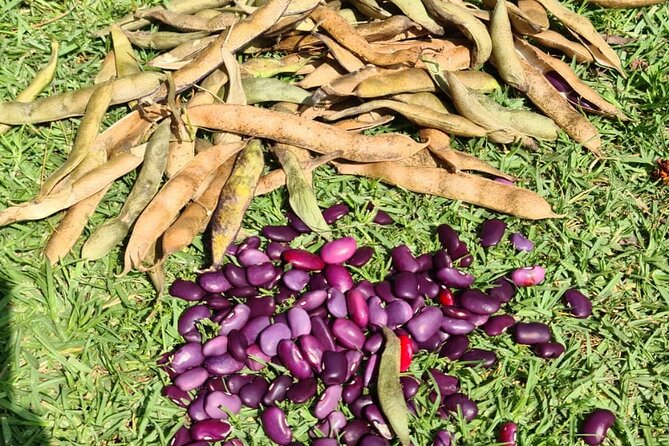
- Foraging leads to lunch-size creativity: You gather what is available that day and use it to imagine something simple to eat.
- A living ecosystem, not just a collection of plants: Chickens, bees, birds, and hummingbirds are part of the orchard’s story.
- Plan around traffic and weather: The outing runs Monday through Saturday, takes about five hours, and can be canceled for poor weather.
From Roma Norte to a quieter corner of Mexico City
The meeting point is on Avenida Chapultepec in Roma Norte, at the edge of one of Mexico City’s most convenient central areas. From there, you travel in an air-conditioned vehicle toward the orchard. The stated drive is 45 minutes to an hour, but Mexico City traffic can stretch that timing, so I would avoid scheduling anything tight afterward.
This transfer is not just a practical nuisance. It marks the shift from dense city streets to the cooler, greener setting around Desierto de los Leones. You will receive some context about the area during the outing, and the change helps explain why this garden feels so removed from central Mexico City even though you begin in Roma Norte.
The tour returns to the original meeting point. Coffee or tea and snacks are included, but alcoholic drinks are not. Since this is a private activity, you can ask for explanations about plants, cooking, compost, or urban growing without waiting for a large group to catch up.
More Fruit Picking Farms in Mexico:
- Valencia: Orange Farm and Orchard Trip with Tastings
★ 4.9 · 702 reviews - Kamananui Cacao Orchard Tour
★ 5.0 · 132 reviews - Traditional Olive Grove and Dragon Fruit Farm Tour
★ 4.8 · 118 reviews
Entering Rubén and David’s working orchard
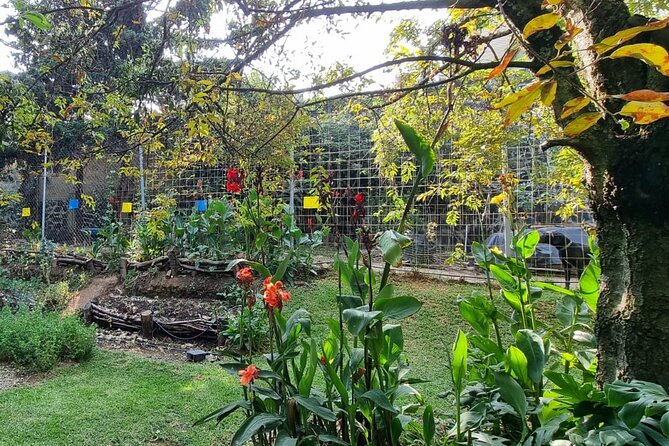
The orchard is the heart of the experience. Instead of following a rigid checklist of famous plants, you explore the space and learn how its trees, vegetables, flowers, and other plants work together. The garden has been built through techniques that the hosts have adapted or developed themselves, so the focus is as much on process as on plant identification.
That distinction matters. You are not visiting a formal botanical garden with labels and paved paths. You are seeing a productive place shaped by daily care. The useful questions are practical ones: how does compost support the soil, how do chickens fit into the system, and how can an urban garden attract birds and insects?
Rubén is the warm, welcoming storyteller of the experience. His style makes the garden accessible even if you know little about botany. David explains the qualities of different plants and adds a strong cooking element, including traditional Mexican food knowledge. Together, they give the visit both a scientific side and a very human one.
You can expect the hosts to explain the role of selected species within the soil and the wider garden system. Some plants may be discussed for their health benefits or medicinal uses. Treat those explanations as part of the tour’s cultural and gardening education, not as personal medical advice.
Letting your senses lead the way
This outing asks you to pay attention in a way most city tours do not. You may crush a leaf between your fingers to release its scent, taste an edible plant, examine a flower, or notice how texture changes from one plant to another. Those small actions make the garden easier to remember than a list of names.
Sound is part of the visit, too. Birds and insects come and go through the orchard, and the garden has become attractive to several species. Hummingbirds have been seen visiting the flowers, while bees and other insects help show how an orchard can support more than human appetites.
I especially like this sensory approach because it makes the subject approachable. You do not need a background in botany, sustainability, or urban planning. If you already garden, you can ask more technical questions. If you simply enjoy cooking or plants, you can focus on fragrance, flavor, and useful ideas for home.
The pace should also suit anyone looking for a quiet few hours. There is no rush to collect photographs and move to the next sight. The point is to notice the details that normally disappear when you walk through a city.
Foraging, fresh produce, and a simple dish
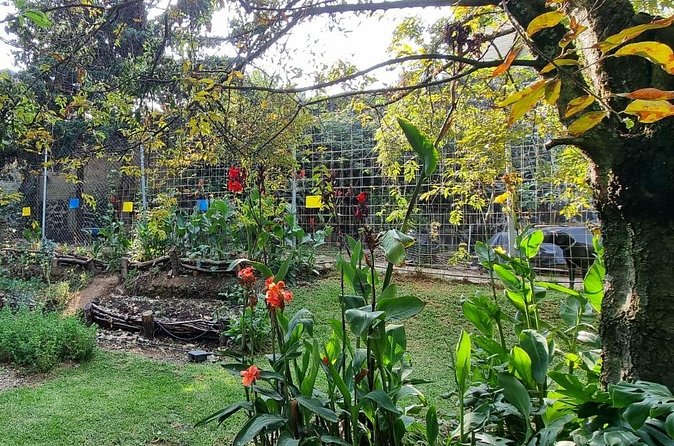
Later, you shorten the distance between garden and plate by gathering what is available in the orchard that day. The exact produce depends on the season and the garden’s current supply, so you should not arrive expecting one fixed menu.
This is one of the stronger parts of the experience. You learn that food is not an abstract item on a restaurant menu. It has a place, a season, a scent, and a texture. The activity turns those ideas into something practical by asking you to imagine a simple but satisfying preparation with very fresh ingredients.
David’s cooking knowledge adds another layer. One particularly memorable possibility is learning about oleocitrate of lemon, a preparation that uses more of the food than many people normally do. That lesson fits the orchard’s larger message: careful cooking begins with paying attention to what ingredients can offer.
The food component is creative rather than a formal cooking class with a published menu. If you want a long, structured lesson with several courses, this may feel too informal. If you prefer to handle ingredients, ask questions, and make something connected to the garden, it should feel much more rewarding.
Coffee, tea, and snacks are included. Alcohol is not, and there is no reason to expect a full restaurant meal unless the day’s garden activity develops in that direction.
More farm tours around Mexico:
- Magical Todos Santos Tour, Camel Ranch, Lunch and Tequila
★ 5.0 · 672 reviews - Chapala Lake & Ajijic Tour with “Tres Potrillos Ranch”
★ 4.5 · 85 reviews - 3 Palos Lagoon AfroMex Village Turtle Release & Croc Farm Visit
★ 4.5 · 22 reviews - Full-Day Ranch Adventure and Horseback Riding Tour
★ 5.0 · 19 reviews
Why the orchard’s ecosystem matters
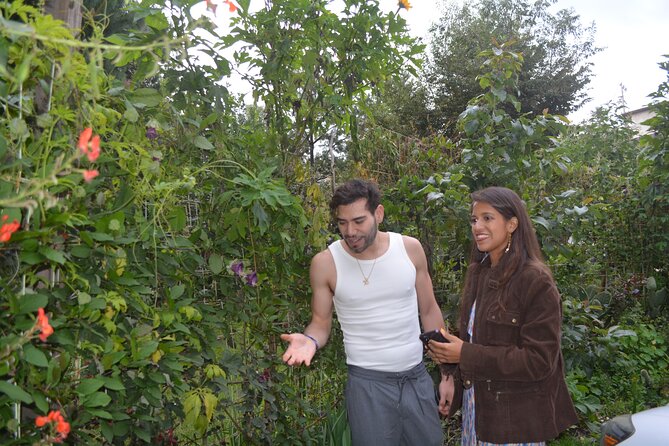
The most valuable lesson here is not simply that some plants are edible. It is that a garden can function as a small ecosystem. Compost, soil, plants, chickens, bees, birds, and people are all connected.
The hosts show how an urban orchard can become a refuge for local biodiversity. The presence of hummingbirds and other visiting creatures is not just a pleasant bonus. It helps you see the effect that thoughtful planting and care can have in a city setting.
You also get a look at the work behind that result. Composting is mentioned as an active part of the garden, and the chickens are cared for as part of the wider system. These details keep the visit grounded. This is not a polished green display that hides the labor involved.
For anyone interested in sustainability, the experience offers ideas that can be understood at a household scale. You may leave thinking about food waste, soil care, plant selection, or how even a small garden can make room for insects and birds. The value is practical rather than abstract.
How the five-hour schedule affects the value
At $75 per person, this is not a cheap add-on sightseeing stop. You are paying for about five hours, private transportation from Roma Norte, the hosts’ time, a personal garden visit, snacks, coffee or tea, and the chance to take part in foraging and food preparation.
The price makes the most sense for people who want a guided experience built around conversation and participation. A large public garden might cost less, but it would not give you the same access to the people who designed and maintain the space. A standard city sightseeing tour would cover more landmarks, but it would not offer this much time with one subject.
The drive is part of the calculation. With 45 to 60 minutes each way, transportation can account for a sizable part of the outing. That is a drawback if you have only one day in Mexico City and want to see major historic sites. It is a fair trade if you are ready to give half a day to plants, food, and quiet.
The activity usually receives bookings about 11 days ahead, so I would reserve it before arriving if the schedule matters. It operates Monday through Saturday between 9:30 a.m. and 4 p.m. Confirmation is provided when you book, and a mobile ticket is accepted.
Who will get the most from this visit

You should consider booking if you:
- Enjoy plants, gardening, cooking, or local food traditions.
- Want a break from central Mexico City’s traffic and dense streets.
- Prefer a private outing where you can ask plenty of questions.
- Are interested in composting, urban food production, or biodiversity.
- Like learning through touch, smell, taste, and observation.
- Want to meet local hosts rather than move from one landmark to another.
This is also a good choice for people with only a casual interest in plants. Rubén’s storytelling and David’s cooking explanations make the subject easy to enter. You do not need specialist training to appreciate the orchard.
I would be more cautious if you dislike long transfers, need a highly structured itinerary, or want a major historical attraction at every stop. The experience is gentle and focused. Its reward comes from attention, not spectacle.
Most participants can take part, and service animals are allowed. The activity is near public transportation, although the tour itself includes an air-conditioned vehicle from the meeting point. Since the experience depends on good weather, poor conditions can lead to a new date or a full refund.
Practical booking advice and cancellation terms
Choose comfortable clothing for a garden visit, and keep your schedule open after the return because traffic is unpredictable. The experience is offered in English, and only your group participates.
You can cancel for a full refund up to 24 hours before the start time. Cancellations or changes made less than 24 hours ahead are not refunded or accepted. The cut-off follows local Mexico City time, so check the clock carefully if you are booking from another time zone.
Should you book the urban orchard experience?
Book it if you want to see a quieter, more personal side of Mexico City and are willing to spend much of a day on one carefully focused experience. The combination of Rubén’s welcoming storytelling, David’s cooking guidance, hands-on plant work, and the orchard’s birds, bees, and chickens gives the outing a clear sense of place.
Skip it if your trip is built around famous sights, tight timing, or a formal cooking class. At $75, the value depends on your interest in the subject and your willingness to make the drive.
For plant lovers, home gardeners, food-minded visitors, and anyone curious about city-scale sustainability, I would book it. You leave with more than garden facts. You gain a useful picture of how food, soil, people, and wildlife can share a small space.
FAQ
Where does the activity begin?
It begins at Avenida Chapultepec in Roma Norte, postal code 06700, Mexico City.
How long does the experience last?
The activity lasts approximately five hours.
How long is the drive to the orchard?
The ride from the meeting point usually takes between 45 minutes and one hour, depending on traffic.
Is transportation included?
Yes. Transportation is provided in an air-conditioned vehicle, and the activity ends back at the original meeting point.
What food and drinks are included?
Coffee or tea and snacks are included. Alcoholic beverages are not included.
Is this a private tour?
Yes. Only your group participates in the activity.
What happens if the weather is poor?
The experience requires good weather. If it is canceled because of poor conditions, you can receive a different date or a full refund.
Newly listed farm visits around Mexico
- Farm to Table Cooking Experience in San Miguel★ 5.0 · 4 reviews
- Full-Day Ranch Adventure and Horseback Riding Tour★ 5.0 · 19 reviews
- Hands-on Mexican Farm Experience: from Cow to Cheese★ 5.0 · 9 reviews
- La Paz: Coral Farm Snorkel Tour★ 5.0 · 3 reviews
- La Paz: Pearl Farm Experience and shop★ 5.0 · 3 reviews
- Cozumel: Hands-On Chocolate, Tortilla, Salsa & Honey Experience★ 5.0 · 6 reviews
- Visit to Coffee Farm with Tasting in Coatepec★ 4.5 · 4 reviews
- San Miguel de Allende: Full-Day Ranch Adventure★ 4.8 · 3 reviews
Fruit Picking Farms, compared.

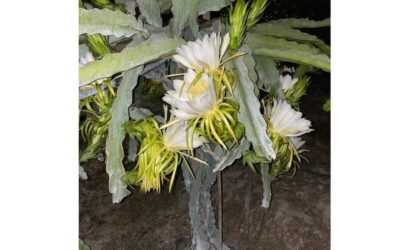
Traditional Olive Grove and Dragon Fruit Farm Tour
Read our review →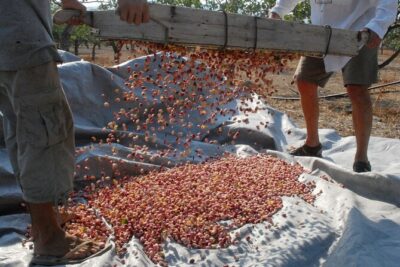
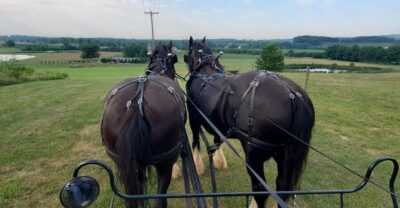
Gettysburg: Horse-Drawn Carriage Tour Countryside & Orchards
Read our review →

Aegina: Organic Pistachio Orchard Tour with Factory Visit
Read our review →
Mattituck Bike Wine Country and Fruit Orchard Tour
Read our review →Browse the lists this tour appears in