
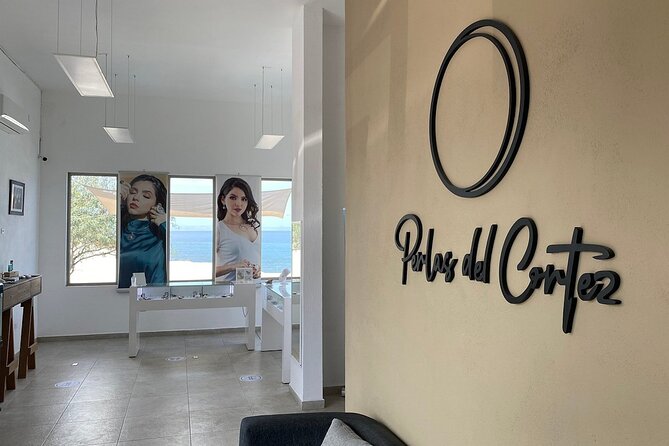
Review · MEXICO
La Paz: Pearl Farm Experience and shop
La Paz pearls have an unusually good story: the tour connects them to the region’s past, the crown of Queen Elizabeth, and the careful work needed to grow a pearl over about six years. You’ll see how a pearl seed is implanted, visit the laboratory, and get close to live marine organisms rather than simply browsing a jewelry counter.
I like the small, 12-person limit, which gives the English-speaking guide room to answer questions. I also like the clear mix of history and hands-on aquaculture, especially the chance to support the induction of a pearl. The main consideration is the price, $70.02 for roughly two hours, and souvenirs are extra.
Key points to know before booking
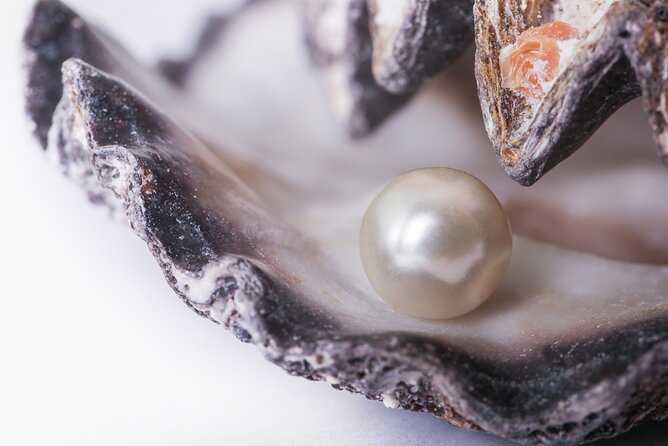
- A two-hour look at pearl farming: Follow the process from regional history to modern cultivation.
- An English-speaking guide: Ivan has led the experience and can explain pearl implantation and oyster care in English.
- A visit to the laboratory: See where the delicate work of cultivating oysters and placing pearl seeds takes place.
- Live marine organisms: The tour includes a closer look at the organisms involved in pearl production.
- A small group: The maximum is 12 people, useful for questions and a more personal visit.
- A shop visit at the end: You can browse the pearl collection, but food, tips, and purchases are not included.
Why La Paz pearls make a worthwhile short outing
This is not just a jewelry shopping stop with a quick sales talk attached. The focus is on how pearls are made, why they matter to La Paz, and what modern aquaculture requires.
The tour begins with the history of pearls in the region. That background gives the rest of the visit a useful frame. You learn that people have interacted with pearls in Baja for a long time, then see how Perlas de La Paz is working to bring oyster cultivation back into the area.
One detail gives the subject extra sparkle: the tour explains that a pearl associated with Queen Elizabeth’s crown came from La Paz. The experience presents this as part of the area’s pearl story and as a reason La Paz pearls gained such a strong reputation. I would treat it as an interesting piece of local context, not the only reason to book.
The six-year formation period is another helpful fact. A finished pearl looks simple, but the process is slow and delicate. The long growing period makes the laboratory work feel less like a factory operation and more like careful marine husbandry.
More Pearl Farm Tours in Mexico:
- La Paz: Pearl Farm Experience and shop
★ 5.0 · 7 reviews - Broken Bay Pearl & Oyster Farm Tours
★ 5.0 · 150 reviews - Incredible Islands Tour – Horizontal Falls & Cygnet Bay Pearl Farm
★ 5.0 · 96 reviews
Starting at Perlas de La Paz in the port area
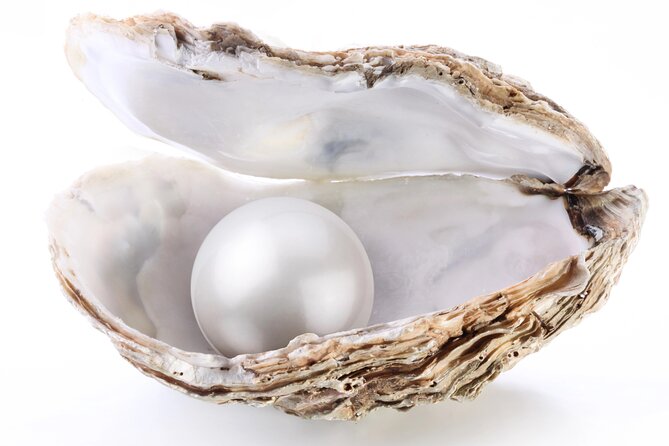
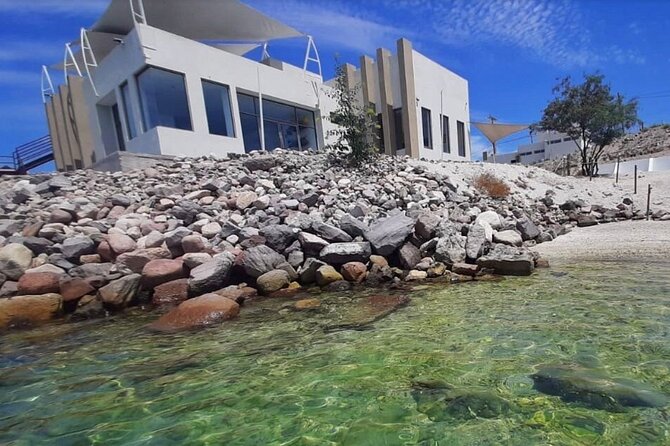
You meet at Tours Perlas de La Paz, at Avenida Central Poniente and Avenida Central Sur in the Recinto Portuario on Avenida Pichilingue. The address is in La Paz, Baja California Sur, postal code 23208.
The activity ends at this same meeting point. That makes the timing easy to manage if you are fitting the tour between other plans in La Paz. The location is near public transportation, though the supplied information does not specify a particular bus route or transfer method.
The meeting point matters because this is a focused visit rather than a citywide sightseeing tour. You are going to one place to learn about pearl cultivation, not moving among several attractions. For that reason, the two-hour length feels practical: long enough for explanation, the lab, and the shop, without taking up half a day.
Confirmation arrives when you book, and you receive a mobile ticket. The tour is offered in English. Since the group can include no more than 12 people, you have a better chance of hearing the explanations clearly and asking about the process.
The regional story behind the oysters
The first major part of the visit places pearl farming in a local setting. You learn about the role pearls have played in Baja and La Paz, then connect that older story with current cultivation.
That historical layer is important. Without it, the laboratory could feel like an isolated production room. With it, the oysters become part of the area’s identity and economy. You get a sense of why pearl farming is being brought back and why the company wants people to understand the work behind the finished product.
The history is presented as part of the tour rather than as a separate museum lecture. Expect the guide to explain how humans have interacted with pearls in Baja and how that relationship changed over time.
This section should suit you if you like local stories that explain why a product belongs to a place. It may be less appealing if you want a long sightseeing outing, a boat trip, or a broad tour of La Paz. None of those are listed as part of the activity.
Seeing how a pearl seed is implanted
The most useful part of the visit is the explanation of pearl cultivation. You see the steps involved in raising oysters and implanting the small pearl seed that begins the process.
The operation calls for precision. The oyster must accept the implanted material and continue growing around it. The result does not appear quickly. The tour explains that these marine gems take about six years to form, which helps you understand why cultivated pearls are not an instant product.
One of the most memorable details is the chance to support the induction of a pearl. That gives the process a physical sense that a slideshow cannot provide. You are not simply told that an oyster is treated; you see how the work begins.
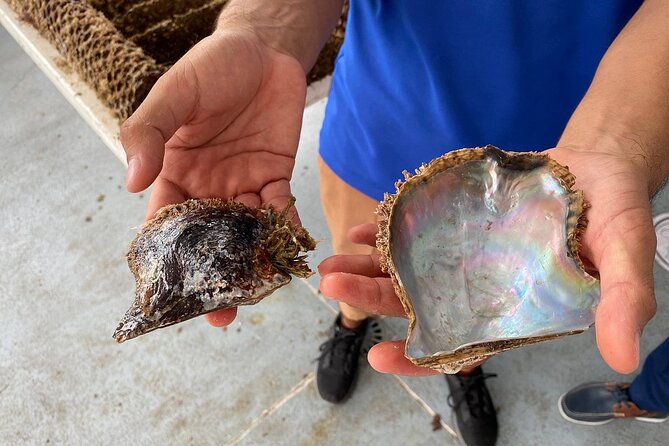
The activity also introduces different types of pearls. You may hear about Mother Pearl and Rainbow Lip oysters, two names specifically recalled from the visit. Those details help show that not all oysters are interchangeable and that the shell and oyster variety matter to the finished result.
Do not expect a full lesson in jewelry grading unless the guide chooses to cover it in response to questions. The listed focus is cultivation, history, types of pearls, and the steps needed to obtain them.
More farm tours around Mexico:
- Magical Todos Santos Tour, Camel Ranch, Lunch and Tequila
★ 5.0 · 672 reviews - Chapala Lake & Ajijic Tour with “Tres Potrillos Ranch”
★ 4.5 · 85 reviews - 3 Palos Lagoon AfroMex Village Turtle Release & Croc Farm Visit
★ 4.5 · 22 reviews - Full-Day Ranch Adventure and Horseback Riding Tour
★ 5.0 · 19 reviews
Inside the laboratory
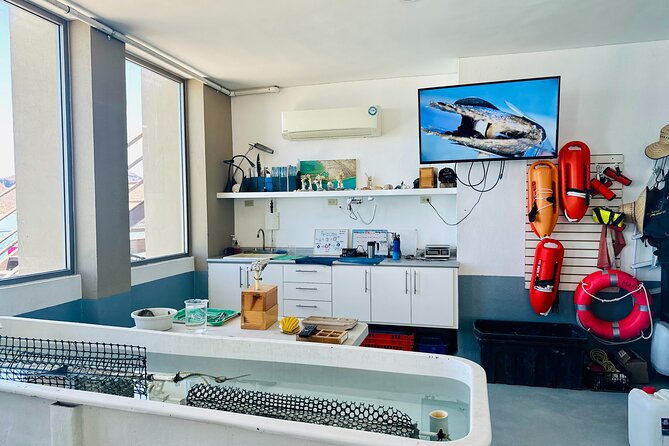
The laboratory visit is where the tour shifts from story to working process. You see the setting used for pearl cultivation and learn how the oysters are handled through their production cycle.
The lab is valuable because it shows the less glamorous side of pearl farming. A shop can present only the polished result. The laboratory explains the patience, skill, and biological uncertainty behind it.
The tour also includes an appreciation of different pearls and the complete process used to obtain them. That phrase matters for shoppers. You can compare the idea of a pearl as a finished ornament with the much longer path that came before it.
The guide’s role makes a difference here. Ivan has led the English presentation and is able to answer questions about the steps, including the placement of pearl seeds. If you are curious about why oysters are selected, how they are cultivated, or what happens after implantation, this is the part where you should ask.
Because the group is capped at 12, the lab visit should feel more manageable than a large commercial presentation. Still, the tour is only about two hours, so the amount of detail may depend on the group’s questions and pace.
Meeting live marine organisms
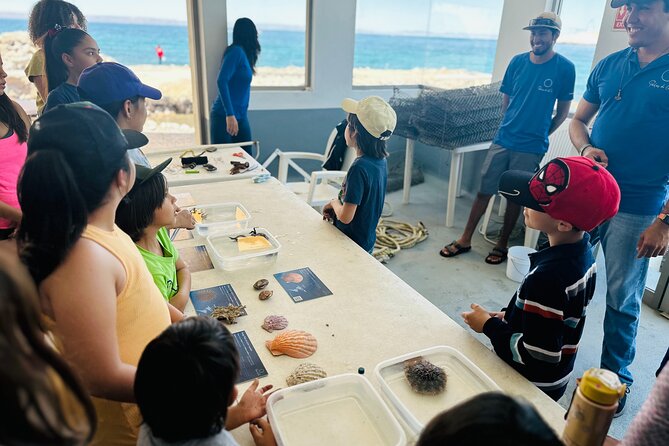
The experience includes interaction with live marine organisms. This is a useful feature for anyone who wants to understand pearl farming as aquaculture rather than as a jewelry business alone.
You get a closer look at the living part of the process. That helps explain why pearl cultivation requires care over several years. The oysters are not just containers for a product; they are organisms that must be raised and maintained.
This section may be especially appealing to families, students, and anyone interested in marine life. The provided details do not promise a touch tank, a swim, or a specific handling activity, so you should not assume those features. The safe expectation is an educational encounter with living organisms connected to the farm.
Finishing at the exclusive pearl shop
The tour finishes with a visit to the pearl store. This is the natural point to look at the finished products after seeing how they are produced.
I like the order of the experience. Seeing the oysters and the laboratory first gives you a better basis for judging the jewelry afterward. You can think about the time involved, the type of pearl, and the regional connection before deciding if a purchase suits you.
The shop is also where the commercial side becomes clear. Souvenirs are not included, and any jewelry or other purchase costs extra. You are not required to buy anything based on the information provided, but you should budget separately if you want to take home a pearl.
The shop visit will appeal most to people who enjoy buying a meaningful local item after learning how it is made. If you have no interest in jewelry, the history and laboratory sections are the main reasons to come, and the store may feel like a shorter final stop.
Is $70.02 a fair price for two hours?
At $70.02 per person, this is not the cheapest short activity in La Paz. The value depends on what you want from the outing.
You are paying for more than a quick explanation at a counter. The experience includes regional history, modern pearl culturing, the laboratory, live marine organisms, an explanation of pearl implantation, and access to the pearl shop. It is also a small-group activity, capped at 12 people, which supports a more direct exchange with the guide.
The price makes the most sense if you are interested in how local products are made, marine aquaculture, or the history of pearls in Baja. It is less convincing if you judge tours mainly by hours, scenic views, or transportation. The activity lasts about two hours and does not include food, tips, or souvenirs.
I would compare it with the cost of a short guided specialty visit rather than with a full-day tour. For a curious visitor who wants an unusual La Paz subject, the focused format can be a good use of time. For someone looking only for free sightseeing, it may feel costly.
Who will enjoy this pearl farm visit?
I would recommend it most strongly to:
- People curious about marine biology and aquaculture
- Visitors interested in La Paz history and local production
- Shoppers who want context before buying pearls
- Families and small groups who prefer a compact activity
- English-speaking visitors who like asking detailed questions
- Anyone with about two hours available near the port area
The tour should also work for most people physically, since the information says most participants can take part. No special age restrictions or requirements are stated.
It may not suit you if you want a boat excursion, a beach stop, a meal, or a long day in the field. Those are not part of the listed experience. It is best understood as an educational visit with a shopping finish.
Timing, group size, and cancellation details
Plan on about two hours from the meeting point back to the meeting point. The group limit of 12 is one of the better practical features, since pearl cultivation involves details that are easier to follow in a small setting.
The tour is offered in English, and a mobile ticket is accepted. Confirmation is provided at booking. Since the activity is near public transportation, you may find it easy to fit into a day in La Paz, though the exact transport details are not provided.
Free cancellation is available if you cancel at least 24 hours before the start time. Cancellation within 24 hours is not refunded, and changes made inside that period are not accepted. The cut-off follows local time.
Should you book it?
Book this experience if you want a clear, compact look at how La Paz pearls are grown, especially if the laboratory, live organisms, and pearl implantation catch your interest. The strongest reasons to go are the local history, the careful aquaculture process, and the chance to ask questions in a group of no more than 12.
I would skip it if your priority is outdoor scenery or a full-day coastal adventure. At $70.02, it asks you to value explanation and access rather than entertainment by the hour.
For the right visitor, this is a smart La Paz add-on: short, specific, and tied to something the region is proud to produce. Just remember that the price covers the experience, not lunch, tips, or the pearl you may be tempted to buy at the end.
FAQ
How long does the pearl farm experience last?
The activity lasts approximately two hours and ends back at the original meeting point.
Where does the tour begin?
It begins at Tours Perlas de La Paz, located at Avenida Central Poniente and Avenida Central Sur, Recinto Portuario, Avenida Pichilingue, 23208 La Paz, Baja California Sur, Mexico.
Where does the activity end?
The experience ends at the same meeting point where it begins.
What language is the tour offered in?
The tour is offered in English. Ivan has presented the tour in English and can answer questions about pearl cultivation and implantation.
What is included in the experience?
The activity includes the area’s historical significance, modern pearl culturing, a laboratory visit, an explanation of different pearl types, and the process used to obtain them.
Does the tour include food?
No. Food is not included.
Are tips included?
No. Tips are not included.
Are souvenirs included?
No. Souvenirs and purchases from the pearl shop are not included.
How many people can join the tour?
The activity has a maximum of 12 participants.
Can I cancel for a full refund?
Yes, if you cancel at least 24 hours before the experience begins. Cancellations made less than 24 hours before the start time are not refunded.
Newly listed farm visits around Mexico
- Full-Day Ranch Adventure and Horseback Riding Tour★ 5.0 · 19 reviews
- Farm to Table Cooking Experience in San Miguel★ 5.0 · 4 reviews
- Hands-on Mexican Farm Experience: from Cow to Cheese★ 5.0 · 9 reviews
- Urban Orchard in Desierto de los Leones in Mexico City★ 5.0 · 9 reviews
- La Paz: Coral Farm Snorkel Tour★ 5.0 · 3 reviews
- Cozumel: Hands-On Chocolate, Tortilla, Salsa & Honey Experience★ 5.0 · 6 reviews
- Visit to Coffee Farm with Tasting in Coatepec★ 4.5 · 4 reviews
- San Miguel de Allende: Full-Day Ranch Adventure★ 4.8 · 3 reviews
Pearl Farm Tours, compared.
Cygnet Bay Pearl Farm Behind-the-Scenes Tour & Live Harvest
Read our review →
Cygnet Bay Sea Safari & Pearl Farm Tour Scenic Flight
Read our review →
Broome: Helicopter Flight and Willie Creek Pearl Farm Tour
Read our review →
Shell to Showroom – Sydney’s only Pearl Farm Experience
Read our review →Browse the lists this tour appears in