
Review · ZANZIBAR
Spice Farm Bike Tour: Pedal Through Aromatic Adventures
The unusual part of this tour is that the spice farm is only half the story. You ride 14 kilometers each way through Stone Town streets, suburbs, villages, and countryside before reaching the farm, then return through Masingini Forest. It gives you a close look at daily Zanzibar life that you would miss from a car.
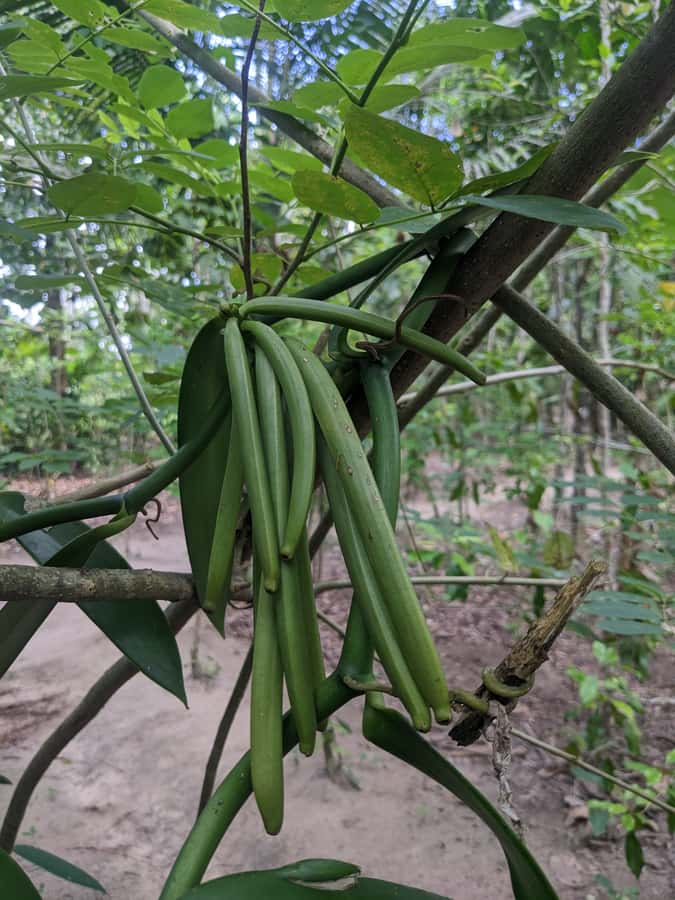
I like two things especially: the chance to taste, smell, and handle spices where they grow, and the excellent local lunch served at the farm. Guides such as Issa and Adam add humor and care, and the route can include red colobus monkeys, birds, and colorful street art.
The main caution is simple: this is not an easy bike ride. Traffic can be chaotic, roads may be rough, and hills in the heat take work. One rider needed a cab partway through, so you should be comfortable cycling in demanding conditions or arrange to use the optional minibus.
Key points to know before you book
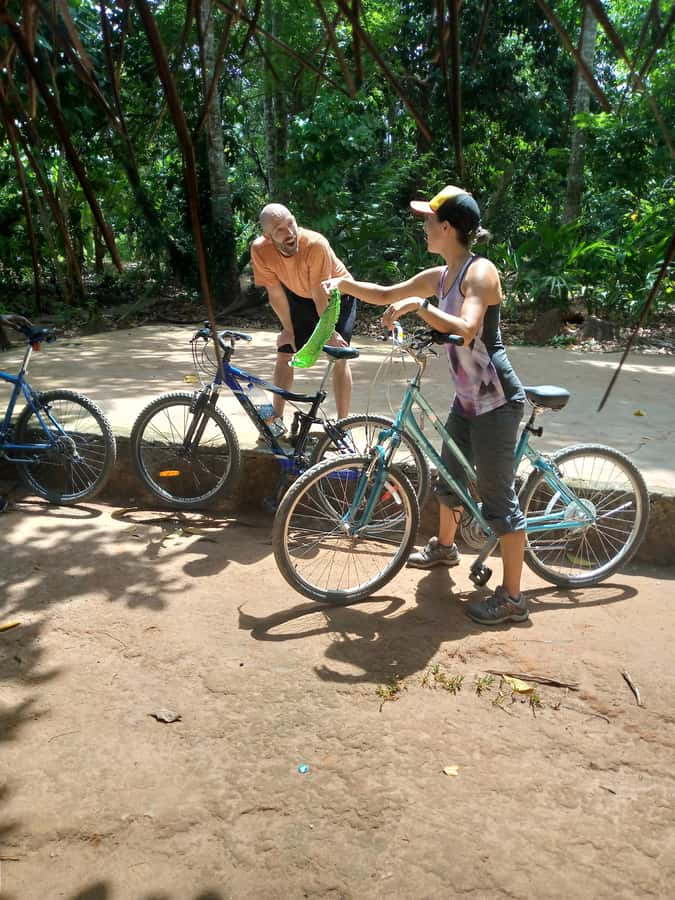
- The ride covers about 28 kilometers: You cycle 14 kilometers to the spice farm and 14 kilometers back toward Stone Town.
- This is a real local-life tour: The route passes through neighborhoods, village roads, street art, and ordinary residential areas.
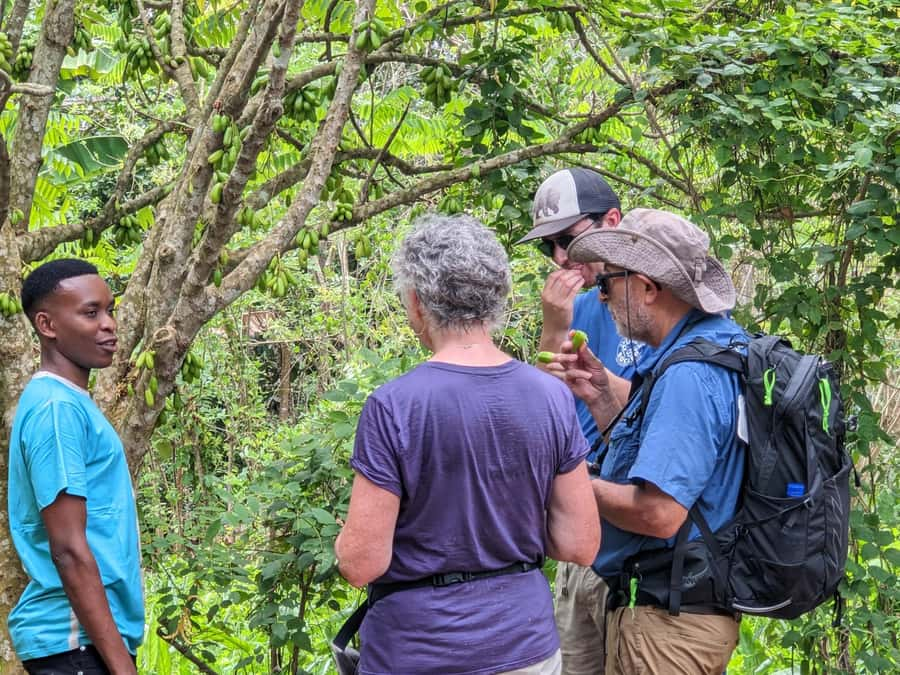
- The spice farm visit is hands-on: You taste tropical fruit and handle spices during a one-hour guided walk.
- The food is part of the experience: A Swahili lunch and coconut water are included, with time to meet villagers and browse local herbal products.
- Masingini Forest changes the pace: The return route brings forest, birds, and the possibility of seeing red colobus monkeys.
- You need cycling confidence: Busy roads, uneven gravel, climbs, descents, and off-road stretches make this far more demanding than a casual city ride.
A bike route that shows Zanzibar beyond Stone Town
This tour works because it joins several parts of Zanzibar that are often sold separately. You start with streets and suburbs, continue into the countryside, stop at a working spice farm, eat a local meal, and finish among forest trees. The bicycle links those places at human speed.
I like that you are not simply driven to a farm, shown a few plants, and returned to your hotel. You see the changes along the way. Stone Town gives way to quieter neighborhoods, then to village roads and open rural stretches. You may pass colorful street art and see people going about normal tasks rather than staged displays for visitors.
That said, the same route creates the tour’s biggest weakness. The roads are not consistently smooth or quiet. Parts of the ride use busy main roads, and the route includes gravel, uneven surfaces, hills, and off-road sections. The description makes clear that the ride takes place in sunshine or rain, so weather adds another factor.
At roughly six hours, this is a full half-day outing rather than a quick morning activity. A morning or afternoon start may be available, but you should check the exact departure time when booking. A morning ride can help you avoid some heat, though the tour data does not promise a particular traffic pattern or temperature.
More Spice Farm Tours in the world:
- Zanzibar: Prison Island, Stone Town, & Spice Farm Tour
★ 4.5 · 579 reviews - Full-Day Private Stone Town +Spice Farm and Prison Island Tour
★ 4.5 · 216 reviews - Zanzibar: Stone Town & Spice Farm Tour with Lunch
★ 4.5 · 97 reviews
Setting out from Stone Town or your hotel
Pickup depends on the option you choose. You are asked to wait in your hotel lobby five minutes before the scheduled pickup, and the guide carries a map of the city. You can also meet the guide in front of Lukmaan Restaurant on Mkunazini Street.
The tour can start from Stone Town or from selected hotels, with pickup and drop-off options available from some North and East Coast hotels. This matters because the city center is the natural base for the ride, while a hotel farther away may change the practical timing and transport plan.
Once you receive your bicycle, the ride begins through the city and its surrounding neighborhoods. You will share the road with local traffic, so this opening section is less about polished sightseeing and more about getting used to Zanzibar’s road conditions.
I would not book this tour expecting a protected cycle path. You need to watch the road, follow the guide, and remain comfortable around vehicles. One particularly difficult account described a busy roundabout during rush hour, while another rider found the traffic and uneven back roads challenging but worthwhile. Those details give you a fair picture: the route can be rewarding, but it asks for alert riding.
Through neighborhoods, street art, and village roads
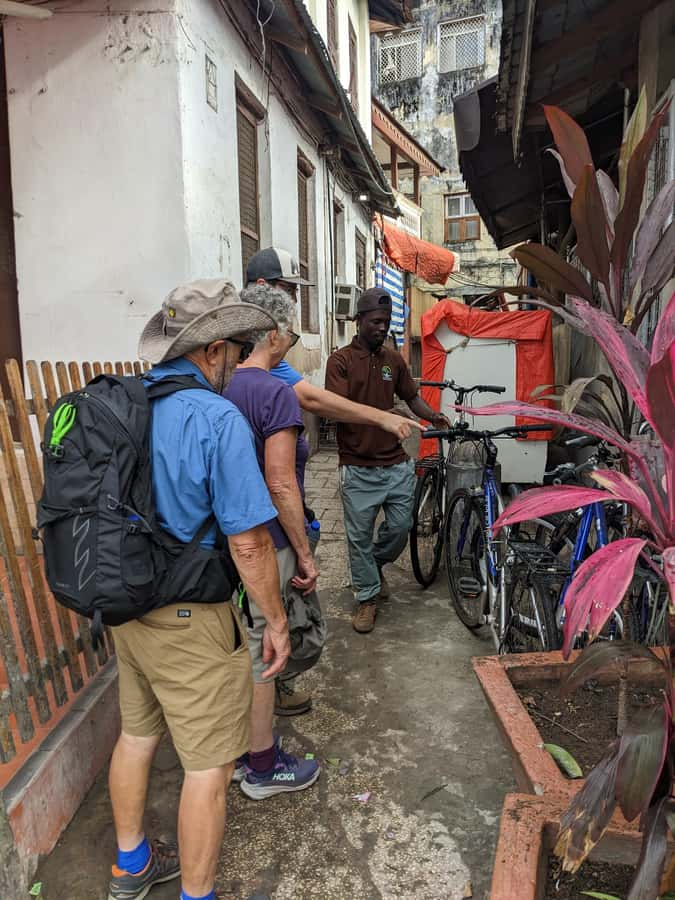
The cycling route is one of the best reasons to choose this activity. You see suburbs and countryside in one continuous trip, with street scenes that are easy to miss from a minibus. The route may include colorful wall art, local homes, village activity, and stretches of quiet road.
This is also where the tour feels most connected to ordinary life. You are not only moving between attractions. You are passing through places where people live and work, with the guide explaining what you see along the way. The experience gives you a better sense of how the island changes outside Stone Town.
The road surface remains the key concern. Some sections are gravel or off-road, and the route is not level throughout. You should wear sports shoes and comfortable outdoor clothing. Loose clothing is listed as unsuitable, as are high heels, skirts, short skirts, ripped clothing, and skates. Sunscreen, sunglasses, and a hat are sensible choices, along with cash for personal purchases.
Helmets are not included. That is worth noting before you go. If you normally ride with a helmet, ask the provider about bringing or arranging one rather than assuming one will be supplied.
The spice farm: taste first, then take a closer look
At the farm, you leave the bicycle for a roughly one-hour walking tour. The pace changes at once. Instead of watching the road, you can focus on plants, scents, fruit, and the stories connected to Zanzibar’s spice trade and cooking traditions.
The visit is hands-on. You can touch, smell, and taste spices, and you begin with tropical fruits. This makes the stop more useful than a simple list of plant names. You get a physical sense of the ingredients and a clearer idea of how they move from plant to kitchen.
The exact range of spices is not specified, so I would avoid arriving with a fixed list of plants you expect to see. The guide explains how different spices are grown and shares the stories behind them. Guides such as Issa are a strong part of this section. He speaks English well and is described as passionate about explaining plants and spices.
You can also see how local ingredients connect to products such as soaps, oils, perfumes, and herbal goods. These items may be available to buy. Purchasing is not included, so bring cash only if you want souvenirs or locally made products. Take your time before buying. The practical value of the farm is the explanation and tasting, not pressure to shop.
More Cycling Trips in the world:
- Versailles Bike Tour with Palace & Queen Farm Entrance
★ 4.9 · 492 reviews - Alicante : E-Bike Coast Tour, Roman Fish Farm and Snorkeling
★ 4.8 · 250 reviews - Big Island Mountain Biking on Anna Ranch
★ 5.0 · 171 reviews - Kualoa Ranch: Novice E-Bike
★ 4.5 · 128 reviews
Swahili lunch and time with villagers
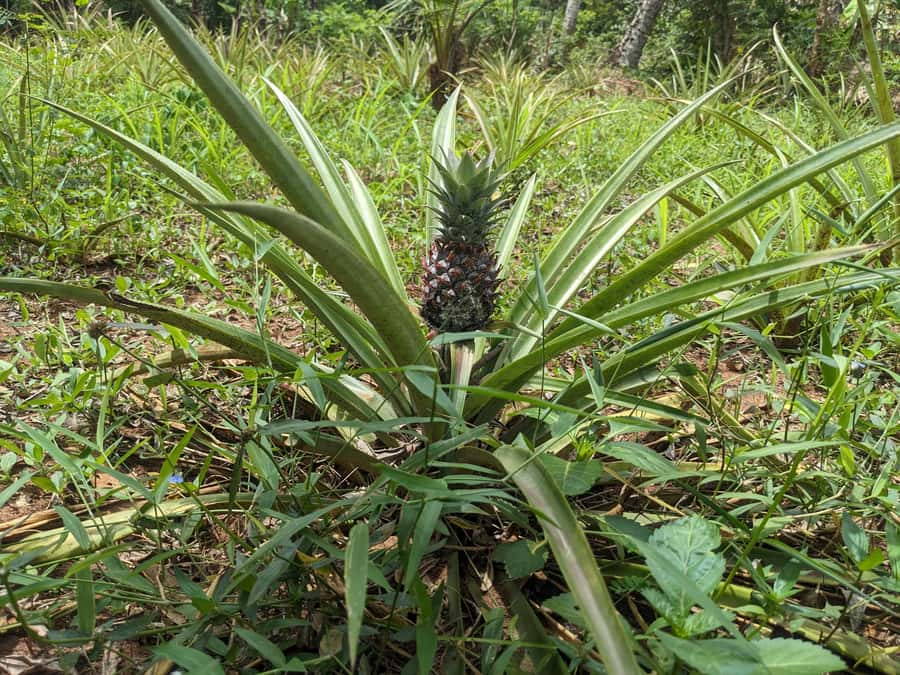
Lunch is included, and it is one of the tour’s strongest features. You eat Swahili cuisine in a common area at the farm, with a chance to meet villagers and see local products. This is a better fit for someone who wants food to be part of the cultural visit rather than a quick packed meal between stops.
The supplied details do not list the exact dishes, so you should expect local cooking rather than a fixed menu. The tour also includes drinking water, coconut water, and tropical fruit. Those drinks matter on a hot ride, especially after the uphill sections.
I like the way lunch gives the day a pause. You have already seen neighborhoods and worked through the ride, then the farm provides time to sit, eat, and talk. The visit may also include a coconut tree demonstration, with one memorable account describing the coconut climber singing Hakuna Matata. That sort of moment is light and playful, but it also fits the setting better than a formal performance would.
You can browse herbal products made locally after eating. Keep your spending separate from the tour price, since natural purchases are not included.
Masingini Forest on the return ride
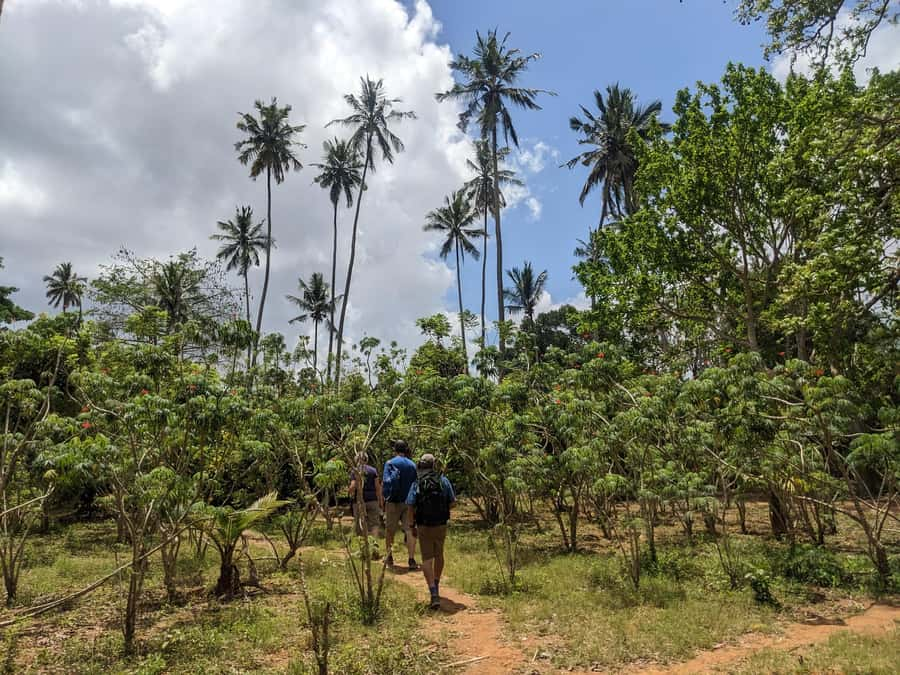
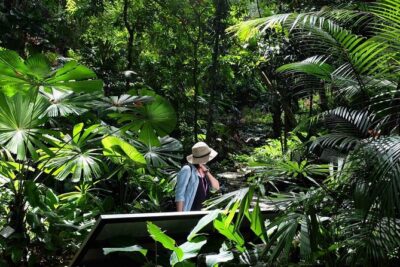
The way back follows a different mood. You cycle through Masingini Forest, where the road becomes more about trees and wildlife than city traffic. Red colobus monkeys are the main prize, and you may also see birds and other wildlife.
Wild animals are never guaranteed, so keep your expectations sensible. The value of the forest section is also the change in surroundings. After the farm, lunch, and village roads, the forest gives you a quieter closing stretch and another side of Zanzibar.
You should keep your camera ready, but do not let photography distract you on rough ground. The return still involves cycling, and the route may include uneven sections. The forest does not turn the outing into an easy ride.
The tour ends back in the Stone Town area, with listed drop-off points including Stone Town, New Mkunazini Road, and Lukmaan Restaurant. The final drop-off may be adjusted to a place you recommend, according to the supplied information. If you are staying outside the city, confirm the return arrangement before setting out.
How hard is the 28-kilometer ride?
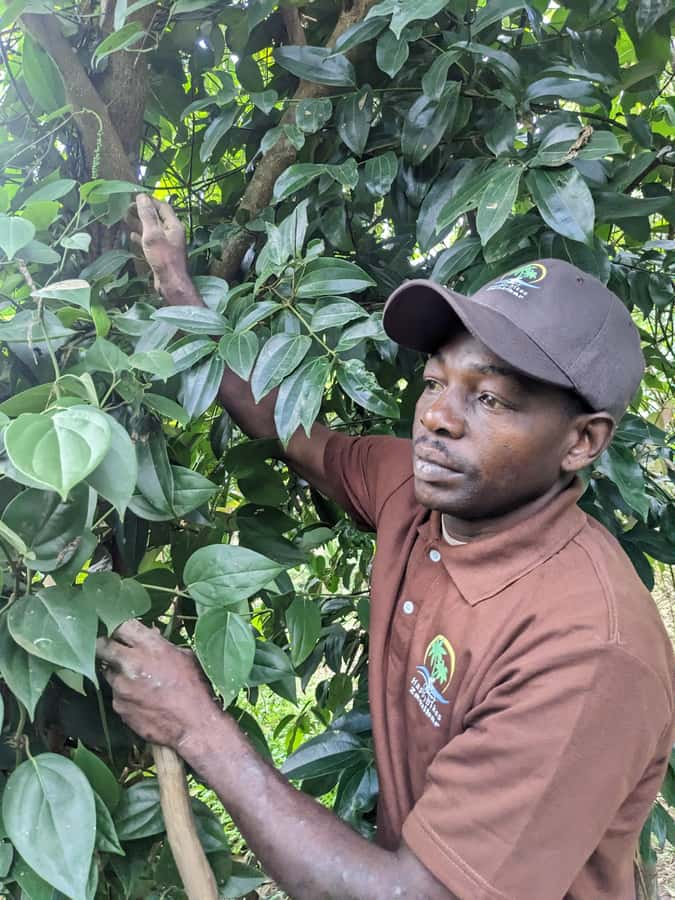
The answer depends on your cycling experience, but this is clearly an active tour. The ride includes hills, descents, rough surfaces, traffic, and heat. One rider who described themselves as not a strong cyclist used a local daladala to cover the uphill part on the way out. Another group needed a cab for part of the return.
That flexibility is important. The tour includes an optional minibus halfway from Stone Town, and pickup or drop-off from North and East Coast hotels may also be possible. These options do not erase the difficulty, but they can make the day workable for someone who wants the farm and forest without committing to every kilometer.
You should not choose this activity if you cannot ride a bike, are pregnant, use a wheelchair, or are under nine. The tour is best for adults and older children who can manage a long ride and who are comfortable with changing road conditions.
If you ride regularly and enjoy a challenge, the rough sections may be part of the fun. If your ideal cycling day means flat pavement and gentle sightseeing, choose another way to visit a spice farm.
Is the $60 price good value?
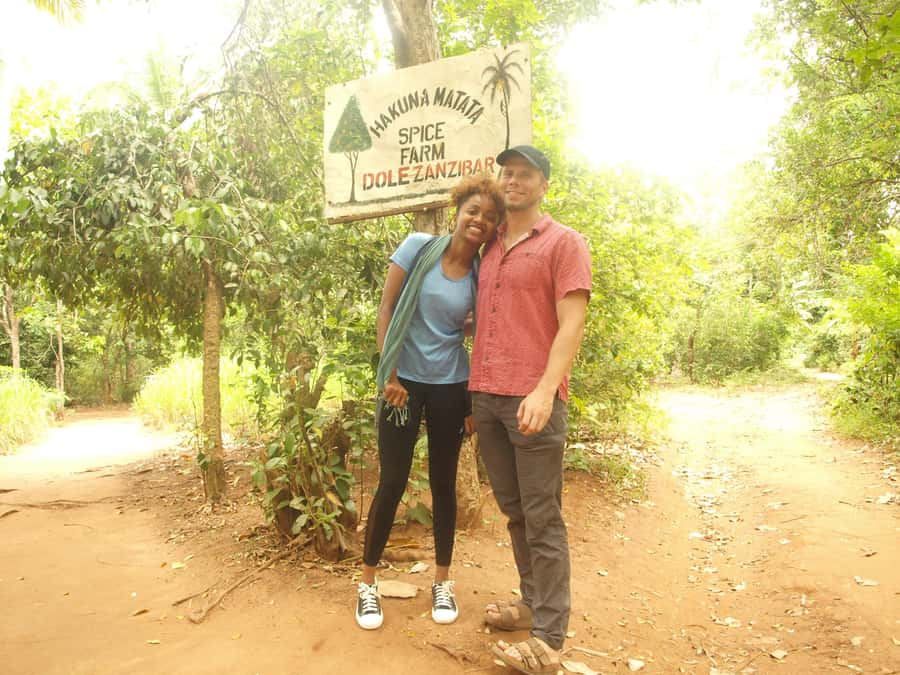
At $60 per person, the price covers a lot: a local English-speaking guide, bicycle rental, lunch, tropical fruit, water, coconut water, pickup and drop-off, and entry tickets for Dole and Masingini Forest. You are also paying for roughly six hours of guiding rather than only transport to one attraction.
The value is strongest if you want several activities in one day. A separate visit to a spice farm would not give you the same neighborhood ride, village contact, forest route, and exercise. Lunch and drinks also reduce the small costs that can add up on a long outing.
There are extra expenses to remember. Purchases of herbal or natural products are not included, and a helmet is not supplied. If you need a taxi or other transport because the ride becomes too difficult, confirm who pays before accepting the arrangement. One rider had to pay for a cab partway through, so this is not a minor detail.
Free cancellation is available up to 24 hours before the start time, and you can reserve now and pay later. Those policies give you some flexibility, but they do not change the need to check the cycling conditions carefully before booking.
Who should book this bike tour?
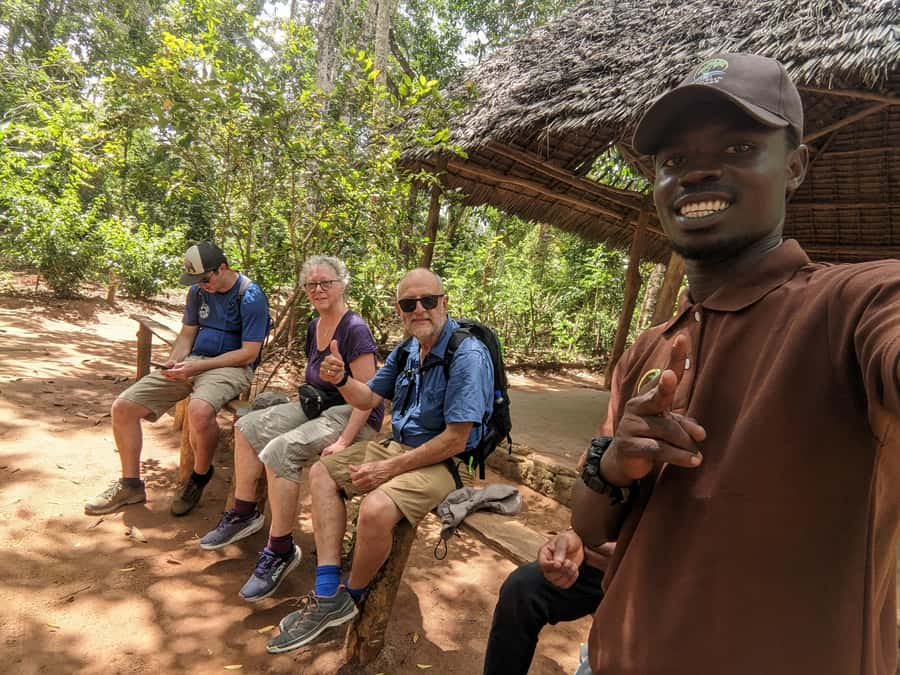
I would choose this tour if you want a physical day that combines food, plants, local streets, and nature. It suits confident cyclists who enjoy getting off the main sightseeing path and who do not mind sweat, dust, traffic, and uneven roads.
It is also a good choice if you want a small private group. The tour is offered as a private group with an English-speaking live guide, so you can ask questions and set a manageable pace within the limits of the route.
I would be more cautious for families with young children, people with limited cycling practice, and anyone recovering from an injury. The age restriction excludes children under nine, but even older children need to be capable riders. Pregnancy, wheelchair use, and an inability to ride are specifically listed as reasons not to join.
Bring a camera, sunscreen, water-friendly outdoor clothing, comfortable shoes, sunglasses, and a hat. The tour supplies water and coconut water, but you should still dress for heat and protect yourself from the sun. Since helmets are not included, plan ahead if you want one.
Should you book the Spice Farm Bike Tour?
Book it if the ride itself interests you as much as the spice farm. The strongest parts are the local guide, the hands-on farm visit, the Swahili lunch, the village roads, and the return through Masingini Forest. Issa and Adam are names associated with attentive guiding, and the tour has enough flexibility to arrange a minibus or other transport if one section proves too much.
Skip it if you want a calm, easy cycle or a strictly organized road route. The 28-kilometer total, busy traffic, hills, gravel, and off-road surfaces are serious considerations. At $60, it is good value for an active visitor who wants a full day of movement and local contact, but it is poor value if you are likely to spend much of the ride worrying about the road.
FAQ
How long does the Spice Farm Bike Tour last?
The tour lasts about six hours. Starting times vary, so you need to check availability for the date you want.
How far do you cycle?
The route covers about 14 kilometers from Stone Town to the spice farm and about 14 kilometers back. The total cycling distance is therefore roughly 28 kilometers.
Is lunch included?
Yes. A Swahili lunch is included, along with tropical fruits, water, and coconut water.
Is a helmet provided?
No. Bicycle rental is included, but a helmet is not listed as included. Arrange one separately if you want to ride with a helmet.
Can I join if I am not a strong cyclist?
The route is demanding, with traffic, hills, gravel, and off-road sections. An optional minibus can cover part of the route from Stone Town, and alternative transport may be arranged if needed, but you should discuss this before the ride.
Where does the tour start and finish?
Pickup can be arranged from a selected hotel or another chosen option. You can also meet the guide in front of Lukmaan Restaurant on Mkunazini Street. Listed drop-off points include Stone Town, New Mkunazini Road, and Lukmaan Restaurant.
Newly listed farm visits around the world
- Half-Day Farm Visit and Cow Milking Experience★ 5.0 · 16 reviews
- Boutique tour , Mt Maunganui, NZ farm, Rotorua lakes/geothermal★ 4.5 · 50 reviews
- Gourmet Mushroom Farm Tour in Tennessee★ 5.0 · 5 reviews
- Cozy Farm Experience with Wagon Wheels and Acoustic Meal★ 5.0 · 2 reviews
- Animal farm park with free hotel pickup★ 5.0 · 2 reviews
- Alpaca Farm Tours with Toffeemont★ 5.0 · 8 reviews
- Private, via beaches, Kiwi farm to Rotorua 8 lakes & Geothermal★ 5.0 · 20 reviews
- One Day Tour of Yilan, Zhang Mei Ama Farm★ 5.0 · 2 reviews
Spice Farm Tours, compared.
Full-Day Private Stone Town +Spice Farm and Prison Island Tour
Read our review →
Zanzibar: Stone Town & Spice Farm Tour with Lunch
Read our review →
Zanzibar full day Jozani forest + Spice farm and stone town
Read our review →
Zanzibar: Spice Farm Tour with Traditional Cooking Lesson
Read our review →
Penang Round Island Tour With Tropical Spice Garden & Entopia Butterfly Farm
Read our review →
FROM NUNGWI: STONE TOWN, SPICE FARM TOUR AND PRISONAL ISLAND
Read our review →
Spice farm,Stone town and Jozani forest tour with lunch
Read our review →Browse the lists this tour appears in