
Review · BIG ISLAND
Abalone Farm Tour
Abalone may look like a shell on a tray, but this farm tour shows you the surprisingly active animal inside. At Big Island Abalone, you learn how these sea snails grow, mate, feed, and reach harvest size, then get close enough to touch live abalone and other sea creatures.
I like the hands-on format and the way guides such as Carlos, Kai, and Diana turn a working farm into a clear lesson for children and adults. I also like the tasting at the end, which can include abalone, seaweed, sea grapes, or sea peas. The main drawback is that the tour lasts about an hour and takes place outdoors, so it may feel brief if you want a full seafood meal or a longer farm visit.
Key points to know before you book
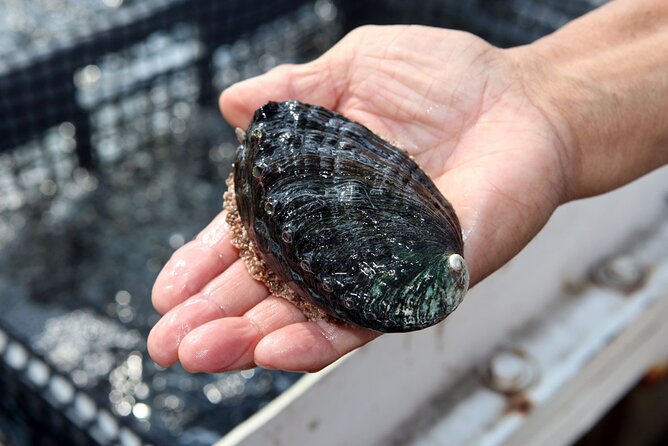
- Touch live abalone: You can handle abalone and see details such as the shell, foot, eyes, and radula.
- Taste the farm’s products: The tour includes abalone and seaweed tasting, with samples such as dulse, sea grapes, and sea peas mentioned during the experience.
- Learn why farming matters: The guide explains sustainable production, the abalone life cycle, and why farm raising helps protect wild populations.
- Good for mixed-age groups: Toddlers, children, adults, and older people using a cane have all been able to take part.
- Plan about one hour: The walk is short and low in physical effort, with much of the tour under shade.
- Leave time to eat: A food truck at the farm serves abalone dishes, including poke and sushi-style options, and fresh or live abalone may be available to buy.
A working farm, not a staged attraction
The best part of this experience is its setting. You are not simply looking at a display about abalone. You are walking around a real farm and learning how a premium seafood product is raised from young animal to harvest size.
That difference matters. You see the practical side of aquaculture, including the care needed to raise a slow-growing sea animal. The guide connects the farm’s work to the wider problem of protecting abalone in the wild. Abalone are under pressure in many parts of the world, and the farm explains why carefully managed production can help reduce the need to collect them from natural populations.
The setting also gives the tour a useful Hawaii connection. It explains how abalone farming can work on a tropical island, even though many people associate these shellfish with cooler coastal waters. You learn how the farm manages its animals and seaweed in this particular environment.
I would not book this expecting a grand scenic outing. The appeal is closer to a small marine biology lesson with food at the end. That makes it a smart choice when you want something different from beaches, volcanoes, and resort activities.
More farm tours around Big Island:
- Hawaiian Salt Farm Tour in Kona
★ 5.0 · 767 reviews - Award Winning Farm Tour: Coffee, Chocolate and Unique Gifts
★ 5.0 · 484 reviews - Small-Group Big Island Tour: Hawaii Volcanoes National Park and Kona Coffee Farm
★ 5.0 · 343 reviews
The one-hour visit from arrival to tasting
The meeting point is Big Island Abalone at 73-357 Makako Bay Drive, Kailua-Kona. The tour finishes at the same place, so you do not need to arrange a separate pickup at the end.
The visit lasts about one hour. That is enough time to see the farm, ask questions, handle live animals, and sample the products without turning the stop into a half-day commitment. If you have a spare hour before a flight or another Kona activity, the timing works well. One couple used it as a convenient stop before leaving the island because the farm is close to the airport.
Once the tour begins, the guide leads you through the farm and explains what you are seeing. The exact order can vary, but the main themes remain the same: the abalone life cycle, sustainable farming, seaweed production, and the role of abalone in the local food system.
The final tasting is an important part of the visit, not an afterthought. You may try abalone in more than one form, along with seaweed and other farm products. The experience has included steamed abalone, canned and fresh abalone, dulse, sea grapes, and sea peas. The selection can vary, so I would treat the tasting as a sample rather than a full seafood lunch.
Holding an abalone changes the lesson
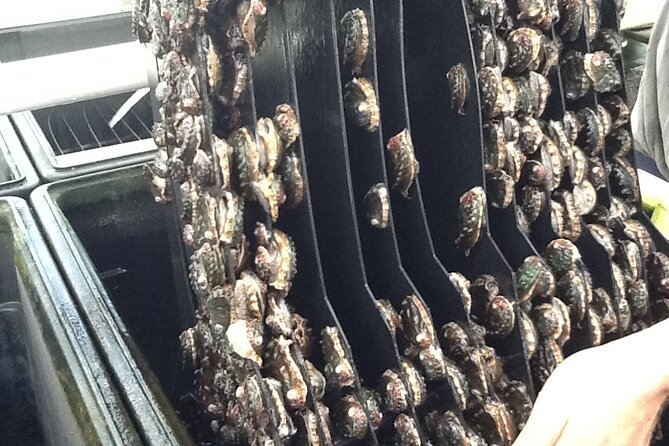
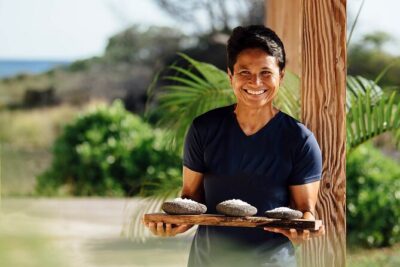
Pictures do not show you much about an abalone’s personality. Handling one does. You can feel the hard shell, see the muscular foot, and observe the small features that make this animal more than a piece of seafood on a menu.
The tour can point out details such as the abalone’s eyes and radula. The radula is the animal’s feeding structure, and seeing it helps explain how abalone eat and move. You may also handle other sea creatures during the visit, which adds variety to the lesson.
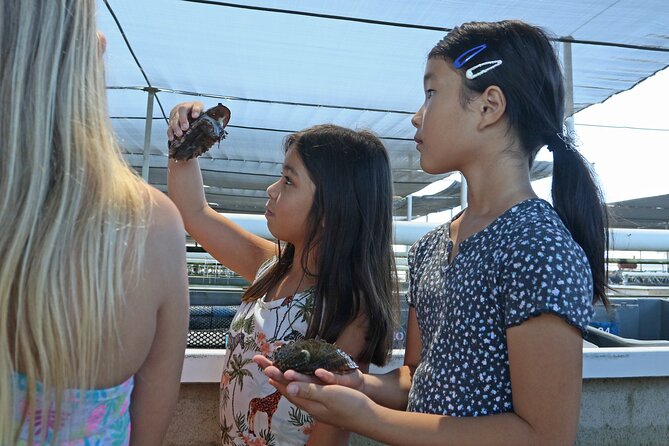
This is where the tour works especially well for families. A child who might drift away during a talk about aquaculture has a reason to pay attention when the guide places a live animal in front of them. The experience is tactile, short, and easy to follow.
The hands-on portion also helps adults. I like tours that explain food without pretending it appears by magic. You see the living animal first, learn how it is raised, and then taste the finished product. That sequence gives the meal more context.
Basic care is still sensible. If you are uncomfortable touching sea animals, you can simply watch. Service animals are allowed, and most people can participate, but the supplied information does not promise a fully accessible route for every mobility device. An older couple completed the walk with a cane, and the tour is described as low in physical effort, but you should contact the operator if you need specific accessibility details.
Carlos, Kai, and Diana bring different energy
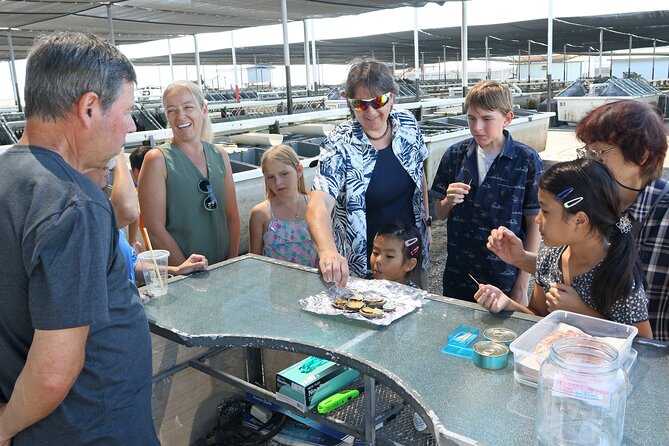
The guides are a major part of the experience. Carlos is often praised for making the farm’s science clear and entertaining. He has led groups through the breeding, growing, and harvesting process while keeping the conversation lively.
Kai has also guided the tour, explaining how abalone mate, grow, and taste. Diana is described as energetic and warm, with an evident interest in the work. The tour is offered in English.
A good guide matters here because the farm itself may not make every stage obvious. Rows of tanks or growing areas need explanation. The guide supplies the story: what the animals need, how the farm monitors their growth, and why sustainable raising is important.
The strongest version of this tour is conversational. The group can ask questions, and the guide brings people of different ages into the discussion. A group of about 12 was considered a comfortable size in one visit, while the official maximum is 20 people. That is small enough for a personal feel, though the experience will be more intimate when the group is not full.
Do not expect a formal lecture with a printed script. The tone is interactive and informal. That can be a plus if you like asking questions, though people who prefer a tightly timed museum presentation may find the pace less structured.
Same countryside, another kind of harvest:
- Big Island ATV Tour at Ohana Ranch
★ 5.0 · 254 reviews - Waipi’o on Horseback: Mountain Ocean Views Working Cattle Ranch
★ 5.0 · 252 reviews - Big Island Mountain Biking on Anna Ranch
★ 5.0 · 171 reviews - Experience Our Honey Farm And Beekeeping Tour
★ 5.0 · 167 reviews
Seaweed makes the tasting more interesting
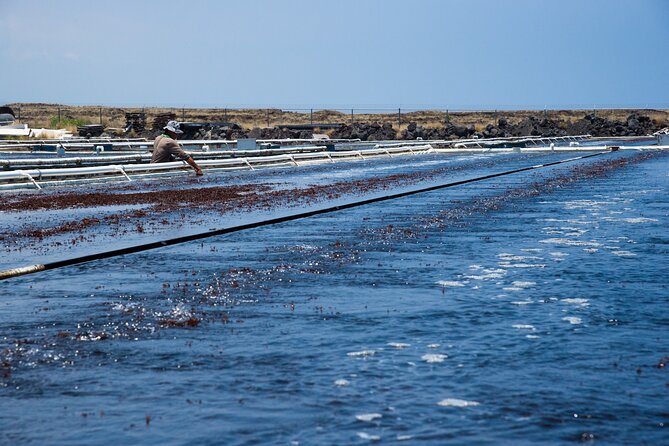
The abalone gets top billing, but the seaweed adds a useful second subject. You may taste sea grapes, sea peas, dulse, and other seaweed products during the visit. Some samples have been compared to familiar greens, which makes it easier to understand how they fit into everyday food.
This tasting also shows that the farm is not focused on a single product. Seaweed can be part of a broader marine food system, and the guide explains how it is grown and harvested. You get a look at both the animal and plant sides of the operation.
The portions are samples, not a meal. One visitor wanted more substantial samples and felt the food truck next door offered better value for eating abalone. That is fair criticism if your main goal is to taste a generous serving of seafood.
I would think of the tasting as the payoff for the lesson, not the reason to skip lunch. If you want a full plate, plan to buy food afterward at the on-site truck or nearby Kona BBQ food truck. Abalone poke and sushi-style dishes have been available, along with cooked food. Fresh or live abalone may also be sold by the piece.
Is $35 good value?
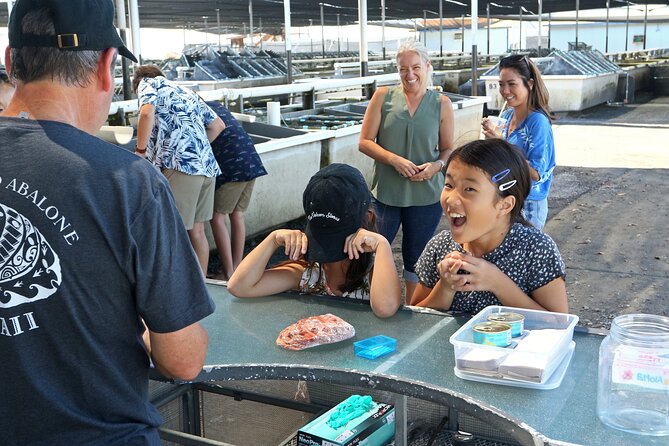
At $35 per person, this is not the cheapest way to sample abalone. If you only want to eat the seafood, you may prefer to spend that money on a dish or buy abalone directly.
The price makes more sense if you value the explanation and hands-on access. You receive about an hour of guided instruction, the chance to touch live abalone and other sea creatures, and a tasting of abalone and seaweed. For a family, the activity also replaces a separate children’s attraction while giving adults something substantial to learn.
The tour is particularly good value for people who know little about aquaculture. You come away understanding how a premium seafood product is produced and why sustainable farming matters. That context is difficult to get from a restaurant menu.
For repeat visitors to Kona, the tour offers a fresh change of pace. You do not need to commit half a day, and the farm is close enough to pair with other plans. I would book it for the experience, then decide afterward if you want to spend more on lunch.
Weather, shade, and what to bring
The tour is outdoors, although much of the route is under shade. Bring water, a hat, and protection from the sun. A rainy day can still work because the tour has covered areas, but the activity requires good weather and may be canceled if conditions are poor.
That weather rule is worth taking seriously when you plan a tight schedule. If the operator cancels because of weather, you can choose another date or receive a full refund. If you cancel, you need to do so at least 24 hours before the start time for a full refund. Changes or cancellations inside that window are not accepted.
Wear something comfortable for a short walk around a working farm. The tour is not described as strenuous, and the low physical demand makes it workable for a broad age range. Still, outdoor conditions can make any walking activity feel warmer than expected, so water is a good idea.
The best match for families and curious eaters
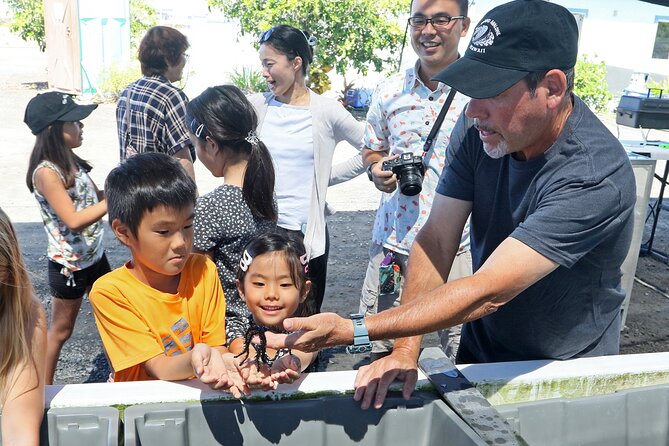
This is one of the better Big Island activities for a mixed-age group. A 2-and-a-half-year-old and retired parents were both able to enjoy the visit, and a 10-year-old found the hour engaging. The live animals and tasting give younger children something concrete to focus on.
It also suits adults who want more than a standard sightseeing stop. If you are curious about food production, marine biology, conservation, or Hawaiian agriculture, you will have plenty to discuss.
People with limited walking stamina may appreciate the short duration and shaded areas. If you use a cane, the experience may be manageable, as one older couple found, but you should ask the farm directly about your specific mobility needs.
I would be less enthusiastic if you dislike touching animals, do not eat seafood, or want a long cultural tour. The farm can still be interesting for non-eaters, but the tasting is a central part of the visit. Likewise, this is not a major attraction with a large collection of exhibits. Its strength is the direct look at one specialized operation.
Pair the farm with lunch in Kona
The easiest way to get more from the stop is to combine the tour with food afterward. The farm has a food truck serving abalone dishes, and abalone poke and sushi options have been available. You may also find live or fresh abalone sold by the piece.
This gives you two ways to use the visit. You can take the educational tour, sample small portions, then order a proper meal. Or you can skip the tour and spend your money on food if eating is your only priority.
I prefer the first option for a first visit. The tasting means more after you have seen the animals and learned how they are raised. It also gives you a better sense of what you are ordering when you try abalone in a prepared dish.
Allow some extra time beyond the one-hour tour if you plan to eat. The tour itself ends back at the meeting point, so staying for lunch is straightforward.
Should you book the Big Island Abalone tour?
Book it if you want an unusual, affordable activity near Kailua-Kona that combines marine science, sustainable food production, live animals, and tasting. It is especially well suited to families, curious eaters, older adults who prefer a short outing, and anyone with an hour to fill near the airport.
The strongest reasons to go are the hands-on access, the clear explanations from guides such as Carlos and Kai, and the chance to taste abalone and seaweed in the place where they are raised. The main limits are the short length, outdoor setting, and small tasting portions.
If you want a full seafood lunch, use the food truck rather than the tour alone. If you want to understand how abalone reaches your plate, the $35 farm visit is worth considering, particularly because it gives you an experience you cannot get from ordering the dish by itself.
FAQ
Where is the Abalone Farm Tour located?
The tour starts and ends at Big Island Abalone, 73-357 Makako Bay Drive, Kailua-Kona, Hawaii 96740.
How long does the tour last?
The tour lasts approximately one hour.
How much does the tour cost?
The price is $35 per person.
Is food included?
Yes. Abalone and seaweed tasting are included. Samples mentioned during the experience include sea grapes, sea peas, dulse, and other seaweed products.
Can I touch a live abalone?
Yes. The experience includes opportunities to touch live abalone and other sea creatures.
Is the tour offered in English?
Yes. The tour is offered in English.
How many people can join the tour?
The maximum group size is 20 people.
Is the tour suitable for children?
Yes. The experience is designed for all ages, and children as young as 2 and a half have taken part.
Are service animals allowed?
Yes. Service animals are allowed.
What happens if bad weather cancels the tour?
If the tour is canceled because of poor weather, you can choose a different date or receive a full refund.
Newly listed farm visits around Big Island
- Sunset Kona Salt Farm Tour★ 5.0 · 55 reviews
- Farm-to-Table Chef’s Dinner at Kulaniapia Falls★ 4.5 · 42 reviews
- Hamakua Coast Farm Small-Group Walking and Tasting Tour★ 5.0 · 4 reviews
- Edible Hibiscus Guided Farm Tour (Big Island)★ 5.0 · 31 reviews
- Farm to Table Cooking Class at Kulaniapia Falls★ 4.5 · 36 reviews
- Hala Tree Coffee Farm Tour★ 5.0 · 44 reviews
- Bottle Feed & Cuddle Baby Goats at Ohana Ranch (Big Island)★ 5.0 · 29 reviews
- Baumkuchen Farm Tour★ 4.5 · 10 reviews
Big Island Farm Tours, compared.
Award Winning Farm Tour: Coffee, Chocolate and Unique Gifts
Read our review →
Waipi’o on Horseback: Mountain Ocean Views Working Cattle Ranch
Read our review →
Craft Chocolate Tasting and Farm Experience on the Big Island
Read our review →
Kona Tour: Bee Farm, Kona Coffee, and National Historical Parks
Read our review →
Browse the lists this tour appears in