
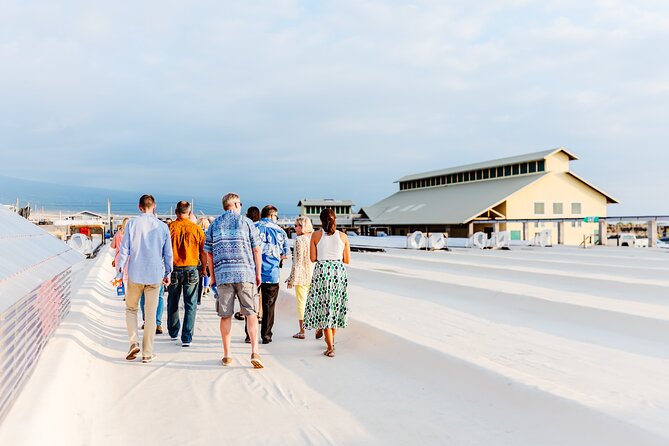
Review · BIG ISLAND
Sunset Kona Salt Farm Tour
Kona’s salt farm tour turns an everyday seasoning into the main event. You’ll see how seawater drawn from 2,200 feet below the surface becomes hand-harvested salt, then taste the finished product as the sun drops over the Pacific. The oceanfront setting and the 13-salt tasting are the two things I like most here.
The tour also gives you a useful glimpse of Hawaiian tradition and small-scale local business, not just a quick photo stop. My one caution: production is driven by evaporation, so you won’t see a busy factory floor, and one visitor found the soft-spoken guide hard to hear over the surf.
Key points at a glance
- Deep-ocean water: Learn why the farm uses seawater drawn from 2,200 feet below the surface.
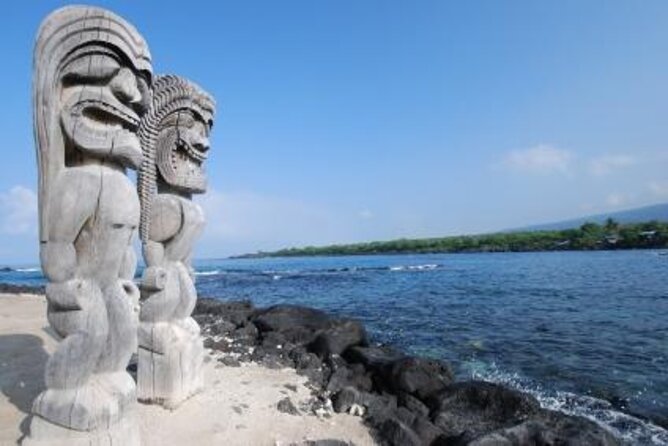
- Hawaiian salt traditions: The talk connects modern production with centuries of salt-making in Hawaii.
- Thirteen tastes: Sample pure, flavored, and smoked salts harvested and prepared on-site.
- Sunset setting: Sit by the ocean or under the covered deck after the farm tour.
- Small group feel: The maximum group size is 20 people, keeping the visit fairly personal.
- Good family stop: Children as young as 7 have found the process engaging, especially the tasting.
Why Kona salt makes a good sunset stop
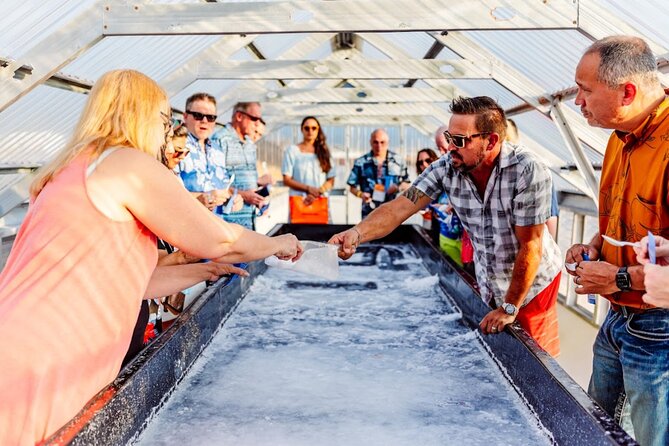
Most Hawaii food tours focus on coffee, macadamia nuts, or fruit. This one takes a simpler ingredient and shows you how much thought goes into making it. Salt is familiar, but the source and method here are unusual: seawater is taken from roughly 2,200 feet below the surface, then processed at the oceanfront farm.
That gives the tour a strong sense of place. You are not just sampling a product shipped in from somewhere else. You are learning how a local producer uses Hawaii’s surrounding ocean, its climate, and long-standing cultural practices to make something you can taste immediately.
The tour lasts about one hour. That is enough time for a short explanation of the farm, a look at the salt-making process, a tasting, and sunset viewing without consuming half your evening. I see this as a particularly useful stop for a first or last activity of the day in the Kona area.
The setting is part of the value. The farm is at the Hawaii Ocean Science and Technology Park, at 73-907 Makako Bay Drive in Kailua-Kona. After the educational portion, you can settle on the oceanfront grounds or under the covered deck and watch the changing light across the water.
More Salt Farm Tours in Big Island:
- Hawaiian Salt Farm Tour in Kona
★ 5.0 · 767 reviews - Kampot: Pepper Farm Tour, Salt Field, Cave & Secret Lake
★ 4.9 · 283 reviews - Kampot Countryside include Pepper farm, Salt field & Lake
★ 4.9 · 100 reviews
Arriving at Kona Sea Salt
You meet at the farm and finish at the same place, so there is no separate drop-off point to sort out. The activity uses a mobile ticket, and confirmation arrives when you book. Give yourself enough time to reach the meeting point, since the experience begins at the farm rather than at a central Kona hotel.
This is a small-group visit, limited to 20 people. That matters because salt production involves explanation and questions rather than a large performance. A group of this size should make it easier to see the areas being discussed and stay near the guide.
The farm is oceanfront, which means the sound of the surf is part of the experience. That is wonderful for the setting, but it can affect the talk. One guide was described as soft-spoken, and it was difficult to hear her clearly with the waves nearby. I would stay close to the guide and ask her to repeat anything you miss.
The tour requires good weather. If poor conditions cancel it, you can choose another date or receive a full refund. For the best sunset atmosphere, keep the weather policy in mind when planning this on a tightly packed evening.
The farm tour and the 2,200-foot water source
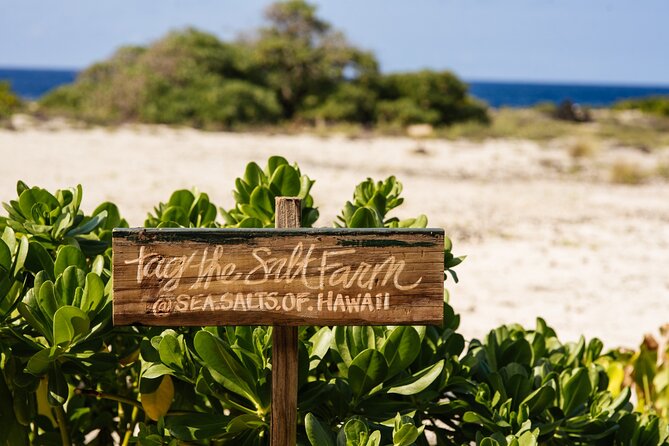
The first part explains how salt is made at Kona Sea Salt and why the farm uses deep ocean water. The water source comes from about 2,200 feet below the surface, a detail that gives the process its unusual character and provides the main scientific point of the tour.
You’ll learn what makes this water source especially pristine and distinctive, then hear about the steps involved in drying and collecting the salt. The operation depends heavily on evaporation. That means the work is not a dramatic, fast-moving factory process, and you should not expect machinery running at full speed or a long production-floor walk.
This is the tour’s main trade-off. If you want to see every stage happening in real time, you may find the visit brief. One-hour tours can feel even shorter if you already know how evaporation works. On the other hand, the slower pace helps explain why salt production is a patient process. The waiting is not a gap in the story. It is part of the work.
I like that the farm tour connects the physical method with Hawaiian salt traditions. The experience is not limited to a technical explanation of water and drying. You also hear about the cultural role of salt in Hawaii and how local producers carry those traditions into a modern business.
That combination gives the visit more substance than a simple product demonstration. You get the natural science, the practical steps, and the cultural context in one compact stop.
What the salt-making process teaches you
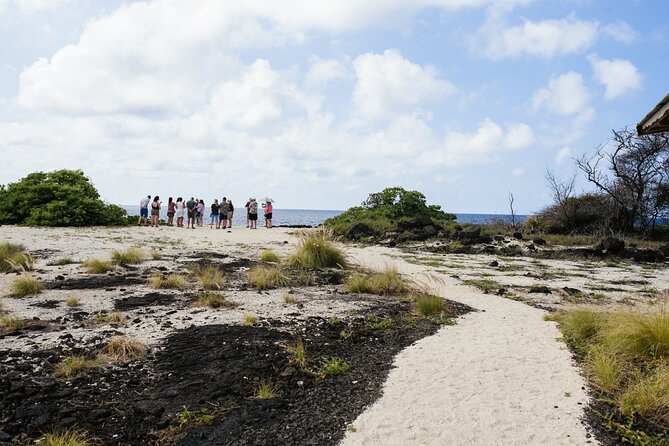
Salt can seem almost too ordinary to deserve a tour. That is exactly why the explanation works. You use it every day, but you may not think about where it comes from, how it is separated from seawater, or why different processing methods affect texture and taste.
At the farm, you’ll learn about collecting the deep-ocean water and drying it until salt forms. The process helps you understand the difference between a raw ocean resource and the finished crystals sold for cooking. You may also hear about harvesting and packaging, along with the company’s values and commitments.
Do not expect a hands-on harvesting session based on the information provided. The value comes from seeing the farm, hearing the process explained, and tasting the final result. If you prefer active demonstrations, the tour might feel light. If you enjoy learning how local food is produced, the format is easy to appreciate.
The cultural material adds another useful layer. Hawaii’s salt traditions are centuries old, and the talk gives you a chance to see how food production can be tied to place and custom. That is a better souvenir than simply buying a jar without knowing anything about it.
More Evening Experiences in Big Island:
- Evening Cooking Class in Organic Farm with Local Market Tour
★ 5.0 · 394 reviews - Florence Sunset Food Tour with Wine & Dine at a Tuscan farmhouse
★ 5.0 · 194 reviews - Sunset Thai Cooking with Grandma – Farm & Evening Feast
★ 5.0 · 127 reviews - Jeddah Desert Safari: Quad Biking, Camel Farm & Sunset Views
★ 4.9 · 37 reviews
The 13-salt tasting
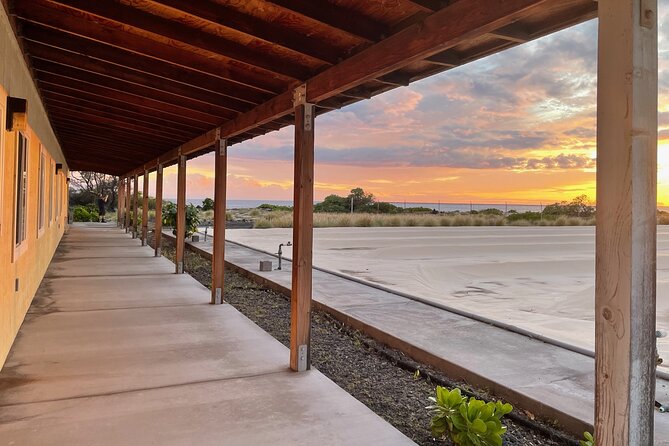
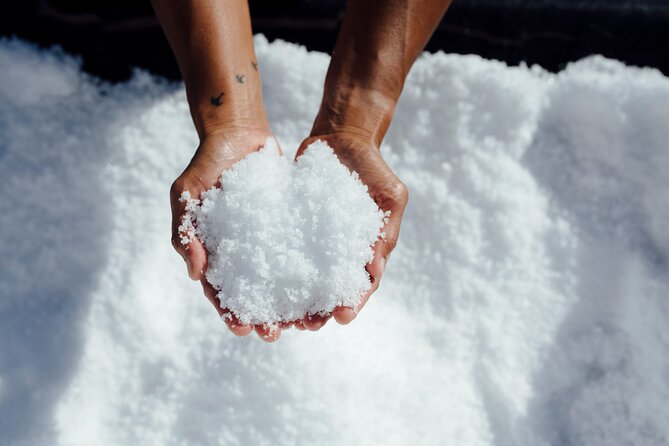
The tasting is the most memorable part for many people, and it gives the tour a clear payoff. You’ll sample pure salt along with flavored and smoked varieties, all harvested or prepared on-site. The tasting may include sample vegetables, which help you notice how the salts change a familiar food.
This is not just a pinch of plain salt followed by a sales pitch. The variety lets you compare the character of different blends and smoking methods. You may be surprised by how much difference there is between the basic product and the flavored versions.
I would approach the tasting slowly. Try the plain salt first, then move through the seasoned and smoked options. That gives your palate a reference point before stronger flavors enter the picture. You can also decide which type is worth buying instead of guessing from the label.
The salt is available for purchase, but a small bag is not included in the tour price. That is worth knowing before you arrive. At $27 per person, the tasting and sunset make the cost reasonable, but some people would prefer a sample packet to be part of the admission.
Think of the tasting as both education and a chance to choose a gift. A salt jar is easy to pack, useful at home, and more connected to your Hawaii visit than a generic souvenir. If you plan to buy some, the tasting helps you avoid picking a flavor at random.
Sunset by the Pacific
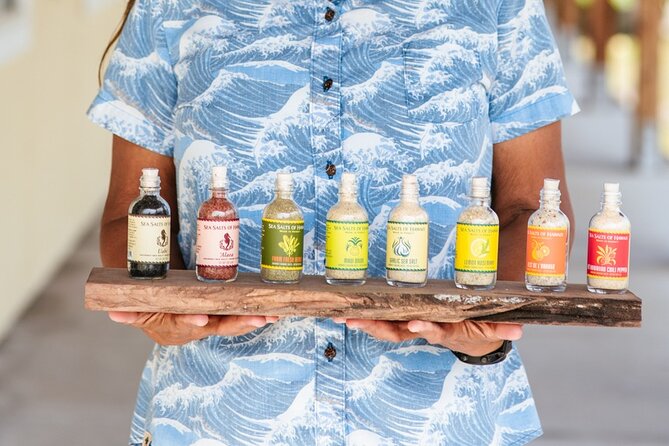
Once the tour and tasting are finished, the setting becomes the main attraction. You can sit on the oceanfront grounds or under the covered deck and watch the sunset from the farm. The ocean view gives the activity a calm finish instead of ending with the last explanation.
Sunset conditions vary, of course. Clear skies may provide the strongest colors, while clouds can soften the view or block part of it. The good part is that the farm visit still has educational value even if the sunset is modest.
The setting can also bring occasional wildlife sightings. Whales have been seen from the area during the right season, though no sighting is guaranteed and it should not be the reason you book. Treat that as a lucky extra rather than part of the promised program.
I like the way the sunset fits the pace of the farm. Salt production itself is slow, shaped by sun, air, and time. Sitting by the water after hearing about that process makes the ending feel connected to what you just learned.
Is $27 a fair price?
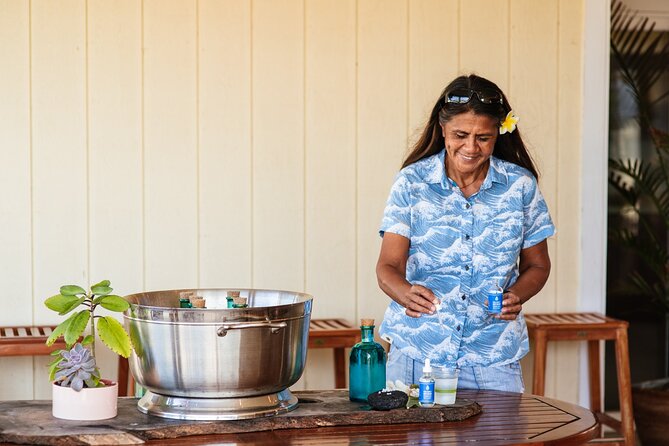
At $27 per person, this is not a major splurge for a Hawaii activity. You are paying for about an hour of guided instruction, access to the farm, a multi-salt tasting, and time in an oceanfront setting. The price looks strongest if you value local food, small producers, and a sunset stop that is different from the usual beach visit.
The value is less clear if your main goal is an extended tour with lots of active production. The actual salt-making cycle cannot be rushed, and the farm may not have a dramatic process to show at every moment. One person felt the visit could have been reduced to five minutes and wished there were more production in action.
That criticism is fair, but it also points to the kind of experience this is. You are not booking a large museum or a full meal. You are booking a compact introduction to a distinctive local product, followed by tasting and scenery. For many people, that is enough to justify the cost, especially when compared with longer, more expensive Hawaii excursions.
The biggest value comes from combining three things: a useful explanation, a tasting with real variety, and a pleasant place to watch the sun go down. Remove the tasting or the ocean setting, and the price would feel less convincing. Together, they make the hour feel purposeful.
Who will enjoy this tour most?
I would recommend it to anyone curious about local food production, especially if you have already done a coffee farm visit and want something less familiar. It also suits people who like short activities with a clear beginning and end, rather than spending an entire afternoon on one organized outing.
Families can consider it, too. Children aged 7 and 9 have enjoyed the explanation and tasting, so the subject is not automatically too dry for younger people. The different salt flavors give children something concrete to focus on, while the sunset keeps the ending relaxed.
It is also a good choice for anyone who wants to support local producers. You learn about the company’s methods and commitments, see where the product is made, and have the option of taking salt home. That makes the purchase feel tied to the place.
You may want to skip it if you need a highly active tour, a long walk, or a guaranteed spectacle. The visit is mostly listening, looking, tasting, and sitting. Also consider your hearing needs, since surf noise can make a soft-spoken presentation difficult to follow.
Most people can take part, and service animals are allowed. The activity has free cancellation up to 24 hours before the start time. Changes or cancellations inside that window are not accepted for a refund, so keep your evening plans firm once you are inside that cutoff.
My practical take on the one-hour format
The short duration is one of the tour’s strengths. You can fit it into a Kona day without giving up a full morning or afternoon. It works well before dinner, after sightseeing, or as a quieter break from driving and outdoor activity.
The same length is also the main limitation. The tour cannot provide a long production walk, a detailed workshop, and a leisurely sunset all at once. The guide must keep the explanation moving, and the tasting follows fairly quickly.
To get the most from it, arrive ready to listen and stay near the guide. Ask questions during the farm explanation, since this is where the cultural and technical details add the most value. At the tasting, compare the salts rather than rushing through them.
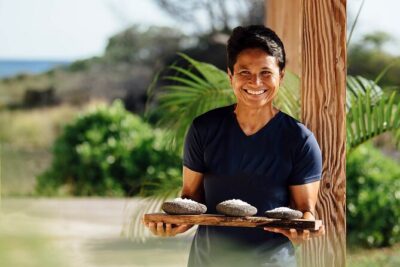
If Mia is leading your visit, you can expect a friendly guide who handles questions well and presents the material clearly. Guide quality matters here because the farm itself is compact. The explanation is the experience.
Should you book the Kona Salt Farm Tour?
Book it if you want a low-cost, distinctive Kona activity that combines food, Hawaiian tradition, and a sunset by the sea. The deep-ocean water source, 13-salt tasting, and oceanfront setting give the hour plenty of personality.
Skip it if you expect a full working-farm demonstration with machinery and constant action. The salt-making process is patient and evaporation-based, so the tour is more about understanding the method than watching a busy operation.
For $27, I think it is a sensible choice for curious eaters, families, and anyone who wants a small local experience instead of another standard sightseeing stop. Stay close enough to hear the guide, allow for the weather, and treat the sunset as part of the reward rather than a guarantee.
FAQ
How long does the Kona Salt Farm Tour last?
The tour lasts approximately one hour, including the farm explanation and salt tasting.
Where does the tour meet?
You meet at Kona Sea Salt, 73-907 Makako Bay Drive, Kailua-Kona, Hawaii 96740. The activity ends back at the same meeting point.
What will I taste?
You will sample pure, flavored, and smoked salts. The tasting includes 13 varieties, and sample vegetables may also be provided.
Is the sunset included in the experience?
Yes. After the farm tour and tasting, you can enjoy the sunset from the oceanfront grounds or the covered deck.
How many people can join the tour?
The group has a maximum of 20 people.
Can I cancel for a full refund?
Yes, if you cancel at least 24 hours before the experience start time. Poor weather cancellations can result in a different date or a full refund.
Newly listed farm visits around Big Island
- Farm-to-Table Chef’s Dinner at Kulaniapia Falls★ 4.5 · 42 reviews
- Hamakua Coast Farm Small-Group Walking and Tasting Tour★ 5.0 · 4 reviews
- Edible Hibiscus Guided Farm Tour (Big Island)★ 5.0 · 31 reviews
- Farm to Table Cooking Class at Kulaniapia Falls★ 4.5 · 36 reviews
- Bottle Feed & Cuddle Baby Goats at Ohana Ranch (Big Island)★ 5.0 · 29 reviews
- Hala Tree Coffee Farm Tour★ 5.0 · 44 reviews
- Baumkuchen Farm Tour★ 4.5 · 10 reviews
- Big Island Family Off Road Farm Adventure at Ohana Ranch★ 5.0 · 43 reviews
Salt Farm Tours, compared.
Pepper Farm Tour, Salt Field, Cave & Secret Lake
Read our review →
Kampot Countryside include Pepper farm, Salt field & Lake
Read our review →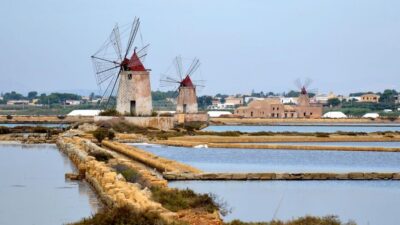
Guided tour of the Marsala Salt Pans and salt harvesting
Read our review →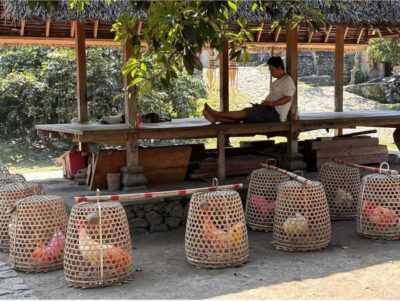
Bali: Traditional Villages, Salt Farm & Tirta Gangga Tour
Read our review →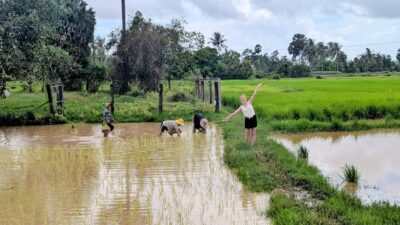
Kampot Private Tour: Pepper Farm, Salt Field & Secret Lake
Read our review →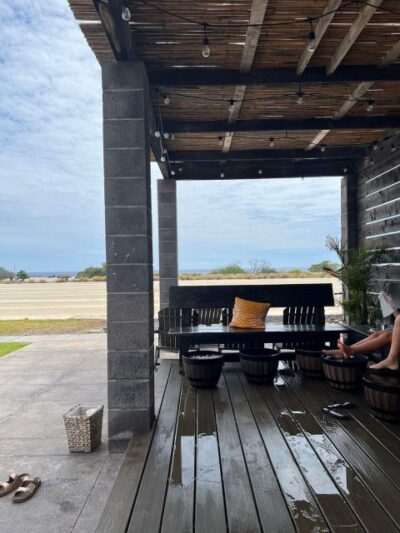
Kona Salt Farm: Deep Ocean Cold Water Mineral Foot Soak
Read our review →
Kampot Pepper Farm, Salt Fields, Crab Market from Phnom Penh
Read our review →Browse the lists this tour appears in