
Review · BIG ISLAND
Edible Hibiscus Guided Farm Tour (Big Island)
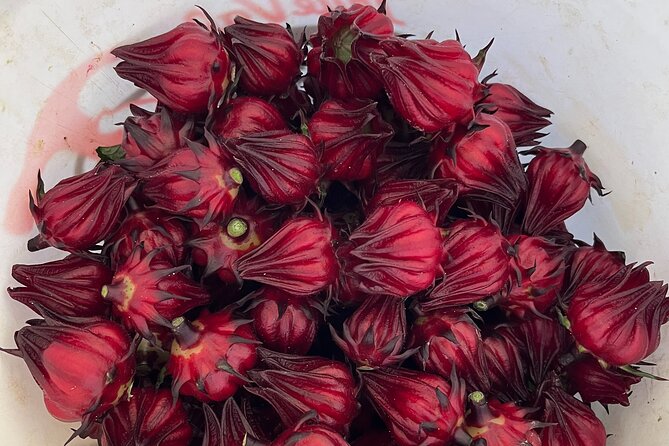
The most surprising part of this Hamakua Coast outing is that hibiscus is more than a pretty Hawaiian flower. At Hawaiian B Natural Farms, Susan and Lance show you how selected varieties are grown for eating, then turn them into tea, preserves, flowers in syrup, shortbread with jam, and other treats. The setting outside Honokaa adds ocean views and a welcome change from the usual beach-and-volcano circuit.
I like the small group limit of 12, which keeps the farm walk personal and makes it easier to ask questions. I also like the tasting at the end, since you do not just hear about edible hibiscus, you actually try the flowers and finished products.
The main consideration is focus. If you are not interested in gardening, food production, or hydroponics, the greenhouse portion may feel more technical than exciting. The outdoor garden can also show the ordinary troubles of farming, including insect damage, rather than a picture-perfect flower display.
Key points to know before you go
- The farm sits outside Honokaa on the Hamakua Coast: Expect a countryside setting with views toward the ocean, not a commercial attraction in town.
- Susan and Lance lead the experience: You learn directly from the owners and farmers, with a personal look at how their products are made.
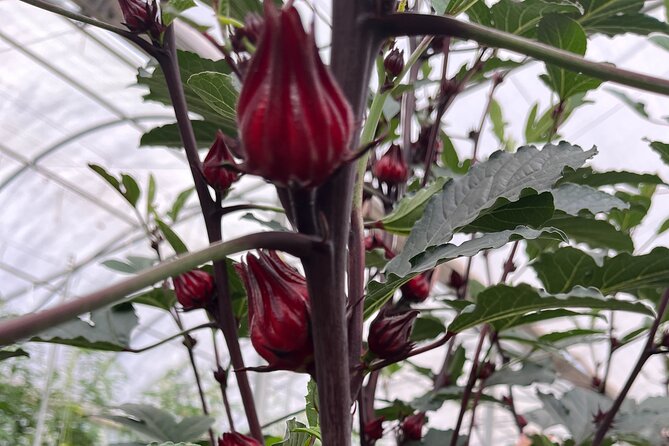
- You compare two very different kinds of hibiscus: The tour explains why ornamental hibiscus and culinary hibiscus are not interchangeable.
- The greenhouse uses hydroponic growing: This gives the tour a practical farming angle, especially for gardeners and curious food lovers.
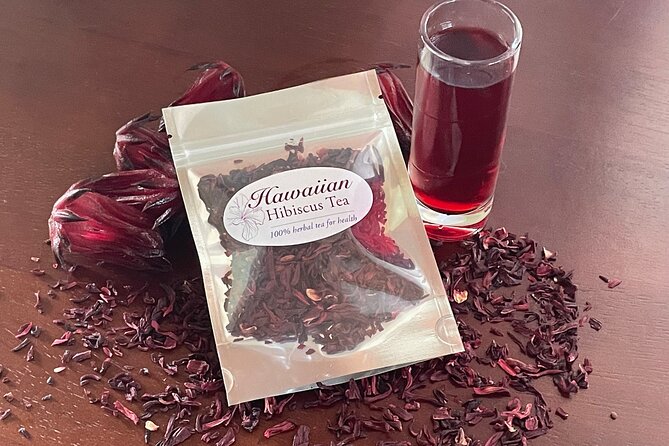
- The tasting is a real part of the tour: You sample hibiscus flowers, tea, preserves, and other preparations made at the farm.
- You have about 90 minutes and a chance to shop: Farm products are available after the tasting, so bring money if you want tea, preserves, or other edible souvenirs.
Why this small farm tour feels different
The Big Island has no shortage of farm visits, but this one has a narrow and unusual subject: edible hibiscus. That focus gives the experience a clear shape. You are not simply walking through rows of plants and hearing a general talk about agriculture. You are learning why some hibiscus flowers are grown for food while others are meant only for display.
I find that distinction useful because hibiscus is easy to recognize but easy to misunderstand. A bright flower in a garden does not automatically belong in your tea cup or on your plate. Susan and Lance explain the difference between ornamental and culinary varieties, along with the way their farm grows and processes the edible flowers.
The experience also connects the plant to Hawaii’s wider farming story. You discuss the history of agriculture in Hawaii, then move from that broad subject into the practical work of growing, harvesting, and preparing one crop. That balance makes the tour more than a tasting session, but it does not turn into a long classroom lecture.
The owner-led format matters here. Susan and Lance are not simply reading a standard script and pointing out plants. They operate the farm and make the products themselves, so the conversation can cover both the growing method and the food on your tasting plate. Susan is also known for a quick sense of humor, which helps keep the agricultural details light.
More Guided Tours in Big Island:
- Mykonos: Farm, Ano Mera Village, and Beaches Guided Tour
★ 4.4 · 1,283 reviews - Lahaina: Maui Ku’ia Estate Guided Cacao Farm Tour and Tasting
★ 5.0 · 1,103 reviews - Kaneohe: Kualoa Ranch Guided UTV Tour
★ 4.8 · 335 reviews
Arriving near Honokaa on the Hamakua Coast
The meeting point is at 44-2790 Kalopa Mauka Road, Honokaa, Hawaii 96727. The farm is in the countryside just outside Honokaa, on the north side of the Big Island. You will want to allow enough time to find the address without rushing, although the farm has been described as easy to locate.
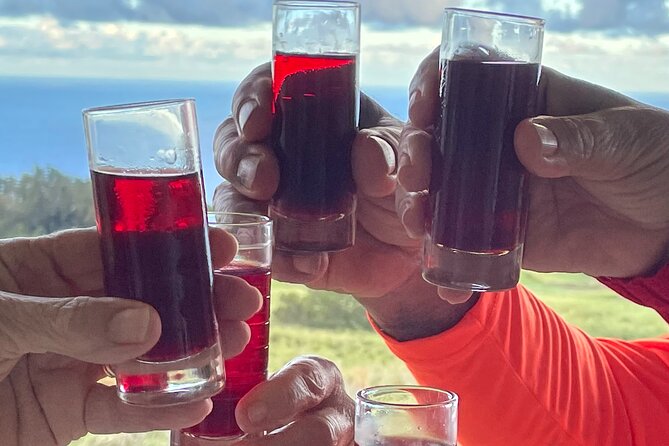
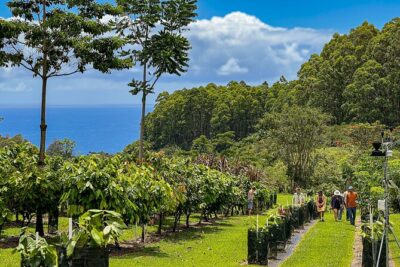
This is a useful stop if your day already includes the Hamakua Coast or Honokaa. It gives you a reason to leave the main road and see a quieter part of the island. The setting is part of the appeal: you get open farm space, a demonstration garden, and ocean views rather than an indoor food shop.
The tour begins and ends at the same meeting point. There is no separate transportation between stops, so you should plan to arrive with your own arrangements. The experience lasts about one hour and 30 minutes, a manageable length for a morning or afternoon outing.
Because the tour takes place on a working farm, keep your expectations in the right place. This is not a manicured botanical garden with endless rows of perfect blooms. You may see flowers affected by bugs and the ordinary wear of growing plants. I consider that a fair trade for seeing a real production space rather than a staged display.
The outdoor garden and the hibiscus lesson
The first main portion takes place in the outdoor demonstration garden. Here, you see several types of hibiscus plants and flowers while learning how the farm separates culinary varieties from ornamental ones.
This is where the tour answers the basic question: what makes a hibiscus suitable for food? You learn about the plants used for the farm’s products and why appearance alone is not enough to identify an edible flower. The lesson is practical, especially if you garden at home or like to understand where ingredients come from.
You also discuss cultivation and the challenges of farming on the Big Island. The garden may not look flawless. Some plants have shown insect damage, a point worth noting if you are expecting a show garden. For me, that is also a useful reminder that food production involves pests, weather, timing, and constant care.
The outdoor section provides a visual foundation for the rest of the visit. Once you have seen the plants, the tea and preserves later make more sense. You can connect the flower in the garden with the ingredient in the jar or cup.
The setting adds another layer. The farm has ocean views, so even the more technical parts of the discussion take place in a pleasant countryside setting. You get the feel of a working agricultural property rather than a packaged attraction built around a single photo opportunity.
Inside the hydroponic greenhouse
The tour continues into the hydroponic greenhouse production area. This is likely to be the most interesting section for gardeners, growers, and anyone curious about modern farming methods.
You learn how the farm uses hydroponic techniques in its production. The point is not only to see equipment, but to understand how the farm grows its edible hibiscus and manages the plants in a controlled setting. Susan and Lance explain the process in the context of their own work, which makes the subject easier to follow than a broad technical talk.
If you have little interest in gardening, this may be the slowest part of the tour. The greenhouse is not presented as a thrill ride, and the appeal comes from understanding the process. I would not choose this activity solely for dramatic scenery or entertainment. I would choose it because you want a closer look at how a small farm grows a specialized crop.
The small group helps in the greenhouse. With no more than 12 people, you have a better chance of hearing the explanation and seeing what is being shown. You can also ask about cultivation, varieties, and the production of the farm’s foods without trying to compete with a large crowd.
The greenhouse also helps explain why the tour is more than a flower walk. You see both the plant and the method behind it. That connection gives the tasting at the end more meaning, since you have followed the product from growing area to finished food.
More farm tours around Big Island:
- Hawaiian Salt Farm Tour in Kona
★ 5.0 · 767 reviews - Award Winning Farm Tour: Coffee, Chocolate and Unique Gifts
★ 5.0 · 484 reviews - Small-Group Big Island Tour: Hawaii Volcanoes National Park and Kona Coffee Farm
★ 5.0 · 343 reviews - Big Island ATV Tour at Ohana Ranch
★ 5.0 · 254 reviews
The tasting: tea, flowers, preserves, and sweets
The tour ends with a guided tasting of hibiscus flowers, preserves, and teas. This is the part most likely to appeal even if you are not a serious gardener.
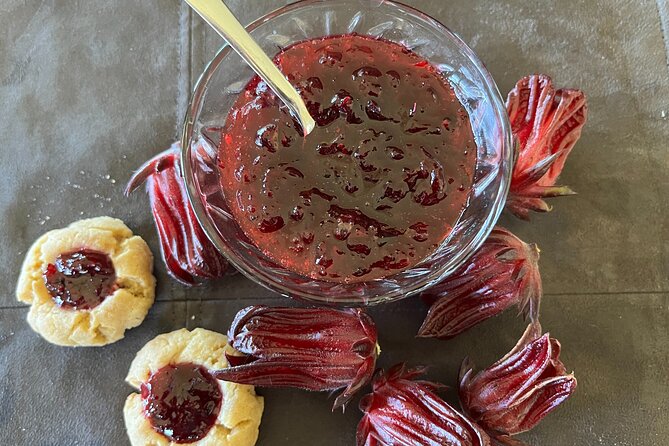
You may taste hibiscus tea, flowers in syrup, and preserves. Other farm-made samples have included hibiscus ice tea, panna cotta, and shortbread with jam. The exact selection may vary, but the main idea remains the same: you try hibiscus in several forms instead of tasting one sample and moving on.
I especially like this approach because hibiscus has a tart, floral character that changes with preparation. Tea gives you a refreshing drink, while preserves and flowers in syrup show how the ingredient can work in sweet foods. The tasting turns an unfamiliar crop into something you can understand through flavor.
The hibiscus tea has been a particular favorite, described as refreshing and full of flavor. If you want to buy something afterward, tea is a sensible choice because it is easy to take home and use later. The preserves are another strong option, especially if you enjoy pairing fruit spreads with bread, biscuits, or desserts.
The tasting also shows the farm’s creative side. You are not simply eating raw flowers as a novelty. You are seeing how one agricultural product can become drinks, spreads, desserts, and snack items. That range is one of the best reasons to take this tour.
Bring some money if you expect to shop. Farm products are available for purchase after the tour, and buying directly from the farm gives you a practical souvenir rather than another decorative item. The tour itself is listed with no separate admission ticket charge, but you should treat the products as optional purchases.
What the 90-minute format means for your day
An hour and a half is long enough to cover the garden, greenhouse, agricultural background, and tasting without taking over your day. You can pair it with other stops around Honokaa and the Hamakua Coast.
The schedule is also short enough for families and mixed-interest groups, though the subject matter may appeal more to adults, gardeners, food lovers, and curious children than to anyone looking only for action. Most people can participate, and the group is capped at 12.
The small size is valuable for a farm setting. You can hear the owners, move through the growing areas without a large crowd, and take part in the tasting at a comfortable pace. It also makes the experience feel more like a visit with working farmers than a large tour operation.
There are a few practical limits. The activity is offered in English, and it requires suitable weather. If poor weather forces a cancellation, you can receive a different date or a full refund. The farm also requires a minimum number of participants, so a cancellation is possible if that minimum is not reached.
The cancellation policy allows a full refund if you cancel at least 24 hours before the start time. Changes or cancellations inside that 24-hour window are not accepted for a refund. Keep the local cut-off time in mind when making plans.
Who will get the most from this farm visit
I would recommend this experience most strongly to you if you enjoy one or more of the following:
- Small farms and owner-led tours
- Gardening and hydroponic growing
- Hawaiian agriculture
- Unusual food products
- Tea, preserves, and fruit-based sweets
- Quiet countryside settings with ocean views
It is also a good choice when you want a break from the Big Island’s better-known sights. You will not spend the morning chasing a waterfall or waiting for a sunset. Instead, you spend 90 minutes learning about a single crop and tasting the results.
Families may enjoy the samples and the novelty of eating a flower, but the greenhouse discussion could be more appealing to older children. Food-focused visitors should find plenty to enjoy, especially if you like tasting products that are not widely available in regular shops.
I would be less quick to recommend it if you want a large farm with many different crops, a long walking route, or a highly polished garden display. The edible hibiscus focus is specific, and the outdoor plants may show signs of pests. That is not a flaw in the farming itself, but it does shape the experience.
Is the tour a good value?
The value comes from the combination of access, instruction, and tasting. You are not paying only to look at flowers. You get an owner-led explanation of Hawaiian agriculture, a lesson in culinary and ornamental hibiscus, a greenhouse visit, and several samples of products made at the farm.
The listed experience has no admission ticket charge, which makes the 90-minute format especially appealing if you are already driving near Honokaa. You may spend extra on tea, preserves, or other products, but those purchases are optional.
The tour is also more personal than a standard attraction. Susan and Lance share the work behind the farm, and the small group limit keeps the visit from feeling anonymous. For me, that direct connection is the strongest value.
You should still choose it for the right reason. If you want a highly active outing, the value may seem limited. If you want a distinctive food and farming experience with a tasting at the end, it offers plenty for the time involved.
Should you book the Edible Hibiscus Guided Farm Tour?
Book it if you want a small, unusual Big Island experience that combines agriculture, hydroponics, ocean views, and food. The tasting is a real highlight, and the chance to buy tea or hibiscus preserves gives the visit a useful finish.
I would make this a priority for gardeners, food lovers, and anyone planning time around Honokaa. You will learn something specific, meet the people who grow and prepare the product, and taste hibiscus in forms you may not have tried before.
Skip it if your interest in plants is low or if you expect a large, flower-filled attraction. The farm is a working place, and the greenhouse and gardening discussion are central. For the right audience, though, this is one of those short stops that adds a more personal and local side to a Big Island itinerary.
FAQ
Where is the Edible Hibiscus Guided Farm Tour located?
The tour meets at 44-2790 Kalopa Mauka Road, Honokaa, Hawaii 96727, in the countryside outside Honokaa on the north part of the Big Island.
How long does the experience last?
Plan for about one hour and 30 minutes from start to finish.
Who leads the tour?
The tour is led by farm owners Susan and Lance of Hawaiian B Natural Farms.
What will I see during the tour?
You will visit an outdoor demonstration garden with several hibiscus varieties, learn about Hawaiian agriculture, and see the farm’s hydroponic greenhouse production area.
What will I taste?
The guided tasting includes hibiscus flowers, preserves, and tea. Other samples may include flowers in syrup, hibiscus ice tea, panna cotta, and shortbread with jam.
Can I buy products at the farm?
Yes. You can purchase the farm’s hibiscus products after the tour.
What happens if the tour is canceled because of weather or low enrollment?
If poor weather or an insufficient minimum number of participants causes cancellation, you will be offered a different date or experience, or a full refund.
Newly listed farm visits around Big Island
- Sunset Kona Salt Farm Tour★ 5.0 · 55 reviews
- Farm-to-Table Chef’s Dinner at Kulaniapia Falls★ 4.5 · 42 reviews
- Hamakua Coast Farm Small-Group Walking and Tasting Tour★ 5.0 · 4 reviews
- Farm to Table Cooking Class at Kulaniapia Falls★ 4.5 · 36 reviews
- Bottle Feed & Cuddle Baby Goats at Ohana Ranch (Big Island)★ 5.0 · 29 reviews
- Hala Tree Coffee Farm Tour★ 5.0 · 44 reviews
- Baumkuchen Farm Tour★ 4.5 · 10 reviews
- Big Island Family Off Road Farm Adventure at Ohana Ranch★ 5.0 · 43 reviews
Big Island Farm Tours, compared.
Award Winning Farm Tour: Coffee, Chocolate and Unique Gifts
Read our review →
Waipi’o on Horseback: Mountain Ocean Views Working Cattle Ranch
Read our review →
Craft Chocolate Tasting and Farm Experience on the Big Island
Read our review →
Kona Tour: Bee Farm, Kona Coffee, and National Historical Parks
Read our review →Browse the lists this tour appears in