
Review · BIG ISLAND
Hamakua Coast Farm Small-Group Walking and Tasting Tour
The most unusual part of this Hilo-area outing is the chance to see a reclaimed plantation-era farm still being shaped into something new. At Nakihalani Farm, you’ll walk among lilikoi structures, fruit trees, herbs, flowers, sugar cane, and even sheep while hearing how the property was brought back from ruin.
I like the small group limit of eight, which should make it easier to ask questions and move at a relaxed pace. I also like that the tasting goes beyond one sample, with lilikoi in several forms, Mamaki tea, honey, pastries, and sugar cane juice. The main drawback is that this is a working farm walk, not a polished attraction, so muddy or uneven ground and warm weather may be part of the deal.
Key points to know before you book
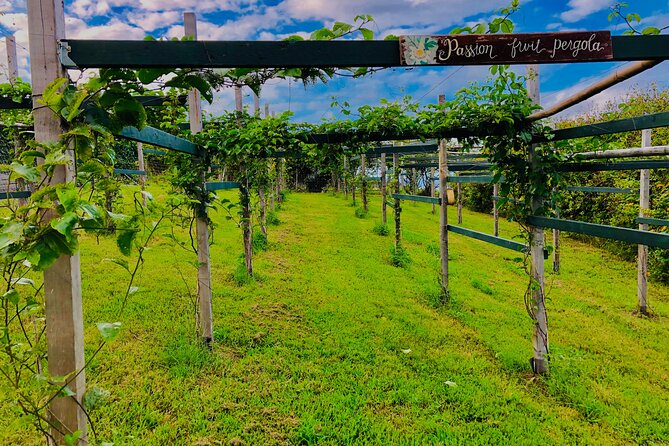
- Lilikoi is the star: See large custom-growing structures and taste the fruit in syrups, pastries, and other sweet treats.
- The farm has a restoration story: You’ll learn how a neglected plantation property was reclaimed and put back into productive use.
- The walk is relaxed but active: The tour lasts about two hours, and a moderate level of fitness is recommended.
- The tasting comes at the end: Expect Hawaiian lilikoi specialties, hot or cold Mamaki tea, and sugar cane juice.
- You can linger afterward: Stay at the farm after the formal tour, and check ahead about breakfast or lunch.
- Book early for a small group: The tour is limited to eight people and averages about $49 per person.
A farm tour with more character than polish
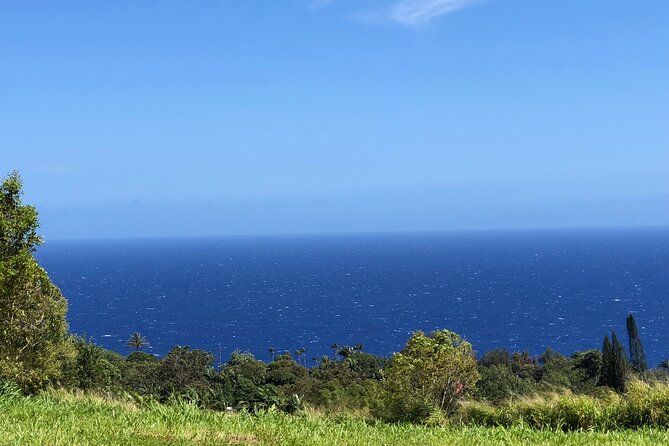
The Hamakua Coast is often associated with dramatic ocean views and old sugar plantations, but this outing turns your attention inland to the work behind Hawaiian agriculture. Nakihalani Farm is not simply a place to collect a few samples and leave. It gives you a look at how a damaged property can be restored field by field.
You’ll meet at 35-218 Kihalani Homestead Road in Hilo at 10:00 a.m. The experience lasts about two hours and returns to the same meeting point. Since the group is capped at eight, the outing has a more personal feel than a large bus tour.
The farm’s story is one of the strongest reasons to book. You’ll hear about the owners’ effort to reclaim a plantation-era property that had fallen into ruin. That context helps explain the mix of new fields, orchards, growing structures, flowers, herbs, and open areas. The farm is still a work in progress, and that is part of its appeal.
More farm tours around Big Island:
- Hawaiian Salt Farm Tour in Kona
★ 5.0 · 767 reviews - Award Winning Farm Tour: Coffee, Chocolate and Unique Gifts
★ 5.0 · 484 reviews - Small-Group Big Island Tour: Hawaii Volcanoes National Park and Kona Coffee Farm
★ 5.0 · 343 reviews
Walking through pineapple, citrus, and Mamaki fields
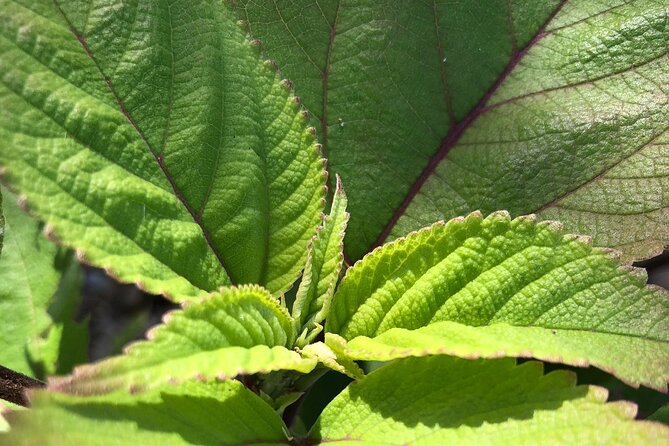
The walk moves at a leisurely pace through several parts of the property. You may see pineapple, grapes, citrus, avocado, sugar cane, Mamaki tea, flowers, herbs, and sheep. The variety makes this more interesting than a single-crop farm visit.
I especially like the chance to compare the needs of different crops in one place. Pineapple, citrus, avocado, grapes, and sugar cane each reflect a different side of farming in Hawaii. You’ll also hear about the practical rewards and problems involved in growing food on the islands, including the work required to establish and maintain productive fields.
The tour includes some of the largest custom-growing structures for lilikoi in the Hawaiian Islands. Lilikoi, or passion fruit, is the clear focus here. These structures are not just a backdrop for photographs. They show how the farm supports a crop that needs careful growing conditions and regular attention.
The walking is described as leisurely, but this is still a farm rather than a paved museum. You should be ready for outdoor conditions and bring the physical ability needed for about two hours of walking. The stated fitness level is moderate, so this may not be the right pick if you need a completely flat, indoor, or highly polished setting.
Why the lilikoi focus matters
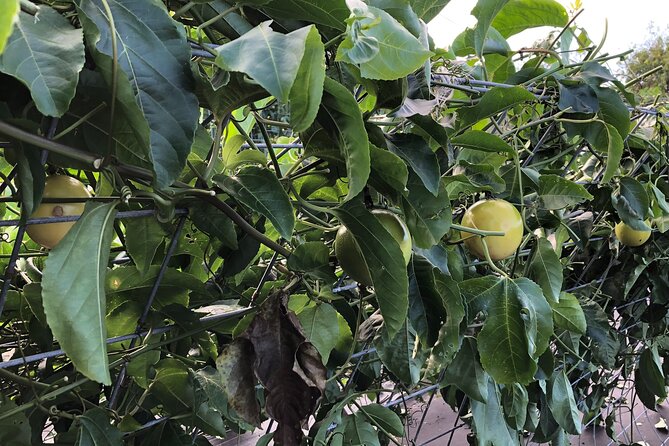
Lilikoi can be easy to overlook if you know it only as a flavor in a drink or dessert. On this tour, you get to see the fruit as a crop, learn about its growing demands, and taste it in several forms.
The lilikoi structures are one of the most specific features of the outing. Many farm tours offer a general walk through fruit trees, but Nakihalani Farm puts one Hawaiian crop at the center of the story. That gives the experience a clear identity.
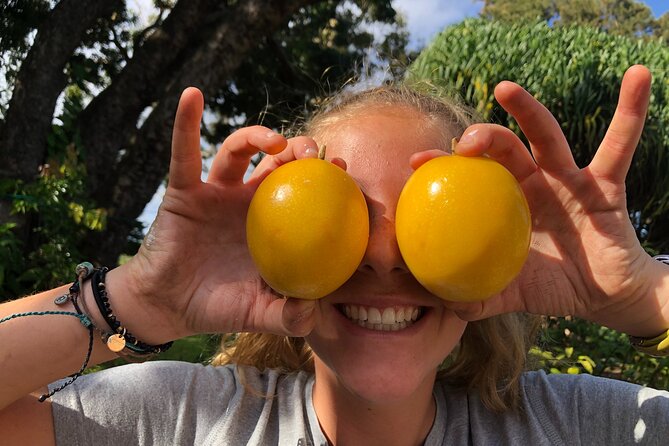
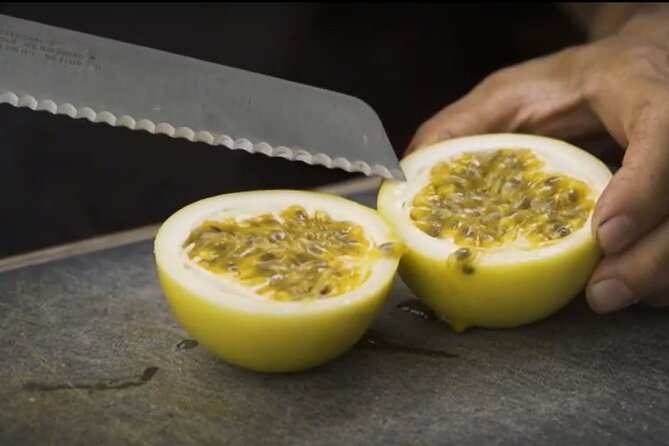
At the tasting, you may sample more than one variety of lilikoi, along with house-made syrup, honey, and pastries made with fruit from the farm. The sweet items make the end of the walk feel like a proper finish rather than a quick sip and goodbye.
You can also purchase farm products to take home. Lilikoi syrup, tea cakes, Mamaki tea, and other items may be available. Availability can change, so I would treat shopping as a pleasant extra rather than the main reason to reserve the tour.
Mamaki tea, sugar cane juice, and the final tasting
Mamaki tea adds something different to the tasting. This Hawaiian herbal tea may be served hot or cold, allowing you to try it in two simple styles. The tea is one of the farm products you can learn about while walking through the fields, so the tasting connects directly to what you have seen.
Sugar cane juice gives the final stop another local touch. Along with the tea and lilikoi sweets, it creates a broad sampling of flavors rather than a single dessert course. If you enjoy trying regional foods in small amounts, this is likely to be the most memorable part of the morning.
The tasting is also where the farm’s work becomes easiest to understand. You have seen the crops, structures, and planting areas. Then you taste the results in syrup, pastries, tea, and juice. That simple connection gives the visit more meaning than sampling products with no sense of where they came from.
A small point to keep in mind: the available food is centered on the farm’s own produce and sweet specialties. You should not assume it will replace a full meal. Breakfast or lunch items may be available for purchase, but you should check ahead if you plan to eat at the farm.
Same countryside, another kind of harvest:
- Big Island ATV Tour at Ohana Ranch
★ 5.0 · 254 reviews - Waipi’o on Horseback: Mountain Ocean Views Working Cattle Ranch
★ 5.0 · 252 reviews - Big Island Mountain Biking on Anna Ranch
★ 5.0 · 171 reviews - Experience Our Honey Farm And Beekeeping Tour
★ 5.0 · 167 reviews
The restoration story gives the walk its purpose
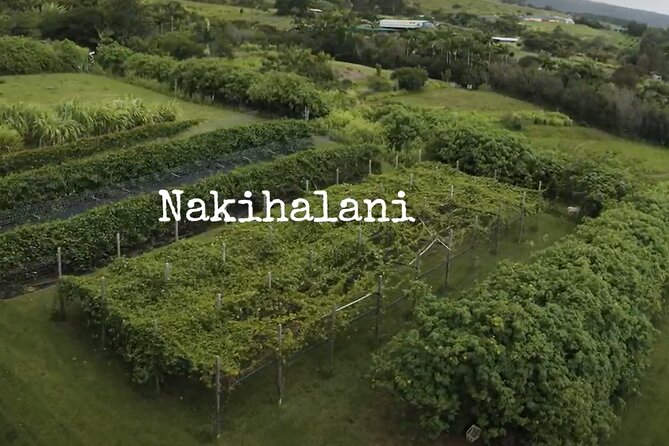
A farm tour can feel thin when it is only a list of plants. Nakihalani Farm has a stronger thread because the property itself had to be reclaimed.
You’ll learn about the area’s earlier plantation period and the owners’ efforts to bring the land back into use. The story is not presented as a finished success story with every problem solved. Instead, the fields and growing structures show the ongoing work of turning neglected ground into a productive farm.
I like that this adds a human scale to the visit. You are not just hearing about Hawaiian crops in the abstract. You are seeing what it takes to restore land, choose crops, build growing areas, and create products that can be sold directly from the farm.
The presence of flowers, herbs, and sheep also keeps the walk from feeling like an industrial agriculture lesson. The property has several working parts, and the variety gives you plenty to look at as you move along.
How the $49 price compares with the experience
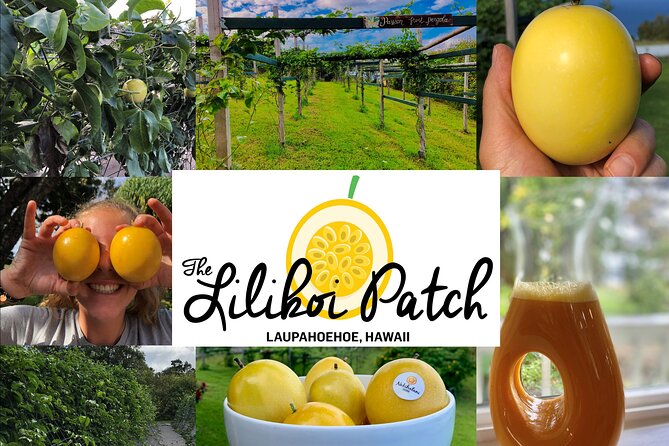
At $49 per person, this is not the cheapest way to spend two hours near Hilo. Still, the price includes a guided farm walk, the small-group setting, and the tasting at the end.
The value depends on what you want from a farm visit. If you are looking for a quick market stop or a simple fruit sample, this may feel like more time and money than necessary. If you want to understand how Hawaiian crops are grown and how a damaged property was rebuilt, the price is easier to justify.
The group limit matters here. With no more than eight people, you have a better chance to hear the guide clearly and ask questions about lilikoi, Mamaki tea, or the farm’s restoration. A large group could change the feel of a working farm walk, so the small capacity is a real part of the value.
The take-home products may add to the appeal, but I would not count their retail cost as part of the admission. Buy them only if you genuinely want lilikoi syrup, tea cakes, Mamaki tea, or other farm goods.
Planning your morning at Nakihalani Farm
The meeting point is 35-218 Kihalani Homestead Road, Hilo, Hawaii 96720. The start time is 10:00 a.m., and the tour ends back at the meeting point after about two hours.
Since the outing is outside and depends on good weather, plan your day with some flexibility. If bad weather cancels the tour, you will be offered another date or a full refund. The same applies if the minimum number of people is not met.
A mobile ticket is provided, and the tour is offered in English. You should also allow extra time after the walk if you want to browse farm products or see if breakfast or lunch items are available. The formal activity may end after two hours, but the property welcomes you to stay longer.
Free cancellation is available up to 24 hours before the start time for a full refund. Changes or cancellations made less than 24 hours before the start are not accepted for a refund. Those cut-off times use local Hawaii time.
Who will enjoy this tour most
I would recommend this outing to people who enjoy food with a sense of place. You get to learn how crops are grown, hear about the farm’s recovery, and taste products connected to the property.
It is also a good fit for curious families and small groups who prefer a calm morning outside instead of a tightly timed sightseeing stop. The sheep, flowers, herbs, and range of fruit trees give children and adults different things to notice, although the moderate fitness requirement should be considered before booking for anyone with limited mobility.
Food-minded visitors will get the most from the tasting. The chance to sample several lilikoi varieties, syrup, honey, pastries, Mamaki tea, and sugar cane juice gives you more than a standard farm walk.
You may want to skip it if your priority is a dramatic coastal viewpoint, a full meal, or a highly structured attraction with paved paths and exhibits. The Hamakua Coast setting may be part of your trip, but this particular activity is centered on agriculture and the farm’s restoration story.
The best way to fit it into your Hilo day
The 10:00 a.m. start leaves room for a relaxed morning, but you should avoid scheduling a tight connection immediately afterward. The tour ends at the same place, yet the walk, tasting, shopping, and possible food purchase can make the visit last longer than the formal two-hour duration.
If breakfast matters to you, check ahead about what is available rather than assuming the farm will serve a full morning meal. The same advice applies to lunch. The tasting includes sweet specialties and drinks, but it is not described as a complete meal.
I would also reserve early if your dates are fixed. The experience is often booked well in advance, with an average lead time of about 174 days. That is a long planning window, especially for a tour with only eight spaces.
Should you book the Hamakua Coast farm walk?
Book this tour if you want a small, personal look at Hawaiian farming and you enjoy tasting local products after seeing where they begin. The lilikoi-growing structures, Mamaki tea, sugar cane juice, and restoration story give it a clear identity.
Skip it if you want a major sightseeing landmark, a full restaurant meal, or a purely scenic coastal outing. For the right visitor, though, $49 buys a useful two hours, a thoughtful farm story, and a tasting that turns ordinary produce into something you can remember and take home.
FAQ
Where does the tour begin?
The tour begins at Nakihalani Farm, 35-218 Kihalani Homestead Road, Hilo, Hawaii 96720.
What time does the tour start?
The scheduled start time is 10:00 a.m.
How long does the experience last?
The farm walk and tasting last about two hours, and the activity ends back at the meeting point.
What is included in the tasting?
The tasting includes lilikoi specialties, hot or cold Mamaki tea, and sugar cane juice. Samples may also include lilikoi syrup, honey, and pastries made with farm fruit.
How many people can join the tour?
The tour has a maximum of eight people.
Can I cancel for a full refund?
Yes. You can cancel at least 24 hours before the local start time for a full refund. Poor weather or failure to meet the minimum number of people may also lead to a different date or a full refund.
Newly listed farm visits around Big Island
- Sunset Kona Salt Farm Tour★ 5.0 · 55 reviews
- Farm-to-Table Chef’s Dinner at Kulaniapia Falls★ 4.5 · 42 reviews
- Edible Hibiscus Guided Farm Tour (Big Island)★ 5.0 · 31 reviews
- Farm to Table Cooking Class at Kulaniapia Falls★ 4.5 · 36 reviews
- Bottle Feed & Cuddle Baby Goats at Ohana Ranch (Big Island)★ 5.0 · 29 reviews
- Hala Tree Coffee Farm Tour★ 5.0 · 44 reviews
- Baumkuchen Farm Tour★ 4.5 · 10 reviews
- Big Island Family Off Road Farm Adventure at Ohana Ranch★ 5.0 · 43 reviews
Big Island Farm Tours, compared.
Award Winning Farm Tour: Coffee, Chocolate and Unique Gifts
Read our review →
Waipi’o on Horseback: Mountain Ocean Views Working Cattle Ranch
Read our review →
Craft Chocolate Tasting and Farm Experience on the Big Island
Read our review →
Kona Tour: Bee Farm, Kona Coffee, and National Historical Parks
Read our review →Browse the lists this tour appears in