
Review · MEXICO
La Paz: Coral Farm Snorkel Tour
The most unusual part of this La Paz outing is that you do not simply snorkel over a reef. You first visit the working beds of a coral restoration project, then see how restored coral compares with a natural reef at Pichilingue. The short talk before entering the water gives the fish, coral, and restoration work a useful context.
I like the small maximum group of 13 and the fact that mask, snorkel, fins, and wetsuit are supplied. I also like that the tour supports conservation while still giving you time in the water. The main drawback is clear: this is not for non-swimmers, and the two-hour schedule leaves little room for a slow, relaxed beach day.
Key points to know before booking
- The coral nursery is the main attraction: You see the beds where coral is incubated and grown for reef restoration.
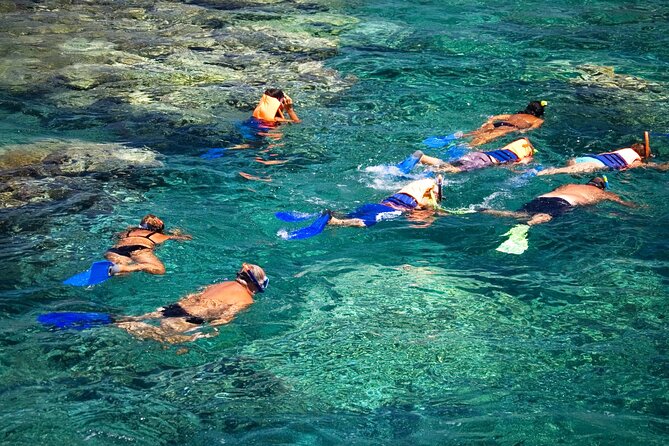
- A natural reef follows the nursery visit: Snorkeling at Pichilingue lets you look for the biodiversity these habitats support.
- The introductory talk matters: It explains why coral is important and makes the underwater work easier to understand.
- Equipment is included: You receive a mask, snorkel, fins, and wetsuit, so you do not need to bring a full kit.
- The group is limited to 13 people: That should make the guide’s explanation and water entry easier to follow.
- The price is $55.60 per person: For a short, guided conservation experience with equipment, it offers fair value if the educational side appeals to you.
Why this La Paz snorkeling tour is different

Many snorkeling trips begin and end with fish sightings. This one starts with the infrastructure behind reef recovery. You learn about coral’s role in nature, then visit nursery beds where restoration work is taking place in the Mexican Pacific.
That sequence gives you something useful to watch for. Instead of seeing coral as scenery beneath the surface, you can think about how these structures support marine life and why damaged reef areas need help. The tour is designed as an ecotourism activity, so conservation is not an afterthought added to a standard boat outing.
I like that the experience connects a short classroom-style explanation with time in the water. The presentation has been described as a strong part of the outing, particularly because it gives you enough background to appreciate the nursery and the restored areas. If you enjoy understanding how a place works, not just taking photos of it, that is a real advantage.
The format also makes this a good choice for visitors who want a focused morning or afternoon activity. At about two hours, it does not take over your day in La Paz. You can fit it between other plans, though you should allow extra personal time for changing and getting settled if needed.
More farm tours around Mexico:
- Magical Todos Santos Tour, Camel Ranch, Lunch and Tequila
★ 5.0 · 672 reviews - Chapala Lake & Ajijic Tour with “Tres Potrillos Ranch”
★ 4.5 · 85 reviews - 3 Palos Lagoon AfroMex Village Turtle Release & Croc Farm Visit
★ 4.5 · 22 reviews
Meeting the tour at Pichilingue
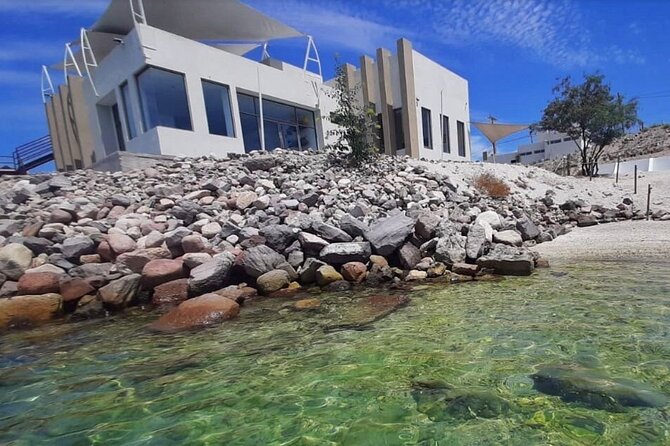
The meeting point is Tours Perlas de La Paz at Avenida Central Poniente, esquina Avenida Central Sur, Recinto Portuario, Av. Pichilingue, 23208 La Paz, B.C.S., Mexico. The activity ends back at the same location.
That return-to-start arrangement is convenient. You do not need to arrange a separate pickup after snorkeling, and the meeting point is near public transportation. Check your confirmation carefully for the exact meeting instructions and local start time, since the information supplied here does not give a specific departure hour.
The location matters because Pichilingue is not described as a general city-center walking tour stop. Plan your route before setting out, and give yourself enough time to arrive ready for the water. A mobile ticket is provided, which means you can keep your booking confirmation on your phone rather than printing it.
The group maximum is 13 people. That is not a private tour, but it is small enough to keep the opening talk manageable and reduce the feeling of being part of a large excursion. For a conservation visit, a smaller group is especially useful because you can hear the explanation and stay with the guide more easily.
The coral talk comes first
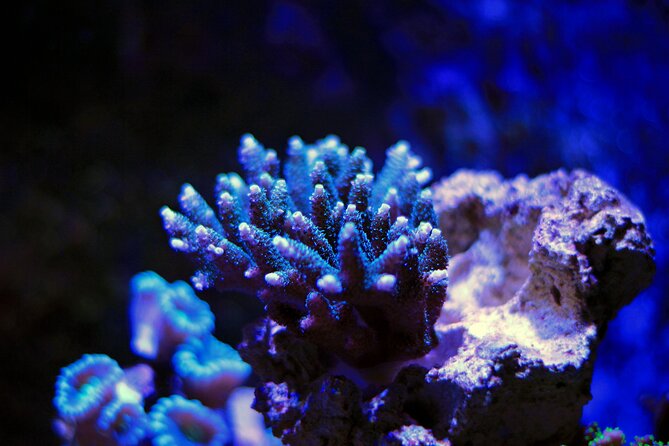
Before snorkeling, you receive an explanation of corals and their role in nature. The talk also introduces the need for conservation and explains the restoration project you are about to see.
Do not treat this as filler before the fun begins. It is the part that turns a basic swim into a more meaningful visit. Coral can look like rock from the surface, and without some background you might miss the difference between nursery beds, restored areas, and a natural reef.
The educational portion has earned particular praise for being clear and useful. That matters because the coral farm is not presented as a polished aquarium or a simple viewing platform. Its value lies in showing the work behind reef recovery. You are being introduced to an active conservation effort, not just pointed toward pretty underwater scenery.
I would pay attention to the terms and explanations here, even if you are mainly interested in snorkeling. They give you a better way to read what you see later. You may also come away with a clearer sense of why coral ecosystems matter to the wider marine environment.
No guide names are provided for this experience, so you should not expect a particular named guide. The tour is guided, however, and the information supplied indicates that the explanation is an important part of the program.
Visiting the coral incubation and growth beds
After the talk, you are fitted with snorkeling equipment. The package includes a visor or mask, tube or snorkel, fins, and wetsuit, followed by a guided visit to the coral beds.
The nursery is the most distinctive stop. These are incubation and growth beds connected to the coral restoration project. You can expect the guide to direct your attention to the restoration work rather than simply let you swim off on your own.
That guided format is important for both safety and understanding. Coral beds can be delicate, and a tour built around restoration should be approached with care. Follow the guide’s instructions, keep your fins and hands away from the coral, and avoid touching anything beneath you. The supplied information does not spell out every water rule, but careful behavior is essential in a nursery setting.
Your equipment is included in the price, which makes the tour easier to book on short notice. You do not have to own fins or a wetsuit, and you avoid the trouble of arranging a separate rental. The details do not specify equipment sizes or whether prescription masks are available, so you should ask the operator directly if you need a particular fit.
The time spent at the nursery is likely to feel different from ordinary reef snorkeling. Your attention is directed toward coral growth and restoration, not only fish. That makes the stop especially suitable for people who value marine conservation, families with older children who can swim confidently, and visitors who want more substance from a short water activity.
Same countryside, another kind of harvest:
- Horseback, Culture & Mexican Flavors Experience
★ 4.5 · 67 reviews - Full-Day Ranch Adventure and Horseback Riding Tour
★ 5.0 · 19 reviews - Hands-on Mexican Farm Experience: from Cow to Cheese
★ 5.0 · 9 reviews - Urban Orchard in Desierto de los Leones in Mexico City
★ 5.0 · 9 reviews
Snorkeling the natural reef at Pichilingue
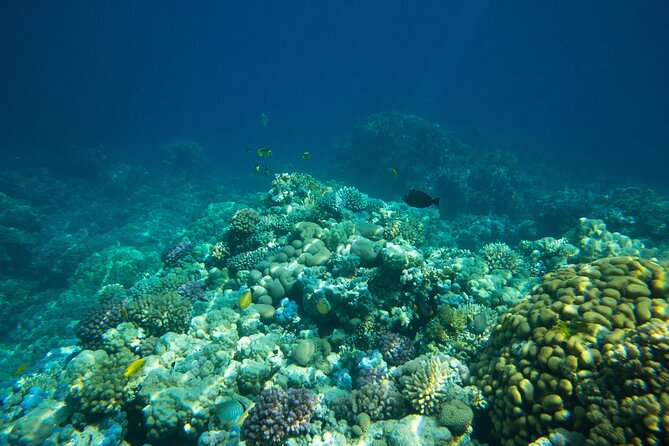
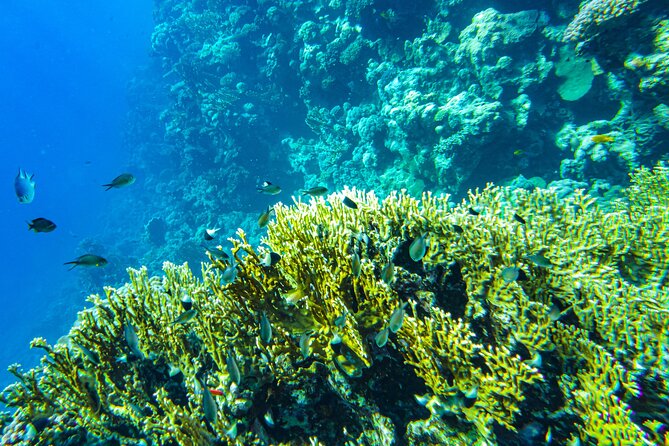
The tour continues at a natural reef in Pichilingue. Here you get to see the biodiversity that coral ecosystems can support, giving the nursery work a living point of comparison.
The exact animals and coral species are not specified, so I would not book this expecting a guaranteed list of sightings. Conditions, visibility, and marine life can change. The attraction is the chance to observe the reef environment as a whole and understand why healthy coral habitat matters.
This second water section also adds variety. The nursery shows a restoration process, while the natural reef lets you look at a functioning ecosystem. Together, the two stops create a stronger experience than either one alone. The project is easier to appreciate when you can connect the work in the beds with the wider reef environment.
One early assessment of the activity described the water as ideal for seeing many coral reefs. That is encouraging, but it should not be read as a promise of identical conditions on every departure. The tour requires good weather, and poor conditions can lead to a new date or a full refund.
Because the entire activity lasts about two hours, you should expect a compact snorkeling session rather than a long day on the water. That is a benefit if you want a clear, efficient introduction to coral restoration. If you want several hours of swimming, multiple reefs, or a full meal included, this is not that sort of excursion.
What the $55.60 price buys you
At $55.60 per person, the cost is reasonable for a guided activity that includes instruction, a conservation-focused visit, and full snorkeling equipment. You are paying for more than access to the water, but you are also not booking an all-day cruise with lunch or several distant stops.
The strongest value comes from the combination of education and access. A standard snorkeling outing may give you time over a reef, while this experience adds a look at the nursery and an explanation of restoration work. If that subject interests you, the price makes more sense than it would for someone seeking only a casual swim.
Food is not included, and neither are gratuities or souvenirs. Bring your own plan for meals and drinks outside the activity. The supplied details do not state that refreshments are provided, so do not count on eating during the two-hour program.
The small group helps support the price. With no more than 13 people, the guide can keep the presentation focused and lead the group through the coral beds without the scale of a large excursion. It is not a private experience, but it should feel more personal than a major boat tour.
The fact that the activity is often reserved about 45 days ahead is worth noting. That does not guarantee that every date sells out, but it suggests you should reserve in advance if the tour is central to your La Paz plans.
Who will get the most from this experience
I would recommend this tour to confident swimmers who want a short, purposeful snorkeling outing. It suits you especially well if you are curious about reef science, marine conservation, or the practical work involved in restoring coral.
It can also work for visitors who have already seen standard snorkeling sites and want a different angle. The coral nursery gives the outing a clear subject, and the natural reef adds a chance to see why that work matters.
This is less suitable if you cannot swim. The activity specifically excludes non-swimmers, and the information does not describe a separate shallow-water option or in-water support program. You should also think twice if you dislike educational talks or want a completely unstructured swim.
The tour may appeal to families, but the supplied information only says most people can participate. It does not provide child age limits, so check directly before booking for young children. The same applies if you need special assistance, as detailed accessibility information is not provided.
You should also be comfortable with weather affecting the day. Snorkeling conditions are not fully under your control, and the operator may cancel for poor weather. That is a normal concern for any water activity, not a flaw unique to this one.
Booking, cancellation, and practical planning
You receive confirmation at the time of booking, and the ticket can be used on a mobile device. The tour starts and ends at the same Pichilingue meeting point, with public transportation nearby.
Free cancellation is available if you cancel at least 24 hours before the start time. Cancel within 24 hours, or make changes during that period, and you should not expect a refund. The cutoff uses local time, so check the clock carefully if your plans change.
If poor weather causes the operator to cancel, you will be offered another date or a full refund. That policy gives you useful protection, although it does not remove the need to keep some flexibility in your La Paz schedule.
I would bring a swimsuit, a towel, sun protection, and a phone for the mobile ticket, though only the ticket and snorkeling equipment are specifically confirmed in the supplied details. Since food is not included, plan meals separately. Most importantly, arrive ready to swim and follow the guide closely around the coral beds.
Should you book the La Paz Coral Farm Snorkel Tour?
Book it if you want your snorkeling to come with a clear purpose. The coral nursery, restoration talk, and natural reef at Pichilingue form a thoughtful two-hour experience, and the included wetsuit and equipment keep the planning simple.
Skip it if you are a non-swimmer, want a long boat excursion, or care more about a meal and extended beach time than conservation. At $55.60, the value depends on your interest in coral restoration. For a confident swimmer who wants to understand what is beneath the surface, this is a smart, focused addition to a La Paz visit.
FAQ
How long does the Coral Farm Snorkel Tour last?
The activity lasts approximately two hours.
How much does the tour cost?
The listed price is $55.60 per person.
What does the tour include?
It includes a talk about corals and their role in nature, full snorkeling equipment, and a guided tour of the coral beds.
Is snorkeling equipment provided?
Yes. The equipment includes a mask or visor, snorkel or tube, fins, and wetsuit.
Is food included?
No. Food is not included in the tour price.
Are gratuities or souvenirs included?
No. Gratuities and souvenirs are not included.
Where does the tour meet and finish?
The tour meets at Tours Perlas de La Paz, Avenida Central Poniente esquina Avenida Central Sur, Recinto Portuario, Av. Pichilingue, 23208 La Paz, B.C.S., Mexico. It ends back at the meeting point.
Can non-swimmers join?
No. The activity is not suitable for non-swimmers. Most other participants can take part.
What happens if I cancel or the weather is poor?
You receive a full refund if you cancel at least 24 hours before the start time. Cancellations or changes within 24 hours are not refunded. If poor weather causes the operator to cancel, you will be offered a different date or a full refund.
Newly listed farm visits around Mexico
- Farm to Table Cooking Experience in San Miguel★ 5.0 · 4 reviews
- Full-Day Ranch Adventure and Horseback Riding Tour★ 5.0 · 19 reviews
- Hands-on Mexican Farm Experience: from Cow to Cheese★ 5.0 · 9 reviews
- Urban Orchard in Desierto de los Leones in Mexico City★ 5.0 · 9 reviews
- La Paz: Pearl Farm Experience and shop★ 5.0 · 3 reviews
- Cozumel: Hands-On Chocolate, Tortilla, Salsa & Honey Experience★ 5.0 · 6 reviews
- Visit to Coffee Farm with Tasting in Coatepec★ 4.5 · 4 reviews
- San Miguel de Allende: Full-Day Ranch Adventure★ 4.8 · 3 reviews
Mexico Farm Tours, compared.
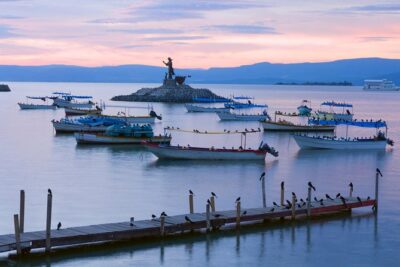
Chapala Lake & Ajijic Tour with “Tres Potrillos Ranch”
Read our review →
Horseback, Culture & Mexican Flavors Experience
Read our review →
3 Palos Lagoon AfroMex Village Turtle Release & Croc Farm Visit
Read our review →
Full-Day Ranch Adventure and Horseback Riding Tour
Read our review →
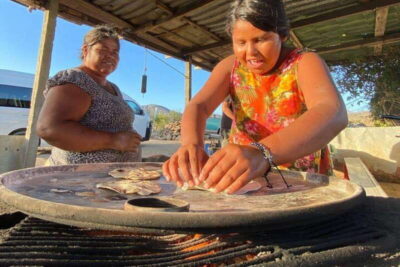
Los Cabos: Azteca Cactus Taco Farm to Table Cooking Class
Read our review →
Cabo: Todo Santos Tour with Camel Ranch, Tequila and Lunch
Read our review →
Urban Orchard in Desierto de los Leones in Mexico City
Read our review →Browse the lists this tour appears in