

Review · CHIANG MAI
Chiang Mai: Half-Day Rice Farming Experience
Rice farming is the heart of this half-day outing. You leave Chiang Mai for Mae Win, pull young seedlings from a nursery bed, and plant them by hand in a muddy paddy. The work is genuine enough to make your back notice, not just a quick photo stop in a costume.
I like the hands-on planting and the chance to wear traditional farmer clothing while learning how rice reaches Thai kitchens. I also like the small cultural details, especially the old-style rice steaming demonstration and the quiet countryside setting. The main catch is timing: the drive takes about 70 minutes each way, and farming work changes with the season.
Key points at a glance
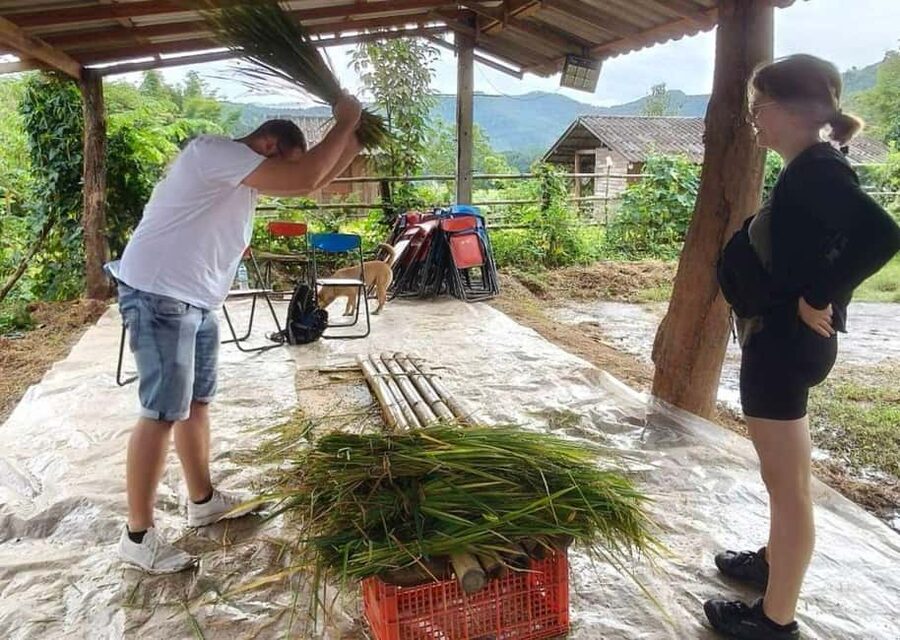
- Plant real rice seedlings by hand: You prepare young plants, remove them from the nursery bed, and set them into the muddy field.
- Mae Win gives the tour its rural setting: The activity takes place outside Chiang Mai, surrounded by working rice fields and open countryside.
- Traditional clothes and tools are provided: You do not need to bring farming gear, though you should bring spare clothes.
- Rice steaming adds useful context: The demonstration connects field work with the rice served in Thai homes.
- The best planting months are May through July: August to October focuses on field care, November to February on harvest and drying, and March to April is the off-season.
- The $60 price covers the basics: Shared transport, a local English-speaking guide, clothing, tools, activities, a meal, and accident insurance are included.
From Chiang Mai streets to Mae Win rice fields
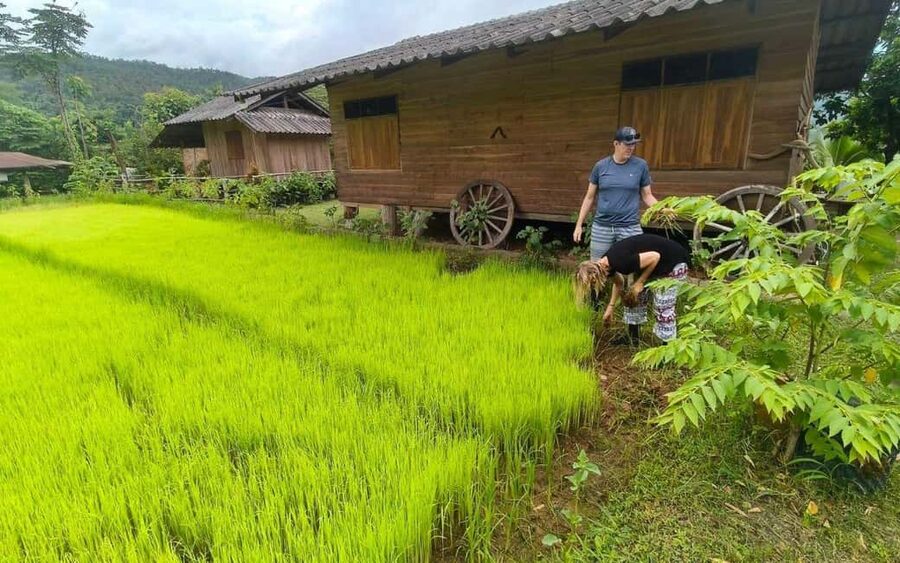
Your morning starts with pickup in Chiang Mai from about 7:30 AM. The exact time depends on your hotel, and the shared van serves city-center locations within 5 kilometers of the Three Kings Monument. If your hotel falls outside that area, you can meet the van at McDonald’s Im Thapae or near Starbucks at MAYA Lifestyle Shopping Center.
The ride to Mae Win takes roughly 70 minutes. That is a fair amount of road time for a four-hour activity, but it is also what gets you away from city traffic and into the countryside. I would treat the drive as part of the outing rather than expect a quick activity just around the corner.
Traffic can affect the schedule, so do not book this on a tight connection day. The return time is not fixed enough for a same-day flight, and airport drop-off is not provided. If you have a flight later that day, tell the operator before booking and leave a generous buffer.
The van is shared, so pickup may take longer if several hotels are involved. Provide your complete hotel name and address, plus a WhatsApp-enabled phone number. The guide uses that contact information to confirm pickup and reach you on the morning of the tour.
More Rice Farming Experiences in Chiang Mai:
- The Rice Barn Thai Cooking Farm Chiangmai
★ 5.0 · 603 reviews - Living Land Rice Farming Experience
★ 5.0 · 93 reviews - Hoi An Wet Rice Farming Tour Private Round Boat Fishing & Lunch
★ 5.0 · 13 reviews
Changing clothes before the muddy work begins
At the rural site, you change into traditional Thai farmer clothing. The outfit helps set the mood, but it also serves a practical purpose: rice planting is wet, muddy work, and your normal sightseeing clothes are not ideal for it.
Farming tools and clothing are supplied. You still need to bring a change of clothes, sunscreen, a hat, insect repellent, and any personal medication. A spare pair of shoes or sandals is sensible, though the supplied information specifically confirms only the need for a change of clothes.
The activity is not a polished photo session with a token step into a field. You learn the stages of rice growing and then do the physical work yourself. A verified booking described the experience as interesting while pointing out the amount of hard work involved. That is the right expectation: fun and educational, but not effortless.
Learning how seedlings become a rice crop
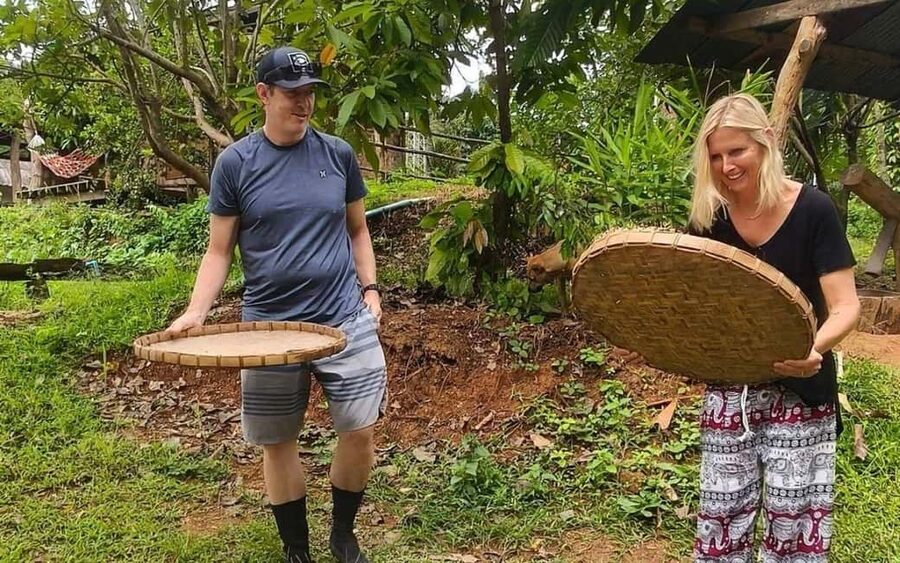
The farming lesson begins with young rice plants in a nursery bed. You learn how seedlings are prepared, then try removing them from the bed before carrying them to the paddy. This gives you a better sense of the care required before planting even begins.
You then plant the seedlings by hand in the muddy field. The work is simple to understand but harder on the body than it looks. You bend, pull, separate, and place the plants in rows or clusters under the guide’s direction.
This is the strongest part of the experience for anyone who wants to connect Thai food with rural life. Rice is an everyday staple, and planting it by hand shows the labor behind something that usually arrives on your plate without much thought.
The activity is suitable for families and people of different ages, but it is not suitable for people with back problems. You should also be comfortable getting muddy and spending time outdoors. Wheelchair users cannot take part, according to the activity restrictions.
Your guide speaks English and explains the process as you work. No individual guide name is provided, so you should not expect to request a particular guide. The benefit of a local guide here is practical: instructions matter when you are handling seedlings and working in a field for the first time.
A traditional rice steaming demonstration
After the field work, you watch a demonstration of traditional rice steaming. The method has been passed through generations, and it shows the step between harvested grain and the food served in Thai homes.
This part slows the pace after the physical work. You get a chance to sit, watch, and connect the farm activity with daily cooking. The demonstration is not described as a full cooking class, so do not book it expecting a long lesson or a large menu. Its value is in seeing a familiar staple treated as a food with a process and a past.
The tour includes a simple Thai-style meal. It is best viewed as a modest meal after the activity, not a restaurant visit or a food-focused tour. You will likely appreciate it more after working in the field, when a straightforward local meal feels well timed.
The combination works well. Planting tells you where rice begins, steaming shows how it becomes food, and the meal gives you a chance to enjoy the result. It is a compact lesson in rural life rather than a collection of unrelated stops.
More Half-Day Trips in Chiang Mai:
- Half-Day Thai Cooking Class at Organic Farm in Chiang Mai
★ 5.0 · 19,087 reviews - Chiang Mai: HALF-DAY COOKING COURSE at a Thai Cooking Farm
★ 4.9 · 705 reviews - Chiang Mai Farm Life & Khao Soy Tasting on a Half-Day Boat Tour
★ 4.5 · 64 reviews - Half-Day Thai Cooking Class on a Local Farm Near Chiang Mai
★ 4.9 · 32 reviews
The quiet appeal of the Mae Win countryside
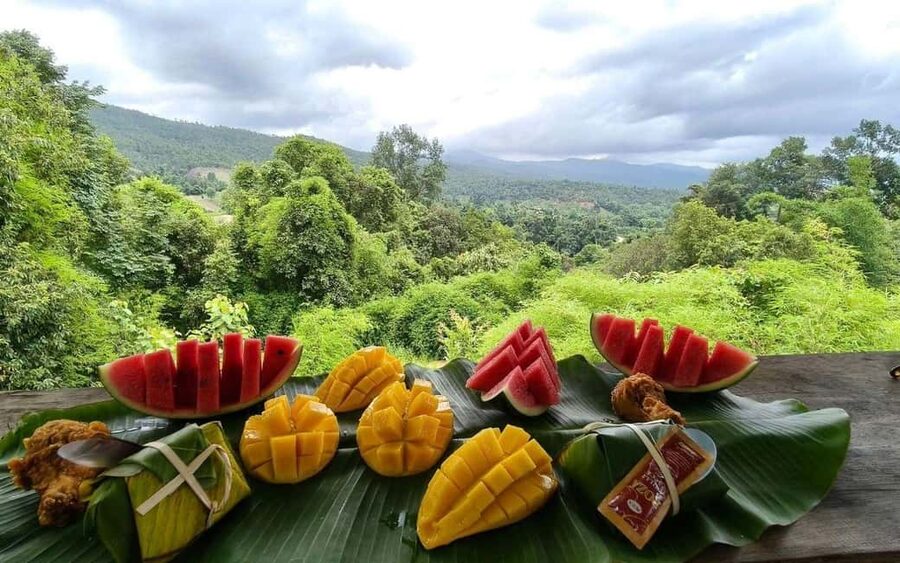
The setting is a major reason to choose this tour. Mae Win offers a break from Chiang Mai’s city streets, with rice fields and peaceful rural surroundings. You have time to notice the countryside rather than rush from one landmark to another.
The tour includes time for photos and a guided visit, but its main value is participation. You are not simply looking at fields from a van window. You stand in one, handle seedlings, and see how farming fits into the local setting.
Still, expectations matter. This is a four-hour outing, not an all-day village stay. The countryside portion lasts about three hours after the drive, and the activity focuses on rice farming. You should not expect a broad cultural tour covering many villages, temples, crafts, or markets.
I like that the schedule has a clear purpose. You travel to one rural area, learn a practical skill, watch a related food demonstration, and eat before returning. That makes the limited time feel useful.
Season matters more than the calendar suggests
Rice work is not the same all year. The activity changes with the farming cycle:
- May through July: Seedlings and transplanting, which is the best period for the hand-planting experience described here.
- August through October: Field maintenance and rice growth, so you may see a different type of farm work.
- November through February: Harvesting and drying rather than planting.
- March through April: Off-season, when some farming activities may not be available.
If planting seedlings is your main reason for booking, aim for May through July and confirm the current activity before paying. During other months, the tour may still offer useful contact with rice farming, but it will not necessarily include the same muddy transplanting work.
The off-season deserves extra care. Contact the operator in advance during March and April to ask what is available. The description says some activities may not run then, so do not assume the full planting program operates year-round.
Is $60 a fair price?

At $60 per person, this is not the cheapest way to spend half a day near Chiang Mai. The price makes more sense when you count what is included: shared round-trip transport, an English-speaking local guide, traditional clothing, farming tools, hands-on work, the rice steaming demonstration, a simple Thai-style meal, and accident insurance.
The drive is about 70 minutes each way, so transport is a meaningful part of the package. Hiring a ride to a rural area, arranging a guide, and finding a safe place to take part in farming would take time and effort. The shared van keeps the price below a private excursion, though it also means less control over pickup timing.
The meal is simple, and the tour does not include extra expenses beyond the listed package. If you want luxury transport, a private guide, or a broad food program, this is not the right value. If you want an organized way to reach the countryside and take part in a specific rural activity, the price is reasonable.
The excellent rating is based on only two reviews, so I would not treat it as a large record of performance. The useful detail is the praise for the activity’s interest paired with the warning that rice farming takes real effort. That balance is more helpful than a vague promise of an easy cultural morning.
What to bring and what to expect physically
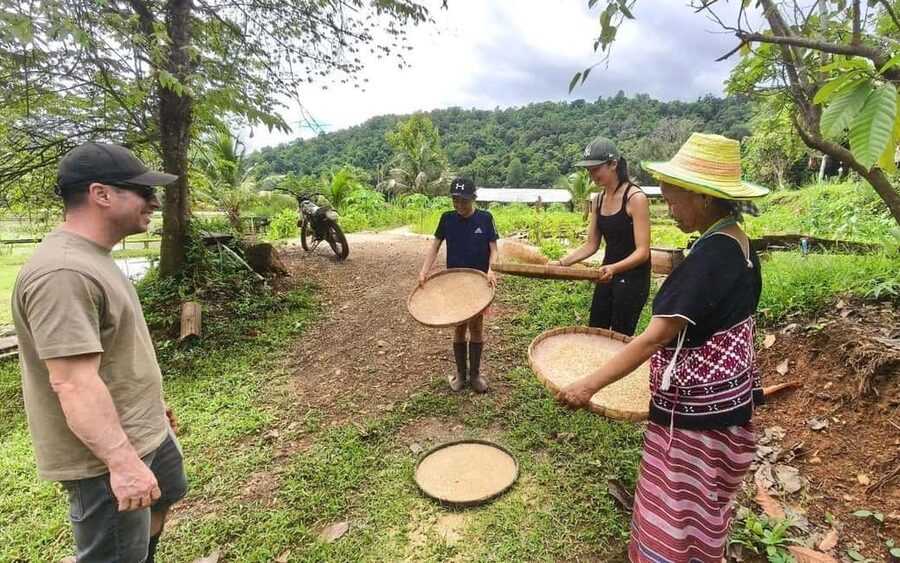
Wear something comfortable for the journey and plan to change once you arrive. You should expect mud, outdoor exposure, and physical work. Bring:
- A hat
- Sunscreen
- Insect repellent
- A full change of clothes
- Personal medication
Alcohol, drugs, and pets are not allowed. Accident insurance is included, but you must provide a passport copy or passport photo on the travel date.
The activity is not suitable for people with back problems or wheelchair users. The bending and planting may also be tiring for anyone unused to outdoor work, even if they are otherwise fit. Families can enjoy it, but adults should help children follow instructions and manage muddy conditions.
No group size is given. Because transport is shared, the number of people in the van can vary. If your group books separately, send all booking references at least two days ahead. Otherwise, the operator cannot guarantee that everyone will ride in the same van.
Who should book this half-day experience?
I would recommend it to families, culture-focused visitors, and curious people who want to do something more active than sightseeing. It gives you a direct connection to an important part of Thai daily life without requiring a full day away from Chiang Mai.
It also suits anyone who enjoys practical learning. You will remember pulling seedlings from a nursery bed and planting them in mud more clearly than another quick photo stop. The traditional clothes add fun, while the rice steaming demonstration gives the activity a useful food connection.
I would hesitate to recommend it to anyone with a strict afternoon schedule, a same-day flight, serious back trouble, or a dislike of mud. The drive and traffic can affect the return time, and there is no airport transfer. The best experience comes when you can let the morning unfold without watching the clock.
Should you book the Chiang Mai rice farming experience?
Book it if you want a small, active look at rural Thailand and you are willing to work for it. The planting activity is the main attraction, and the rice steaming demonstration and simple meal give the morning a clear beginning and end.
For the most authentic version of the experience, choose May through July and confirm that seedling planting is operating. In other months, ask what farm work is scheduled. Bring spare clothes, expect mud, and leave plenty of time after the tour before any flight or fixed appointment.
At $60, this is a fair choice for convenient transport and a guided activity outside the city. It is not designed for comfort or luxury. It is designed to show you that rice farming is skilled, physical work, and to let you try a small part of it yourself.
FAQ
How long does the Chiang Mai rice farming experience last?
The activity lasts four hours. The trip to Mae Win takes about 70 minutes by van, and the rural visit and workshop take about three hours.
Where does pickup take place?
Pickup and return service is available from hotels in central Chiang Mai within 5 kilometers of the Three Kings Monument. The exact pickup time is confirmed after you provide your complete hotel name and address.
What if my hotel is outside the pickup area?
You can arrange pickup at McDonald’s Im Thapae or at the Starbucks area in front of MAYA Lifestyle Shopping Center. The van stops near the designated meeting point.
What farming activities are available during the year?
May through July focuses on seedlings and rice planting. August through October focuses on field maintenance and rice growth. November through February focuses on harvesting and drying. March and April are the off-season, when some activities may not be available.
Is the tour suitable for children?
The hands-on rice farming activity is described as suitable for all ages and is suitable for families. Everyone should be prepared for outdoor conditions, mud, and physical work.
What should I bring?
Bring a hat, sunscreen, insect repellent, a change of clothes, and personal medication. Traditional farmer clothing and farming tools are provided.
Can I take this tour before a flight?
The experience is not suitable for a tight schedule or a same-day arrival. Traffic and operating conditions can change the return time, and airport drop-off is not provided.
Newly listed farm visits around Chiang Mai
- Authentic Thai Cooking Class and Farm Visit in Chiang Mai★ 5.0 · 66 reviews
- Aroidee’s Farm-Fresh Thai Cooking Experience★ 5.0 · 8 reviews
- One Day Tour Doi Suthep Temple, Palad Temple, Orchid Farm, Longneck hill tribe village (Private tour)★ 5.0 · 7 reviews
- Full-Day Thai Cooking Class with Grandma – Market and Farm Tour★ 5.0 · 48 reviews
- Chiang Mai Farm Life & Khao Soy Tasting on a Half-Day Boat Tour★ 4.5 · 64 reviews
- Local Farming Experience in Chiang Mai, Thailand★ 5.0 · 3 reviews
- Chiang Mai Mae Ping River Cruise and Thai Farmer House Visit★ 4.0 · 3 reviews
- Doi Suthep Temple, Pha Lat Temple, Sticky Waterfall, Orchid farm★ 5.0 · 31 reviews
Rice Farming Experiences, compared.
Hoi An Wet Rice Farming Tour Private Round Boat Fishing & Lunch
Read our review →
Hoi An Wet Rice Farming Tour-Basket Boat Tour Fishing-Lunch
Read our review →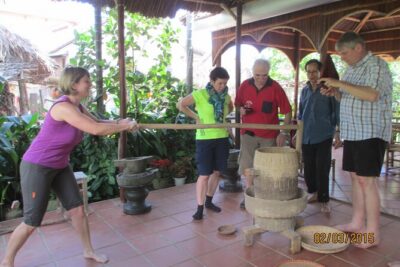
Hoi An Rice Farm Tour and Buffalo Riding with Local Home Meal
Read our review →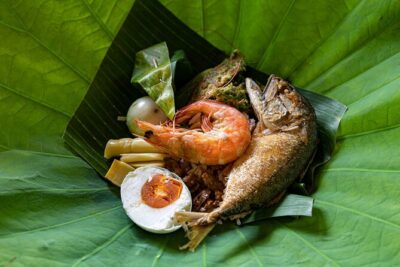
Plough to Plate: Be A Rice Farmer in Phetchaburi from Hua Hin
Read our review →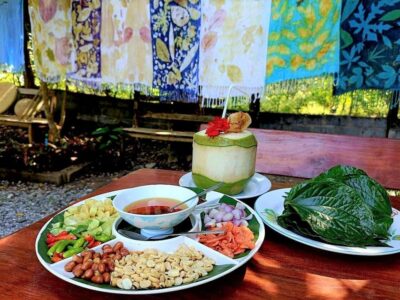
Cultural immersion: Thai cooking, rice farming, eco printing
Read our review →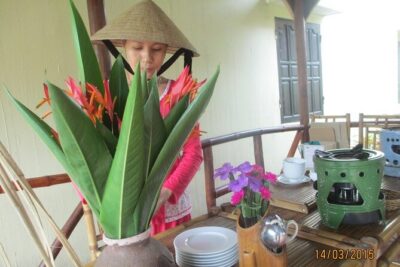
Browse the lists this tour appears in