
Review · NEW ZEALAND
Bullswool Heritage Farm General Entry Ticket
Bullswool Heritage Farm gives you something many polished attractions do not: hands-on contact with working farm life. You can follow walking tracks, feed friendly rare-breed animals, inspect old farm buildings, and let children burn off energy in the play areas.
I like the mix of animals and useful local history, especially the working Sheepshed Museum and Early New Zealand Milking Shed. I also like the freedom to set your own pace, with no tight tour schedule. The main drawback is that the farm relies on good weather, and its Tuesday to Sunday opening schedule will not suit every itinerary.
Key points to know before you go
- Feed animals at your own pace: Friendly farm animals can be handfed, making this more than a look-and-point visit.
- Explore five different heritage displays: See the Sheepshed Museum, Milking Shed, Working Horses of New Zealand Stable Museum, Historic Kauri and Gold Museum, and Native Bird Reserve.
- Plan on two to three hours: You can make a quick stop, but the farm rewards a slower visit with time for feeding, walking, and play.
- A good Southern Coromandel pairing: Bullswool is only minutes from the famous Karangahake Gorge, so it fits well into a full day in the area.
- Strong value at $11.17: The ticket includes admission to the farm, museums, animal areas, bird reserve, walking tracks, and play spaces.
- Best for families and animal lovers: Children get room to play, while adults get a look at early New Zealand farming and conservation work.
A working farm near Karangahake Gorge
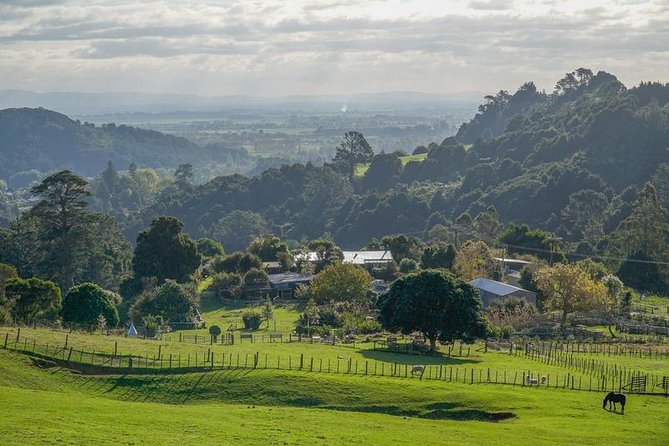
Bullswool Heritage Farm sits on 100 acres of native bush and hill country in the Southern Coromandel. Its location is useful as well as scenic, since the farm is only minutes from Karangahake Gorge and about a 15-minute drive from the Waihi area.
This is not a short animal photo stop with a few enclosures beside a car park. The property spreads across walking tracks, museum displays, animal areas, play spaces, and a native bird reserve. You need not follow a fixed route, so you can spend more time where your family is having fun and less time in places that do not hold your attention.
I would allow two to three hours. You could see the main displays faster, but children will want time with the animals and wooden play equipment. Adults may prefer to slow down for the farm buildings and the stories of early rural New Zealand.
The farm is open Tuesday through Sunday from 10 a.m. to 4 p.m. The published operating period runs through February 16, 2027, so check the selected date when planning a future visit. Mondays are not listed as open.
More History and Heritage Tours in New Zealand:
- Tromsø: Reindeer Camp and Sami Cultural Tour with Lunch
★ 4.7 · 3,326 reviews - Kona Tour: Bee Farm, Kona Coffee, and National Historical Parks
★ 4.5 · 78 reviews - Full-Day Tour Exploring History, Nature and Aloe Vera Farm
★ 4.5 · 40 reviews
Start with the friendly farm animals
The animals are the heart of the visit. Bullswool has many rare-breed farm animals, and the key feature is that you can handfeed them. That changes the mood completely. Instead of simply walking past a paddock, you take part in a small farm routine.
The animal areas suit a wide age range. A four-year-old can enjoy the simple pleasure of feeding an animal, while older children can take more interest in the different breeds and the way the farm is arranged. Adults who did not grow up around livestock also get a direct introduction to rural New Zealand.
The animals are described as friendly, but you should still supervise young children and follow the farm’s instructions. Feeding is exciting, and small children can get carried away. Keep hands calm, give animals room, and treat the encounter as a farm visit rather than a petting zoo.
The chance to feed both smaller and larger animals is part of the appeal. It gives the visit a natural rhythm: walk, stop, feed, look around, then move on. There is no need to rush from one enclosure to the next.
The Sheepshed Museum tells the farming story

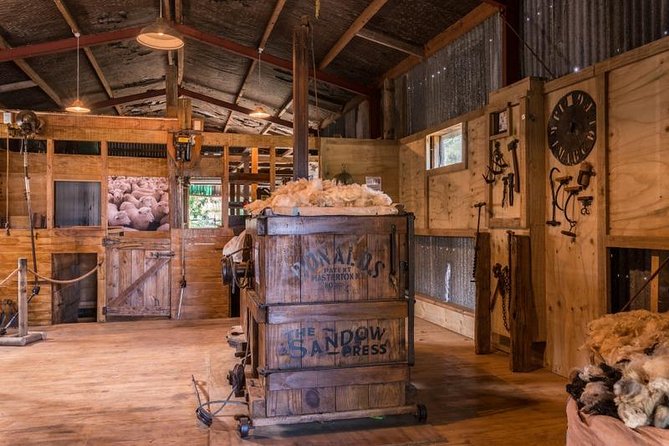
The working Sheepshed Museum focuses on New Zealand’s early farming pioneers. This is one of the strongest parts of the farm for adults, especially if you want context rather than a collection of animals alone.
A sheepshed is a practical place, not a grand museum hall. That makes the setting useful. You can connect the tools, working spaces, and farming methods with the land around you. The display helps explain how sheep farming shaped rural life and why sheds like this mattered to early communities.
The word working is important here. The attraction presents the shed as part of a living farm story, not only as a preserved room behind glass. You can expect a more direct, practical feel than at a formal city museum.
Give this area time after the children have settled into the animal sections. It is an easy place to pass through quickly, but the details reward a slower look. If you have an interest in New Zealand’s rural past, this may be the most meaningful museum on the property.
See old milking and horse equipment
The Early New Zealand Milking Shed display adds another piece to the farming picture. Milking was once a daily task shaped by hand tools, routine, and the size of the herd. The display offers a simple way to understand how much farm work depended on physical effort and basic equipment.
The Working Horses of New Zealand Stable Museum broadens that story. Before modern machinery changed farm work, horses were central to moving supplies, preparing land, and handling daily jobs. The stable display brings that working relationship into view.
These museums are especially useful for families because they give children something to talk about between animal encounters. Instead of presenting rural history as a long lecture, the farm lets you connect the old equipment with the living animals and working setting outside.
The limitation is that the supplied details do not describe every object or exhibit inside. I would come for the overall working-farm setting, not for a specialist museum collection. If your main goal is a large, formal history museum, this will feel modest. If you like seeing practical objects in their original setting, it fits well.
More Tickets in New Zealand:
- Chuck Wagon Supper & Western Stage Show at Blazin’ M Ranch Ticket
★ 4.5 · 554 reviews - Skip the Line: Highgate Ostrich Farm Tour Ticket
★ 4.5 · 110 reviews - Lion Habitat Ranch Admission Ticket in Las Vegas
★ 4.5 · 106 reviews - Old Phuket Farm Ticket – Countryside Local Life Culture
★ 4.9 · 88 reviews
Look for kauri and gold stories

The Historic Kauri and Gold Museum links the farm to two major parts of New Zealand’s North Island past. Kauri is a defining native tree, while gold shaped settlements, roads, and hopes across parts of the Coromandel and nearby districts.
This display gives the wider area more meaning. After visiting the farm, you can better connect the surrounding bush and gorge country with the industries and natural resources that influenced local life.
The museum is one part of a larger visit, not a separate half-day attraction. Treat it as a compact historical stop while moving between the animals, tracks, and other buildings. Its value comes from adding local context to the property.
You should not expect the supplied information to support a detailed list of artifacts or a full account of Coromandel mining. The attraction is best understood as a broad introduction within a farm visit.
Spend time in the Karangahake Native Bird Reserve
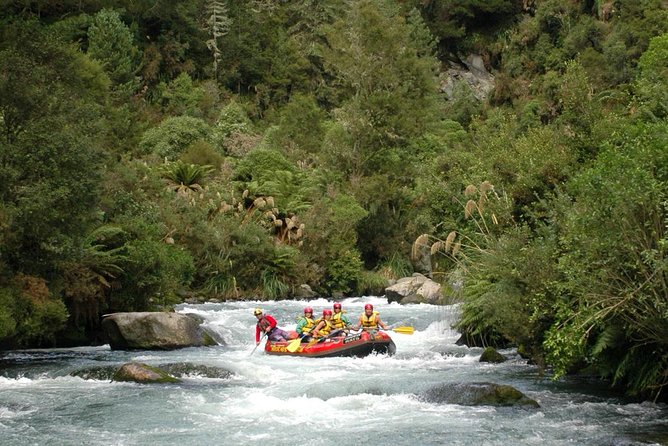
The award-winning Karangahake Native Bird Reserve gives Bullswool a conservation side. The farm is not only about feeding domestic animals. It also supports an encounter with New Zealand’s native birdlife and the bush setting around the property.
This part of the visit is quieter than the animal areas. Walk at an easy pace and keep your attention on the reserve rather than treating it as a quick route between displays. Native bird encounters are not always predictable, so patience matters.
The reserve also helps explain why the farm received recognition for conservation work, including a Pride of New Zealand Award. That recognition does not guarantee what you will see on a particular day, but it signals that the reserve is an important part of the farm’s purpose.
The contrast between rare-breed livestock and native birds is a real strength. You get two sides of New Zealand’s rural identity: farming traditions shaped by people, and native wildlife protected in its natural setting.
Let children take over the play areas
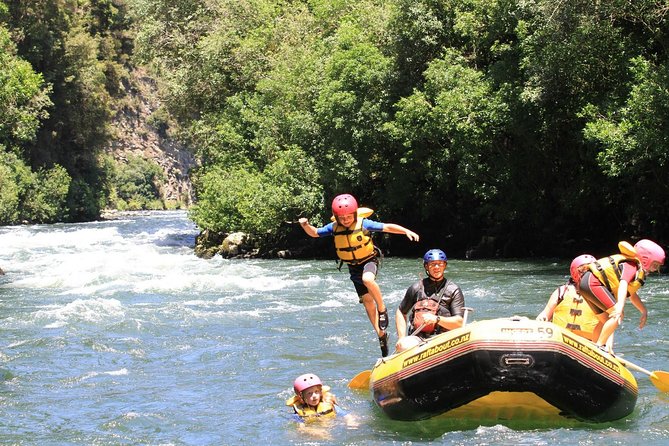
The children’s play areas are not a minor extra. They make it easier for families to spend a full morning or afternoon here without asking children to focus on museums for too long.
The farm includes fantastic kids’ play areas with wooden toys and play equipment. This gives children a break from walking and feeding, while adults get a chance to pause. Families with children aged four and seven can expect the play spaces to be a major part of the visit, not just a short diversion.
The play areas also help spread people around the property. Instead of having everyone crowd into the animal sections, you can build a loose route that includes feeding, a museum, play, and more walking.
As with any outdoor attraction, inspect equipment and supervise children. The information provided does not give detailed accessibility or equipment specifications, so do not assume every play structure suits every age or mobility level.
How much time should you allow?

Two hours is enough for a purposeful visit. You can see several animals, walk through the main displays, visit the bird reserve, and let children play without lingering at every stop.
Three hours is better for a relaxed day. You can feed animals more than once, explore the farm tracks, take your time in the Sheepshed Museum, and pause for a picnic. A small group once included a picnic lunch at the farm, and that is a sensible way to use the open-ended timing.
The farm has no stated fixed tour departure, and the visit is not built around a guide leading you from stop to stop. That means you control the pace. It also means you need to take responsibility for your own route and timing.
If you are passing between Auckland and Tauranga, Bullswool can work as a useful break. It is also a natural companion to Karangahake Gorge. I would avoid squeezing it into a rushed schedule, since feeding animals and walking the grounds take longer than a simple roadside stop.
Is $11.17 good value?
At $11.17 per person, the ticket is inexpensive for a two to three-hour activity. The price includes access to a working farm, handfeeding opportunities, several heritage displays, the native bird reserve, walking tracks, and children’s play spaces.
The value improves if you use the freedom to stay longer. A short visit still works, but you will get more for your money if you treat the farm as a relaxed half-day outing rather than a 45-minute stop.
The ticket also avoids the need to choose between several separate small attractions. You get animals, history, nature, and play in one admission. That mix is useful for families with different interests.
There are limits. This is not a guided tour with a detailed schedule, and the supplied information does not include a meal, transport, or a named guide. You are paying for access and a self-directed visit. For many people, that is exactly the advantage. If you prefer a host explaining every stop, you may find the format less satisfying.
What the visit feels like for different age groups
Young children get the clearest reward from the farm. Handfeeding animals feels immediate and memorable, while the play areas prevent the museums and walking tracks from becoming tiring.
Older children can connect the animals with farming history. The shearing, milking, horse, kauri, and gold displays give them more to notice than a standard animal park.
Adults who enjoy local history will appreciate the practical setting. The farm offers a look at early New Zealand work and daily life without separating that story from the land and animals.
Animal lovers should make this a priority in the Southern Coromandel. The ability to feed friendly animals is the main reason to choose Bullswool over a purely scenic stop.
People seeking quiet, extended nature walks may find the property more limited than a dedicated reserve. The native bird area and walking tracks add nature, but the farm’s main focus remains the combination of animals, heritage, and family recreation.
Practical details before booking
Your ticket is mobile, which keeps entry simple. Confirmation is provided at booking, and service animals are allowed. The activity is listed as suitable for most people, but detailed information about paths, surfaces, and mobility access is not provided.
Book with the weather in mind. The experience requires good weather, and poor conditions can lead to a different date or a full refund. You can cancel for a full refund up to 24 hours before the start time. Cancellations or changes made inside 24 hours are not accepted for a refund.
The opening hours are 10 a.m. to 4 p.m., Tuesday through Sunday. Check the date carefully, especially if your wider Coromandel plan depends on a Monday visit.
Should you book Bullswool Heritage Farm?
Book it if you want a friendly, low-cost farm outing with real animal contact, simple local history, and room for children to play. It is particularly good for families, animal lovers, and anyone driving through the Waihi and Karangahake Gorge area.
I would also choose it for a picnic-style stop where you can slow down rather than follow a strict timetable. The strongest reasons are the handfeeding, the well-kept play areas, and the unusual mix of working farm displays with native bird conservation.
Skip it if you want a large museum, a guided historical tour, or an attraction that works in poor weather. For everyone else, $11.17 buys a generous amount of time and a distinctly New Zealand rural experience.
FAQ
Where is Bullswool Heritage Farm located?
Bullswool Heritage Farm is in the Southern Coromandel on New Zealand’s North Island. It is only minutes from Karangahake Gorge and about a 15-minute drive from the Waihi area.
How much does general entry cost?
The general entry ticket costs $11.17 per person.
How long does a visit usually take?
Plan on approximately two to three hours. You may stay for less time, but the farm has enough animals, museums, walking tracks, and play areas to support a longer visit.
What are the opening hours?
The farm is open Tuesday through Sunday from 10 a.m. to 4 p.m. The listed operating period runs from October 12, 2019, through February 16, 2027.
Can I feed the animals?
Yes. Visitors can handfeed the farm’s friendly animals, including rare-breed farm animals.
What museums and displays are included?
The entry includes the Sheepshed Museum, Early New Zealand Milking Shed display, Working Horses of New Zealand Stable Museum, Historic Kauri and Gold Museum, and Karangahake Native Bird Reserve.
Is the ticket mobile?
Yes. The ticket is provided as a mobile ticket.
Are service animals allowed?
Yes. Service animals are allowed.
Can I cancel my booking for a refund?
You can cancel up to 24 hours before the experience start time for a full refund. Changes or cancellations made less than 24 hours before the start time are not accepted for a refund. If poor weather causes the farm to cancel, you will be offered another date or a full refund.
Newly listed farm visits around New Zealand
- Boutique tour , Mt Maunganui, NZ farm, Rotorua lakes/geothermal★ 4.5 · 50 reviews
- Private, via beaches, Kiwi farm to Rotorua 8 lakes & Geothermal★ 5.0 · 20 reviews
- Queenstown Lake Cruise to Walter Peak Farm with BBQ Buffet★ 4.5 · 25 reviews
- Queenstown: Walter Peak Farm Tour and Lake Cruise★ 5.0 · 5 reviews
- Wool Sheep Farm Experience with Handmade Wool Hat in New Zealand★ 5.0 · 9 reviews
- Mt. Hay Farm Experience Genuine Country Farming(Carbon Positive)★ 4.0 · 2 reviews
- Christchurch Sheep Farm Visit★ 4.0 · 10 reviews
- Lyttelton Cruise Excursions: Christchurch Sightseeing with Sheep Farm★ 3.5 · 20 reviews
New Zealand Farm Tours, compared.
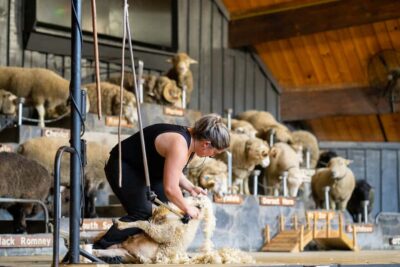
Rotorua: Authentic Kiwi Farm Experience at the Agrodome
Read our review →
Agrodome Farm Experience including Farm Show and Farm Tour – Rotorua
Read our review →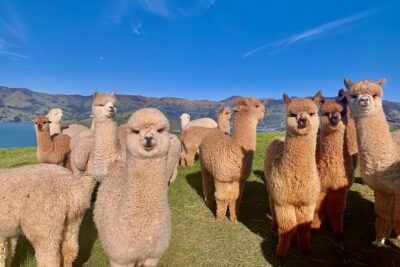
Sheep Farm Day Trip from Christchurch + Lunch and Winery visit.
Read our review →
Boutique tour , Mt Maunganui, NZ farm, Rotorua lakes/geothermal
Read our review →
Lake Tekapo High Country Farm Tour (Carbon Positive)
Read our review →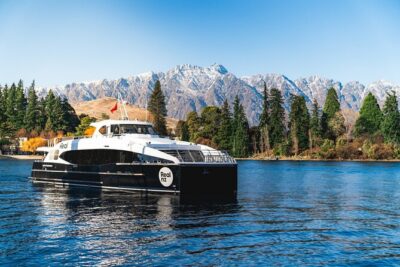
Queenstown Lake Cruise to Walter Peak Farm with BBQ Buffet
Read our review →Browse the lists this tour appears in