
Review · SIEM REAP
Banteay Chhmar Temple & Silk Farm Private Day Trip from Siem Reap
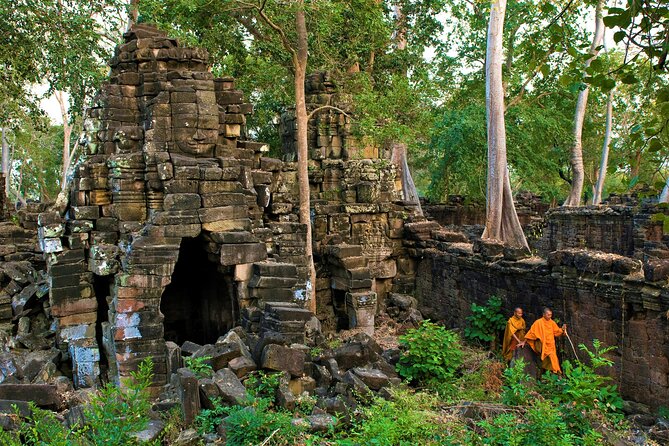
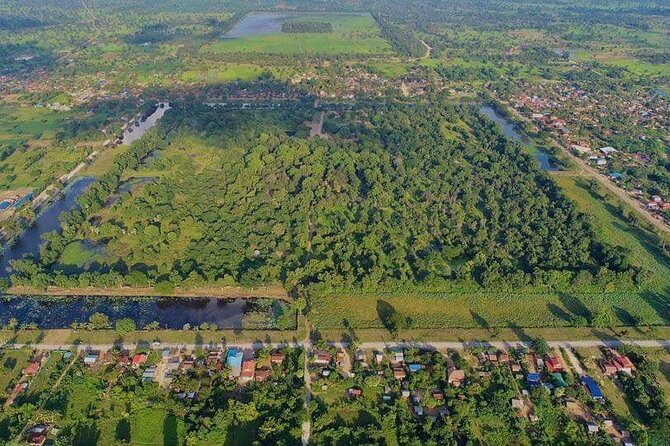
Banteay Chhmar is the main event here: a vast, remote Khmer temple where jungle, broken galleries, and carved stone faces create a very different experience from Siem Reap’s busy Angkor circuit. The three-hour drive each way is a serious commitment, but it takes you through Cambodian villages and open countryside to a site few people reach.
I like the private transport and guide. You travel in an air-conditioned SUV or van, stop when your group needs a break, and have a guide to explain the carvings rather than simply point at them. I also like the Angkor Silk Farm, where you can follow the work from mulberry trees and silkworms to dyed and woven cloth.
The drawback is time. This is an eight to nine-hour day, and Banteay Chhmar alone takes about five hours. At $137.75 per person, the tour offers solid value for a private vehicle, guide, entrance fees, and hotel transfers, but it is best for people who truly want a remote temple day, not for anyone seeking a short outing.
Key points to know before booking
- Banteay Chhmar requires about three hours of driving each way, making the journey part of the experience.
- The five-hour temple visit is the heart of the day, with carvings, collapsed galleries, and forest surroundings.
- Banteay Toap adds a second Khmer-era site, beside a water reservoir and open countryside.
- The Angkor Silk Farm shows every production stage, from mulberry cultivation to finished silk.
- Private transport and an English-speaking licensed guide are included, along with entrance fees and hotel pickup.
- Lunch costs extra, with local dishes generally priced from $3 to $10 each.
Why Banteay Chhmar is worth the long road
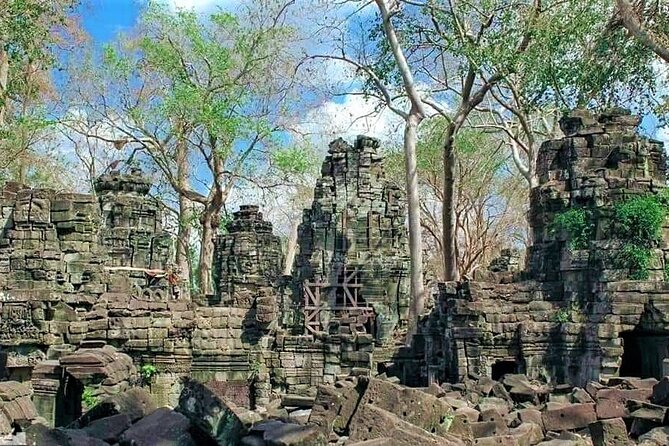
If you have already seen Angkor Wat, Bayon, Ta Prohm, and the other major temples near Siem Reap, Banteay Chhmar gives you a different sense of Cambodia’s ancient building program. It was one of the largest projects commissioned by Jayavarman VII, built in the final years of his reign in a politically sensitive area.
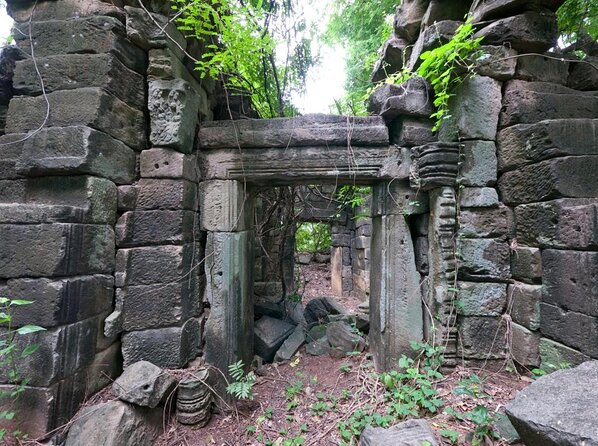
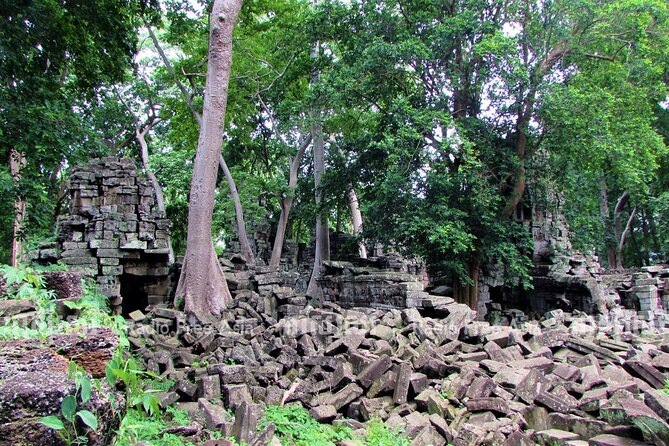
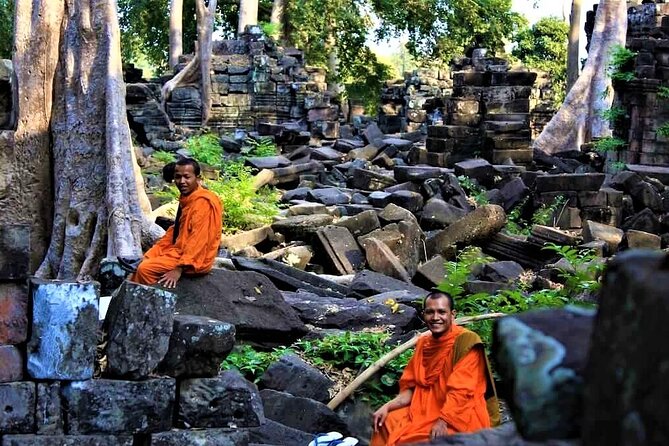
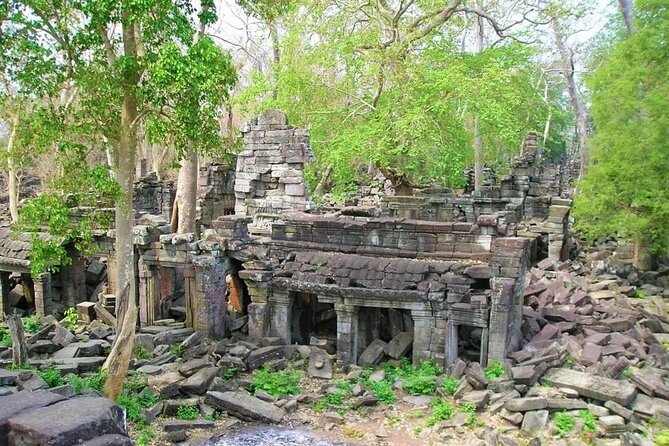
The site also feels less polished and less predictable than the famous temples closer to Siem Reap. Parts of the complex have collapsed, vegetation has taken hold, and the stonework can feel more like an archaeological find than a finished monument prepared for a large crowd.
That roughness is part of the appeal. You can study carvings without the constant movement found at the best-known Angkor sites. The temple’s sculptures include scenes and faces associated with the Bayon style, so the visit rewards anyone interested in Khmer art and royal architecture.
Your guide matters here. Guides named in the tour information include Leap and Danut, while Art and La have driven for the company. Leap is noted for friendly explanations and a talent for taking photographs, while La is described as a polite, smooth driver. The guide assigned to your date may differ, so treat those names as examples rather than a guarantee.
More Silk Farm Tours in Siem Reap:
- Siem Reap Lotus Silk Farm Discovery tour & Lake experience
★ 4.7 · 291 reviews - Siem Reap: Lotus Silk Farm- Tour, Lake & Masterclass
★ 4.9 · 77 reviews - Angkor Silk Farm & Lotus Silk Farm: Siem Reap Discovery Tour
★ 4.8 · 68 reviews
The three-hour drive from Siem Reap
The road trip is not a minor detail. Banteay Chhmar is remote, and the full outing lasts roughly eight to nine hours. You may spend around three hours traveling each way, depending on conditions and the day’s pace.
I see the long ride in two ways. It is tiring, especially if you want a relaxed afternoon back in Siem Reap. Yet the drive also carries you beyond the usual tourist route, through villages and rural Cambodia. That change of setting helps explain why Banteay Chhmar feels so unlike the temple circuit around town.
Private transport makes the distance easier. You receive hotel pickup and drop-off in an air-conditioned SUV or van, and only your own group participates. That gives you more control than a large shared coach. You can also ask the guide to spend more time on carvings or move along when your group has had enough.
The tour includes service charges and current government VAT, so the advertised price is not followed by a separate transport or entrance-fee bill. Lunch is the main planned extra. Local restaurants offer vegetarian and non-vegetarian choices, with individual dishes listed at about $3 to $10.
Five hours among the ruins at Banteay Chhmar
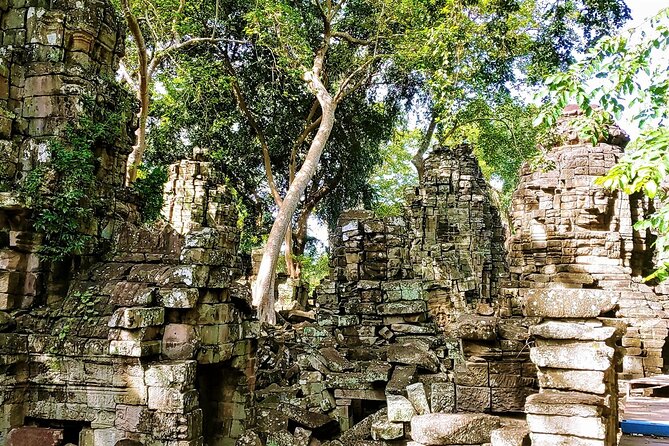
The temple visit lasts about five hours, which tells you something important: this is not a quick photo stop. You have time to look closely at the architecture, hear the story behind the site, and move through more than one part of the complex.
Banteay Chhmar’s scale is one of its strongest features. The remains include long galleries, fallen sections, carved stonework, and forest around the ruins. Its construction appears to show signs of haste, which may help explain the unfinished or damaged feel in some areas.
A good guide can turn scattered stones into a readable place. Ask for help identifying scenes on the walls, the meaning of the carved figures, and how the temple relates to Jayavarman VII’s other projects. One strong point of this tour is that the guide is expected to provide historical and cultural context in English, not just arrange transportation.
The site is especially suitable if you enjoy looking at details. The carvings deserve time, and the Bayon-style faces and wall scenes give you something to study beyond the familiar Angkor Wat layout. You might also appreciate the quieter forest setting, though the remote location means you should not expect the same level of facilities or crowds as the central Angkor temples.
Five hours may feel long if you are not strongly interested in archaeology. For temple enthusiasts, it is the right kind of generous schedule. For everyone else, tell your guide when you need a pause, a shorter explanation, or a change of pace.
Banteay Toap, the Fortress of the Army
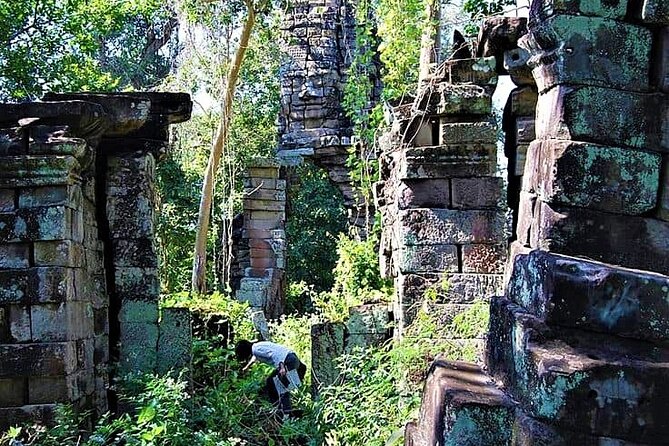
After Banteay Chhmar, the tour continues to Banteay Toap, a temple built during the same period. Its name is thought to mean Fortress of the Army, and it is believed to honor Khmer soldiers.
This stop lasts about two hours, so it receives more than a token visit. Its setting beside a water reservoir gives it a different mood from the main complex. Instead of spending the entire day among dense ruins, you get another temple site with open views and a connection to the military and political world of the Khmer Empire.
Banteay Toap may appeal most to people who want to compare temple sites rather than see one famous monument and leave. The guide can help you notice similarities in construction and period, while also explaining why the two locations were important.
Do not book this day expecting every structure to be intact. The attraction lies in the setting, age, and sense of place. The site is fascinating partly because it has not been turned into a heavily managed attraction.
More One-Day Trips in Siem Reap:
- Half Day Trip: Silk Farm, Satcha, and Senteur d’Angkor Tour
★ 4.7 · 10 reviews - Mekong Day Trip Explore Village Bicycle CookingClass Group 12 Pax
★ 5.0 · 705 reviews - Gaucho Day Trip from Buenos Aires: Santa Susana Ranch
★ 4.0 · 272 reviews - Amsterdam: Day trip to Tulip Farm, Keukenhof + Windmill Cruise
★ 4.5 · 211 reviews
From silkworms to woven cloth at Angkor Silk Farm
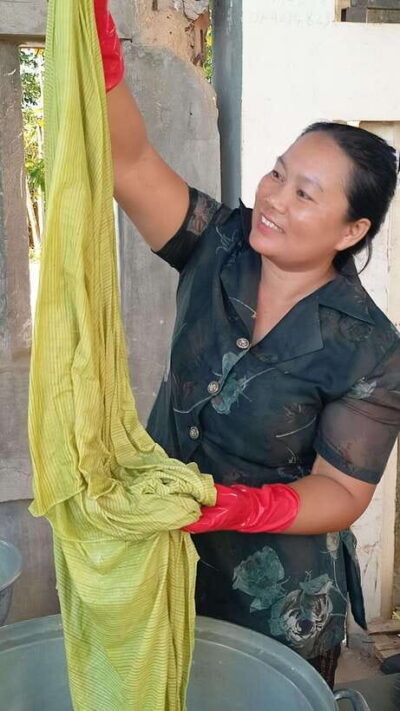
The Angkor Silk Farm changes the subject from ancient stone to living craft. The visit lasts about one hour and covers the full production chain: growing mulberry trees, caring for silkworms, dyeing silk, and weaving the finished fabric.
I like this stop because it connects a finished souvenir with the work behind it. Instead of seeing silk only in a shop, you can learn how the material begins and how many stages are needed before it becomes cloth.
This is also a useful counterpoint to the temples. Banteay Chhmar shows the skill and labor of an earlier Cambodian civilization in stone. The silk farm shows a continuing craft tradition through plants, insects, color, and handwork.
The visit will not satisfy someone who wants another large monument, but that is precisely why it helps the day. After several hours of ruins, the change of subject gives your attention a rest. It also gives you a more complete look at Cambodia, where cultural knowledge is carried through working crafts as well as sacred buildings.
West Baray and Svay Romiet Pagoda
The final stops are shorter, each about 30 minutes. West Baray is a huge Khmer-era reservoir measuring about eight kilometers long and 2.1 kilometers wide. Its original purpose is still not certain. Irrigation is often proposed, but the question remains open.
That uncertainty makes the stop interesting rather than incomplete. You can see the sheer scale of the waterworks and consider how much labor and planning the Khmer Empire could organize. The reservoir also provides a broad change of scenery after the enclosed temple spaces.
Svay Romiet Pagoda sits directly beside West Baray. It is connected with local family customs, including visits on an ancestor’s anniversary or someone’s birthday as a way of showing respect. This short stop gives the day a present-day religious and community dimension.
You should keep expectations realistic. Neither stop receives the same amount of time as Banteay Chhmar, and the tour’s main purpose remains the remote temples. Still, the reservoir and pagoda help round out the day with water management, local practice, and modern Cambodian life.
What the $137.75 price includes
At $137.75 per person, the cost is not simply an entrance ticket and a ride. It includes private hotel pickup and drop-off, a professional English-speaking licensed guide, private air-conditioned transport, entrance fees, service charges, and government VAT.
The value improves with a small group. Since the activity is private, the cost is easier to justify for couples, families, or friends who want their own schedule and commentary. A solo visitor pays more per person for the same arrangement, so the price may feel less attractive unless private travel is important to you.
You still need to budget for lunch and tips. Lunch is not included, but the stated local restaurant prices of $3 to $10 per dish are modest. Vegetarian and non-vegetarian meals are available.
The tour also requires a full day away from Siem Reap. I would compare the price not only with other temple trips, but with what you value: a private vehicle, a guide who can interpret detailed carvings, and access to a site far beyond the standard circuit. If you want a cheap, short temple visit, this is not the right choice. If you want a specialized day with several distinct stops, the package is reasonable.
Who should book this day trip
I would recommend it most strongly to:
- People who have already seen the main Angkor temples
- Visitors with a real interest in Khmer architecture and sculpture
- Couples or small groups who value private transport
- Anyone curious about Cambodian silk production
- Photographers who want forest ruins and less familiar temple views
- Visitors willing to spend much of the day on the road
I would think twice if you have only one short day in Siem Reap and have not yet visited Angkor Wat or Bayon. The distance also makes this a poor match for anyone who dislikes long car rides or wants a leisurely day with plenty of free time.
Most travelers can participate, and the tour is private for your group. Specific mobility conditions are not described, so ask the operator before booking if you have concerns about walking among uneven ruins or moving through temple areas.
Practical planning advice for a smoother day
Give the company your hotel name when booking so pickup can be arranged. Confirmation is received at the time of booking, and the tour requires a minimum number of participants. If that minimum is not reached, the company offers another date or a full refund.
Plan to eat at a local restaurant during the day and carry enough money for lunch and tips. Entrance fees are already included, so you do not need to set aside extra cash for the listed sites.
Ask your guide to explain the carvings at Banteay Chhmar in detail. The site’s value is not only in taking photographs. Its scale, damaged galleries, and Bayon-style sculpture become much more rewarding when you understand what you are seeing.
The cancellation rule is simple but firm: cancel at least 24 hours before the start time for a full refund. Changes or cancellations made less than 24 hours before the start are not accepted for a refund.
Should you book the Banteay Chhmar tour?
Book it if you want a remote, full-day temple experience and have enough time in Siem Reap for the long drive. Banteay Chhmar offers scale, carvings, broken galleries, and a quieter setting, while Banteay Toap and the silk farm keep the day from becoming one long ruin walk.
Skip it if your priority is seeing the major Angkor temples, avoiding long road trips, or keeping your daily schedule light. The price is fair for private transport, a guide, entrance fees, and several carefully chosen stops, but the real value depends on your interest in places beyond the usual route.
For temple fans, photographers, and curious visitors who want to connect ancient monuments with present-day Cambodian craft and religion, this is one of the more distinctive day trips from Siem Reap.
FAQ
How long is the Banteay Chhmar and Silk Farm tour?
The experience lasts approximately eight to nine hours.
How far is Banteay Chhmar from Siem Reap?
The drive to the temple takes about three hours, making the journey roughly three hours each way from Siem Reap.
Is hotel pickup included?
Yes. Pickup and drop-off at your hotel are included. You need to provide the hotel name when booking.
Is the tour private?
Yes. Only your group participates in the private tour.
What type of transportation is provided?
Private transfers are provided in a luxury SUV or an air-conditioned van.
Is a guide included?
Yes. A professional English-speaking licensed tour guide is included.
Are entrance fees included?
Yes. Entrance fees for the tour sites are included in the price.
Is lunch included?
No. Lunch is at your own expense. Local restaurants offer vegetarian and non-vegetarian choices, with dishes priced from about $3 to $10.
What does the Angkor Silk Farm visit include?
The visit covers the production process, including mulberry tree cultivation, silkworm care, silk dyeing, and weaving.
Can I cancel for a full refund?
Yes. You can cancel at least 24 hours before the experience start time for a full refund. Cancellations or changes made less than 24 hours before the start time are not accepted.
Newly listed farm visits around Siem Reap
- Traditional Khmer Water Blessing by Monk and Lotus Farm Visit★ 5.0 · 10 reviews
- Full Day Siem Reap Farm Tour with Cooking Class and Monk Blessing★ 5.0 · 6 reviews
- Siem Reap: Silk Farm & Countryside Offbeat Jeep Tour★ 4.5 · 11 reviews
- Tuk Tuk Journey: Exploring Rural Life and Silk Farm Craftsmanship★ 5.0 · 4 reviews
- Siem Reap: Scenic Countryside & Silk Farm Jeep Tour★ 5.0 · 2 reviews
- Siem Reap: Khmer Water Blessing by Monk and Lotus Farm Visit★ 5.0 · 15 reviews
- Half Day Trip: Silk Farm, Satcha, and Senteur d’Angkor Tour★ 4.7 · 10 reviews
- Half-Day: Silk Farm, Senteur Angkor, and Satcha Workshop★ 4.6 · 7 reviews
Silk Farm Tours, compared.

Siem Reap Lotus Silk Farm Discovery tour & Lake experience
Read our review →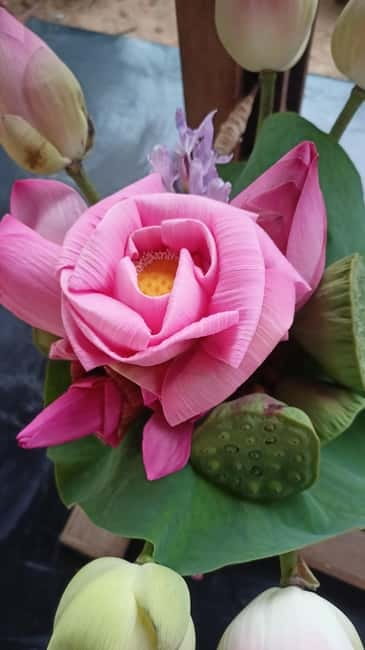
Angkor Silk Farm & Lotus Silk Farm: Siem Reap Discovery Tour
Read our review →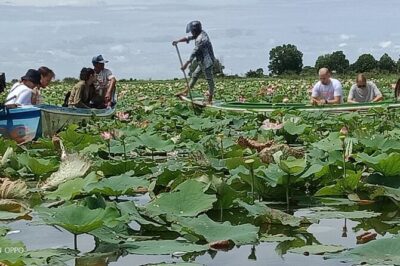
Lotus Silk Farm: Discover Learn and Experiment the Lotus Flower
Read our review →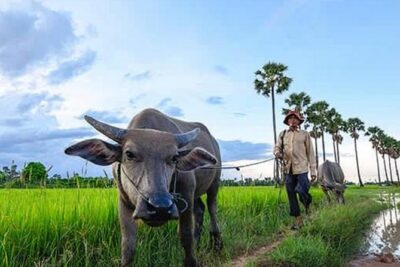
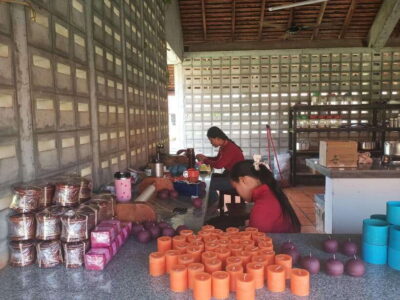
Half Day Trip: Silk Farm, Satcha, and Senteur d’Angkor Tour
Read our review →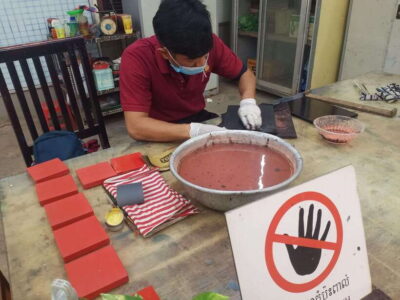
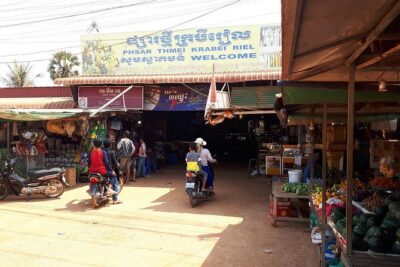
Tuk Tuk Journey: Exploring Rural Life and Silk Farm Craftsmanship
Read our review →Browse the lists this tour appears in