
Review · SIEM REAP
Half-Day: Silk Farm, Senteur Angkor, and Satcha Workshop
Cambodia’s traditional crafts become much easier to appreciate when you see the work behind them. This private Siem Reap tour takes you from mulberry trees and silkworms to handwoven silk, bamboo design, lacquer, wood, stone, and local scented goods.
I like two things right away: the compact route keeps driving short, and the private group price of $25 for up to two people is unusually good value. You also get a useful look at how Cambodian crafts are made, not just a quick stop at a souvenir shop.
The main caution is that the tour includes several craft and retail settings. If you want temples or outdoor scenery, this is not the right half-day. Some products can also be costly, so treat shopping as optional rather than part of the admission price.
Key points to know before booking
- See silk from tree to loom: The Angkor Silk Farm covers mulberry cultivation, silkworms, silk production, and weaving.
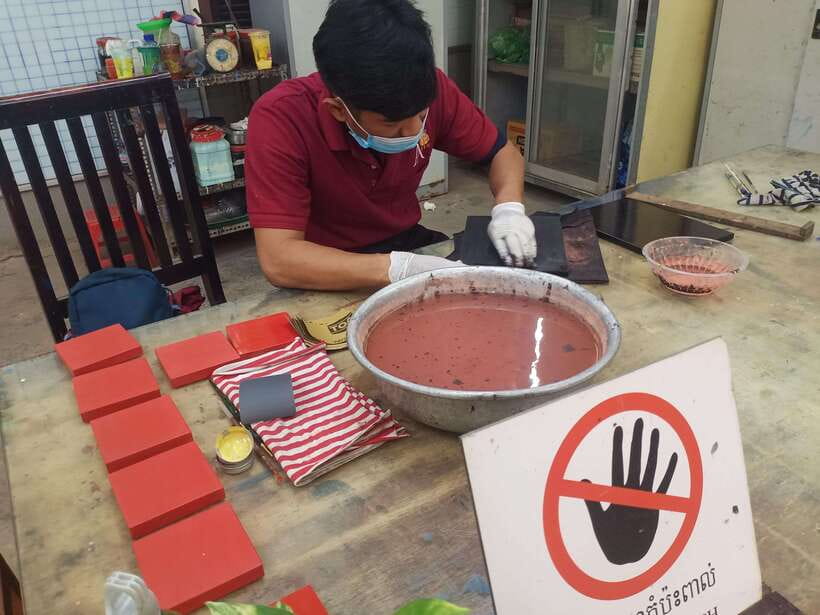
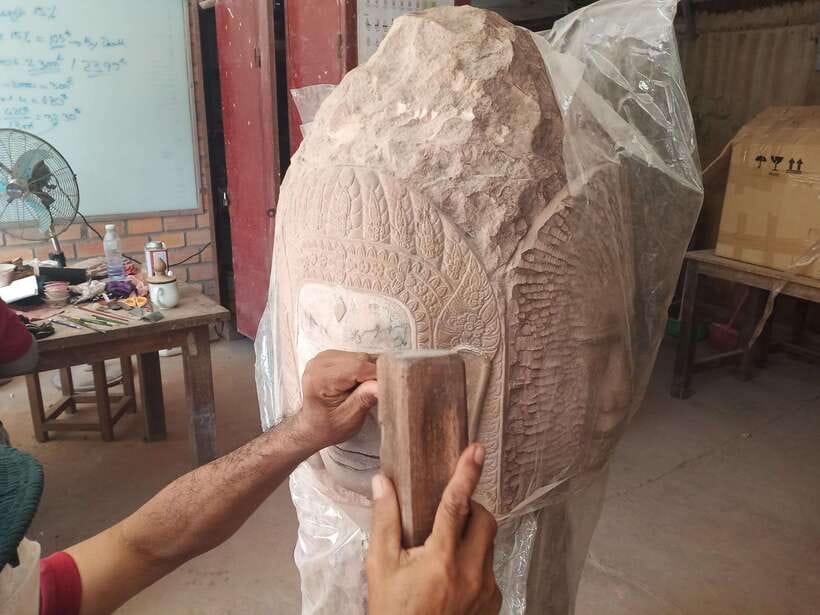
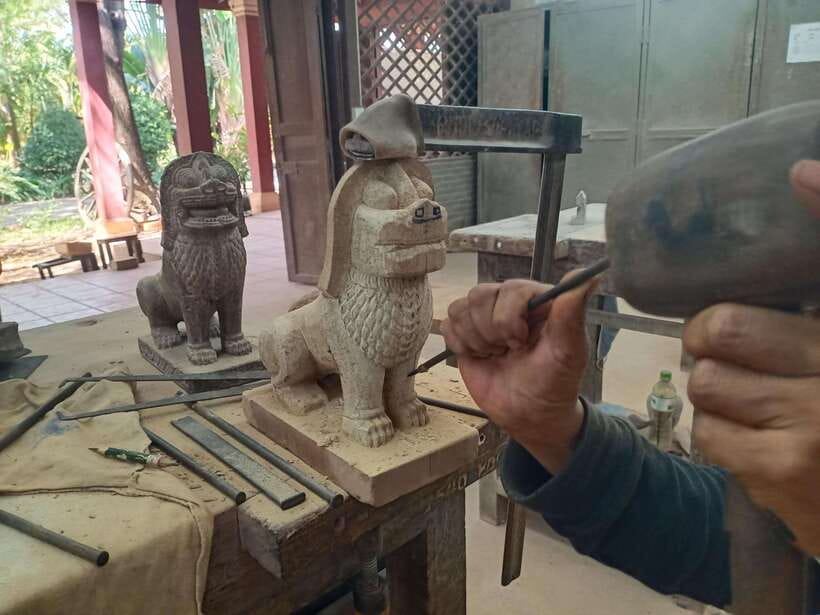
- Visit six Satcha workshops: Cambodian bamboo buildings house work in wood, stone, leather, rattan, silk, lacquer, jewelry, and more.
- Keep transport simple: Hotel pickup and drop-off in Siem Reap are included, with short drives between stops.
- Expect a private outing: The price covers a group of up to two people, rather than charging each person separately.
- Plan for shopping: Senteurs d’Angkor and Artisan d’Angkor offer locally made goods and gifts.
- Bring practical gear: Comfortable shoes, a hat, sunscreen, and a camera are useful. Smoking and food or drinks are not allowed during the tour.
Why this craft tour is worth four hours
Siem Reap is best known for Angkor’s temples, but the region’s living craft traditions tell another important part of the story. This outing gives you a close look at skilled work that can otherwise seem mysterious when finished products appear in a shop.
You will not spend the whole morning in a van. The longest listed drives are about 15 minutes, followed by shorter five-minute transfers. Each main stop is planned for roughly 50 minutes, giving you enough time to watch demonstrations, walk around, ask questions, and browse without turning the morning into a marathon.
The English-speaking driver handles the transport, and the private format gives you more freedom than a large group. You can take a little longer at a workshop that interests you, though the overall schedule still has four main stops to fit into four hours.
One practical point: the experience is listed as a guided craft tour, but the driver is identified as English-speaking rather than as a specialist guide with a published name. If detailed technical explanations are important to you, ask at booking how much guided interpretation is provided at each workshop.
More Silk Farm Tours in Siem Reap:
- Siem Reap Lotus Silk Farm Discovery tour & Lake experience
★ 4.7 · 291 reviews - Siem Reap: Lotus Silk Farm- Tour, Lake & Masterclass
★ 4.9 · 77 reviews - Angkor Silk Farm & Lotus Silk Farm: Siem Reap Discovery Tour
★ 4.8 · 68 reviews
From mulberry leaves to Cambodian silk
The Angkor Silk Farm is the strongest opening stop because it explains the full chain behind a silk garment. You begin with mulberry trees, which provide food for silkworms, then follow the insect’s life cycle and the stages that turn silk fibers into fabric.
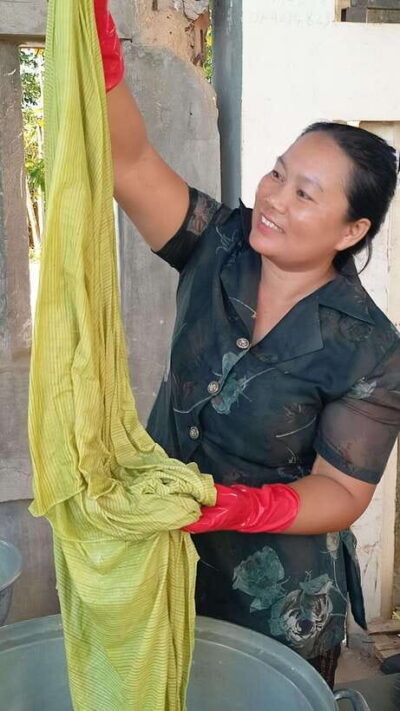
This makes the finished scarves, clothing, and decorative textiles easier to understand. Instead of seeing silk only as a polished souvenir, you see the patient work behind it: cultivation, care, unwinding the fibers, dyeing or preparing them, and weaving.
The visit lasts about 50 minutes and includes a guided tour, walking time, photographs, shopping, and a workshop-style look at the process. That is enough time for a clear introduction, though not enough for an advanced textile course.
I would place this stop high on your list if you are interested in textiles, farming, or traditional production. It also works well for families because the silkworm stage gives the visit a simple story to follow. The tour data does not promise a hands-on silk-making lesson, so expect to watch and learn rather than produce a finished item yourself.
Bring your camera, but keep the visit respectful and follow staff instructions. The best photos are likely to come from the process itself, not just from racks of finished goods.
Satcha’s six workshops and Cambodian bamboo design
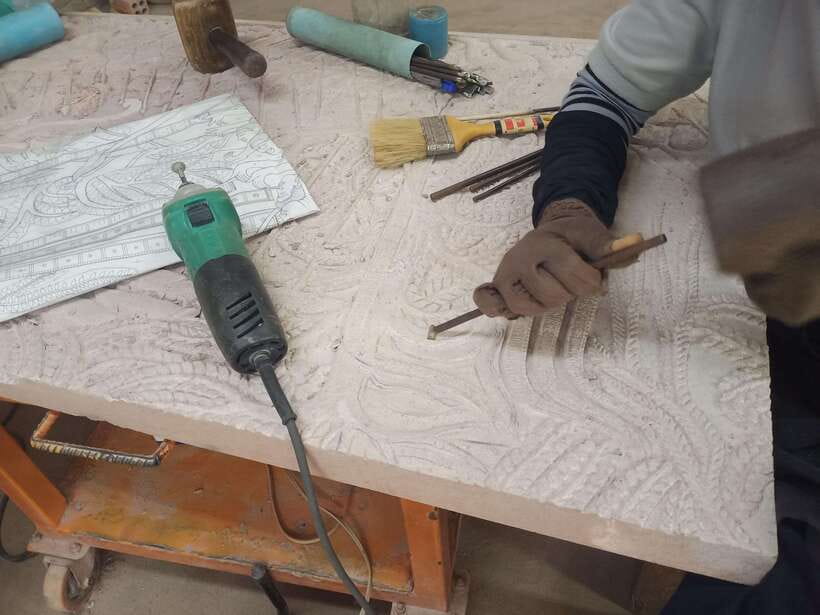
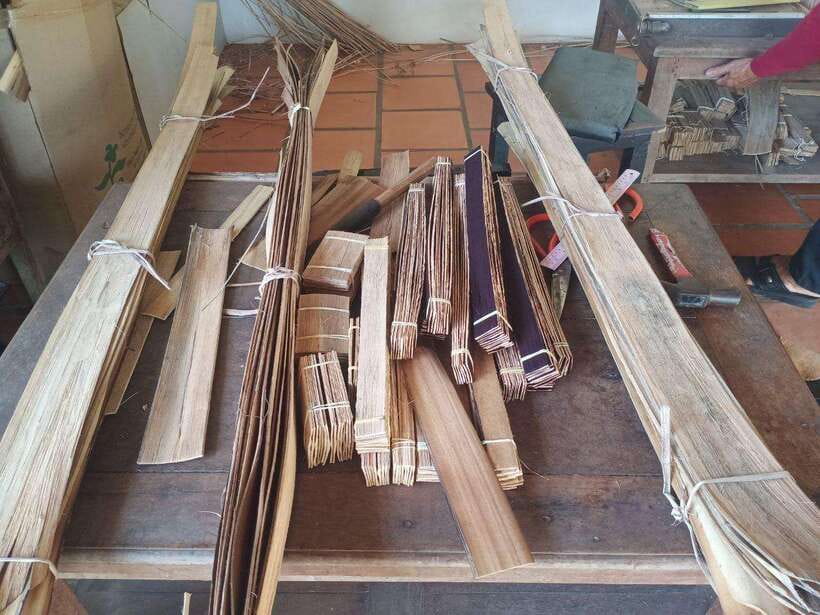
Next comes the Satcha Handicraft Center, built with Cambodian bamboo from Kampong Cham. This is more than a single craft shop. The center contains six workshops and supports more than 50 artisans working across 15 types of traditional and modern craft.
The range is broad. You might see work involving:
- Carving
- Stone, wood, and bamboo
- Leather and weaving
- Rattan and seagrass
- Water hyacinth
- Silk and cotton
- Painting and lacquer
- Jewelry and silver plating
The useful idea here is the link between old skills and newer design. Khmer ornaments provide inspiration, while the products are made for modern homes, gifts, and daily use. The bamboo buildings are part of the experience, so the setting helps connect the materials to the finished objects.
You are scheduled for roughly 50 minutes. That gives you time to visit the six workshop areas, watch artisans at work, and browse. It does not give you much room to study every technique in detail, so decide early which materials interest you most.
Shopping is part of the stop, and this is where you should set your own budget. One visitor found the first workshop excellent, with a wide range of products at good prices. That is encouraging for souvenir hunters, but you should still compare prices and buy only what you genuinely want to carry home.
Satcha may be the best stop for anyone who wants variety. The silk farm focuses on one clear production chain, while Satcha shows how many different materials fit into Cambodian craft work.
Senteurs d’Angkor and sustainable local products
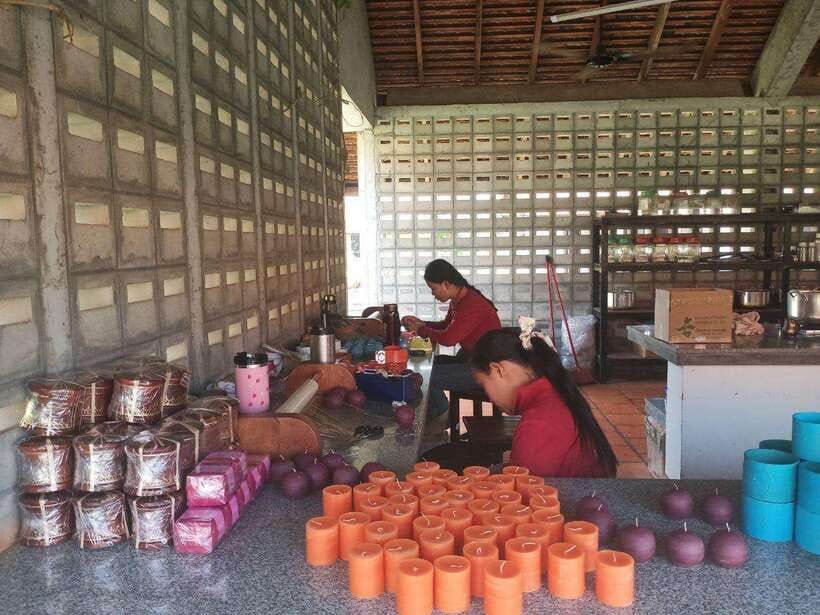
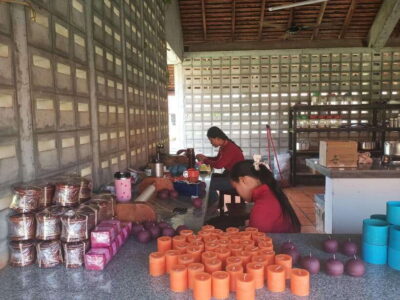
The next transfer is only about five minutes, so the day keeps moving. Senteurs d’Angkor presents locally made products connected with Cambodian ingredients, scents, and traditional know-how.
The stop is described as a place for sustainable Cambodian treasures. In practical terms, you can expect artisanal goods designed to bring local materials and methods into products you can use or give as gifts. The visit includes time to look around, hear explanations, take photographs, and shop.
This is a good place to slow down and notice how Cambodia’s natural materials are presented for modern buyers. The focus is different from silk or bamboo furniture. Instead of watching one long production chain, you get a compact introduction to a group of finished artisanal products.
The main limitation is cost. One person specifically found a second workshop interesting but expensive. That is a useful warning for this part of the tour: attractive packaging and careful presentation do not automatically make every item good value.
I would use Senteurs d’Angkor as a chance to find a small, easy-to-pack gift, but I would not assume you need to buy something. The experience is still worthwhile for the explanation and the chance to see another side of Cambodian production.
More Half-Day Trips in Siem Reap:
- Half-Day Thai Cooking Class at Organic Farm in Chiang Mai
★ 5.0 · 19,087 reviews - Half-Day Thoroughbred Horse Farm Tour in Kentucky
★ 5.0 · 1,924 reviews - Chiang Mai: HALF-DAY COOKING COURSE at a Thai Cooking Farm
★ 4.9 · 705 reviews - From Rome: Half-Day Frascati Wine Tour with Farmhouse Lunch
★ 4.9 · 372 reviews
Artisan d’Angkor and the final look at local handicrafts
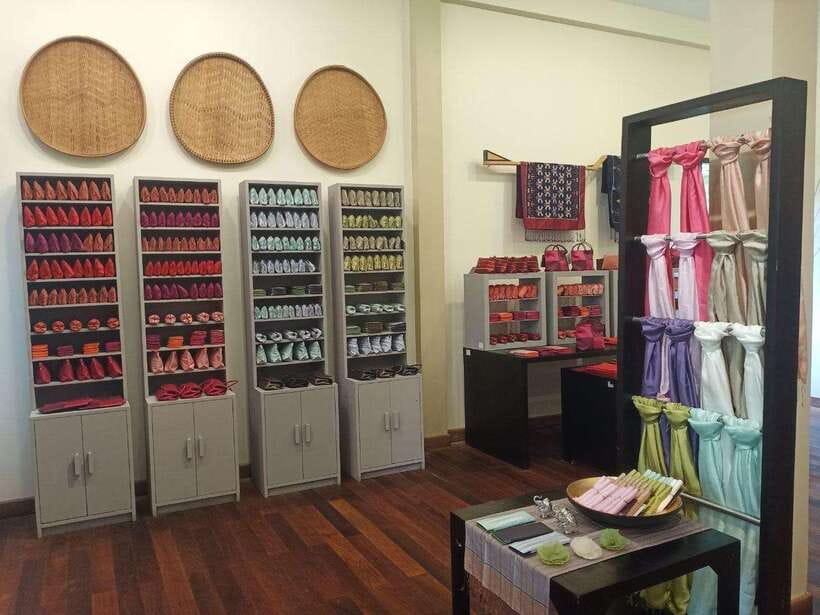
The final stop is Artisan d’Angkor, where you can see local handicrafts being made. It provides another view of the skill base behind Cambodia’s decorative arts and gives you a final chance to shop before returning to your hotel.
Because this stop follows the silk farm, Satcha, and Senteurs d’Angkor, you will have useful comparisons by this point. You can look at how materials, workmanship, design, and pricing differ across the places you visited.
The visit lasts around 50 minutes and includes a guided element, walking, photographs, a workshop setting, and shopping. It is a substantial final stop rather than a quick drive-by.
This part of the tour may appeal most to people who want polished Cambodian handicrafts or gifts. It may feel repetitive if you are not interested in shopping or production methods, since all four stops center on crafts. That is the key choice to make before booking: this is a focused craft route, not a general Siem Reap sightseeing trip.
How the timing works in real life
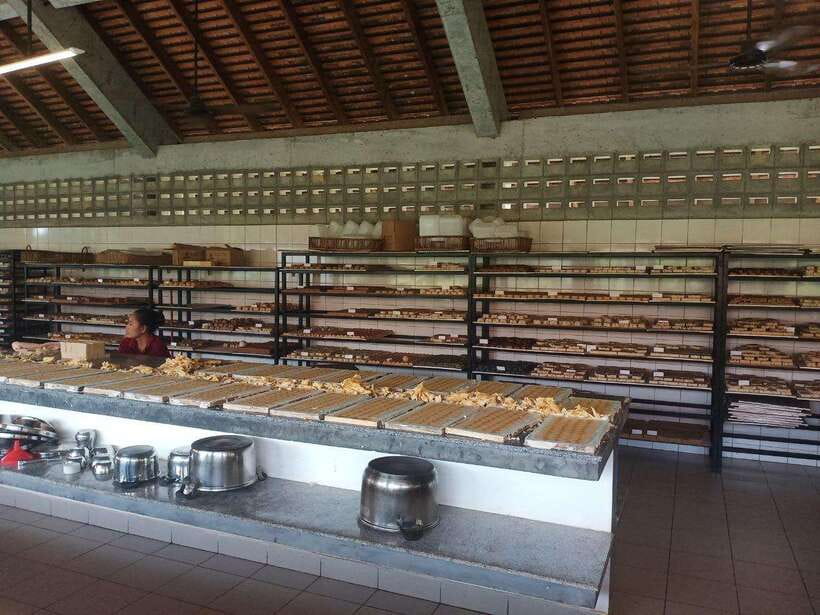
The advertised duration is four hours. The listed plan includes:
- Hotel pickup in Krong Siem Reap
- About 15 minutes to the silk farm
- A 50-minute silk visit
- About 15 minutes to the next workshop
- A 50-minute Satcha visit
- About five minutes to Senteurs d’Angkor
- A 50-minute visit
- About five minutes to Artisan d’Angkor
- A final 50-minute visit
- Return to your hotel
The four 50-minute stops total 200 minutes. The listed drives add about 40 minutes, leaving a small amount of flexibility for pickup, drop-off, and transitions.
That schedule is efficient, but do not expect a leisurely full-day pace. You will make several stops, so wear shoes that are comfortable for walking and standing. A hat and sunscreen matter because at least some walking takes place outdoors.
Since meals are not included, eat before pickup or plan food for after the tour. Food and drinks are not allowed during the tour itself. Smoking is also not permitted.
The $25 price and what it really buys
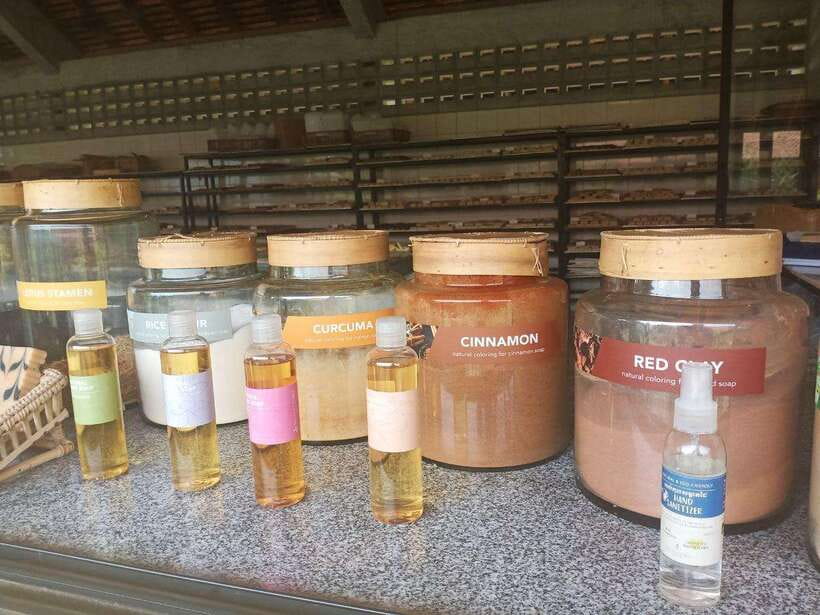
At $25 per group of up to two, this is strong value if you are traveling as a couple or with one companion. The cost includes hotel pickup and drop-off, transport between the four craft stops, and access to the silk farm, Satcha, Senteurs d’Angkor, and Artisan d’Angkor.
The per-person value is especially good for two people, since the listed price does not double for a pair. Solo travelers still get a private outing, but the cost is less economical when divided by one.
There are no meals included, and personal purchases are extra. This matters because shopping is built into the route. You may leave having spent more than the tour price if you buy silk, bamboo work, scented goods, jewelry, or other handicrafts.
The tour also offers free cancellation up to 24 hours before departure and a reserve-now, pay-later option. Those terms help if your Siem Reap schedule is still shifting, but check the available starting times before you commit.
Who will enjoy this most
I would recommend this outing to you if you want a break from temple sightseeing and prefer seeing people work with real materials. It suits couples, solo visitors, families, and anyone looking for compact gifts made in Cambodia.
It is especially useful for:
- People interested in silk and textiles
- Shoppers who want locally made souvenirs
- Visitors with only one free half-day
- Guests who prefer a private group
- Anyone curious about bamboo, lacquer, rattan, or jewelry work
I would choose something else if you want a food tour, a cooking class, countryside scenery, or a long historical explanation. The tour is also not suitable for wheelchair users according to the activity information.
The language is listed as English. One previous visit included French explanations, but French service is not presented as a standard feature, so you should not rely on it without checking first.
Small details that improve the morning
Wear comfortable walking shoes. The tour involves moving through several workshops and outdoor areas, with time on your feet at each stop.
Pack a hat, sunscreen, and camera. The craft displays and working areas are the main photographic subjects, and the first and last parts of the day may include outdoor walking.
Keep your shopping expectations realistic. The craft centers offer a broad range of products, but prices will vary. A good rule is to look first, ask questions, and then decide. You do not need to buy something at every stop to enjoy the tour.
The private format is another advantage. If you are traveling with one other person, you can focus on silk, bamboo, or scented products rather than waiting for a large group to finish. The schedule is still fixed enough to keep the route on time.
Should you book this Siem Reap craft tour?
Book it if you want a short, well-organized look at Cambodian craft production and you are happy to include shopping in the experience. The silk farm and Satcha Handicraft Center are the strongest reasons to go, while Senteurs d’Angkor and Artisan d’Angkor add more chances to compare products and techniques.
At $25 for a private group of up to two, the value is hard to dismiss, especially with hotel transport included. Just remember that the tour is about workshops, materials, and handicrafts, not temples or rural scenery. Bring comfortable shoes, protect yourself from the sun, and set a shopping budget before you leave.
FAQ
How long does the tour last?
The tour lasts four hours, including hotel pickup, transport between stops, visits, and return to your hotel.
What locations does the tour visit?
You visit the Angkor Silk Farm, Satcha Handicraft Center, Senteurs d’Angkor, and Artisan d’Angkor.
Is hotel pickup included?
Yes. Pickup and drop-off in Krong Siem Reap are included.
How much does the tour cost?
The price is $25 per private group of up to two people.
Is the tour private?
Yes. The group type is private, with a maximum of two people at the listed group price.
What language is available?
The activity is listed in English, with an English-speaking driver. French explanations were provided on one visit, but French is not listed as a standard tour language.
Are meals included?
No. Meals are not included, and consuming food or drinks during the tour is not allowed.
What should I bring?
Bring comfortable walking shoes, a hat, sunscreen, and a camera.
Is the tour wheelchair accessible?
No. The activity is not suitable for wheelchair users.
Newly listed farm visits around Siem Reap
- Full Day Siem Reap Farm Tour with Cooking Class and Monk Blessing★ 5.0 · 6 reviews
- Traditional Khmer Water Blessing by Monk and Lotus Farm Visit★ 5.0 · 10 reviews
- Siem Reap: Silk Farm & Countryside Offbeat Jeep Tour★ 4.5 · 11 reviews
- Banteay Chhmar Temple & Silk Farm Private Day Trip from Siem Reap★ 5.0 · 6 reviews
- Tuk Tuk Journey: Exploring Rural Life and Silk Farm Craftsmanship★ 5.0 · 4 reviews
- Siem Reap: Scenic Countryside & Silk Farm Jeep Tour★ 5.0 · 2 reviews
- Siem Reap: Khmer Water Blessing by Monk and Lotus Farm Visit★ 5.0 · 15 reviews
- Half Day Trip: Silk Farm, Satcha, and Senteur d’Angkor Tour★ 4.7 · 10 reviews
Silk Farm Tours, compared.

Siem Reap Lotus Silk Farm Discovery tour & Lake experience
Read our review →
Angkor Silk Farm & Lotus Silk Farm: Siem Reap Discovery Tour
Read our review →
Lotus Silk Farm: Discover Learn and Experiment the Lotus Flower
Read our review →
Half Day Trip: Silk Farm, Satcha, and Senteur d’Angkor Tour
Read our review →
Banteay Chhmar Temple & Silk Farm Private Day Trip from Siem Reap
Read our review →
Tuk Tuk Journey: Exploring Rural Life and Silk Farm Craftsmanship
Read our review →Browse the lists this tour appears in