
Review · JAPAN
Uji and Wazuka Matcha Farm Half Day Private Guided Tour
Uji and Wazuka give you two very different views of Japanese tea. Uji brings the river, old streets, tea shops, Uji Shrine, and Ujibashi Bridge. Wazuka brings quiet hills, working farms, and the chance to see where the tea begins. The real strength is the private format, with guide Masae shaping the pace and explaining the craft in a personal way.
I like the combination of tea tasting and farm access, since you do not simply drink matcha without learning where it comes from. I also like the generous Japanese bento lunch and air-conditioned transport between Uji and Wazuka. The main consideration is the price: at $360 per person, this is a serious splurge for four hours, especially for solo visitors.
Key points
- Uji comes first: Walk beside the Uji River, see Uji Shrine, cross Ujibashi Bridge, and browse tea shops and matcha cafes.
- Wazuka is the heart of the tour: Spend about three hours among tea farms and mountain scenery in a tea-growing valley with 800 years of production.
- Masae is central to the experience: She explains tea farming, production, history, and family connections to the tea trade.
- The tasting has real range: You receive at least three kinds of local tea, including matcha.
- Lunch is included: A Japanese bento set is provided, with a vegetarian option available if requested in advance.
- The ground can be rough: Farm paths may be bumpy and muddy, so practical shoes matter.
From Uji River to Wazuka tea country
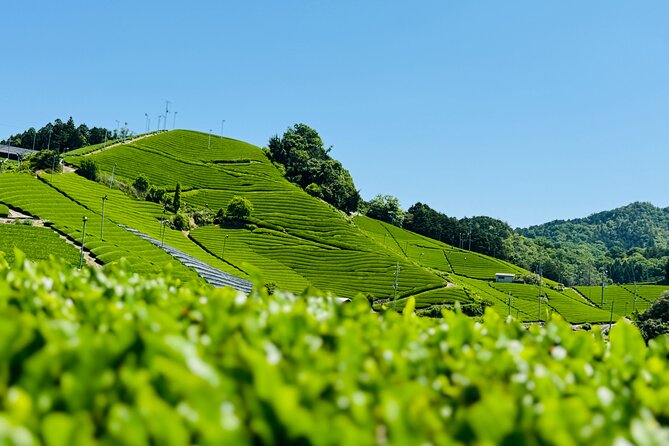
This four-hour private tour is built around a useful contrast. You begin in a famous tea town, where tea is part of the streetscape and shops, then head into Wazuka, where tea is grown on mountain slopes and in quiet rural fields.
That change of setting is what gives the tour its purpose. Uji can show you the finished culture of tea: cafes, sweets, shops, bridges, and shrines. Wazuka shows you the source. You can connect the cup in your hand with the fields, workers, and production methods behind it.
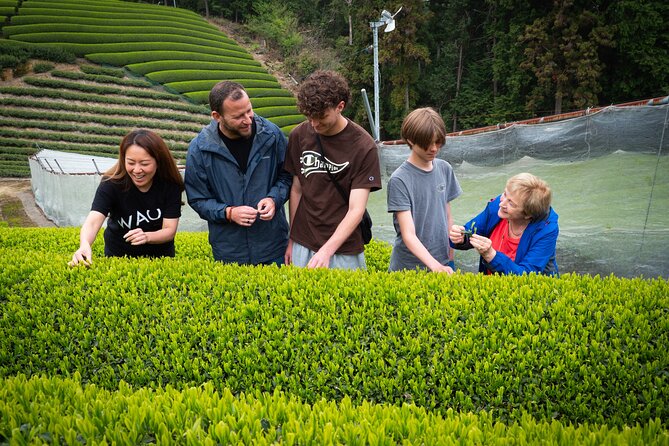
The tour is not just a tasting stop with a quick photo opportunity. You spend about three hours in Wazuka, including a tea farm walk, a viewpoint, tea tasting, and lunch. Since the activity is private, your group is the only group taking part. That makes it a better fit for families, couples, solo visitors who want a personal guide, and anyone who prefers conversation over a large group routine.
More Guided Tours in Japan:
- Miyajima Guided Tour and Fresh Oyster Farm Tour
★ 5.0 · 20 reviews - Guided Bike Tour to a Green Tea Farm in Shizuoka (not e-bikes)
★ 5.0 · 5 reviews - Mykonos: Farm, Ano Mera Village, and Beaches Guided Tour
★ 4.4 · 1,283 reviews
Uji’s river, shrine, and old bridge
The Uji portion begins near Itoh Kyuemon at JR Uji Station. You walk along the Uji River and through the small town area, where tea shops and matcha cafes give you an immediate sense of Uji’s identity.
The river walk is a calm opening. It gives you time to settle into the day before the rural drive, and it makes clear why Uji has long been associated with tea and ceremony. You can browse or simply watch the town change around you as tea appears in drinks, sweets, and souvenirs.
Uji Shrine is a short stop of about ten minutes. It is described as one of Japan’s oldest shrines, and its compact scale works well in a half-day tour. You will not spend hours walking a large temple complex. Instead, you get a brief cultural pause before continuing through town.
Ujibashi Bridge is another ten-minute stop. It is presented as one of Japan’s oldest bridges and is an important local landmark. The bridge connects the river scenery with Uji’s historic tea identity, so it is more than a quick photo stop. Still, keep your expectations sensible. The Uji section is a short introduction, not a full sightseeing tour of every major site in town.
If you have never visited Uji, this opening is useful. If you already know Uji well, you may find the three stops familiar. The value comes from the way they lead into Wazuka, not from extensive time at each one.
Wazuka’s 800 years of tea making
Wazuka is the main event. The valley is surrounded by mountains and crossed by a river, with tea growing across the rolling hills. Tea has been produced here for about 800 years, and the area has a strong connection to Uji tea culture.
You walk through tea-growing areas rather than viewing them only from a road. That distinction matters. A farm walk lets you see how much the setting shapes the product. The hills, weather, paths, and rows of tea plants become part of the lesson.
The farm access can be bumpy and muddy. Wear shoes you can clean, and do not choose delicate footwear just for photographs. The tour includes a magnificent viewpoint, but the exact condition of the paths may depend on the weather. You should be ready for a rural outing, not a paved garden stroll.
Wazuka is also less built up than central Uji. That is a benefit if you want quiet scenery and a stronger sense of place. It also means fewer conveniences along the way. Snacks and extra drinks are not included, although they can be purchased on the street. Bringing a practical attitude is more important here than expecting a polished attraction with facilities at every turn.
Learning tea from Masae
Masae is a major part of the experience. Her explanations cover tea farming, tea production, Japanese tea culture, and matcha. The most useful part is the local connection. You are not only hearing general facts copied from a guidebook. You are learning about the tea trade from someone associated with a tea-growing family and the Wazuka area.
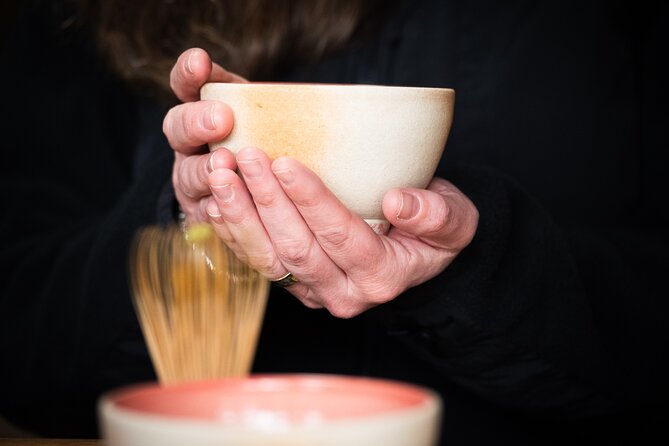
That personal angle can change how you understand matcha. It is easy to think of matcha as a bright green powder served in a cafe. A guide with a family perspective can connect that powder to farming decisions, processing, regional identity, and the work behind each serving.
Masae also appears to be comfortable handling the social side of the day. The tour includes a meal, shopping time may be possible, and the experience can include hands-on moments such as tea preparation or mochi making, as reflected in the activities available during the tour. Because this is private, you can ask questions without holding up a large group.
I would book this tour for people who want context, not just scenery. If you only want to visit a tea farm for a few photographs, a cheaper transport option may be enough. If you want to understand the connection between Uji’s tea shops and Wazuka’s fields, Masae’s guidance is where much of the value lies.
More farm tours around Japan:
- Hokkaido Lavender farm & Furano Flower Tour from Sapporo
★ 4.5 · 28 reviews - Mt. Fuji Private Chartered Tour with Nature and Wasabi Farm
★ 5.0 · 24 reviews - Wasabi Farm Walking Tour & Lunch
★ 4.5 · 20 reviews - Hands-on Pearl Harvesting Workshop!
★ 3.3 · 11 reviews
Tasting at least three local teas

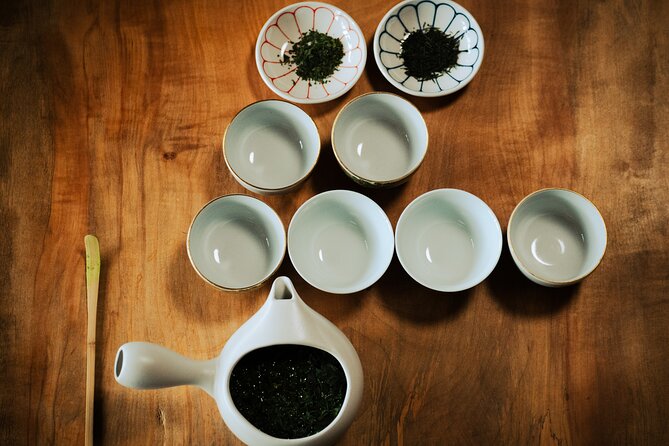
The tasting includes a minimum of three different kinds of local tea, including matcha. This is one of the strongest parts of the tour because it gives you a chance to compare rather than sample one cup in isolation.
Pay attention to how each tea looks, smells, and feels in your mouth. The point is not simply to decide which one is sweetest. You can use the tasting to notice differences in preparation and character, then connect those differences to what you have just seen on the farm.
The tasting also helps if you are new to matcha. You can ask questions in the moment and get a clearer idea of what you like. Some people arrive expecting all matcha to taste the same. A guided comparison shows why tea culture has room for several styles and grades.
The tour description also includes coffee and tea, so you are not limited to matcha alone. Extra drinks and snacks bought during the day cost more, but the main tasting is included.
A proper bento lunch during the farm visit
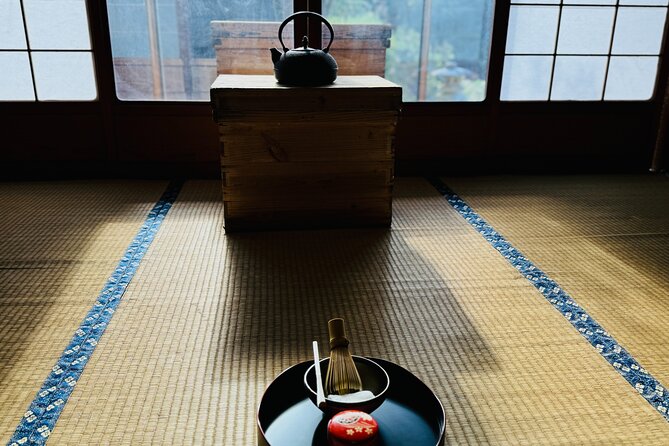
Lunch is a Japanese bento set, and it is included in the price. That is a meaningful benefit on a four-hour tour, especially since the route takes you beyond central Uji and into rural Wazuka.
A bento lunch also fits the setting better than a rushed stop at a generic restaurant. It gives the day a slower break and lets you continue the tea conversation over food. Past participants have especially valued the generous meal, so you should not think of lunch as a token snack.
Vegetarian food is available with an advance request. The information provided does not specify other dietary arrangements, so contact the provider before booking if you have additional restrictions. Do not wait until the morning of the tour.
The lunch is one reason the price can make more sense for a small private group. You are paying for transport, a guide, tea tasting, farm access, and food in one compact outing. Still, the value depends on your priorities. A solo visitor focused mainly on low-cost sightseeing may find $360 hard to justify. A family or small group splitting the private experience may see it differently, especially with group discounts available.
Transport, timing, and practical comfort
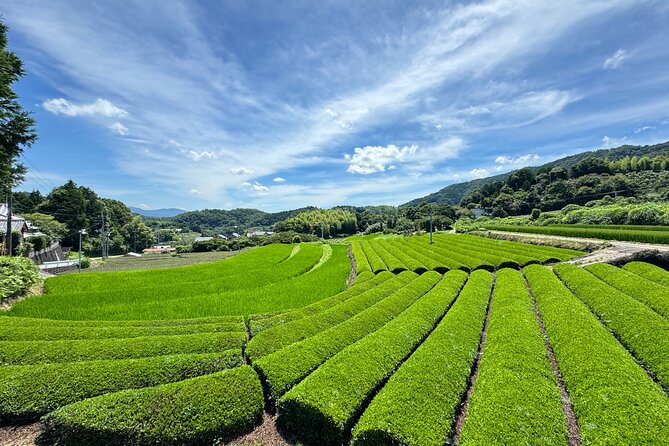
The tour lasts about four hours. The schedule gives roughly thirty minutes to Uji, ten minutes at Uji Shrine, ten minutes at Ujibashi Bridge, and about three hours in Wazuka. That tells you where the day’s emphasis lies: Uji is the introduction, Wazuka is the main experience.
Air-conditioned private transportation is included. This matters because the tour connects JR Uji Station with a rural tea area, and the two settings are not next door to each other. You avoid trying to piece together local transport while carrying bags or managing children.
The starting point is Itoh Kyuemon near JR Uji Station. The activity ends at a different location, so check the final arrangements before you set your day around it. The supplied details do not give a precise end point, so leave flexibility afterward rather than scheduling a tight train connection.
Mobile tickets are available, and confirmation is provided when you book. The tour is near public transportation, and most people can participate. Service animals are allowed.
The private format is especially useful if you have a family group or a mixed set of interests. One person can ask about production, another can focus on photographs, and someone else can take more time with the tasting. The pace is not designed for a large crowd.
Who will get the most from this tour
You will get the most from this experience if you fall into one of these groups:
- Matcha fans: The farm walk and three-tea tasting add meaning to a drink you may already enjoy.
- Culture-focused visitors: Uji’s shrine, bridge, river, and tea shops provide a short cultural frame before Wazuka.
- Families: Private transportation, lunch, and a guide make the day easier to manage.
- Solo visitors: You receive direct attention, though the per-person price is harder to justify alone.
- Photographers: Wazuka offers tea fields, mountain views, river scenery, and a dedicated viewpoint.
- Repeat visitors to Kyoto: The rural setting gives you something different from the usual city route.
I would be less likely to recommend it if your main goal is a long Uji temple tour, a full day of sightseeing, or a low-cost activity. The schedule gives Uji only brief visits, and the price is high for four hours.
What to bring and how to prepare
Choose sturdy shoes. The farm paths may be muddy and uneven, and this is the single clearest practical warning attached to the tour.
Wear clothing you do not mind getting dusty or splashed. Bring room for tea purchases if you want to shop after the tasting, and budget separately for extra street snacks and drinks.
If you need a vegetarian bento, request it in advance. You should also tell the provider about any important food needs before the day begins, since only the vegetarian option is specifically confirmed.
Finally, allow time for the end of the tour. Since the activity finishes somewhere different from the starting point, do not assume you will return to JR Uji Station.
Is the $360 price worth it?
At $360 per person, this is not a casual add-on. The price includes a private guide, private transportation, a farm walk, a viewpoint, at least three teas, and a Japanese bento lunch. For a group that values comfort and personal attention, those parts add up.
The strongest value comes from access and interpretation. You are not simply looking at tea fields from a public road. You are taken into Wazuka, given time there, and guided through what you are seeing. Masae’s local and family connection adds another layer that a self-guided visit may not provide.
The weak point is the short duration. Four hours passes quickly, and the Uji stops are brief. Solo visitors should think carefully about the per-person cost. Families and small groups should check the group discount, since the private format may become more sensible when shared.
Free cancellation is available if you cancel at least 24 hours before the start time. Changes or cancellations inside that window are not accepted for a refund.
Should you book the Uji and Wazuka tour?
Book it if you want tea culture with a human guide, not just a matcha drink and a shop visit. The mix of Uji landmarks, Wazuka farm paths, local tasting, bento lunch, and private transport makes this a focused way to reach tea country without planning every connection yourself.
Skip it if you want a broad Uji sightseeing day or if $360 per person feels out of proportion to four hours. For the right audience, especially matcha lovers, families, and visitors seeking a rural side of Kyoto, this is a strong and memorable choice. Just bring sensible shoes and leave your schedule loose at the end.
FAQ
Where does the tour begin?
It begins at Itoh Kyuemon near JR Uji Station, at Sabo Umonji-16-1, Uji, Kyoto 611-0021, Japan.
Where does the tour end?
The activity ends at a different location from the starting point. The provided details do not specify the exact end point.
How long does the tour last?
The tour lasts approximately four hours.
Is this a private tour?
Yes. Only your group participates in the activity.
What places do you visit in Uji?
You walk along the Uji River and through the tea town, visit Uji Shrine, and see Ujibashi Bridge.
How much time is spent in Wazuka?
About three hours are allocated to Wazuka-cho.
Is tea tasting included?
Yes. Local tea tasting is included, with at least three different kinds of tea.
Is lunch included?
Yes. A Japanese bento lunch set is included.
Is a vegetarian lunch available?
Yes, but you must request the vegetarian option in advance.
Can the tour be canceled for a full refund?
Yes, if you cancel at least 24 hours before the experience start time. Cancellations made less than 24 hours in advance are not refunded.
Newly listed farm visits around Japan
- Hida Private E-Bike Tour with Premium Lunch and Farm Experience★ 5.0 · 7 reviews
- Guided Bike Tour to a Green Tea Farm in Shizuoka (not e-bikes)★ 5.0 · 5 reviews
- Hokkaido Farm Tomita Shikisai Hill Waterfall& Blue Pond Day Tour★ 3.5 · 6 reviews
- Autumn Leaves in AutumnSkiing in winterLet’s go to Hoheikyo Onsen by private car (from Sapporo)★ 4.5 · 8 reviews
- Wasabi Farm Walking Tour & Lunch★ 4.5 · 20 reviews
- 7hr Private Wazuka True Hidden Kyoto Matcha Farm Experience★ 5.0 · 3 reviews
- Aso Caldera and Farm Experience Tour★ 5.0 · 5 reviews
- Okinawa: Traditional farming experience & cooking and a meal★ 5.0 · 3 reviews
Japan Farm Tours, compared.
Hokkaido Lavender farm & Furano Flower Tour from Sapporo
Read our review →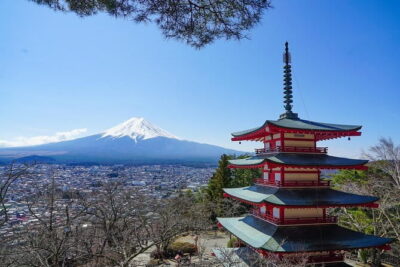
Mt. Fuji Private Chartered Tour with Nature and Wasabi Farm
Read our review →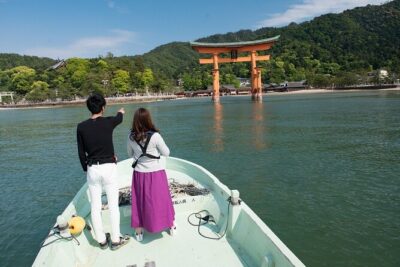
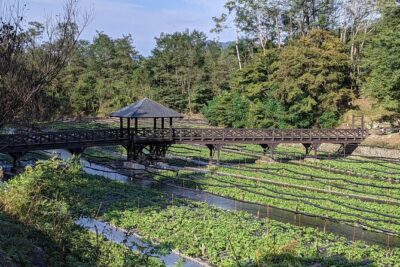

Hida Private E-Bike Tour with Premium Lunch and Farm Experience
Read our review →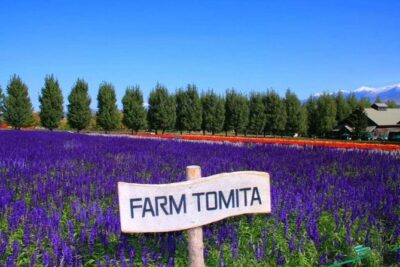
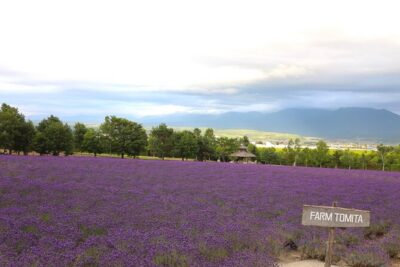
Hokkaido Farm Tomita Shikisai Hill Waterfall& Blue Pond Day Tour
Read our review →Browse the lists this tour appears in