
Review · THE USA
Alpaca Ranch and Fiber Processing Mill Tour
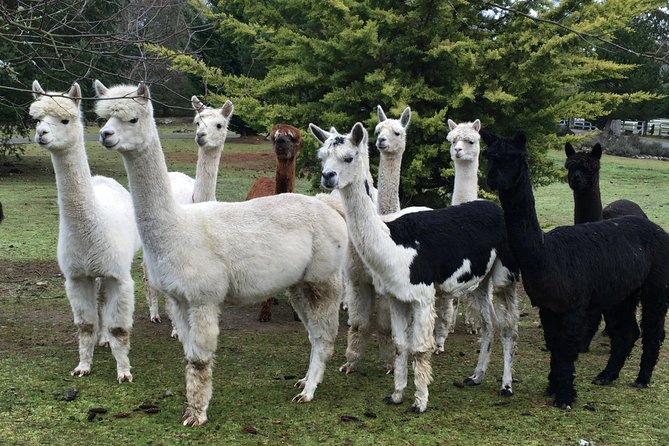
The best part of this Yelm farm visit is the link between live alpacas and finished fiber goods. You begin by meeting and hand-feeding the animals, then follow their fleece into a small working mill where it is processed into products you can see and buy.
I like the personal setup, since only your group takes part, and I like the useful mix of animal time and practical craft. The main consideration is the short 90-minute length, so this is a focused farm visit rather than a full day in the country.
Key points to know before you go
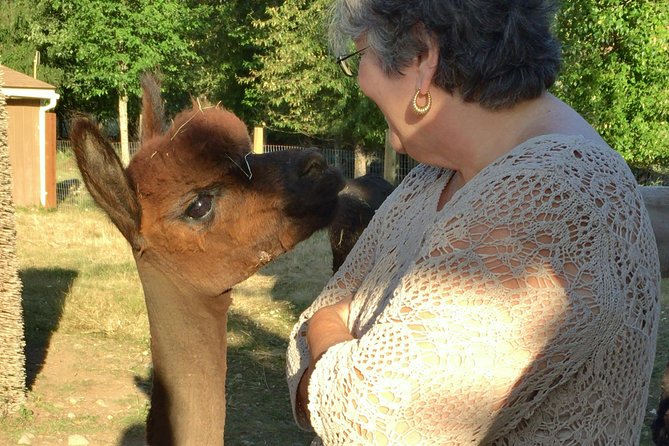
- Hand-feed the alpacas: You get close to the resident animals instead of viewing them from a distance.
- See a working fiber mill: The visit explains how alpaca fleece becomes finished goods.
- Private groups only: Your party has the tour to itself, with a maximum of 10 people per booking.
- Good for mixed ages: Adults, children, and animal lovers can all find something to enjoy.
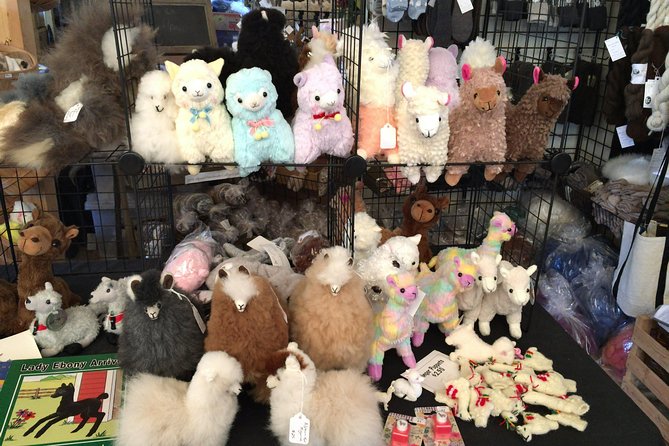
- Shop at the end: The on-site boutique sells goods made from alpaca wool.
- Plan for the weather: The tour operates in all conditions, so dress for an outdoor farm setting.
Meeting alpacas near Yelm
The experience takes place at Tahoma Vista Fiber Mill and La Vida Alpaca, at 15631 159th Ln SE in Yelm, Washington. You meet at the farm and return to that same point when the visit ends, so you do not need to arrange separate transportation between stops.
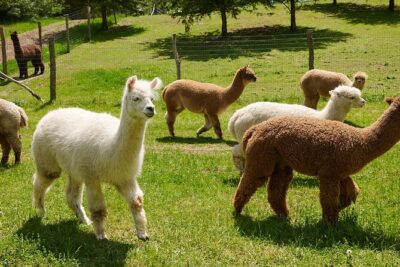
The opening activity is simple but memorable: you meet the alpacas up close and hand-feed them. That hands-on element matters, especially if you are bringing children. It gives young visitors something clear to do and helps adults connect with the animals rather than simply walk past a paddock.
You may also encounter individual alpacas with names such as Snowfall and Ball. The setting is personal and family-run, and the hosts welcome questions. The tone is educational without feeling like a classroom lecture, with humor and plenty of room for a relaxed exchange.
I would expect this part to appeal most to animal lovers and families. A five-year-old can take part in the animal encounter, while adults can pay closer attention to the breed, fleece, and care involved in producing alpaca fiber. Since the visit is private, your group can stay together and ask questions at its own pace.
That private format is one of the tour’s strongest features. A maximum of 10 people keeps the group small, and you are not sharing the experience with a large crowd. It also makes the visit a practical choice for a family, a small group of friends, or a couple who wants a quieter farm stop.
More Alpaca and Llama Farms in the USA
- Alpaca and Llama Farm Tour
★ 5.0 · 446 reviews - Llama/Alpaca Hike and Farm Tour
★ 5.0 · 111 reviews - Guided Lilymoore Alpaca Farm Tour
★ 5.0 · 38 reviews
From alpaca fleece to useful goods
After the animal visit, you tour the small fiber-processing mill. This is where the experience gains depth. You are not only seeing alpacas as charming farm animals. You are learning what happens after shearing and how raw fleece moves toward a finished product.
The mill shows the steps involved in processing the fiber and making alpaca wool goods. The exact machinery and sequence are not specified, but the visit is designed to explain how the finished products are made. That connection gives the tour a practical purpose: you can look at a sweater, scarf, or other item in the boutique and better understand the work behind it.
I like this kind of demonstration because it helps you shop with more context. Instead of seeing a soft product as a generic souvenir, you get a clearer sense of its source and production. The farm visit ties animal care, shearing, fiber handling, and retail goods into one compact story.
The mill is small, so you should set your expectations accordingly. This is not a giant industrial factory tour with a long production line. Its appeal is the closer look at a local operation and the chance to speak with the people connected to the work.
The experience can also change slightly depending on farm conditions. On one scheduled visit, the hosts invited the couple to observe shearing day instead of following the standard tour. That meant seeing the preparation before shearing, the work during the event, and the next stage of fiber processing.
Shearing day is a busy, high-attention operation, so it may not feel as calm or neatly arranged as the regular visit. Still, the chance to see that seasonal process can be special. If your date coincides with shearing, ask the hosts what is possible rather than assuming the standard route will be unchanged.
A family-friendly visit with real substance
This tour works well because it gives different age groups different ways to participate. Children get animals to meet and feed. Adults can focus on the fiber process, ask questions, and browse the boutique.
The educational side is also strong without requiring specialist knowledge. You do not need to know anything about alpaca farming before arriving. The visit explains the basic stages in plain terms, and the hands-on format keeps the subject moving.
I would choose this activity for a family looking for something beyond a standard animal encounter. It is also a good fit if you are interested in textiles, local production, handmade goods, or small farms. Animal lovers who want a little more substance than petting time should find the mill tour worthwhile.
The private structure helps here. A large public tour can make it harder for children to participate or for adults to ask questions. With only your party involved, the hosts can keep the pace comfortable for the group in front of them.
That said, the 90-minute duration sets a clear limit. You will get an introduction to the alpacas, a mill tour, and time in the shop, but you should not expect an entire morning of farm activities. If your children need lots of open play or you want a long agricultural workshop, this may feel brief.
The activity is listed as suitable for most people, and no special fitness requirement is given. Still, this is a farm setting that operates in all weather. Wear practical clothes and shoes, and prepare for changing conditions rather than dressing only for the boutique portion of the visit.
What the $37.50 price buys you
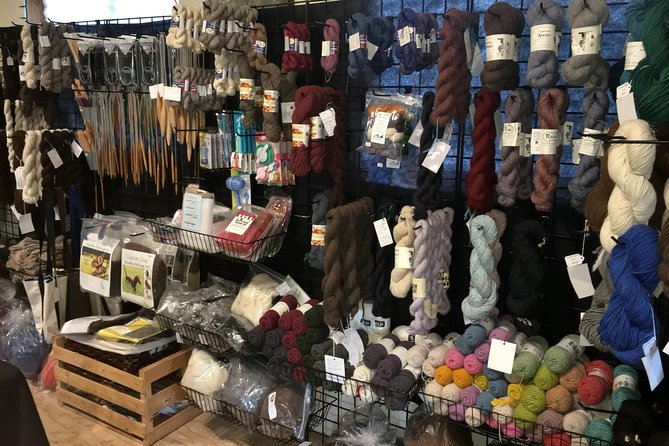
At $37.50 per person, the price is easier to assess when you consider what is included. You are paying for about an hour and a half of private access, direct contact with the alpacas, a guided look at the fiber mill, and admission to the farm’s boutique.
For a large public attraction, that price might feel high for a short visit. For a private, small-group experience with an owner-operated farm and mill, it offers a more personal format. Your money supports an encounter with both the animals and the production process, rather than just a quick photo stop.
The value is strongest if you are genuinely interested in alpaca fiber or plan to buy something from the shop. The mill tour gives meaning to the goods on sale, and you can decide for yourself if a product is worth taking home. You do not need to shop, but the boutique is part of the planned experience.
Group discounts are available, which can improve the price for larger parties. Since each booking is limited to 10 people, check how the discount applies to your group before booking. The supplied details do not state the discount amount.
I also like that the visit is private without being presented as a luxury package. The personal setting comes from the small group and direct host interaction, not from elaborate extras. If you prefer local, low-key activities to polished attractions, that is likely to feel like a fair exchange.
Same countryside, another kind of harvest:
- Maui Pineapple Farm Tour in Haliimaile
★ 5.0 · 2,855 reviews - Half-Day Thoroughbred Horse Farm Tour in Kentucky
★ 5.0 · 1,924 reviews - Oahu: Kualoa Ranch Movie Sites and Ranch Tour
★ 4.5 · 1,655 reviews - Oahu: Kualoa Ranch UTV Raptor Tour
★ 4.5 · 1,569 reviews
What happens during the 90 minutes
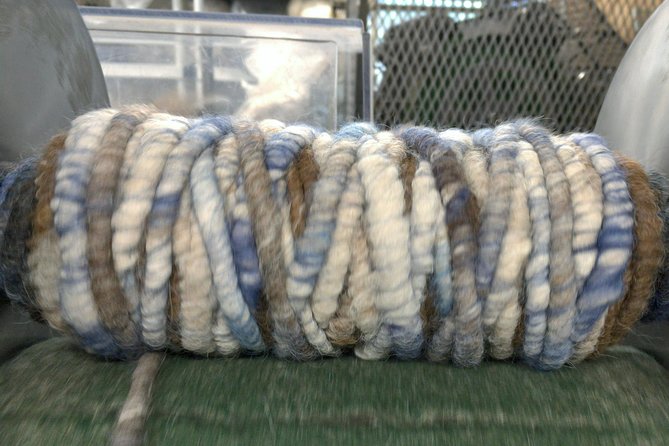
The visit follows a straightforward order:
- You arrive at the Yelm meeting point.
- You meet and hand-feed the resident alpacas.
- You tour the small fiber-processing mill.
- You learn how fleece becomes finished alpaca goods.
- You have time to browse and shop in the boutique.
- You finish back at the original meeting point.
The exact time spent at each portion can vary, particularly if the animals or farm work require extra attention. The stated duration is approximately one hour and 30 minutes, not a minute-by-minute schedule.
I would allow a little flexibility around the start and finish of your day, especially if you have another timed activity afterward. The tour itself is not long, but farm visits can be affected by animal care and seasonal work.
The boutique provides a natural ending. You have already seen the animals and the processing side, so shopping does not feel completely separate from the tour. You can look for alpaca wool goods with a better understanding of where the fiber began.
Weather, timing, and practical details
The activity runs in all weather. That does not mean every part feels identical on a sunny day and a wet one. Dress in layers, bring weather-ready outerwear, and choose shoes you can wear comfortably around a farm.
The tour is offered in English. Confirmation is sent within 48 hours of booking, subject to availability, so do not assume your reservation is final until you receive confirmation.
The experience is usually booked about 14 days ahead. That is a useful planning guide, especially if you have a fixed date in the Yelm area. I would reserve earlier for a weekend, a school holiday, or a group that needs a particular time.
You can cancel for a full refund if you do so at least 24 hours before the start time. Changes or cancellations made inside that 24-hour window are not accepted for a refund. The cut-off follows local time.
The meeting point is the farm address, and the activity ends there. No transportation is listed, so you should plan to get yourself to 15631 159th Ln SE in Yelm.
Who will enjoy this most
I would put this tour high on the list for:
- Families with children who enjoy animals
- Couples looking for a quiet, personal farm activity
- Small groups interested in textiles and handmade goods
- Shoppers who want to understand the source of alpaca products
- Visitors with about 90 minutes available near Yelm
- Anyone who prefers direct contact with a local host over a large group tour
It may be less suitable if you want a long farm stay, a broad range of activities, or a large industrial mill. The tour has a narrow focus, but it handles that focus well: alpacas, fiber processing, and finished goods.
It is also worth considering your interest level. If you mainly want a quick animal photo, the mill portion may feel like extra time. If you enjoy knowing how materials are made, that same portion is likely to be the reason to book.
Is the alpaca ranch and mill tour worth booking?
I would book this if you want a small-scale, hands-on farm visit rather than a big attraction. The combination of hand-feeding alpacas and seeing their fleece processed gives the 90 minutes a clear shape, and the private format makes it easier to enjoy with children or a small group.
The main drawback is the limited length and the lack of a broader farm program. You are not signing up for a full-day agricultural experience. But at $37.50 per person, the visit offers a personal animal encounter, a working mill explanation, and a chance to shop with useful context.
Book it if alpacas, natural fiber, and local production appeal to you. If your date happens to fall on shearing day, stay flexible. You may receive an unusual look at the work behind the regular tour, provided the farm can safely include you.
FAQ
Where does the alpaca ranch and mill tour take place?
The experience begins and ends at Tahoma Vista Fiber Mill and La Vida Alpaca, located at 15631 159th Ln SE, Yelm, Washington 98597.
How long does the tour last?
The tour lasts approximately one hour and 30 minutes.
What does the tour include?
You can meet and hand-feed the resident alpacas, tour the small fiber-processing mill, learn how finished products are made, and shop for alpaca wool goods in the boutique.
Is this a private tour?
Yes. Only your group participates, with a maximum of 10 people per booking.
Is the experience suitable for children?
Yes. The activity is described as family-friendly, and most people can participate.
What happens if the weather is poor?
The tour operates in all weather conditions, so you should dress appropriately for the conditions.
Can I cancel for a refund?
You can cancel at least 24 hours before the start time for a full refund. Cancellations or changes made less than 24 hours before the start time are not accepted for a refund.
Newly listed farm visits around the USA
- Gourmet Mushroom Farm Tour in Tennessee★ 5.0 · 5 reviews
- Cozy Farm Experience with Wagon Wheels and Acoustic Meal★ 5.0 · 2 reviews
- Farms, Flights: Finger Lakes Brewery Tour★ 4.5 · 25 reviews
- Scenic Scottsdale E-Bike Tour – 2 Hours★ 5.0 · 47 reviews
- Wine Country Farm to Table Bike Tour w/Lunch★ 5.0 · 31 reviews
- Santa Fe Farmers Market & Railyard Food Tour★ 5.0 · 2 reviews
- Mere Point Oyster Farm Tour★ 5.0 · 2 reviews
- The Hood-Columbia Loop: Timberline, Orchards, and Waterfalls★ 5.0 · 12 reviews
Alpaca and Llama Farms, compared.
Alpaca and Llama Farm Tour w/ Transfer & Weaving Demo
Read our review →
PRIVATE Alpaca Guided Forest Walk + Feeding Helsinki
Read our review →
Helsinki: Alpaca Farm Tour with Guided Walk (private)
Read our review →Browse the lists this tour appears in