
Review · THE USA
Maui: Alpaca Farm Visit with Hands-On Activities
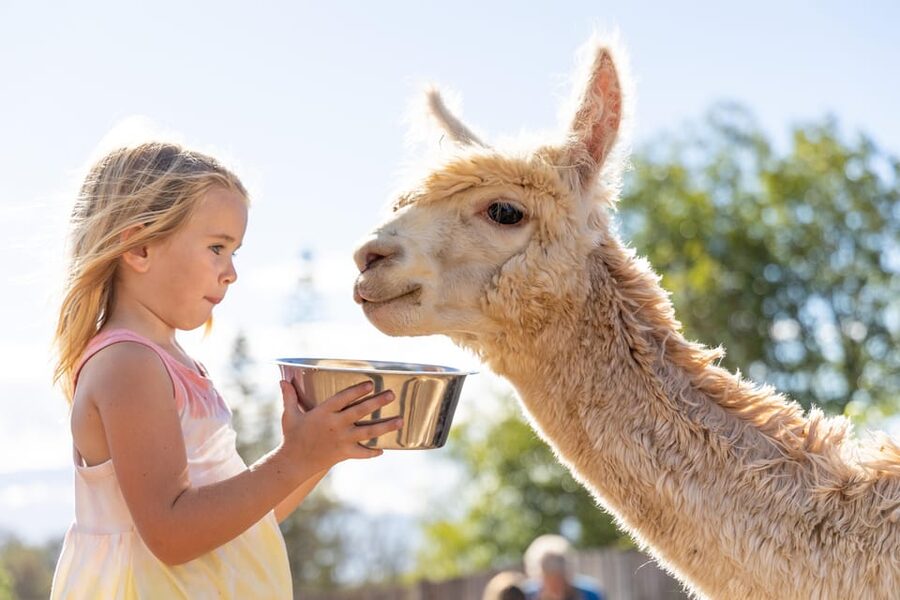
The best part of this Maui outing is the close contact with the animals. You can feed alpacas in their pasture, take your own photos, and then meet soft Angora bunnies in a dedicated village. It feels more personal than simply looking at animals from behind a fence.
I like the clear focus on fiber education and the old-fashioned spinning wheel demonstration. I also like the small group size, capped at 10 people, which gives children and adults a better chance to take part. The main drawback is the short one-hour duration. If you want a leisurely farm day, this will feel brief, and you must arrange your own transportation.
Key points
- Feed and photograph alpacas: Meet the animals in their pasture and take self-photos during the visit.
- See how fiber becomes yarn: Learn about alpaca fiber, its uses, and traditional spinning.
- Visit Angora Bunny Village: Pet and interact with soft Angora bunnies while learning about their care.
- Small-group setting: A maximum of 10 participants keeps the experience personal.
- Good for children: The hands-on animal activities make this a strong choice for families with younger kids.
- Upcountry setting: The farm sits on an eight-acre estate on the slopes of Haleakalā National Park.
Meeting Alpacas on the Slopes of Haleakalā
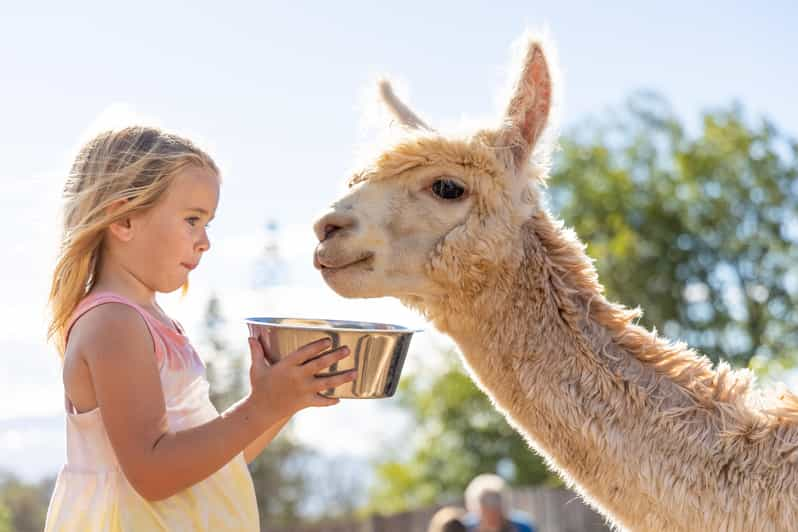
This experience gets right to the animals. You begin by meeting the alpacas in their pasture, where you can feed them and take photos at close range. For many people, that direct contact will be the main reason to book.
Alpacas are gentle-looking, curious animals, and the feeding activity gives you something to do instead of simply watching. Children can take part, and adults will likely appreciate the chance to make their own photos rather than relying on a guide to stage every moment.
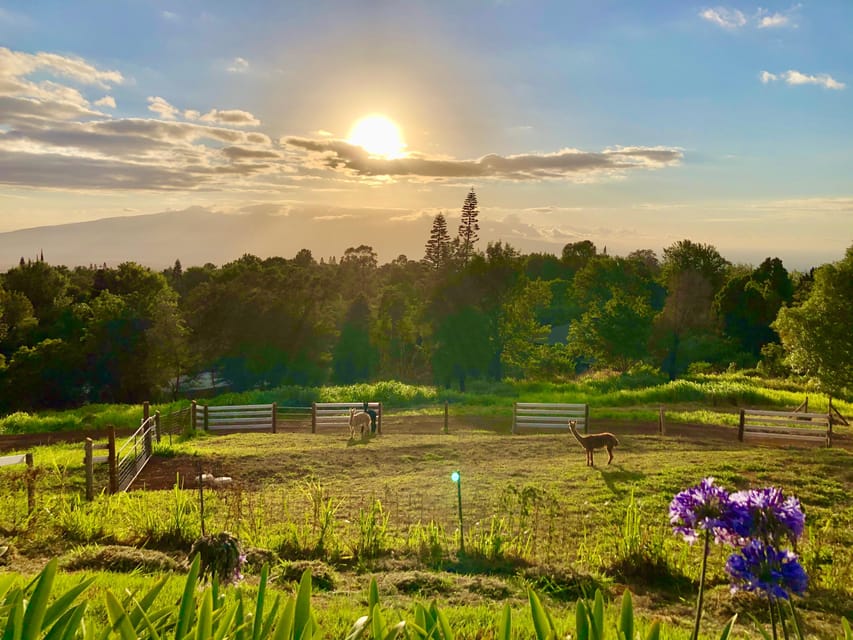
The setting adds to the appeal. You are visiting an eight-acre farm estate in Maui’s Upcountry, on the slopes of Haleakalā National Park. The activity does not promise a long nature walk or a broad farm tour, so think of the surroundings as a calm backdrop to the animal visit rather than the main event.
You should also keep the timing in mind. The full experience lasts one hour. That is enough time for a compact introduction to alpacas, fiber, spinning, and Angora bunnies, but it leaves little room for lingering if your group moves slowly.
More Alpaca and Llama Farms in the USA
- Alpaca and Llama Farm Tour
★ 5.0 · 446 reviews - Llama/Alpaca Hike and Farm Tour
★ 5.0 · 111 reviews - Guided Lilymoore Alpaca Farm Tour
★ 5.0 · 38 reviews
What Feeding the Alpacas Is Really Like
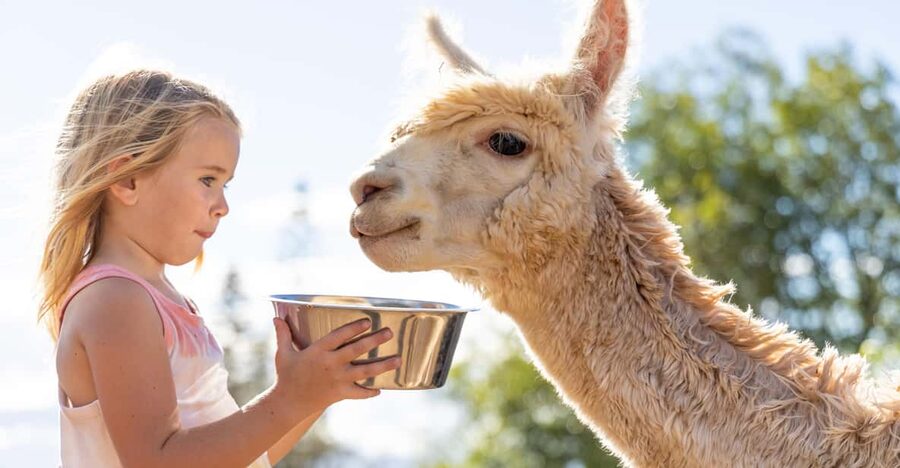
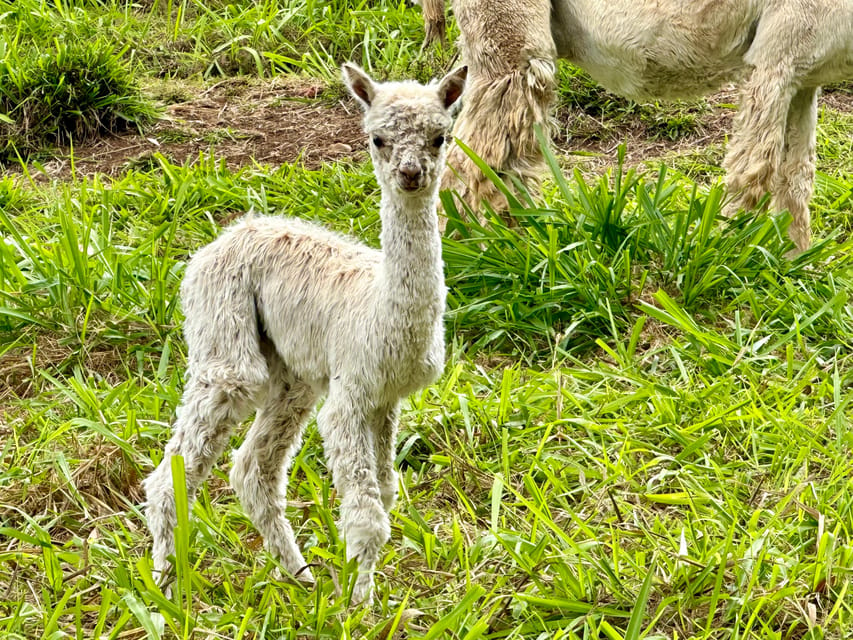
The first portion centers on feeding the alpacas. You are brought into the pasture experience and given the chance to interact with the animals directly. The attraction here is simple: you are not only hearing about alpacas, you are close enough to feed them and take self-portraits.
The photo opportunity matters, especially for families and couples planning a full day of Maui activities. You can capture a personal souvenir without treating the farm as a quick photo stop. The animals themselves provide the entertainment, and the activity is easy to understand even for younger children.
That said, animal behavior is never fully predictable. Some alpacas may be more interested in food than cameras, while others may be happy to approach. You should come ready for a natural encounter rather than a perfectly arranged photo session.
The farm is also a good choice for people who prefer a quieter animal experience. The group limit of 10 participants helps prevent the visit from feeling crowded, and a live English-speaking guide can explain what you are seeing as you go.
Understanding Alpaca Fiber Before the Spinning Demonstration
After meeting the alpacas, the visit shifts from animal contact to fiber education. You learn about different types of alpaca fiber and how they are used. This gives the experience more substance than a standard petting-farm visit.
I like this section because it connects the animals to a practical craft. Alpaca fiber is not just a soft material you feel once and forget. The guide explains how it is processed and why different fibers have different uses. That context helps you understand what makes alpaca farming distinct.
The spinning wheel demonstration is the most traditional part of the visit. You watch fiber being turned into yarn using a spinning wheel, an old craft that can be easy to miss in a modern shopping setting. The demonstration gives you a visible link between the animal, the raw fiber, and the finished material.
The presentation is also hands-on in spirit, although the listed activities specifically promise a demonstration rather than a full spinning workshop. If you are hoping to make your own yarn, you should not assume that is included. The value comes from seeing and understanding the process.
For children, this section gives the visit an educational edge without turning it into a classroom lecture. They can connect the soft animals in the pasture with the fiber used to make useful products. Adults who enjoy crafts, sustainable production, or traditional skills may find this part especially rewarding.
Angora Bunny Village Adds a Second Kind of Animal Encounter
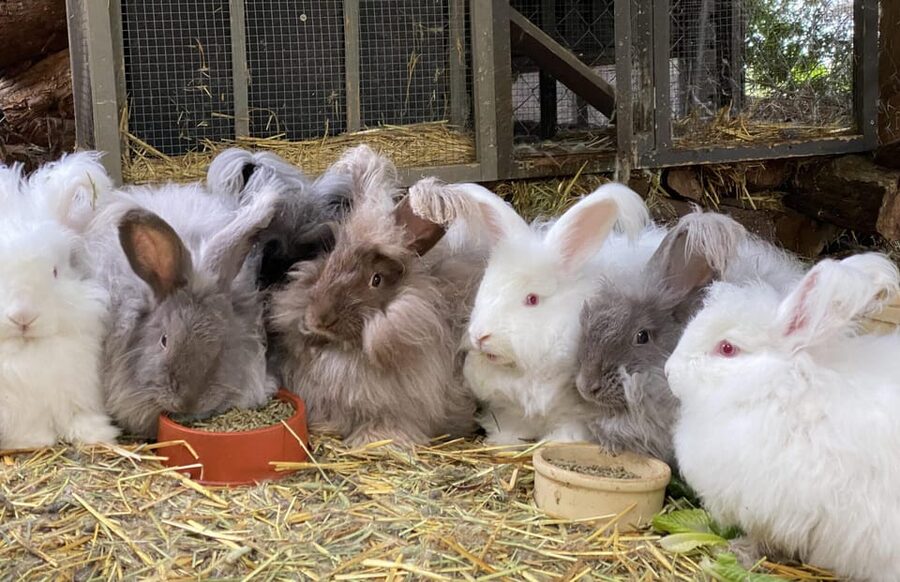
The visit continues at Angora Bunny Village, where you can interact with soft, fluffy Angora bunnies. This is a separate animal experience, not just a repeat of the alpaca visit.
The bunnies add variety to the hour. Alpacas are large and unusual, while Angora rabbits are small, soft, and easier for children to approach at close range. You learn about their care and the special qualities of their fiber, giving the second animal stop the same practical link between animals and textiles.
This part should appeal strongly to animal lovers. It is also useful for families with children who may be excited by alpacas but more comfortable holding or gently petting smaller animals. A five-star rating from nine published ratings, along with direct praise for the sweet alpacas and the family experience, supports the idea that the animal contact is the tour’s strongest feature.
Still, the one-hour schedule means the bunny visit will be concise. You get an introduction and interaction time, not an extended rabbit-care session. The experience works best when you want several short, focused activities rather than one long encounter with a single animal.
Same countryside, another kind of harvest:
- Maui Pineapple Farm Tour in Haliimaile
★ 5.0 · 2,855 reviews - Half-Day Thoroughbred Horse Farm Tour in Kentucky
★ 5.0 · 1,924 reviews - Oahu: Kualoa Ranch Movie Sites and Ranch Tour
★ 4.5 · 1,655 reviews - Oahu: Kualoa Ranch UTV Raptor Tour
★ 4.5 · 1,569 reviews
Why the Small Group Size Matters
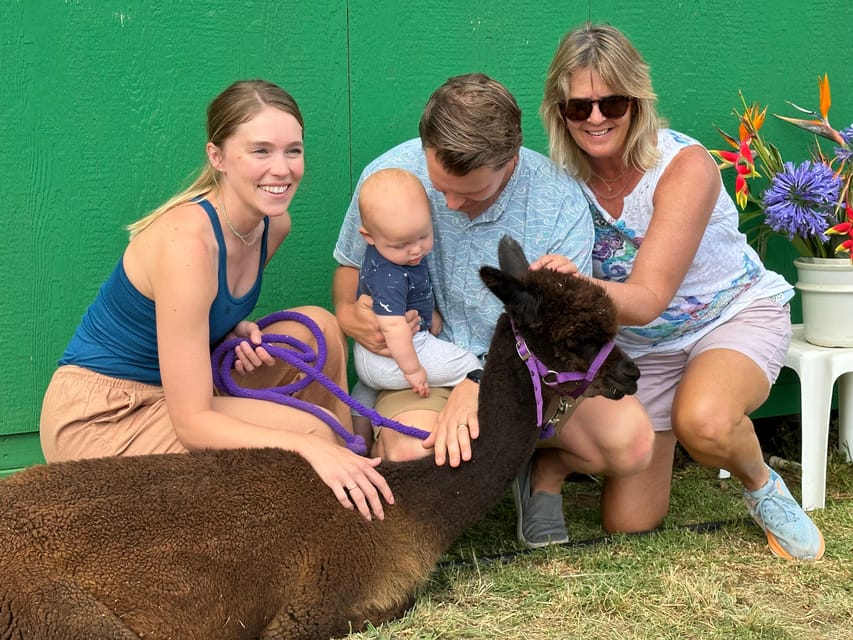
The group is limited to 10 participants. That is a useful detail, not just a booking footnote.
With fewer people around the animals, you have a better chance to hear the guide, ask questions, feed the alpacas, and get a clear look at the spinning demonstration. Children are less likely to be pushed to the back, and adults have more room to take photos without turning the visit into a crowded line.
The guide leads the experience in English. Erin is named as a guide on some visits, and one family specifically praised her fun approach with younger children. The guide’s role matters here because the tour combines animal handling with explanations about fiber and care.
The other guide feedback points to friendly, passionate instruction. That is important for a one-hour visit. A short tour depends on good pacing, and the guide needs to move the group along without making the activities feel rushed.
Because the group is small, this may also work well for couples or adults who want something more engaging than a conventional sightseeing stop. You are not required to have children to enjoy the animals or the fiber demonstration.
Is $79 a Fair Price for One Hour?
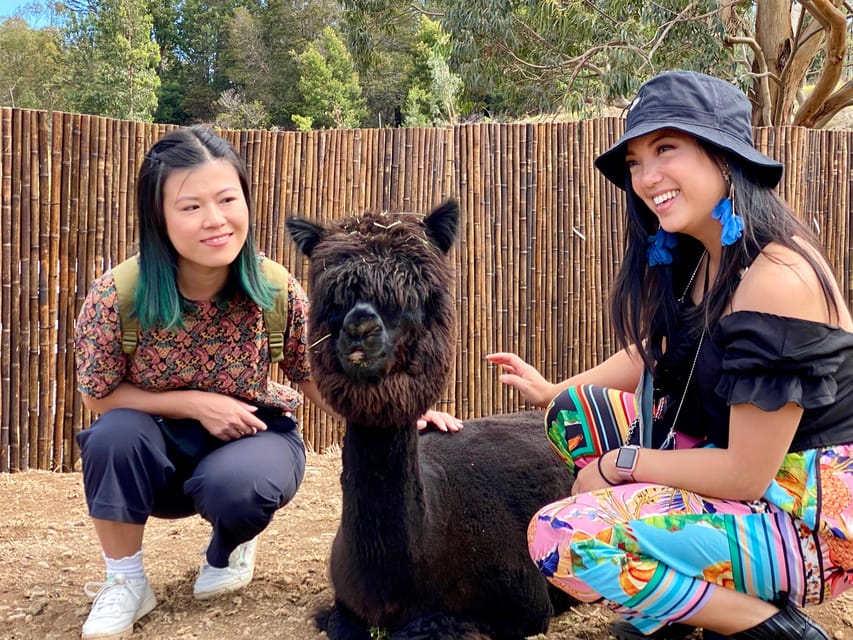
At $79 per person, this is not a bargain if you measure value by time alone. One hour is short, and transportation, food, and drinks are not included. If you are comparing activities strictly by duration, the price may give you pause.
The value improves if you care about direct animal contact and guided interpretation. The cost covers alpaca feeding, photo opportunities, fiber education, a spinning wheel demonstration, and the Angora Bunny Village. You are paying for a small-group experience with several distinct parts, not merely admission to walk around a farm.
I would see it as a specialized add-on to an Upcountry day. It can fit well for families, couples, animal lovers, and people interested in handmade fiber. The experience is less appealing if you want a long scenic excursion, a meal, or a full-day farm visit.
The strongest case for the price is the combination of access and instruction. You get close to animals, then learn what happens to their fiber. The activity has a clear beginning, middle, and end, which makes the hour feel purposeful.
A small gift shop is also available, with items for children and adults. It is not included in the ticket, and you do not need to shop to enjoy the visit, but it gives you a chance to take home a fiber-themed souvenir after the tour.
Getting There and Fitting It Into Your Maui Day
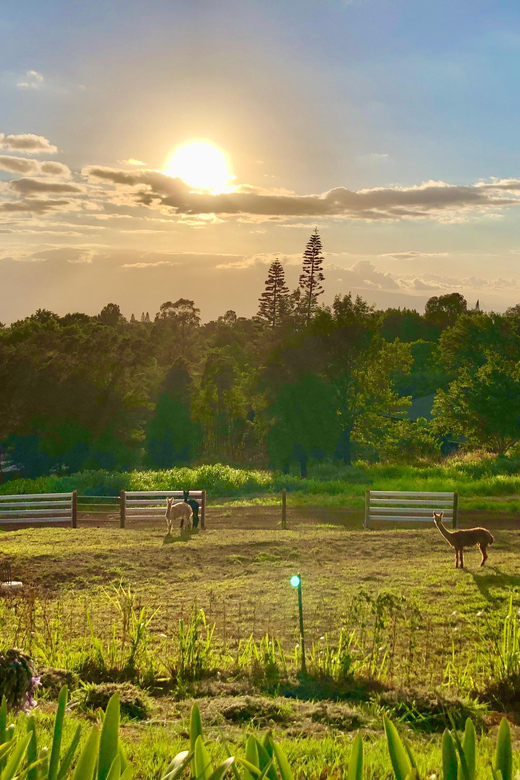
You must arrange your own transportation to the farm. That makes this activity easiest for people who already have a rental car or another way to reach Maui’s Upcountry.
The directions have been described as easy to follow, which is helpful, but the activity information does not include transport from hotels or another pickup service. Do not book it assuming a shuttle will collect you.
The farm’s location on the slopes of Haleakalā National Park makes it a natural match for other Upcountry plans. Still, you should check the available starting times before building your day around it. The tour lasts one hour, but your total outing will also include the drive to and from the estate.
Food and drinks are not included. Plan this as a stand-alone activity or combine it with a separate meal stop. The farm visit itself is focused on animals, fiber, and the surrounding aina, the Hawaiian word for land and place.
The tour closes back at the farm. Its final message is about the calming effect of animals and nature, and that fits the tone of the experience. You leave with a short, gentle break from busier sightseeing rather than a major adventure.
Who Will Enjoy This Farm Visit Most?
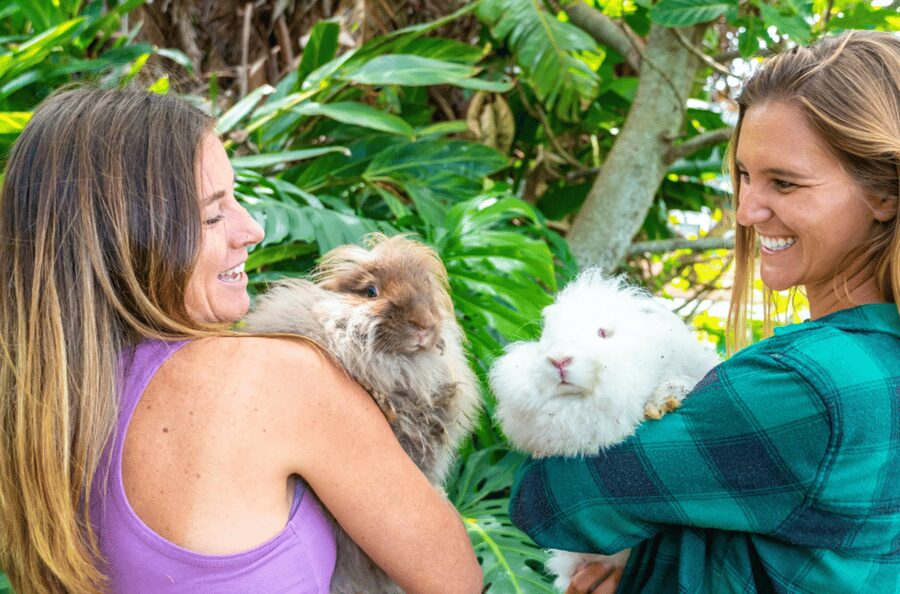
Families with younger children are the clearest match. Feeding, petting, photographing, and seeing the bunnies gives children several ways to take part. The guide’s playful approach, including Erin’s work with families, is another reason this suits a younger audience.
Couples can also enjoy it as a light, unusual activity. The alpaca photos offer a memorable shared moment, while the small group keeps the visit from feeling impersonal.
Animal lovers and craft enthusiasts should pay attention to the fiber portion. If you want to know how alpaca and Angora fibers are used, the spinning wheel demonstration adds meaningful context.
This is less suitable for someone seeking a large farm, a long walk, or a broad Haleakalā sightseeing tour. It is also not the best fit if you dislike scheduled group activities or want to spend hours moving at your own pace.
The short duration can be a strength for families with limited patience. You get several activities without committing half a day. On the other hand, serious fiber artists may want more technical instruction than this introductory format provides.
Practical Booking Advice
The activity costs $79 per person, and you can reserve now while paying later, which helps if your Maui schedule is still shifting. Free cancellation is available up to 24 hours in advance for a full refund.
Check starting times before booking because the visit is only offered at set times. Arrive ready for animal contact and photography, but do not count on food, drinks, or transportation being part of the package.
The tour has a perfect 5 rating from nine published ratings. The strongest praise centers on the sweet alpacas, friendly guides, clear explanations, and value for families with children. That pattern matches the structure of the experience: it is warm, personal, and easy to follow.
Should You Book the Maui Alpaca Farm Visit?
Book this if you want a short, hands-on animal experience in Maui’s Upcountry. The combination of alpaca feeding, fiber education, spinning, and Angora bunnies gives you more than a simple photo stop.
I would especially recommend it to families with younger children, couples looking for an unusual outing, and anyone curious about natural fibers. The small group and guide-led format make the hour feel personal.
Skip it if you need transportation included, want a longer farm visit, or consider $79 too much for a one-hour activity. For the right audience, though, the direct animal contact and thoughtful fiber lesson make this a pleasant and distinctive addition to a Maui day.
FAQ
Where is the alpaca farm located?
The farm is an eight-acre estate on the slopes of Haleakalā National Park in Maui’s Upcountry.
How long does the experience last?
The activity lasts one hour.
How much does the experience cost?
The listed price is $79 per person.
What animals will I meet?
You will meet alpacas in their pasture and Angora bunnies in the Angora Bunny Village.
Can I feed the alpacas?
Yes. Alpaca feeding is included, along with the chance to take photos with the animals.
Is the spinning wheel demonstration included?
Yes. The experience includes a traditional spinning wheel demonstration and education about alpaca fiber and its uses.
Is transportation included?
No. You must arrange your own transportation to the farm.
Is food or drink included?
No. Food and drinks are not included.
What language is the tour offered in?
The live guided tour is offered in English.
Newly listed farm visits around the USA
- Gourmet Mushroom Farm Tour in Tennessee★ 5.0 · 5 reviews
- Cozy Farm Experience with Wagon Wheels and Acoustic Meal★ 5.0 · 2 reviews
- Farms, Flights: Finger Lakes Brewery Tour★ 4.5 · 25 reviews
- Scenic Scottsdale E-Bike Tour – 2 Hours★ 5.0 · 47 reviews
- Wine Country Farm to Table Bike Tour w/Lunch★ 5.0 · 31 reviews
- Santa Fe Farmers Market & Railyard Food Tour★ 5.0 · 2 reviews
- Mere Point Oyster Farm Tour★ 5.0 · 2 reviews
- The Hood-Columbia Loop: Timberline, Orchards, and Waterfalls★ 5.0 · 12 reviews
Alpaca and Llama Farms, compared.
Alpaca and Llama Farm Tour w/ Transfer & Weaving Demo
Read our review →
PRIVATE Alpaca Guided Forest Walk + Feeding Helsinki
Read our review →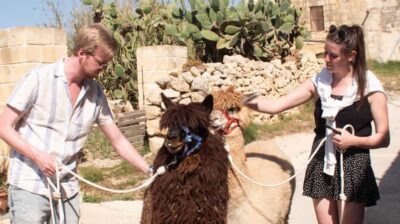
Browse the lists this tour appears in