
Review · KENYA
Nairobi: Coffee farm tour with pick up
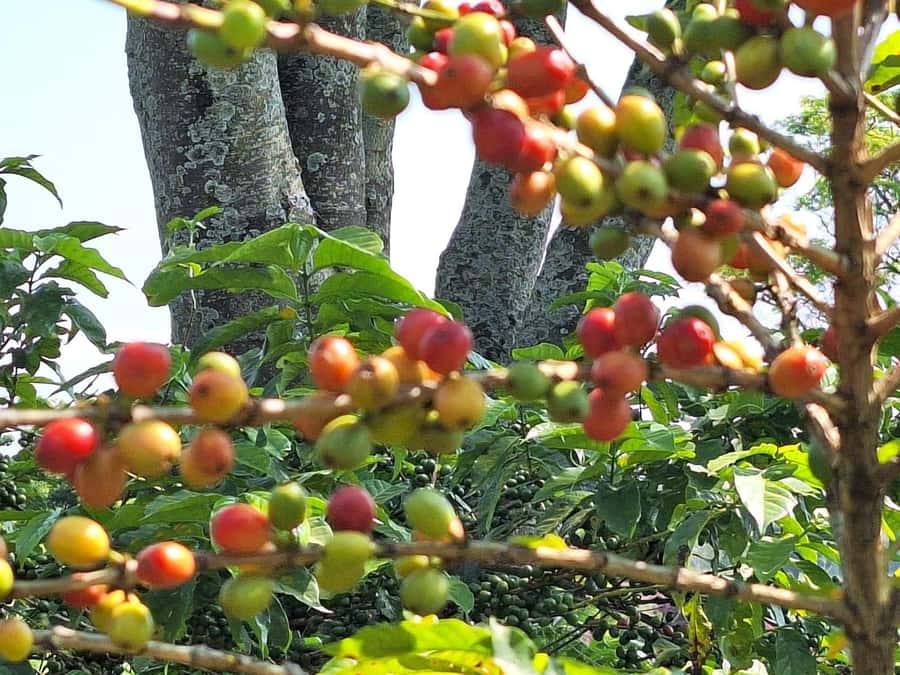
Kenyan coffee makes more sense once you see the red berries on the plant, follow the beans through the factory, and taste the finished drink. At Fairview Estate, I like the farm-to-cup route and the chance to sip coffee while looking across the estate’s hills and greenery.
I also like that guides such as Hortensia and Douglas have earned praise for making the visit friendly and clear. The main caution is the cost: the advertised $36 price does not appear to include the $35 farm tour fee, so confirm the full amount before you commit.
Key points to know
- Fairview Estate gives you the full coffee chain: You walk through the fields, see processing, and finish with tasting and fresh coffee.
- The factory visit is practical rather than decorative: You see sorting, roasting, and grinding equipment in use.
- Hortensia is a highly praised farm guide: Expect an interactive walk with room for questions and a little humor.
- Pickup and drop-off are included from a Nairobi location: This is useful for a first day in the city, but punctuality has not always been reliable.
- The half-day pace suits curious coffee drinkers: You get a focused introduction without giving up your entire day.
- Check the final bill carefully: A separate farm fee is listed, and past bookings have involved extra payment.
A coffee farm close to Nairobi
Fairview Estate offers a useful change of pace from Nairobi’s roads and buildings. Instead of hearing about Kenyan coffee only in a café, you can see the crop growing, watch the beans being prepared, and taste the result in the same setting.
The experience is built around a simple idea: coffee is an agricultural product before it becomes a morning habit. A guide leads you through the plantation and explains how the beans are grown with attention to environmental care. The tour description uses the phrase giant beans plantation, but you should picture coffee bushes and cultivated fields, not enormous beans.
For me, the appeal is the chain of steps. Each stop answers a different question. Where does coffee grow? What happens after picking? Why do Kenyan coffees taste bright or fruity? How does roasting change the bean? You get a useful answer to each one.
The estate also gives you a scenic place to pause. After the working parts of the tour, you can sit on the patio with a fresh cup and look over hills and greenery. That quiet break helps keep the visit from feeling like a fast factory inspection.
More Coffee Farm Tours in Kenya
- Nairobi Coffee Farm and Factory Tour
★ 5.0 · 87 reviews - Coffee Farm Tour (Fairview)
★ 4.8 · 71 reviews - Nairobi: Coffee Factory and Farm Tour with Transfer
★ 4.5 · 60 reviews
Starting at 9:00 AM with Nairobi pickup
The day is scheduled to begin with pickup at about 9:00 AM from your Nairobi location. Having transport arranged is a real convenience. You do not need to work out a separate taxi ride to Fairview Estate, and drop-off is included at the end.
That convenience comes with one important warning. One booking involved a driver arriving 45 minutes late, with no clear update, and the farm had to be called so the group could wait. Another booking missed the first 20 minutes because of a late pickup. Those delays may be unusual, but they matter because a half-day tour has little spare time.
I would confirm your pickup time and meeting place the day before. Keep your phone available in the morning, and ask for direct contact details for the driver or operator. If timing is critical, such as a flight, train, or another paid activity later that day, leave plenty of room.
The driving itself is not the main event. The value of the transport is that it connects you with the estate without forcing you to arrange each part yourself. Douglas has been praised as a safe driver who waited patiently when the tour ran over, which is exactly the sort of support you want on a day built around several moving parts.
Walking through Fairview’s coffee fields
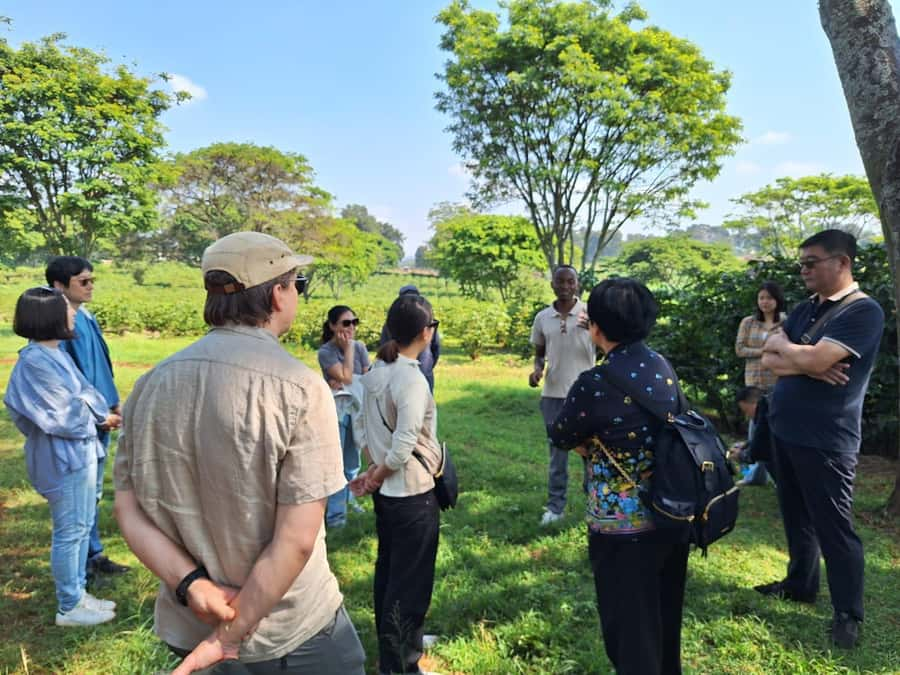
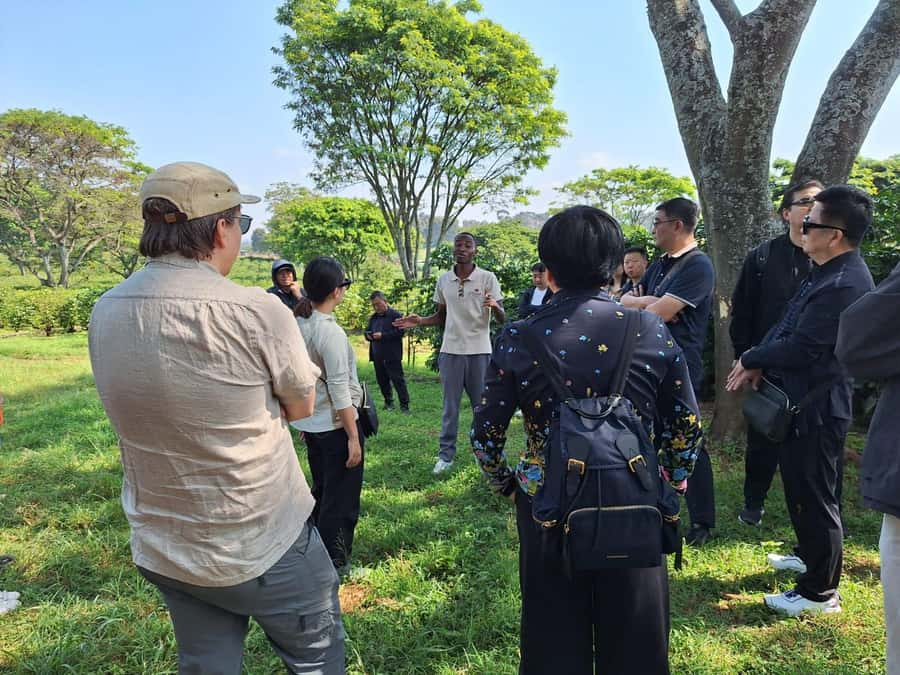
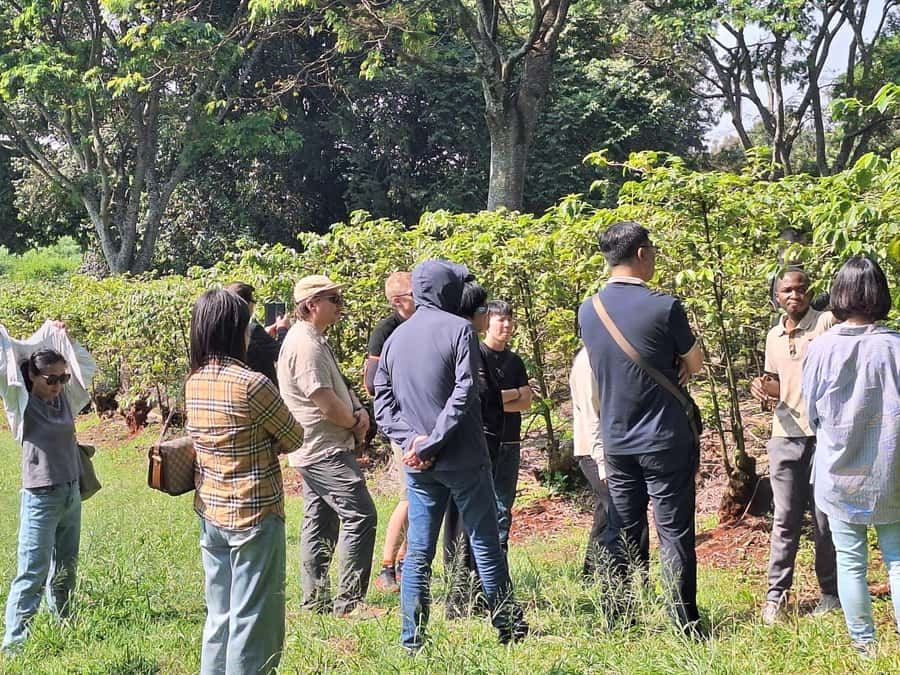
The farm walk is the foundation of the visit. A professional agronomist or farm guide explains how coffee is grown and how farming methods can protect the environment. You are not just looking at rows of plants. You are learning why cultivation, care, and processing all affect the cup.
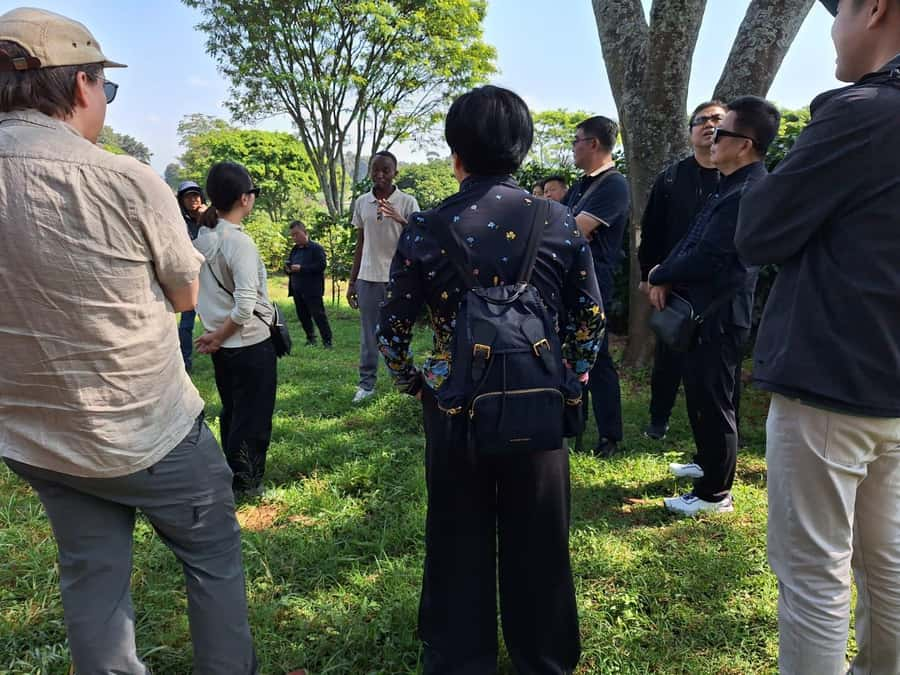
Hortensia is the guide to look out for. She has been singled out for her clear explanations, good humor, and interaction with each person on the walk. That last point matters. A farm tour can become a lecture if the guide simply recites facts. An interactive approach gives you a better chance to ask about the plants, farming methods, and the path from crop to bean.
The tour is described as leisurely, which suits the setting. You can take in the plants and the estate without being rushed from one stop to the next. Wear comfortable shoes because this is a walking visit through cultivated fields. The supplied information does not specify the walking distance or the exact terrain, so anyone with mobility concerns should ask the operator for current details before booking.
The farming section is especially useful for people who normally buy coffee without thinking about its source. You begin to see why growing conditions, careful handling, and processing choices can shape a final flavor. It also adds some substance to the environmental claims, since you can discuss farming practices while standing among the plants.
Inside the processing and roasting center
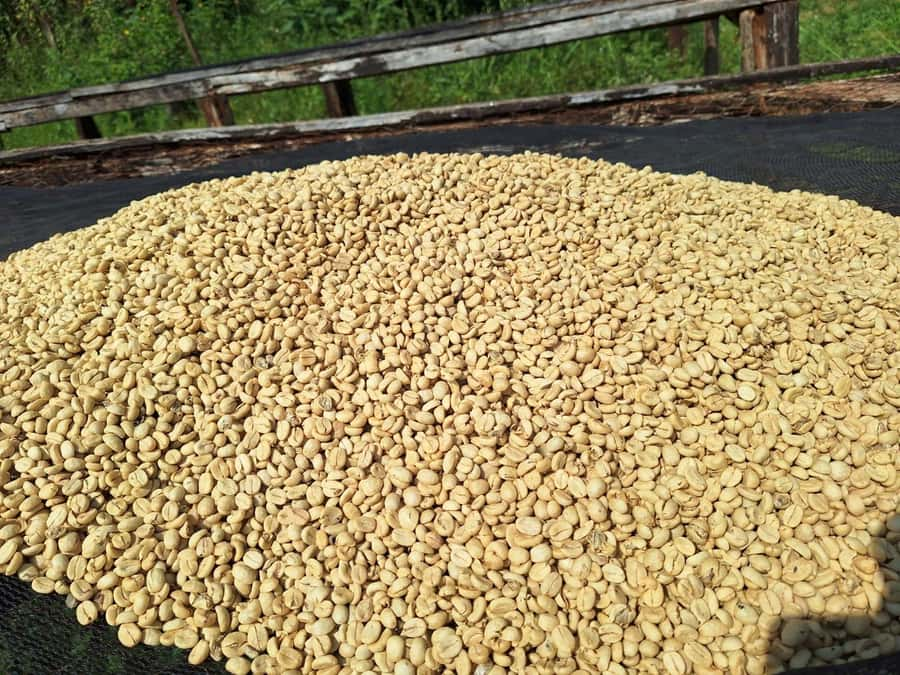
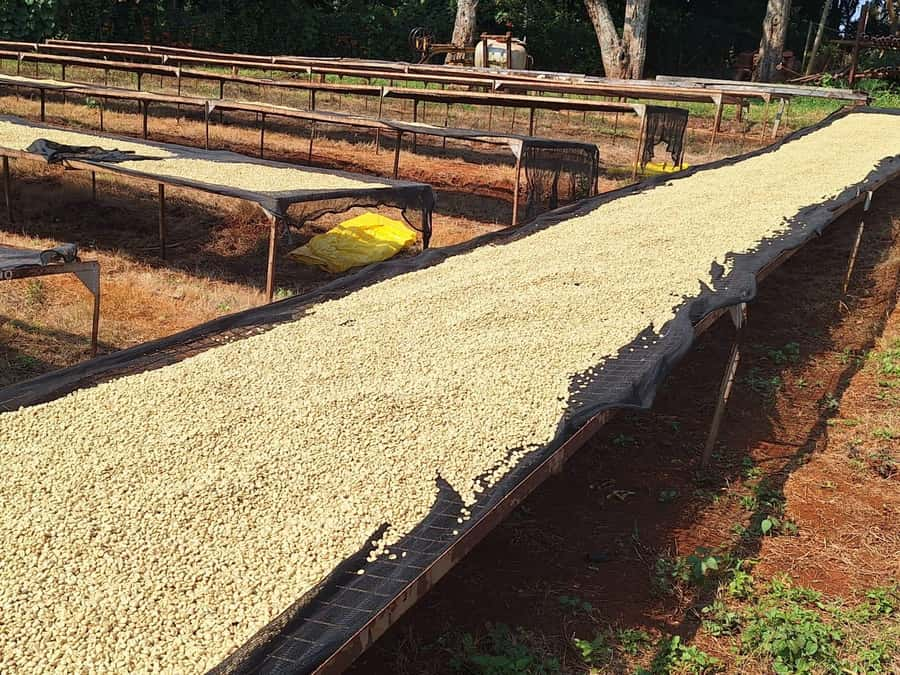
After the farm, the tour moves to an ultra-modern processing center. Here you follow the beans through the working stages, including sorting, roasting, and grinding. The machinery gives you something concrete to look at while the guide explains the more technical parts of coffee production.
Sorting is important because the beans need to be handled according to quality and condition. Roasting then changes the green beans into the brown coffee most of us recognize. Grinding prepares them for brewing. Seeing those stages in order makes it easier to understand why coffee can taste different even when it comes from the same broad region.
The factory is presented as using modern equipment and methods associated with specialty coffee. The description also compares its standards with Latin American quality, but I would treat that as a general description of production standards rather than a promise that the coffee tastes like coffee from Latin America. Kenyan coffee has its own character, and the tasting is where you can judge that for yourself.
Do not expect a full technical training course. This is a guided introduction, not a professional roasting class. Still, the factory section adds value because it shows the work behind the drink in your cup. If you are curious about how coffee is sorted and roasted, this is more useful than a simple plantation photo stop.
Same countryside, another kind of harvest:
- Nairobi to Kiambethu Tea Farm Tour
★ 5.0 · 51 reviews - Coffee Farm Village & Factory Half Day Tour with Pick-Up
★ 5.0 · 33 reviews - Private Day Trip to Kiambethu Tea Farm in Limuru from Nairobi
★ 5.0 · 31 reviews - Nairobi: Guided Coffee Farm Tour with Tastings
★ 5.0 · 24 reviews
Tasting Kenyan coffee by flavor
The tasting session is where the information becomes personal. The guides introduce Kenyan coffee and point out possible citrus, berry, and chocolate notes. You can compare those descriptions with what you actually taste rather than treating them as fixed rules.
Coffee tasting language can sound fussy, but it need not be. Citrus may suggest a bright or sharp quality. Berry can point toward a fruit-like aroma or flavor. Chocolate often describes a smoother, deeper note. You may notice some of these qualities clearly, while others may be subtle. The point is to pay attention and learn how coffee is described.
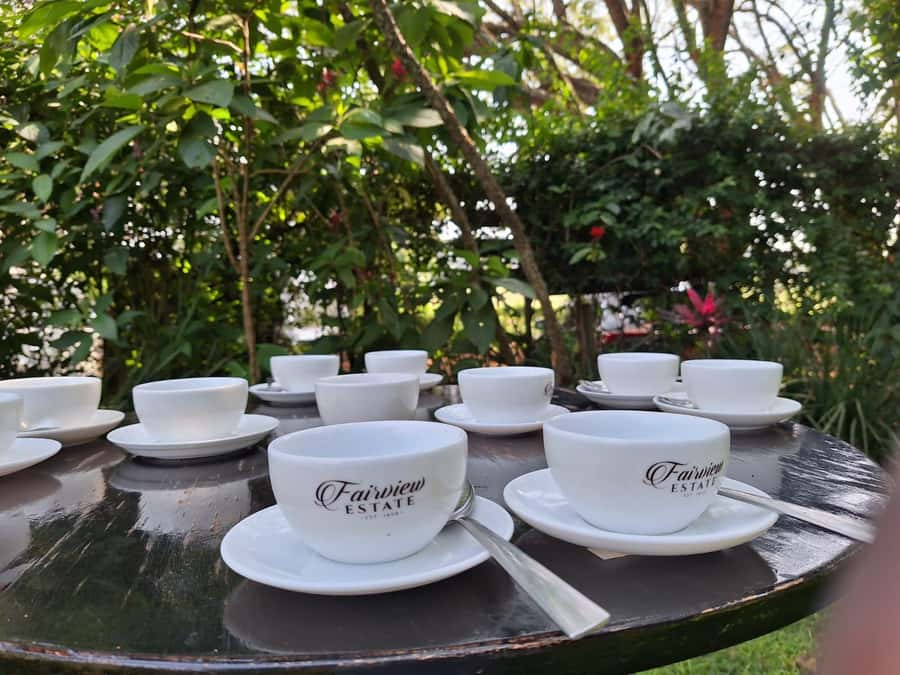
A freshly brewed cup is included, along with bottled mineral water. You also get time to enjoy coffee on the estate patio, where the view adds a pleasant pause after the farm and factory sections. This is a good moment to ask the guide how roasting affects acidity, aroma, or body.
I would not book this solely for a large tasting flight. The information provided promises a guided tasting and a coffee drink, not a long series of separate brews. If you want an introduction to Kenyan coffee in a relaxed setting, it should fit. If you are looking for a formal cupping session with many samples and detailed scoring, ask what the current tasting includes.
A quiet patio with hills and greenery
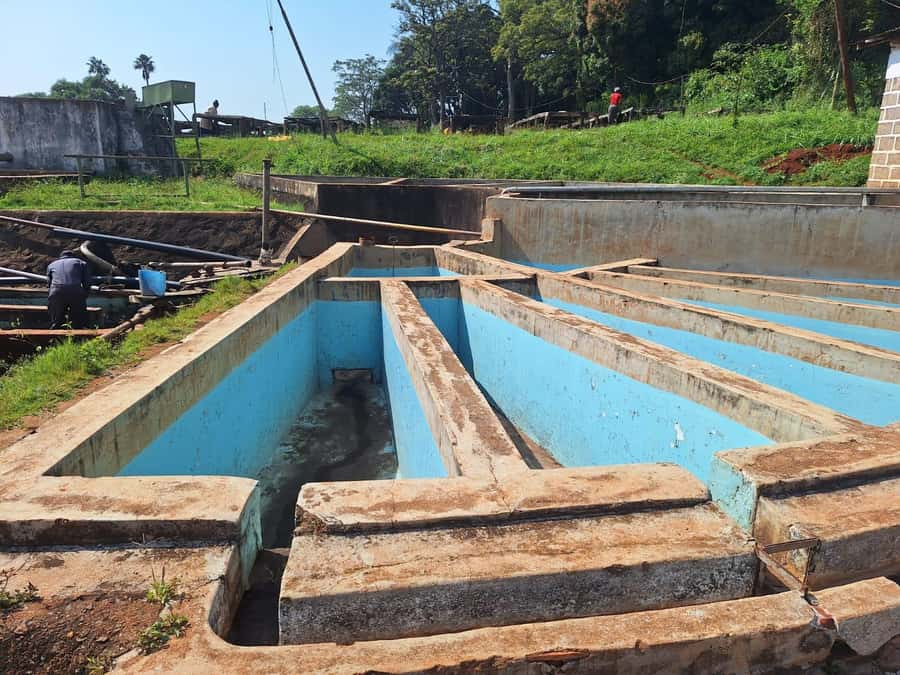
The patio break gives the tour a gentler rhythm. You have spent time walking and listening, then you can sit down with coffee and look over the estate. The views are described as hills and roaming greenery, so the setting offers more than machinery and farm explanations.
This is one of the better reasons to keep the visit at a half-day pace. You get a sense of place without needing a full-day excursion. The scenery also makes the coffee feel connected to its source, rather than something produced behind closed doors and presented in a cup.
The patio is not advertised as a restaurant stop, and lunch is not included. Plan to eat separately if you need a full meal. The operator specifically lists lunch as an extra, so do not assume the coffee break will cover it.
The shop and what you can take home
The on-site shop sells coffee products and locally made merchandise. This is a handy final stop if you want a practical souvenir rather than a generic Nairobi memento. Coffee is easy to pack, easy to use, and tied directly to the place you visited.
The information does not list exact products, prices, or shipping options. You might find roasted coffee and other coffee-related goods, but check what is available on the day. If you are buying coffee as a gift, ask about roast date, grind options, and storage advice before paying.
Shopping is optional, so it does not weaken the tour if you are not interested. For coffee fans, though, it gives the day a natural ending: see the crop, learn the process, taste the brew, then decide if you want to take some home.
What the $36 price really means
The advertised price is $36 per person, with pickup and drop-off from your Nairobi location, a live English-speaking guide, a coffee drink, and bottled water included. On paper, that can be a fair price for a guided farm visit with transport.
The key issue is the separate farm fee. The details list farm tour fees at $35, which is almost the same as the advertised tour price. One booking also involved an additional $30 payment on top of a $60 tour cost. Because those figures do not line up neatly, you should ask for the exact total before booking.
A useful question is: does the $36 cover transport and guiding only, with the $35 farm entry paid separately? The supplied information suggests that may be the case, but it does not explain the billing clearly. Get the answer in writing if possible.
If the final cost is $71 per person before lunch, the value depends on what you want. That price may make sense if you value private or arranged transport, a guided farm walk, factory access, tasting, and the convenience of returning to your Nairobi address. It is less attractive if you are happy to reach Fairview Estate independently and join the farm tour on arrival.
This is the single biggest booking concern. The farm experience itself has received very strong praise, but poor pickup communication can turn a pleasant half-day into a frustrating one. Price clarity and reliable transport are not minor details here. They determine whether the package feels convenient or overpriced.
Who will enjoy this half-day visit
I would recommend the experience to you if you:
- Like coffee and want to understand how it is grown and processed.
- Prefer a guided introduction to arranging each part of a visit yourself.
- Want a manageable outing from Nairobi rather than a long day trip.
- Enjoy a mix of outdoor walking, machinery, tasting, and scenery.
- Are beginning a Kenya trip and want a gentle first-day activity.
It also suits couples, small groups, and solo visitors who prefer an organized day. The English-language guiding and included transport keep the plan simple.
I would be more cautious if you have a strict schedule, dislike uncertainty about extra charges, or want an advanced coffee course. The experience is educational and enjoyable, but it is not described as a professional barista lesson or a full meal outing.
Practical ways to improve your day
Confirm three things before setting off: the exact pickup time, the full price including the farm fee, and what the tasting includes. These checks address the main weak spots without taking much effort.
Bring comfortable walking shoes and enough time for a farm visit rather than treating this as a quick photo stop. You will get more from the day if you listen to the growing and processing explanations, then use the tasting to connect those details with flavor.
Keep some budget for lunch and the shop. Lunch is not included, and shop prices are not provided. If you are buying coffee, ask whether it is whole bean or ground and how recently it was roasted.
The cancellation policy is generous enough for flexible planning: you can cancel up to 24 hours ahead for a full refund, and you can reserve now and pay later. Those terms help, but they do not replace checking the unexpected fee.
Should you book the Fairview Estate tour?
Book it if the full cost is clearly explained and you want a relaxed, guided introduction to Kenyan coffee with transport from Nairobi. The farm walk, modern processing center, tasting, patio coffee, and shop create a well-rounded half-day, and Hortensia’s engaging style could make the visit especially enjoyable.
I would not book it blindly at the advertised price. Ask about the $35 farm fee first, confirm who is driving you, and make sure the pickup plan is clear. If the final amount feels too high, arranging your own ride and joining the farm visit separately may offer better value, though you would give up the convenience of an organized pickup and drop-off.
FAQ
Where does the coffee farm tour take place?
The tour takes place at Fairview Estate in central Kenya, near Nairobi.
What time does pickup begin?
Pickup is scheduled for 9:00 AM from your location in Nairobi.
Is transportation included?
Yes. Pickup and drop-off from a Nairobi location are included in the experience.
What language is the tour conducted in?
The tour is conducted in English.
Is coffee included?
Yes. A coffee drink and bottled mineral water are included.
Is lunch included?
No. Lunch is not included, and you should budget separately for it.
Is the farm entrance fee included in the $36 price?
The details list a separate $35 farm tour fee, so you should confirm the exact total with United Safari Tours before booking.
Newly listed farm visits around Kenya
- Purple Tea Farm Tour from Nairobi City – Specialty Tea Tasting★ 4.5 · 12 reviews
- Private Half-Day Tour in Fairview Coffee Farm from Nairobi★ 5.0 · 13 reviews
- Riara tea farm tour with lunch and tea tasting from Nairobi★ 5.0 · 3 reviews
- Tea Farm Experience at Riara Tea Farm And Factory Tour★ 5.0 · 11 reviews
- Fairview Estate Coffee Farm Tour With Pick up★ 5.0 · 2 reviews
- Kiambethu Tea Farm Tour & Lunch From Nairobi★ 5.0 · 7 reviews
- Coffee Farm Half-Day Tour in Kenya★ 3.0 · 2 reviews
- Excursion to Kiambethu Tea Farm★ 5.0 · 6 reviews
Coffee Farm Tours, compared.
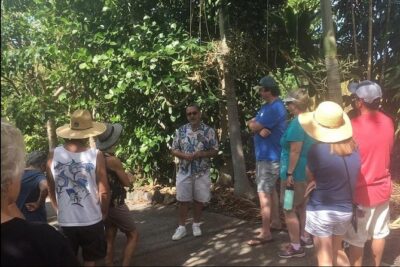
Award Winning Farm Tour: Coffee, Chocolate and Unique Gifts
Read our review →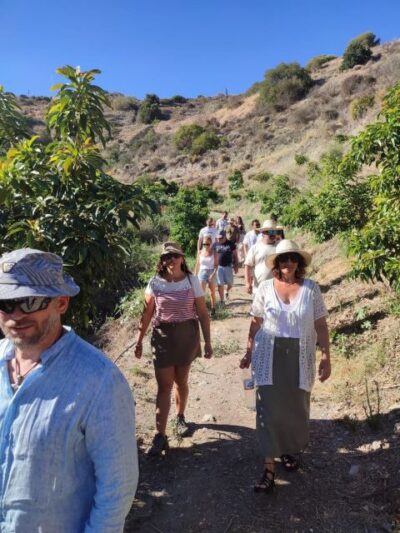
La Herradura Coffee Farm: tour in Europe’s only plantation
Read our review →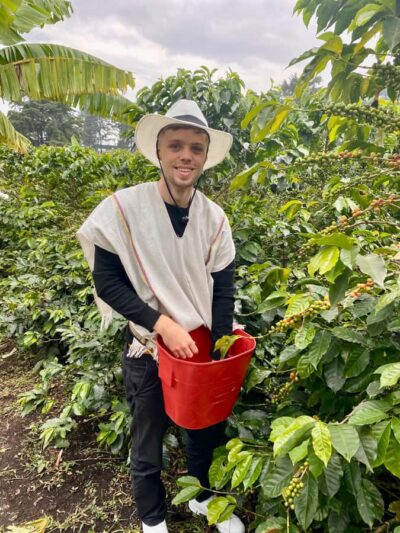
Medellín Coffee Farm Tour with Trolley and Cable Car Ride
Read our review →
Liamuiga Natural Farm Tour – St.Kitts’ Coffee Farm
Read our review →
Horseback Riding Coffee Farm Tour with Coffee Spa
Read our review →
From Bogotá: Coffee Farm and Tequendama Falls Tour
Read our review →
Coffee Farm Tour with Roasting & Tasting Workshop – Da Lat
Read our review →Browse the lists this tour appears in