
Review · BIG ISLAND
Big Island Farms Tour in Hawaii
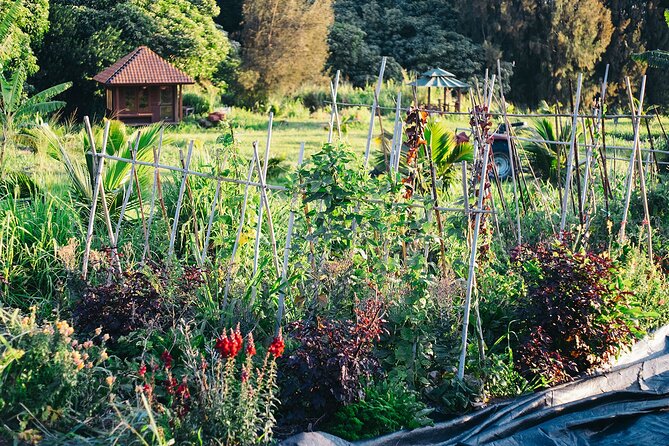
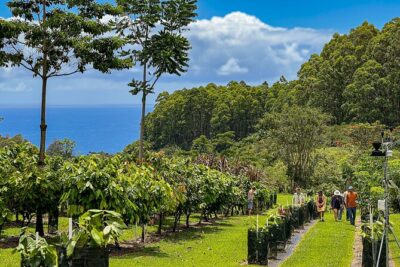
The most interesting part of this Big Island farm tour is that you do not simply look at plants from a path. You taste fruit straight from the trees and sample leaves with very different smells and flavors, including curry leaves, cranberry hibiscus, and neem. Regenerative farming becomes something you can see, smell, and chew.
I like the small maximum of 10 people, which should make it easier to ask questions and keep children involved. I also like the mix of food, farming, and plant uses, including information about local plants and their possible medical benefits. The main consideration is the short one-hour format: you get a lively introduction, not a full farm work session, and a moderate level of fitness is expected.
Key points to know before you book
- Taste plants directly from the farm: Expect fresh tropical fruit and samples of leaves such as curry, cranberry hibiscus, and neem.
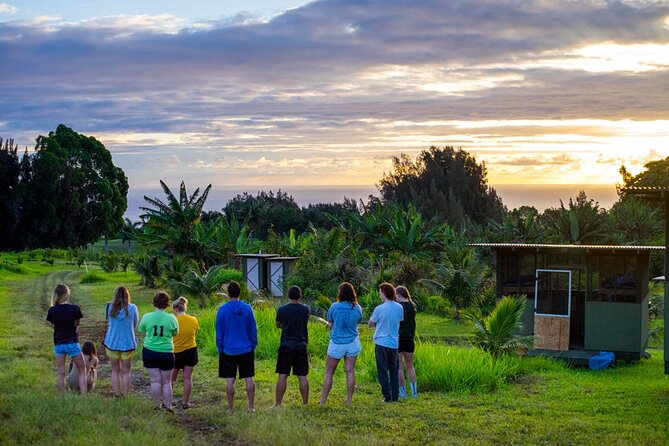
- Small-group setting: The tour accepts no more than 10 people, giving the guide room to interact with your family.
- Built for mixed ages: Spot quizzes and hands-on sampling help keep both children and adults involved.
- Meet at the farm store: The tour starts and ends at 47-4667 Honokaa-Waipio Road in Honokaa.
- More than a food stop: You’ll learn about regenerative design, farming, and some traditional or practical plant uses.
- Plan around the weather: Poor weather can lead to a new date or a full refund, and free cancellation is available up to 24 hours before the start.
A farm tour with something to taste at every turn
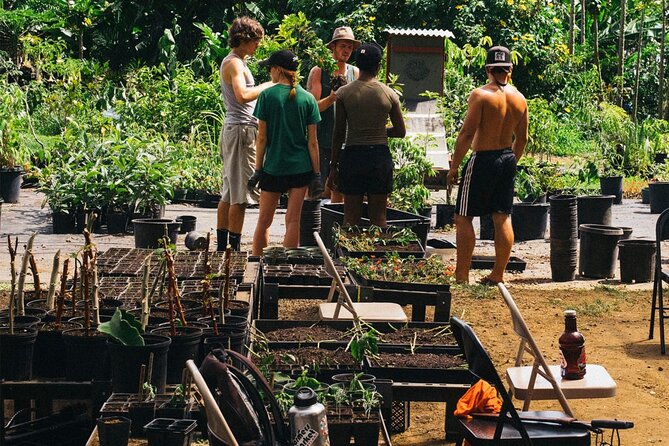
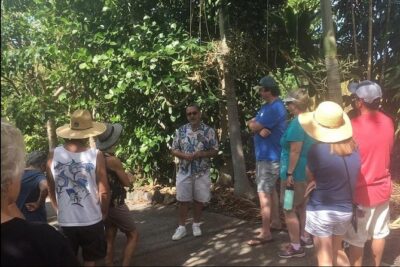
Many farm tours ask you to admire rows of crops while a guide explains what you are seeing. This one uses your senses more directly. You may be handed a piece of tropical fruit, a leaf, or another plant sample, then asked to notice its smell, texture, or taste.
That approach works well on a one-hour outing. Instead of trying to cover a huge amount of ground, the guide can focus on a selection of plants and explain how they fit into the farm’s design. The experience is educational, but it is not classroom-heavy. You learn by looking, smelling, tasting, and answering occasional questions.
The farm is in the Honokaa area, at 47-4667 Honokaa-Waipio Road. You meet at the farm store, which gives you a clear starting point rather than requiring you to search for a trailhead or field entrance. The tour returns to that same meeting point, so you do not need to arrange a separate pickup at the end.
The tour is offered in English and uses a mobile ticket. Confirmation is provided at booking. Those details make it easy to fit into a day of exploring the northern part of the Big Island, especially if you prefer a short activity rather than a half-day commitment.
More farm tours around Big Island:
- Hawaiian Salt Farm Tour in Kona
★ 5.0 · 767 reviews - Award Winning Farm Tour: Coffee, Chocolate and Unique Gifts
★ 5.0 · 484 reviews - Small-Group Big Island Tour: Hawaii Volcanoes National Park and Kona Coffee Farm
★ 5.0 · 343 reviews
What you actually do during the one-hour walk
The experience begins with an introduction to regenerative design concepts. In plain terms, the guide explains how the farm works with natural systems and how different plants fit into that plan. The supplied information does not give a detailed map or a fixed list of stops, so the exact order may vary.
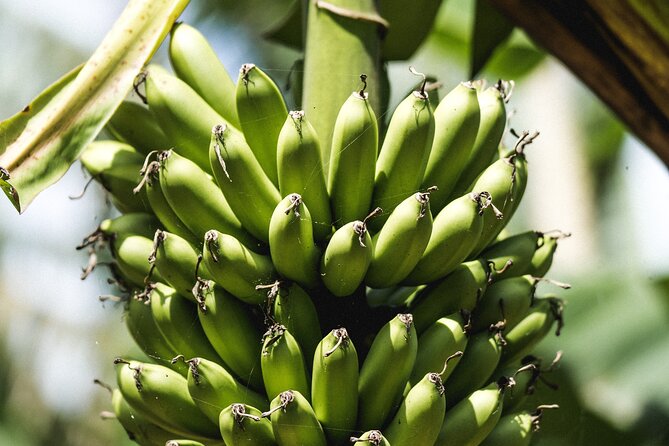
As you walk, the guide shares fresh tropical fruits from the trees. That matters because the fruit is part of the setting, not a prearranged tasting plate removed from the farm. You get a direct sense of how the produce grows and how it tastes close to the source.
The plant sampling adds a more unusual layer. Curry leaves are familiar to anyone who enjoys South Asian cooking, but cranberry hibiscus and neem offer different smells and flavors. The tour describes these moments as olfactive experiences, but you can think of them simply as a chance to compare the scents of several useful plants.
The guide also uses occasional spot quizzes. That is a smart touch for families. Young children may not remember a long talk about farming systems, but they can stay alert when the guide asks them to identify a plant or recall a point from a few minutes earlier.
The tour is designed to keep the whole group involved. Adults can ask about farming and plant uses, while children have something active to do. The result should feel more like a guided conversation than a formal lecture.
Why the small group matters
The maximum group size is 10 people. That is one of the strongest practical features of the experience.
A small group gives the guide more freedom to stop for questions and adjust the pace. If someone wants to know how a plant is used, or a child wants a closer look, the group is less likely to feel rushed than it would on a large coach-style tour.
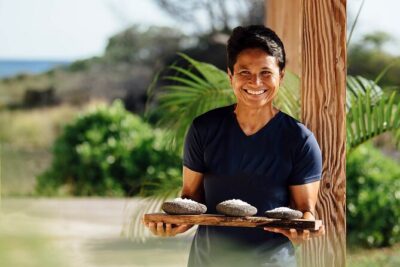
The farm guide Amy is specifically praised in the available feedback, and another comment describes the guide as very friendly. The information does not identify every guide by name, so you should not assume Amy will lead every departure. Still, the format clearly depends on an interactive guide who talks with the group rather than reciting a speech.
This is also a good size for tasting. Everyone gets a chance to sample the plants without turning the experience into a crowded queue. If you are visiting with family, the small group can make the activity feel more personal.
There is one trade-off. Small tours may have limited departure availability, and this experience requires a minimum number of participants. If the minimum is not met, the operator may offer another date or experience, or provide a full refund.
Regenerative design, explained through plants
The farm tour introduces regenerative design, but it does not promise a technical course in agriculture. You should expect a practical overview shaped by what is growing around you.
The value here is in seeing how farming ideas connect to ordinary choices. A leaf is not only a leaf. It may have a culinary use, a strong scent, a traditional role, or a place within a larger growing system. The guide uses the plants on hand to make those connections clear.
One piece of feedback highlights information about Hawaiian permaculture and the medical benefits of several local plants. That makes the tour useful for more than people who simply enjoy fruit. If you are interested in permaculture, vegan food, plant-based living, or traditional plant uses, you will have plenty to discuss with the guide.
You should keep expectations sensible. The experience lasts about an hour, so it cannot cover every crop, farming method, or plant benefit in detail. Also, information about medical uses should be treated as general education, not personal health advice. The main strength is the introduction, followed by the chance to ask questions and taste the plants yourself.
Same countryside, another kind of harvest:
- Big Island ATV Tour at Ohana Ranch
★ 5.0 · 254 reviews - Waipi’o on Horseback: Mountain Ocean Views Working Cattle Ranch
★ 5.0 · 252 reviews - Big Island Mountain Biking on Anna Ranch
★ 5.0 · 171 reviews - Experience Our Honey Farm And Beekeeping Tour
★ 5.0 · 167 reviews
The farm store adds another reason to linger
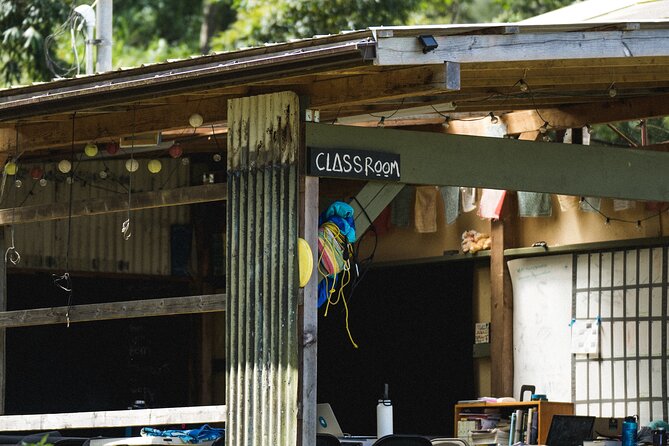
The farm store is the meeting point, and it may be worth allowing a little time around the tour if your schedule permits. The information provided describes a bakery with appealing treats and a selection of tinctures for sale.
Those products give you a way to continue the experience after the walk. You might pick up something baked, browse the plant-based offerings, or look at tinctures connected with the farm’s wider focus on useful plants. The exact products available can change, so treat this as a possible extra rather than a guaranteed shopping list.
This stop also helps make the tour more than a field visit. You begin and finish in a place where the farm’s products are presented for everyday use. For people who want to learn about local food systems, that connection is worthwhile.
Still, the tour itself is the main event. The supplied details do not state that bakery purchases or tinctures are included in the ticket, so plan to pay separately if you choose to buy anything.
Is one hour enough?
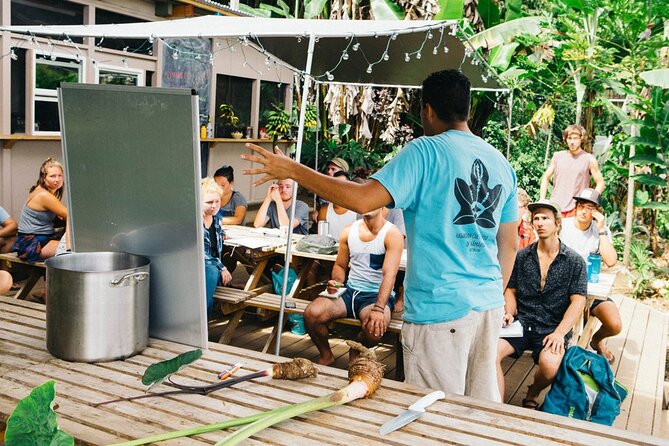
For a first look, yes. The one-hour length keeps the activity easy to add between other Big Island plans. It is short enough for families with limited patience, adults who want a break from driving, and visitors who want a taste of farm life without committing half a day.
You will not get an exhaustive tour of every corner of the property. The experience is best understood as a focused introduction to the farm’s plants, products, and regenerative ideas.
The timing also affects the kind of questions you can ask. If the group is small and engaged, you may get good conversation. If many people want long explanations, the guide will need to keep things moving. The spot quizzes and tasting pauses help the hour feel active rather than rushed.
I would choose this tour for a morning or afternoon when you want something local and hands-on. It pairs especially well with a day in the Honokaa area, since you do not need a long transfer once you reach the meeting point.
Who will enjoy this Big Island farm experience
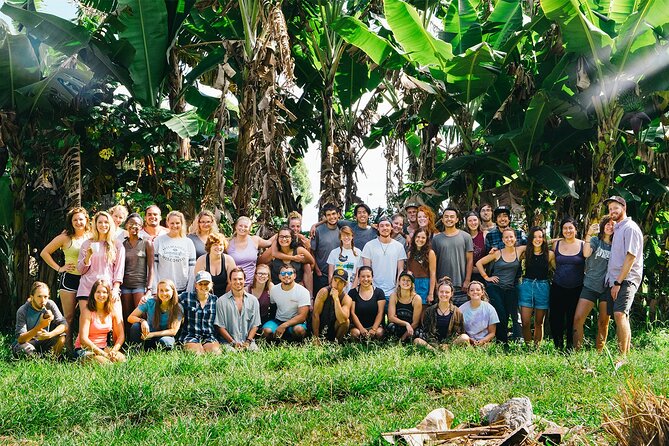
This is a strong fit for families. Children can taste unfamiliar plants, take part in quizzes, and move through the farm rather than sitting through a long talk. Adults get useful information about farming, food, and plant uses at the same time.
It also suits plant-based eaters and anyone curious about where food comes from. The tour includes samples from the farm and discusses products grown or made there, making it more relevant than a standard sightseeing stop.
People interested in permaculture and regenerative agriculture should find the format appealing. You will not receive a full professional training session, but you can see how those ideas are presented in a real farm setting.
It may be less suitable if you want a polished food tasting with a fixed menu. The experience centers on plants in their growing environment, and the samples appear to be part of the walk. It may also be a poor fit if you have difficulty with moderate physical activity.
Service animals are allowed. No other accessibility details are provided, so contact the operator before booking if you need specific information about surfaces, walking distances, or other mobility concerns.
Value, flexibility, and the practical details
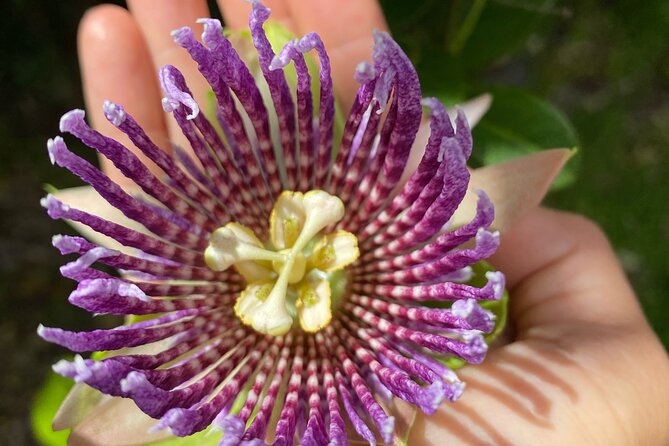
The supplied information lists admission as free, but it does not provide a separate tour price. Check the current booking total before you commit. The value will depend on how much you care about guided access, plant samples, and direct conversation with a farm guide.
For me, the small group and interactive format are the main reasons to pay for this kind of experience if a fee applies. You are not only stopping at a farm store. You receive a guided walk, tastings, plant information, and a chance to ask questions in a group capped at 10 people.
Free cancellation up to 24 hours before the start time gives you useful flexibility. Cancel at least 24 hours ahead for a full refund. Cancellations or changes made within 24 hours are not refunded or accepted.
Weather matters. If poor conditions force a cancellation, you can receive a full refund or move to another date. The same applies if the minimum number of participants is not reached, with the option of another experience in place of the original booking.
Wear something suitable for a farm walk and plan for a moderate level of physical activity. The tour is conducted in English, begins and ends at the same Honokaa address, and uses a mobile ticket, so you do not need to collect paper admission.
My call: book it for a hands-on hour
Book this Big Island Farms Tour if you want a short, personal introduction to tropical produce, permaculture, and plant-based farming. The strongest reasons are the small group, the direct tastings, the family-friendly quizzes, and the chance to learn about plants such as curry leaf, cranberry hibiscus, and neem where they grow.
I would skip it if you want a long farm tour, a formal cooking class, or a large tasting menu. For everyone else, this is a useful hour in Honokaa, particularly for families and curious eaters who prefer doing something active over simply looking at scenery.
FAQ
How long does the Big Island Farms Tour last?
The tour lasts approximately one hour.
Where does the tour begin?
You meet at the farm store at 47-4667 Honokaa-Waipio Road, Honokaa, Hawaii 96727.
Where does the tour end?
The activity ends back at the same meeting point.
What language is the tour offered in?
The tour is offered in English.
What will I taste during the tour?
You may sample fresh tropical fruit and plants including curry leaves, cranberry hibiscus, and neem leaves.
Is the tour suitable for children?
Yes. The experience is designed for children and adults, and the guide uses interactive discussion and occasional spot quizzes to keep the group involved.
How many people can join the tour?
The tour has a maximum group size of 10 people.
Are service animals allowed?
Yes, service animals are allowed.
What happens if I need to cancel?
You can cancel up to 24 hours before the start time for a full refund. Cancellations or changes made less than 24 hours before the start time are not accepted and are not refunded.
Newly listed farm visits around Big Island
- Sunset Kona Salt Farm Tour★ 5.0 · 55 reviews
- Farm-to-Table Chef’s Dinner at Kulaniapia Falls★ 4.5 · 42 reviews
- Hamakua Coast Farm Small-Group Walking and Tasting Tour★ 5.0 · 4 reviews
- Edible Hibiscus Guided Farm Tour (Big Island)★ 5.0 · 31 reviews
- Farm to Table Cooking Class at Kulaniapia Falls★ 4.5 · 36 reviews
- Bottle Feed & Cuddle Baby Goats at Ohana Ranch (Big Island)★ 5.0 · 29 reviews
- Hala Tree Coffee Farm Tour★ 5.0 · 44 reviews
- Baumkuchen Farm Tour★ 4.5 · 10 reviews
Big Island Farm Tours, compared.
Award Winning Farm Tour: Coffee, Chocolate and Unique Gifts
Read our review →
Waipi’o on Horseback: Mountain Ocean Views Working Cattle Ranch
Read our review →
Craft Chocolate Tasting and Farm Experience on the Big Island
Read our review →
Kona Tour: Bee Farm, Kona Coffee, and National Historical Parks
Read our review →Browse the lists this tour appears in