
Review · SALENTO
Coffee Tour Salento-Ocaso Farm- English Tour
The most interesting part of this coffee tour near Salento is its full look at the bean’s journey, from a coffee cherry on the plant to a drink prepared in a cloth strainer. You will harvest and sow coffee, inspect the farm’s processing equipment, and learn why drying and roasting change the final cup. I especially like the hands-on farm work and the closing coffee preparation, which gives the tour a clear beginning, middle, and end.
I also like the farm’s focus on sustainable production, including composting, crop fertilization, and local fauna and flora. Guides such as Nicolas and Johnathan have been praised for strong English, humor, and helpful answers. The main consideration is access: the farm is 4 km from Salento along a partly unpaved tertiary road, and your Willys Jeep or taxi costs extra.
Key points
- From cherry to cup: Follow harvesting, pulping, drying, storage, threshing, roasting, and brewing in one compact visit.
- Hands-on farm work: Try harvesting and sowing instead of only watching a demonstration.
- English-speaking guides: Nicolas and Johnathan are noted for clear, lively explanations, though Nicolas may speak quickly at times.
- Traditional coffee setting: This is a working, traditional farm with an on-site Coffee House open to the public.
- Sustainability in practice: See composting, fertilization, and an explanation of the farm’s plants and wildlife.
- Easy to reach, but not included: The farm lies 4 km from Salento, with Willys Jeeps available from the town square for an additional charge.
A farm visit that explains the whole coffee chain
Many coffee visits stop at the plantation and offer a cup at the end. Finca El Ocaso gives you a broader picture. In 1.5 hours, you move through the main stages of production, from planting and growth to processing, storage, roasting, and extraction.
That short duration is useful if you are fitting the farm into a busy Salento day. It also means the tour keeps moving. You will not spend half a morning on one technical lesson, but you should expect a brisk introduction rather than a slow agricultural workshop.
The farm is traditional, and that matters. You are not only looking at coffee as a finished product in a café. You are seeing the work behind it: how plants are grown, how ripe cherries are handled, and how many steps are needed before coffee reaches a grinder or brewing pot.
The setting adds plenty. The farm has broad scenery, gardens, coffee plantations, and areas devoted to composting and crop care. The visit connects the coffee plant to the wider farm environment, including its plant and animal life.
More Coffee Farm Tours in Colombia
- Medellín Coffee Farm Tour with Trolley and Cable Car Ride
★ 4.9 · 277 reviews - Salento: Private Cocora Valley, Salento & Coffee Farm Tour
★ 4.9 · 202 reviews - Medellin: Horseback Riding Coffee Farm Tour with Coffee Spa
★ 4.8 · 151 reviews
Walking through the coffee gardens and plantations
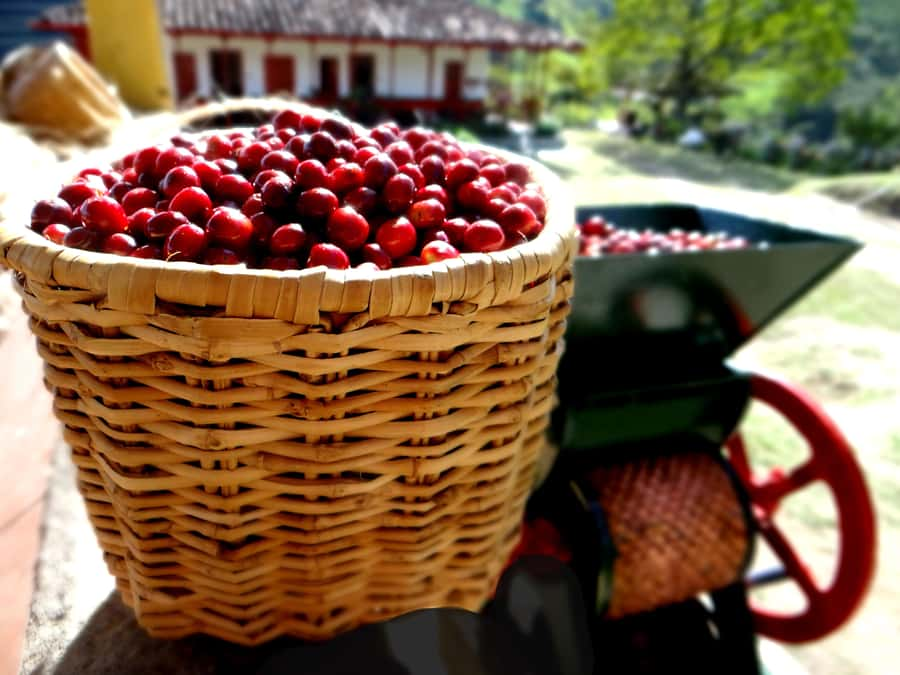
The first part covers the basic story of coffee in Colombia, the main coffee species, and how a coffee tree is planted and grows. This is the right foundation for the rest of the tour because the later machinery makes more sense once you know what happens to the fruit on the branch.
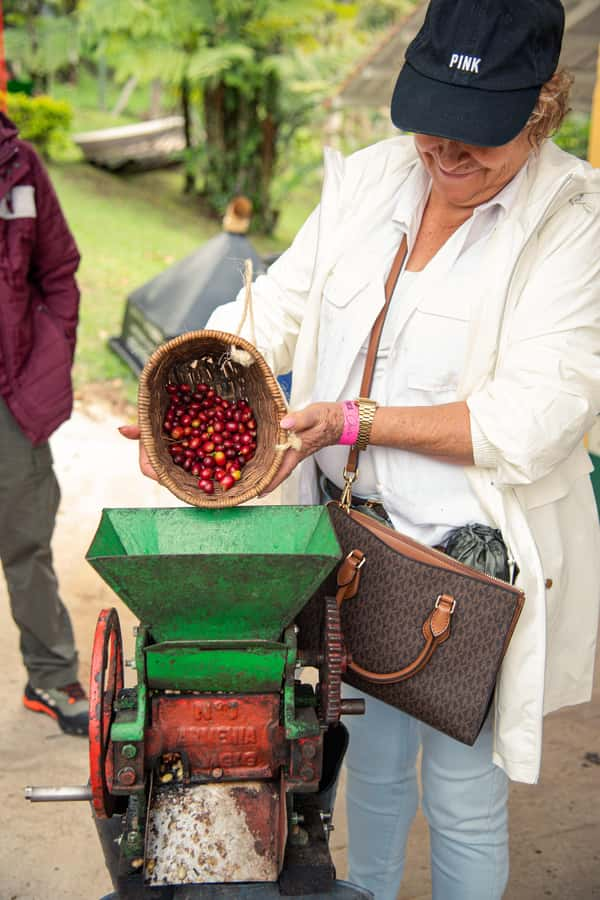
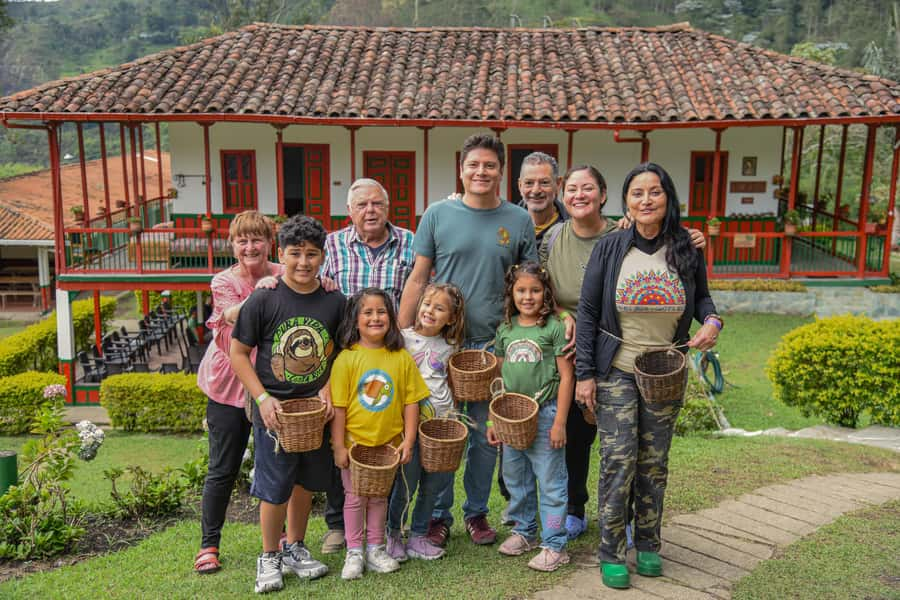
You will visit the gardens and plantation areas, then take part in harvesting. The exact amount of hands-on work can vary, but the tour is designed to let you harvest like a Colombian coffee picker rather than simply observe someone else doing it.
You also learn about sowing. That may sound less exciting than tasting coffee, but it helps you understand the time involved in producing a crop. A cup of coffee begins long before harvest, and this section gives you a better sense of that long growing cycle.
Wear shoes suitable for a farm road and plantation paths. The supplied information specifically recommends insect repellent, a sensible addition in a rural setting. The farm is only 4 km from Salento, but the road is tertiary and not fully paved, so allow for a slower, bumpier ride than the short distance suggests.
Composting, fertilization, and sustainable farming
The composting and crop fertilization station is one of the more useful stops for anyone who wants to understand farming beyond the café menu. Here, the guide explains how the farm supports coffee production and why soil care matters.
The experience also covers sustainability, fauna, and flora. That broadens the visit beyond a simple production line. Coffee does not grow in isolation, and the condition of the soil, surrounding plants, and local wildlife all form part of the farm’s working environment.
Finca El Ocaso has certifications in sustainable production. The tour explains what that approach means on the ground, rather than treating sustainability as a label with no practical detail. You can expect an introduction to composting, fertilization, and the relationship between coffee growing and the surrounding natural setting.
The information here is useful even if you already drink specialty coffee. Terms such as sustainability can sound vague until you see the farm systems connected to them. This stop gives the idea a physical form.
Inside the processing plant
The processing plant shows the less romantic side of coffee production, and that is exactly why it belongs on the tour. After the cherries are picked, they must be handled quickly and carefully.
You will see the hopper and pulper, which begin separating the coffee fruit from the beans. The tour then explains mechanical drying and traditional drying. Seeing both methods helps you understand that drying is not just a minor technical step. It affects how the coffee develops before roasting.
The contrast between machine-based and traditional methods should appeal to visitors interested in how farms balance efficiency and older practices. You are not simply told that coffee is dried. You see the types of drying used at the farm and learn why the process matters.
Next comes the storage warehouse, followed by threshing and marketing. These stages are easy to overlook when buying a bag of beans, but they help connect farm work to the commercial side of coffee. The tour shows that harvesting is only one part of the job. Coffee must also be stored, prepared, and moved toward the market.
Same countryside, another kind of harvest:
- From Bogotá: Coffee Farm and Tequendama Falls Tour
★ 4.5 · 130 reviews - Coffee Farm Experience Private Day Tour
★ 5.0 · 81 reviews - VIP Bogota City Tour: Farmers Market, Monserrate, Candelaria, 9hr
★ 5.0 · 66 reviews - Medellin: Guatape, El Peñol Coffee Farm Private Tour & Fruit
★ 5.0 · 49 reviews
Roasting and the final cup
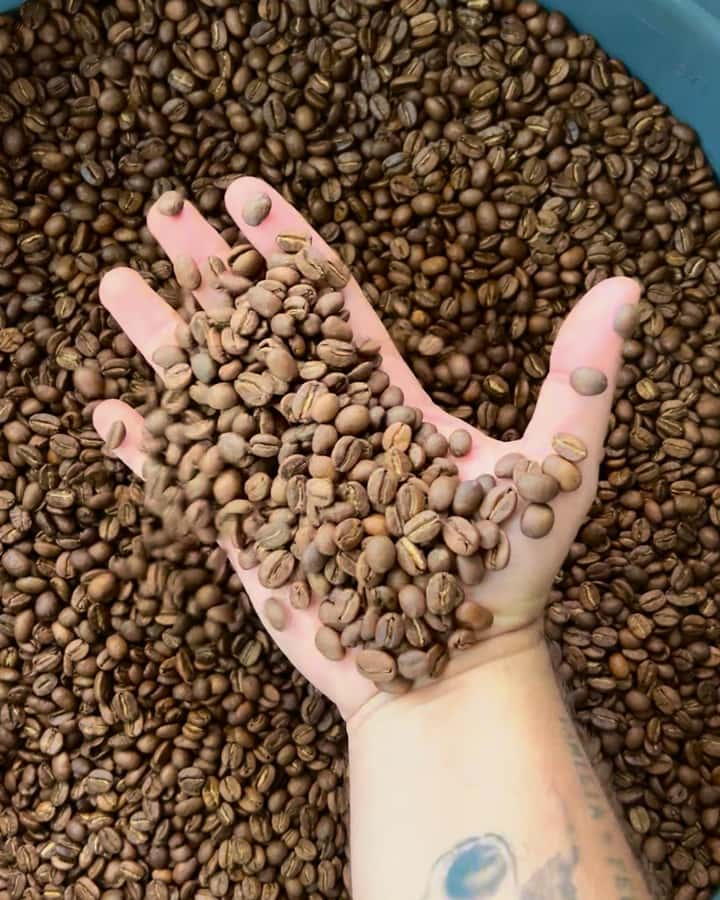
The roasting section explains the different types of roast and their importance to coffee quality. This is where the tour shifts from farming to flavor.
Roasting changes the character of the beans, and the guide explains why the choice of roast matters. You will also learn the basics of correct coffee extraction, so the final cup is not treated as an automatic result of good beans alone.
The last preparation uses a traditional cloth strainer and pot. That method gives the ending a distinctly local feel. Instead of finishing with a generic machine-made coffee, you see a simple Colombian preparation that connects the drink back to the farm.
I like this structure because the tasting is earned. First you learn about the plant, then the harvest, then the machinery and storage, and only after that do you taste the result. The final cup becomes a practical lesson in all the steps that came before it.
The Coffee House is open to the public, which gives you a place to spend a little more time around the farm if your schedule allows. Food and drinks are not included in the tour price, so plan on paying separately for anything beyond the included guided visit.
The English guides and pace of the tour
The experience is offered with a live English-speaking guide. Guide names reported for this tour include Nicolas and Johnathan, both praised for clear English, humor, and willingness to answer questions.
Nicolas is described as funny and very good in English, though his pace can sometimes be fast. If you prefer a slower explanation, ask him to repeat a point. That is particularly useful during the processing and roasting sections, where several new terms may come in quick succession.
Johnathan is also noted for a lively style and strong English. The guide you meet can vary, but the important point is that the tour is set up for English speakers rather than relying on a printed summary or a few translated phrases.
This is an interactive visit. You can ask about cultivation, processing, roasting, and brewing as you go. If you have a particular interest, such as sustainable farming or extraction, mention it early. A 1.5-hour tour moves quickly, and a direct question is the best way to get more detail on the subject you care about most.
Getting from Salento to the farm
Transportation is not included, so you need to arrange your own way to Finca El Ocaso. The farm is 4 km from Salento, and a Willys Jeep can be taken from the town square.
The Willys option is part of the practical character of the visit. It is also important to budget for it separately. The supplied information does not give one fixed transport price, but a tour detail notes that the return Jeep to Salento cost 4,000 Colombian pesos per person at that time. Prices can change, so confirm locally.
A normal taxi is another possible option. One reported comparison found a taxi to the farm but a cheaper Jeep ride back to Salento. That suggests you may want to compare the options at the square rather than assume one method is always best.
The road is not completely paved and is classified as tertiary. The distance is short, but the journey may be rough. If you are sensitive to bumpy roads, keep that in mind when planning the rest of your day.
The tour begins at the farm and ends there. You are responsible for both the trip out and the return to Salento, and neither food nor drinks are included.
Is $14 good value?
At $14 per person, this is a strong value for a guided English tour that covers both agriculture and coffee preparation. You get access to the plantation, a guided explanation of the farm’s production system, hands-on harvesting and sowing, a processing plant visit, and a traditional coffee preparation.
The price is especially fair if you want more than a tasting. You are paying for a compact educational visit that covers the whole chain, not just a drink and a quick look at coffee plants.
There are extra costs to remember. Transport from Salento is separate, and any food or drinks are also separate. Even with those additions, the base price remains modest, but the total outing will be higher than the advertised tour cost.
The short length also affects the value. If you want a long farm walk or an extensive tasting session, this may feel brief. If you want a focused introduction that leaves time for other activities in Salento, 1.5 hours is a useful fit.
Who will enjoy this coffee tour most?
I would choose this for first-time coffee visitors who want a clear explanation without committing to a half-day farm program. It also suits coffee drinkers who care about the steps between harvest and brewing.
Families and curious older children may enjoy the harvesting and sowing sections, though the information provided does not specify age requirements. Anyone interested in sustainable agriculture will get extra value from the composting, fertilization, and fauna and flora discussion.
It is also a good choice for visitors who prefer an active lesson to a formal tasting. You will walk through the farm, take part in basic field activities, and see machinery in operation or explanation.
You may want another option if your main goal is a long, quiet coffee tasting, a fully paved route, or included transport. The farm visit is practical and fairly brisk. It is not designed as a luxury day out with every expense covered.
What to bring and how to plan the visit
Bring insect repellent. This is the one item specifically recommended for the activity, and the rural setting makes it worth taking seriously.
Use practical clothing for a plantation visit and a partly unpaved road. The supplied details do not list a formal dress code, but comfortable footwear is a sensible choice for gardens, coffee rows, and farm facilities.
Keep your schedule flexible around the 1.5-hour visit. Check the available starting times when booking, then allow extra time for the Willys Jeep or taxi ride from Salento. The tour itself ends back at the farm meeting point, so the return journey still needs to be arranged.
Alcohol and drugs are not allowed on the activity. Free cancellation is available up to 24 hours before the tour, and you can reserve now and pay later if you want to keep your plans flexible.
Should you book Finca El Ocaso?
Book this tour if you want a clear, affordable introduction to Colombian coffee with a working farm setting, English guidance, hands-on harvesting, and a traditional cup at the end. The strongest reasons to go are the complete production story, the sustainability section, and the guides’ friendly, funny teaching style.
Think twice if rough access, separate transport, or a brisk 1.5-hour format would frustrate you. For most visitors staying in Salento, though, the $14 price buys a useful look at the work behind Colombian coffee, with enough practical detail to make your next cup taste a little more interesting.
FAQ
Where is the coffee tour located?
Finca El Ocaso is located 4 km from Salento in Tolima, Colombia.
How do I get to the farm from Salento?
You can take a Willys Jeep from the square in Salento. A normal taxi is also possible. Transportation is not included in the activity price.
How long does the tour last?
The guided coffee tour lasts 1.5 hours. Starting times depend on availability.
Is the tour offered in English?
Yes. The activity includes a live English-speaking guide.
What does the tour include?
It includes the guided farm tour, coffee plantation and garden visits, harvesting and sowing activities, information about sustainability, a processing plant visit, and explanations of roasting and coffee extraction.
Are food and drinks included?
No. Food and drinks are not included in the ticket price. The farm’s Coffee House is open to the public.
What should I bring?
Bring insect repellent. Alcohol and drugs are not allowed on the activity.
Newly listed farm visits around Colombia
- Cocora Valley Tour and Coffee Farms★ 4.5 · 40 reviews
- Salento and Cócora Tour plus Coffee Farm from Pereira or Armenia★ 5.0 · 40 reviews
- Medellín: Flower Farm & Silletero History Tour★ 4.3 · 23 reviews
- Salento and Cócora Tour + Coffee Farm from Pereira/Armenia★ 5.0 · 33 reviews
- Private Tour to Coffee Farm (farm of your choice)★ 5.0 · 2 reviews
- Medellin: Coffee Farm Tour & Spa with Overnight Glamping★ 4.5 · 3 reviews
- Most complete COFFEE TOUR at local family farm★ 5.0 · 2 reviews
- From Medellin; (All-In) The Real Horseback Ranch Experience★ 4.8 · 9 reviews
Coffee Farm Tours, compared.
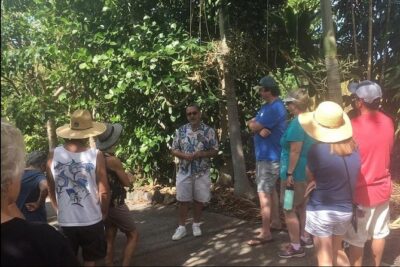
Award Winning Farm Tour: Coffee, Chocolate and Unique Gifts
Read our review →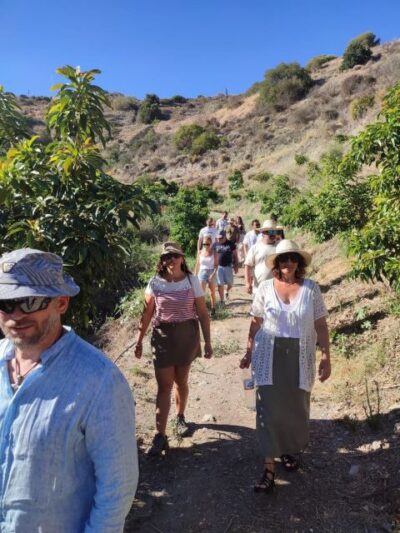
La Herradura Coffee Farm: tour in Europe’s only plantation
Read our review →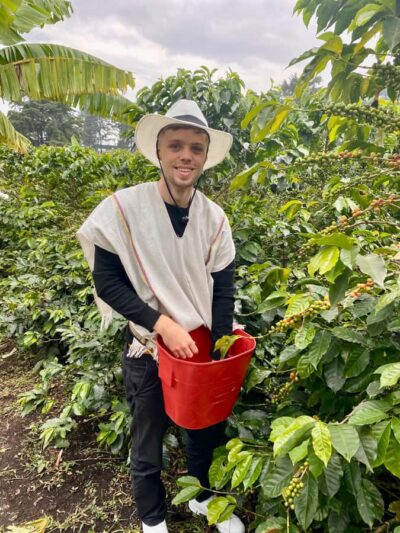
Medellín Coffee Farm Tour with Trolley and Cable Car Ride
Read our review →
Liamuiga Natural Farm Tour – St.Kitts’ Coffee Farm
Read our review →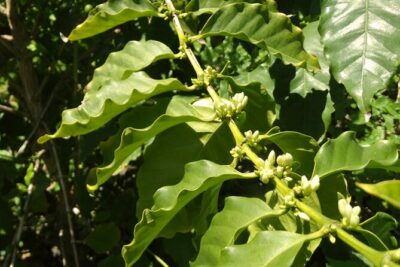
Horseback Riding Coffee Farm Tour with Coffee Spa
Read our review →
From Bogotá: Coffee Farm and Tequendama Falls Tour
Read our review →
Coffee Farm Tour with Roasting & Tasting Workshop – Da Lat
Read our review →Browse the lists this tour appears in