
Review · ITALY
Guided tour of the Marsala Salt Pans and salt harvesting
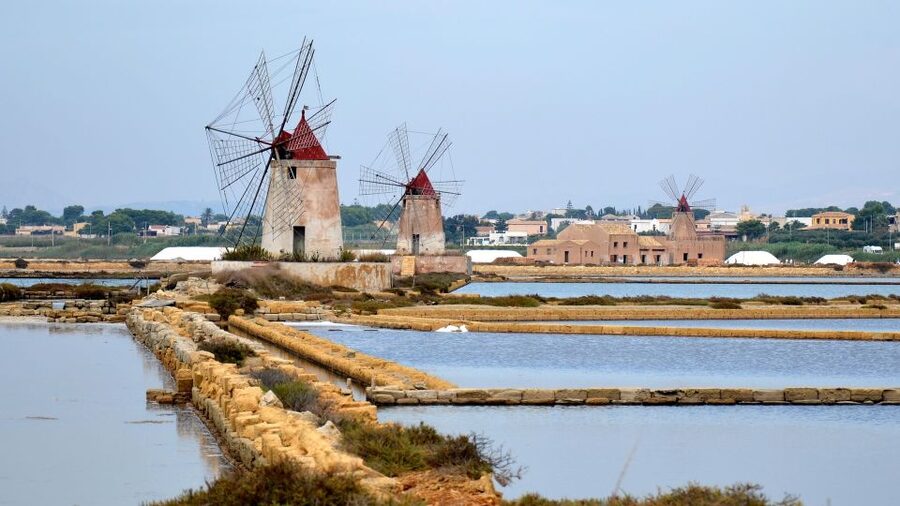
Marsala’s salt pans turn a working industry into a hands-on outing. You’ll see shallow tanks, narrow canals, old windmills, and bright piles of drying salt, then help collect it yourself. I like the mix of working tradition and nature and the visit to Infersa Mill, where multimedia displays explain how sea salt has been made here since the 1500s. The main limitation is time: at one hour, this is a focused introduction, not a long walk or a full half-day visit.
I also like that boots are supplied and that the guide explains more than cooking salt. You’ll learn about hand-picked whole salt, fior di sale, and salt-based cosmetics. Some guides, including Antonetta, have added personal touches such as tastings, practical help during the harvest, and local restaurant advice. Bring your curiosity, but check the weather, since conditions can change the schedule.
Key points at a glance
- Salt harvesting is hands-on: You can help gather salt rather than only looking at the pans from a distance.
- Infersa Mill explains the trade: Multimedia displays show the older methods behind Marsala’s salt production.
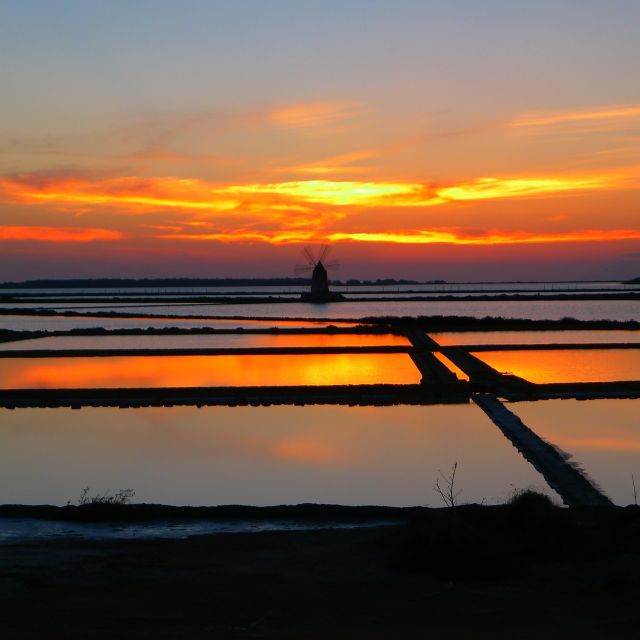
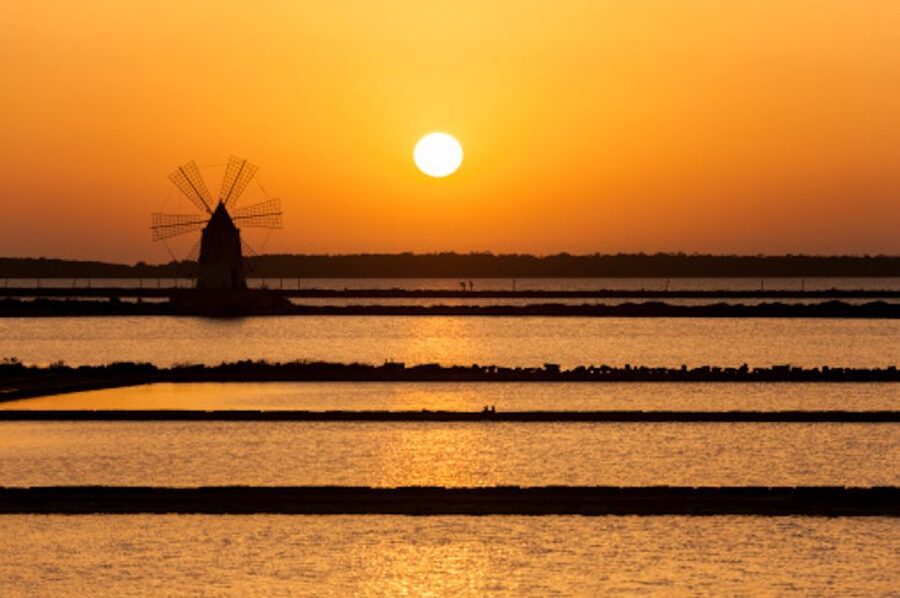
- The setting is highly distinctive: Shallow tanks, small canals, windmills, and white salt heaps create an unusual Mediterranean scene.
- You may taste several salts: The experience can include different varieties, including whole salt and fior di sale.
- Boots are included: Give your shoe size when booking so the correct pair is ready.
- The tour is short and easy to fit in: One hour works well beside a visit to Marsala or the Stagnone Islands.
Why Marsala’s salt pans are worth your time
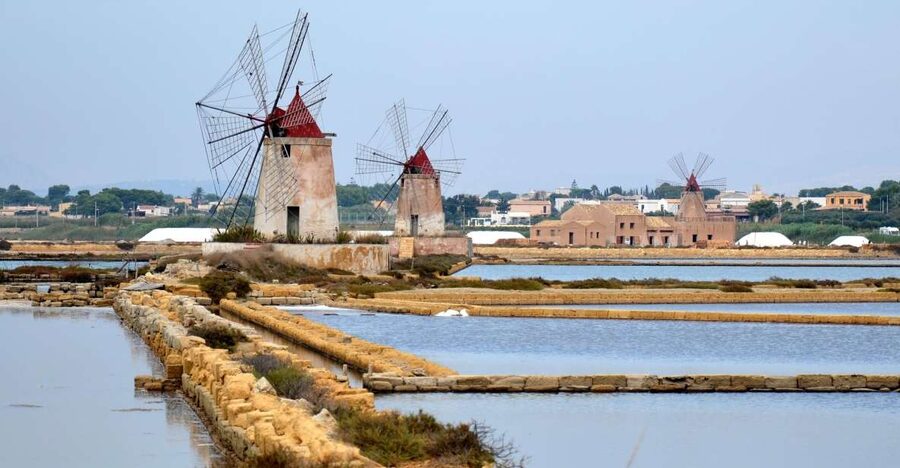
The salt pans are not just a pretty stop for photographs. They are part of Marsala’s identity and have supported the local economy for centuries. Salt production here dates back to the 1500s, and the work still depends on the simple partnership of seawater, sun, wind, and human effort.
You’ll see the pans arranged in a careful chain. Seawater moves through tanks and small channels, becoming more concentrated as it travels. The shallow water, straight edges, windmills, and salt heaps give the area a spare, almost geometric look. It is a very different side of Sicily from the usual churches, vineyards, and hill towns.
I find the setting most interesting when you remember that it is still a workplace. The piles of salt are not decorative props, and the mill is not merely an old building for photographs. The tour connects the view in front of you with the labor behind it.
The nearby Nature Reserve of the Stagnone Islands of Marsala adds another layer. You are not simply walking through an industrial site. You are visiting a coastal environment where natural conditions make salt production possible. The result is a place that feels both practical and unusual.
More Salt Farm Tours in Italy:
- Hawaiian Salt Farm Tour in Kona
★ 5.0 · 767 reviews - Kampot: Pepper Farm Tour, Salt Field, Cave & Secret Lake
★ 4.9 · 283 reviews - Kampot Countryside include Pepper farm, Salt field & Lake
★ 4.9 · 100 reviews
Starting inside Infersa Mill
The meeting point is inside the mill, where the guide waits for you. This is useful because you do not have to search around the salt pans for a meeting spot. The mill also gives the hour a clear starting point: first understand the process, then see it outdoors.
A multimedia presentation explains the traditional production of sea salt. This part is particularly useful if you have never thought about how salt reaches your kitchen. The screens and displays provide context before you walk beside the tanks, so the outdoor portion becomes easier to follow.
The presentation has drawn especially strong praise for its quality. One Italian visitor compared the videos to a high-quality educational television program, which is a good clue about the tone. Expect explanation rather than a purely scenic walk.
The mill also presents different forms of salt. You can learn about sale integrale, or whole salt, which is hand-picked, and fior di sale, a delicate layer gathered from the surface under suitable conditions. The distinction matters because this is not one uniform product. Grain, texture, collection method, and use can differ.
You’ll also hear about salt beyond the kitchen. Its moisturizing qualities are linked to cosmetic products aimed at skin care and general well-being. That section may be brief during a one-hour tour, but it helps show why salt remains commercially important.
Walking among tanks, canals, windmills, and salt heaps
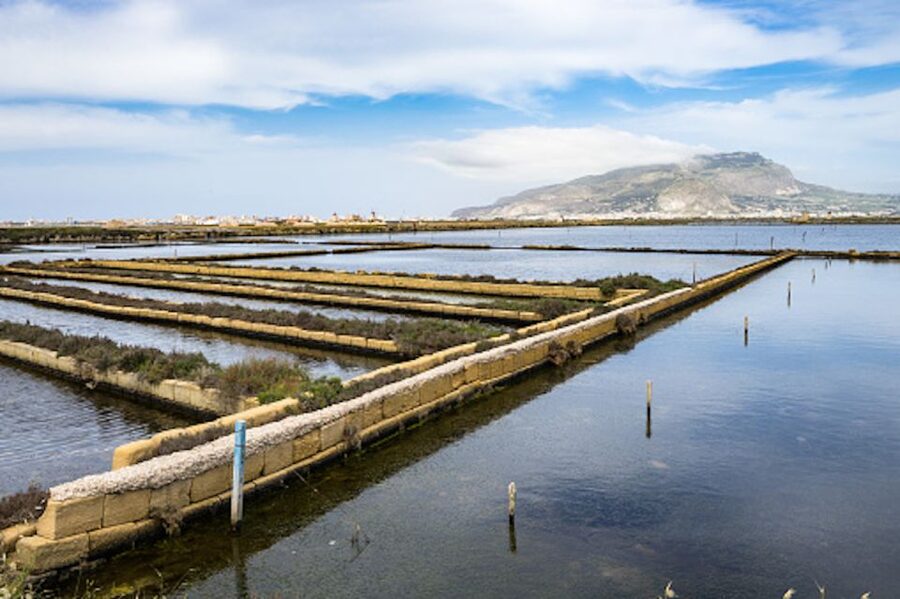
After the mill, you’ll continue along a nature trail through the salt pans. The route gives you a closer look at the parts that make the operation work: shallow tanks, narrow canals, windmills, and mounds of salt gathered for drying or storage.
The windmills are a key part of the view. They give the site its strongest visual marker and help you read the relationship between wind and water movement. Even if you are mainly interested in photography, the guide’s explanation adds meaning to the scene.
The canals and tanks can look simple at first. Their purpose becomes clearer when you understand that salt production depends on moving and concentrating seawater. The guide helps turn a group of shallow pools into a working system.
The nature trail is described as unique, but keep your expectations sensible. This is a short guided route tied to the mill and harvesting work, not a long wilderness hike. The value comes from the combination of scenery and explanation rather than distance.
Boots are included, which is a practical advantage. Salt pans can be wet, muddy, or rough underfoot, and ordinary sightseeing shoes are not ideal for the work area. You must provide your shoe size when booking so the right footwear can be prepared.
Taking part in the salt harvest
The hands-on harvest is the most memorable part for many people. Instead of watching a worker demonstrate the process from a distance, you can join in and handle the salt yourself. That small act changes the outing from a museum visit into a working experience.
You may collect salt crystals and, when conditions permit, fior di sale. The activity offers a direct sense of texture and weight that a video cannot provide. You also leave with a better understanding of why different salt types are treated as separate products.
The exact harvest conditions depend on the weather and the state of the pans. This is important. Salt production is seasonal and weather-sensitive, so you should not expect the same amount of activity on every date. The operator notes that adverse weather can lead to changes or modifications.
The harvest is suitable for children as well as adults, provided everyone follows the guide’s instructions. It has a simple appeal: you put on the boots, take part, and see the result in your hands. It is also a good antidote to overly polished sightseeing, since the task is basic and physical.
A guide can make a big difference here. Antonetta has been singled out for helping participants take part and for making the experience personal. She also offered local lunch advice after the tour. Guides vary, and the tour may be in English or Italian, but a friendly, involved guide is one of the experience’s strongest features.
More Guided Tours in Italy:
- Catania: Pozzo di Gaspare Farm Guided Tour with Tastings
★ 5.0 · 34 reviews - Alberobello: Guided e-bike tour + mill & donkey farm
★ 5.0 · 32 reviews - Catania: Guided Tour of Etna with Farm Visit & Food Tasting
★ 4.6 · 30 reviews - Private Guided Tour to Pisa and local Wine Farm from Livorno port
★ 5.0 · 19 reviews
Tasting whole salt and fior di sale
The salt tasting gives the tour a useful final link to everyday life. You are not just told that salt comes in different forms. You can compare products and understand why hand-picked salt and fior di sale are treated as special ingredients.
Whole salt is presented as a hand-collected product. Fior di sale is a delicate salt gathered from the surface, and it is often valued for its texture and finishing quality. The tour introduces these differences without requiring you to be a food expert.
Several participants have praised the chance to taste different salts and take home salt collected during the activity. If that is available on your departure, it makes a more meaningful souvenir than a generic shop purchase. You can point to it and say that you helped gather it.
Do not expect a full meal. Food and drinks are not included, and the tasting concerns salt varieties rather than lunch. Plan to eat separately, especially if you book the tour around midday.
The cooking and cosmetics discussion also gives the product a wider context. Salt seasons food, but its moisture-related qualities are used in skin-care products as well. That makes the mill’s display relevant even if you are not planning to buy specialty salt.
How the one-hour format affects the experience
One hour is both a strength and a limit. It is long enough for the mill, the outdoor route, an explanation of the pans, and a taste of harvesting. It is short enough to add to a day spent exploring Marsala or the Stagnone area.
I would choose this format if you want a clear introduction without committing half a day. It works especially well for families, first-time visitors to the salt pans, and anyone with a full Sicily itinerary.
The short duration also means the guide has to keep the pace moving. You will not have unlimited time for photographs, extended questions, or a leisurely walk between every part of the site. If you want a slow, meditative outing, the schedule may feel brisk.
The experience is listed at $41 per person. That is not the price of a simple viewpoint, but the fee includes the guide, Infersa Mill, boots, and the chance to participate in the harvest. The value is strongest if you use all those parts: watch the presentation, ask questions, walk outside, and handle the salt.
At that price, I would not book it only for a photograph of a windmill. I would book it because the tour explains the production process and gives you a task to do. The activity is more worthwhile for someone who enjoys local food, working traditions, and short educational stops.
Language, weather, and useful planning details
The tour is offered with an Italian or English-speaking guide. If language is important to you, check the available option when choosing your time. The information supplied for the experience does not promise every departure in both languages.
The guide waits inside the mill, so go there for the start rather than waiting beside the outdoor pans. You will need to give your shoe size in advance for the supplied boots.
Weather matters more here than it would on a standard indoor tour. Rain and other adverse conditions may change the reservation or the activity. The salt harvest itself also depends on conditions in the pans, so a poor-weather day may produce a different experience from a sunny one.
Wear clothing that you do not mind using around a working salt operation. Boots are provided, but the tour is still practical rather than formal. Since food and drinks are not included, arrange your own meal before or after the visit.
Cancellation is flexible up to 24 hours before the activity for a full refund. You can also reserve and pay later, which helps if your Sicily schedule depends on weather.
Who will enjoy this salt-pan tour most
I recommend it to families because the harvest gives children something concrete to do. The windmills, salt piles, and shallow pans also make the setting visually different from standard city sightseeing.
Food-minded visitors will get extra value from the explanation of whole salt and fior di sale. You’ll understand why some salt is used during cooking while other types are best treated as a finishing ingredient.
It also suits anyone interested in traditional work. The tour does not present salt production as a vanished craft. It shows how an old local resource remains tied to Marsala’s identity.
Photographers will enjoy the lines of the canals, the windmills, and the pale salt heaps, but this should not be your only reason to book. The main attraction is the story and the hands-on work.
You may want to skip it if you dislike short, structured tours or want a long nature walk. The one-hour schedule leaves little room to wander on your own, and bad weather can affect the program.
Should you book the Marsala salt-pans experience?
Book it if you want a compact, well-explained look at one of Marsala’s most distinctive working traditions. The strongest reasons are the excellent mill presentation, the unusual setting, and the chance to help with the harvest rather than simply observe it.
The $41 price is fair when you value the guide, boots, mill visit, tasting, and practical activity together. It is less compelling if you only want a quick view of the windmills or are searching for a long outdoor excursion.
For most visitors with an hour to spare, I would add it to a Marsala itinerary. Check the weather, provide your shoe size, and leave room for lunch afterward. You may never look at ordinary table salt quite the same way again.
FAQ
Where does the salt-pan tour meet?
The guide waits for you inside Infersa Mill.
How long does the experience last?
The guided experience lasts one hour.
What is included in the price?
The price includes the visit to Infersa Mill, boots, and a guide.
Is salt harvesting part of the tour?
Yes. You can join the salt harvest and handle salt crystals, with fior di sale collection possible when conditions allow.
Are boots provided?
Yes. Boots are included. You should provide your shoe size when booking so the correct footwear is available.
What languages are offered?
The experience is offered in Italian and English.
Does the tour include food or drinks?
No. Food and drinks are not included.
Can weather change the tour?
Yes. Adverse weather may lead to changes or modifications to the reservation.
What types of salt can you learn about?
You can learn about different salt varieties, including hand-picked whole salt and fior di sale.
Can I cancel for a refund?
Yes. You can cancel up to 24 hours in advance for a full refund.
Newly listed farm visits around Italy
- Sorrento Half-Day Farm Experience: Pizza, Cheese Making and Wine★ 5.0 · 17 reviews
- Sorrento: Authentic Lemon Experience at a Farm with Tastings★ 5.0 · 6 reviews
- Farm-to-Table Experience: Olive Oil, Garden Tour & Nonna’s Lunch★ 5.0 · 35 reviews
- Amalfi Coast & Sorrento Cooking Class School at Farmhouse★ 5.0 · 25 reviews
- Cooking Class & Guided Farm Tour On The Hills Of Sorrento★ 5.0 · 10 reviews
- Tasting Limoncello, Oil and Typical Products in Farmhouse★ 5.0 · 13 reviews
- Marì Cooking Class in a Family Farm with Amalfi Coast view★ 5.0 · 11 reviews
- Sorrento Villa Cooking Class with Fresh Harvest Lunch★ 5.0 · 25 reviews
Salt Farm Tours, compared.

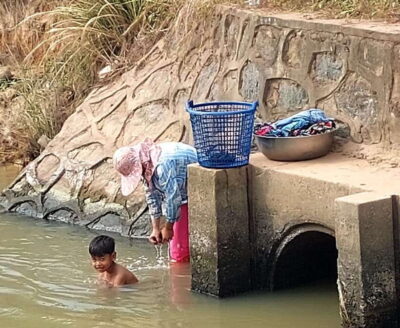
Pepper Farm Tour, Salt Field, Cave & Secret Lake
Read our review →
Kampot Countryside include Pepper farm, Salt field & Lake
Read our review →
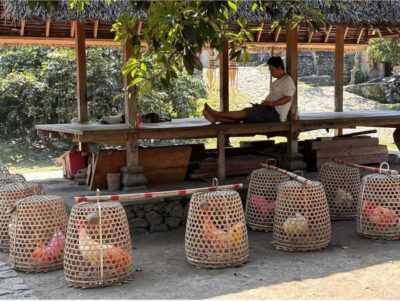
Bali: Traditional Villages, Salt Farm & Tirta Gangga Tour
Read our review →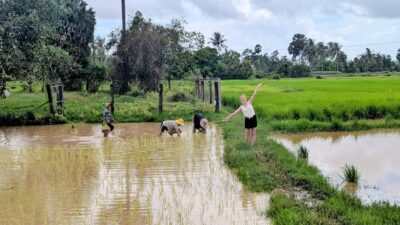
Kampot Private Tour: Pepper Farm, Salt Field & Secret Lake
Read our review →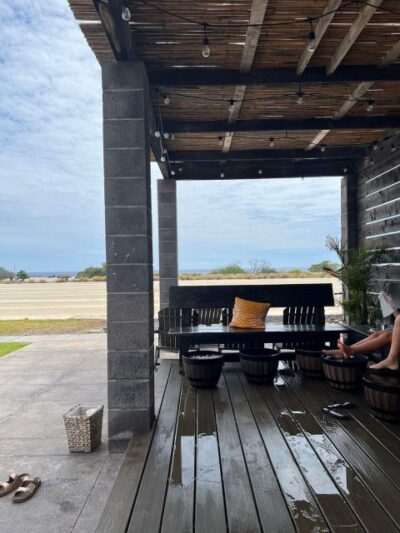
Kona Salt Farm: Deep Ocean Cold Water Mineral Foot Soak
Read our review →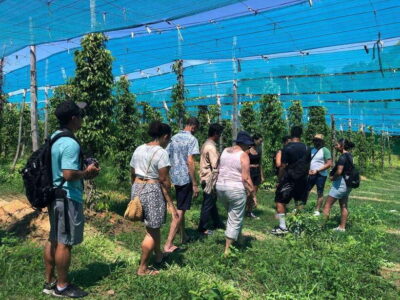
Kampot Pepper Farm, Salt Fields, Crab Market from Phnom Penh
Read our review →Browse the lists this tour appears in