
Review · SPAIN
GUIDED TOUR + TASTE IN A MUSHROOM FARM
The most surprising thing about this Menorca experience is its scale of focus: one farm turns the island’s mushroom culture into a complete two-hour visit. You move from a mycology introduction to the laboratory, production rooms, indoor forest, and workshop, then finish with a mushroom tasting and drink.
I like the clear, hands-on route through the growing process, and I like that the tasting does more than serve plain mushrooms on a plate. The farm uses unusual preparations, including a mushroom and shrimp burger that has earned special praise. A second plus is the guide’s obvious enthusiasm, which helps make the science easy to follow.
The main consideration is that the included tasting covers one product, not a full meal. Extra recipes and drinks cost more, so you should book this as an educational food experience rather than a substitute for lunch.
Key points at a glance
- Menorca’s only mushroom farm: See a specialized agricultural business that is unusual even by island standards.
- A clear four-stage route: The visit moves from mycology basics to the laboratory, growing areas, indoor forest, and workshop.
- Indoor from start to finish: This is a useful rainy-day or hot-weather activity, with no outdoor walking required.
- One tasting and one drink included: You receive a mushroom product plus water, a local soft drink, local beer, or wine.
- English and Spanish guiding: You can follow the explanations in either language.
- A strong choice for food and nature lovers: The visit suits curious eaters, families, and anyone interested in growing mushrooms at home.
Why a mushroom farm belongs on your Menorca plan
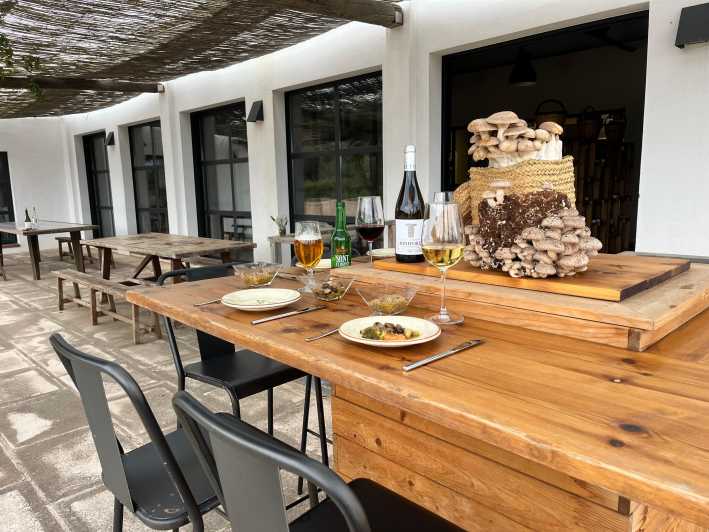
Menorca is better known for beaches, stone walls, villages, and quiet country roads than for farm tours centered on fungi. That is exactly why this visit feels different. Instead of another viewpoint or swim stop, you get a close look at a small food industry and at the natural world beneath your feet.
The farm presents Menorca as a place with serious mycological variety. You learn how mushrooms fit into nature, how they are cultivated through the year, and how a farm turns delicate growing conditions into food that can be sold and prepared.
I find that useful for two reasons. First, mushrooms stop being a vague forest subject and become a living production process. Second, you start noticing them differently on future walks. One visitor specifically said the lesson would change the way they look at fungi back home in the United Kingdom.
The experience has also been catalogued by SEGITTUR, the Spanish Ministry of Tourism’s tourism innovation body, as one of the country’s best agricultural experiences. That label does not replace your own judgment, but it tells you this is more than a quick farm shop stop.
More Guided Tours in Spain:
- Guided Tour to the only coffee farm in Europe
★ 5.0 · 174 reviews - Bull Breeding Farm: Guided Half-Day Tour from Seville
★ 4.5 · 24 reviews - Half-Day Guided Tour to a bull farm in Madrid
★ 5.0 · 2 reviews
The opening lesson turns fungi into a story
The visit begins with an introduction to mycology. Videos and images explain the processes that take place in nature before the tour moves into the working areas.
This opening matters because it gives you a framework for the rest of the visit. Without it, a growing room can look like shelves, bags, and strange shapes. With it, you can follow the changes in the mushrooms and understand why each stage is important.
The explanations are designed to be accessible rather than academic. That suits a mixed group, since you do not need previous knowledge of biology, agriculture, or mushroom cultivation. At the same time, the material appears detailed enough for people who are considering growing mushrooms themselves.
If you have a strong interest in home cultivation, pay close attention here. The visit has been especially useful for people who want to understand the process step by step. You may leave with ideas, but do not expect a private farming consultation or a kit unless one is specifically offered on the day.
From laboratory to production rooms
The route then follows the mushroom process through the facilities. You see the laboratory, the production areas, and the indoor forest before reaching the workshop.
The laboratory is an important stop because it shows that mushroom farming is not simply a matter of putting fungi in a dark room and waiting. The farm’s work depends on controlled stages, careful preparation, and an understanding of how mushrooms develop.
The production rooms make the process more concrete. This is where the tour connects the natural biology from the opening talk with the practical work of cultivation. You see how an agricultural product is managed over the year rather than harvested only when the weather happens to cooperate.
The indoor forest is likely to be the visual high point. It gives you a sense of how mushrooms can create a small world of their own, even inside a working building. The name may sound theatrical, but the point is practical: this part lets you see the growing environment rather than only hear about it.
The workshop completes the production story. Here, the tour shifts from growing mushrooms to preparing them for eating. That change is valuable because it links agriculture with the kitchen, and it explains why the final tasting is part of the visit rather than an unrelated snack.
You should expect a guided route rather than a free-roaming visit. The supplied information does not give a group size, so I would not assume a quiet private tour. The guide controls the pace and explains each section as you move through it.
The tasting is small but inventive
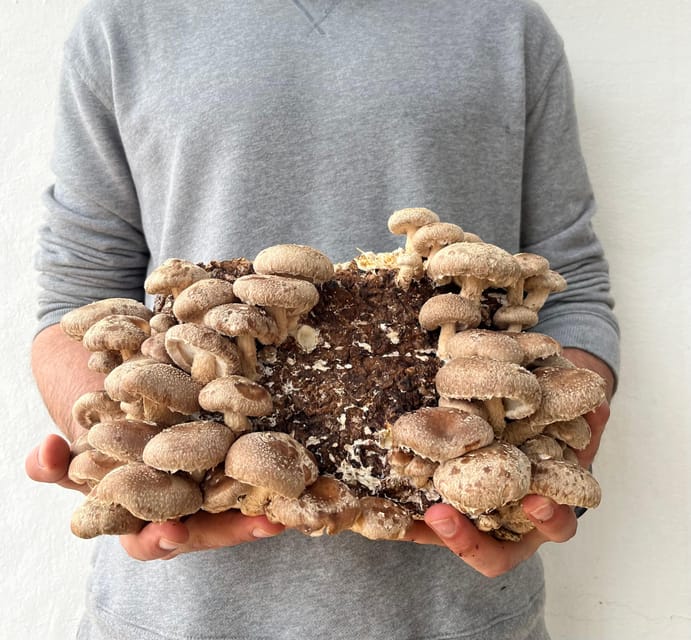
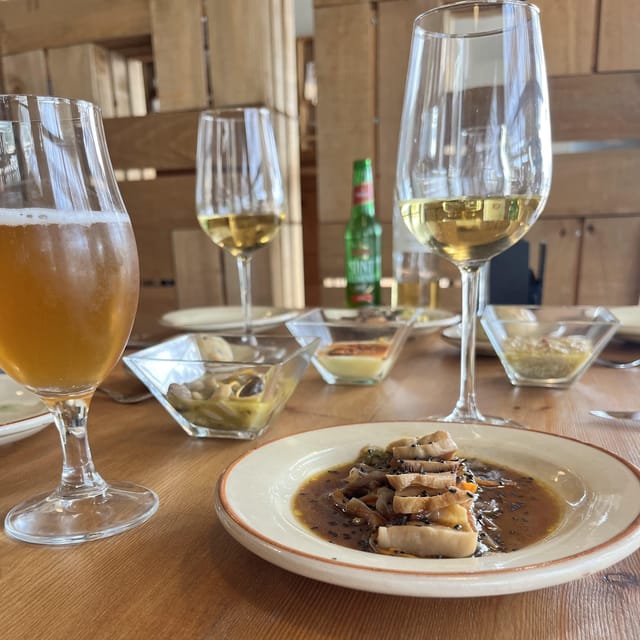
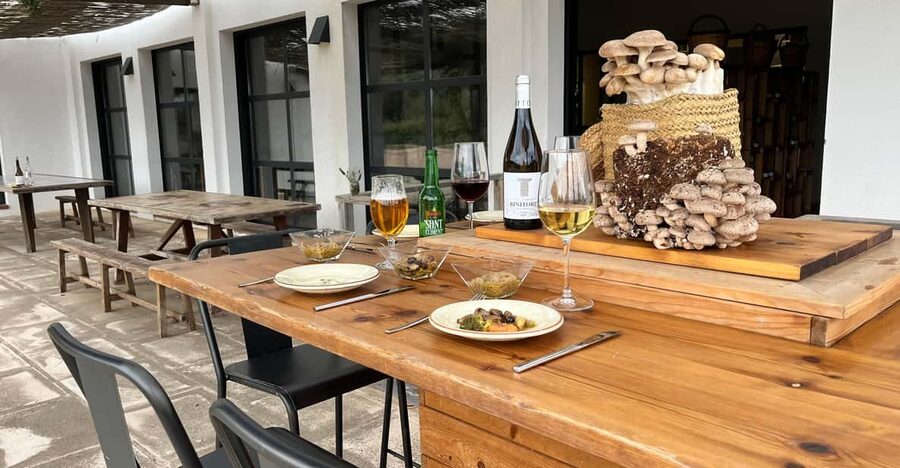
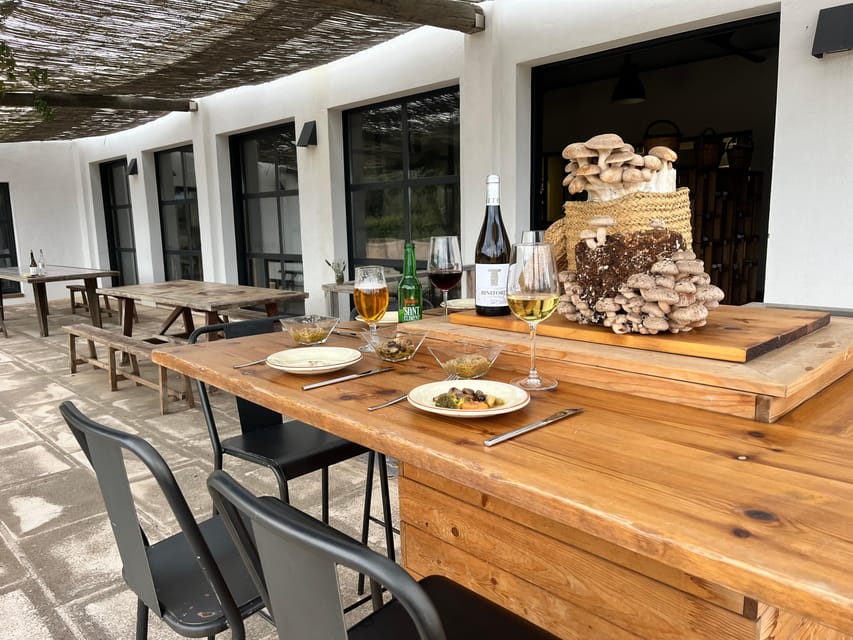
The final tasting includes one of the farm’s products, served with a beverage. Your drink choices are water, a local soft drink, local beer, or wine.
This is not presented as a broad tasting menu. You get one included product, while extra recipes and extra drinks are not part of the basic price. That distinction matters if you are arriving hungry. Plan to have a proper meal elsewhere unless the farm confirms that additional portions are available for purchase.
The cooking is where the experience takes its most playful turn. You may encounter mushrooms used in ways that are far removed from the usual sautéed side dish. A mushroom and shrimp burger has been particularly well received, and other unusual preparations have also been enjoyed.
Still, the exact recipe should not be treated as guaranteed. The included tasting is one product, and the menu can vary. If you have your heart set on a particular dish, ask before booking or at the start of the visit.
For me, the food adds real value because it answers a basic question: what can you actually do with these mushrooms? The tasting gives the cultivation tour a practical finish. You have seen the product grow, then you see how it can be turned into something modern and unexpected.
The drink also helps keep the tasting connected to Menorca. Local beer and wine give you a regional option, while water and a soft drink suit visitors who do not drink alcohol.
More farm tours around Spain:
- Montserrat Lunch & Wine at Farmhouse Small Group from Barcelona
★ 5.0 · 2,368 reviews - Barcelona: Montserrat Visit & Lunch at Farmhouse Small Group
★ 4.7 · 1,313 reviews - Montserrat Full Day Tour with Farmhouse Lunch and Winery Visit
★ 5.0 · 1,068 reviews - Montserrat & Winery Visit Tour with Traditional Farmhouse Lunch
★ 4.5 · 1,035 reviews
What the $23 price gets you
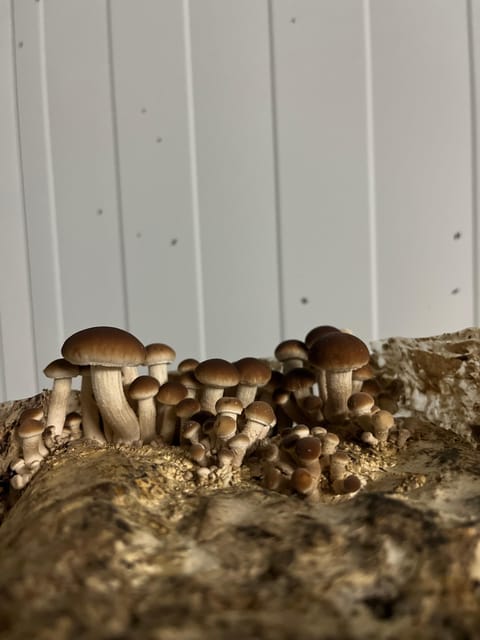
At $23 per person, the experience offers a reasonable amount for a two-hour visit. You are paying for a guided explanation, access to the working facilities, a look at the full cultivation route, one tasting product, and one beverage.
The value is strongest if you enjoy learning how food is made. A short tasting alone would not justify the price for everyone, especially if you want a full meal. The farm tour, however, gives you a structured activity with a clear beginning, middle, and end.
I would compare it with the cost of a standard attraction or food activity in Menorca. Here, your admission includes both interpretation and food, and the subject is unusual enough that you are unlikely to find an identical stop elsewhere on the island. The claim that this is Menorca’s only mushroom farm makes the visit especially distinctive.
There are a few limits. Extra recipes and extra beverages cost more, and the basic package is not designed for extensive sampling. If you are mainly interested in eating, the price may feel less attractive. If you want to understand cultivation and then taste the result, it is easier to justify.
The option to reserve now and pay later is useful when your island plans are still shifting. Free cancellation is available up to 24 hours in advance for a full refund, which gives you some protection if your schedule changes.
An all-indoor activity for any weather
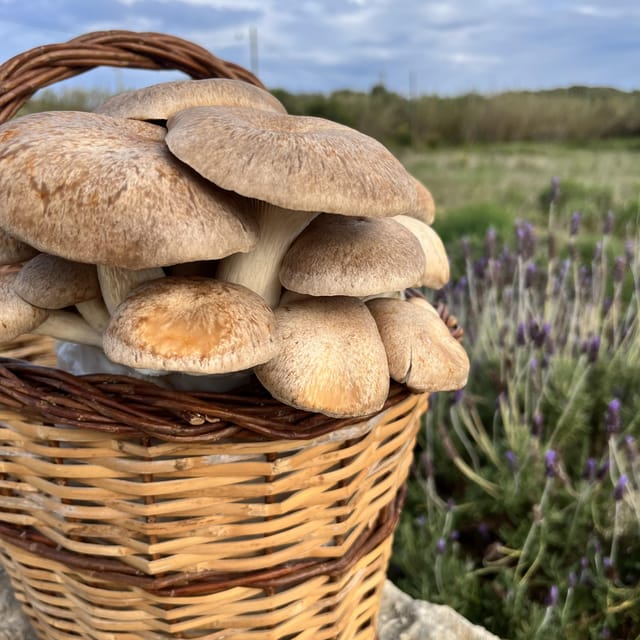
The entire activity takes place indoors. That makes it practical during rain, strong sun, or a cooler day when you want a break from outdoor sightseeing.
I would also consider it for the middle of a hot afternoon. You avoid a long exposed walk, and the two-hour length is easy to fit between other plans. Since no outdoor portion is specified, you should not book this expecting a countryside stroll or a forest hike.
The indoor setting is also helpful for access. The experience is wheelchair accessible, though the provided details do not describe the exact route, door widths, or restroom arrangements. If you need particular access features, contact the provider before you go.
Because the activity is available in English and Spanish, language should not be a major barrier for many visitors. The guide-led format gives you the chance to ask questions as the process unfolds, though the precise level of discussion will depend on the group and the guide on duty.
Who will enjoy Bolets de Menorca most
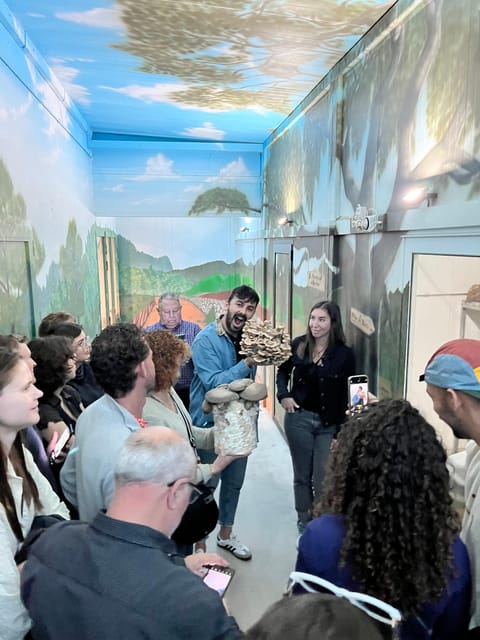
I would recommend this visit to food-minded people who want something beyond the standard Menorca circuit. It also fits nature lovers who are curious about fungi but do not want a technical lecture with no tasting at the end.
Families may find the indoor forest and unusual growing rooms more engaging than a traditional museum. Children who like science, food production, or strange natural forms should have plenty to look at, although parents should remember that the tour is guided and lasts two hours.
It is a good match for home cooks and aspiring mushroom growers. The staged explanation, images, and facility tour help you see how cultivation works from several angles. Just keep your expectations sensible: the activity teaches the process, but the available information does not promise a formal growing class.
Couples and small groups can use it as a change of pace from beaches and historic towns. It is also a useful fallback when weather disrupts outdoor plans. Since the tour is fully indoors, you do not need to worry about muddy paths or sun exposure.
I would be less likely to recommend it to someone who dislikes mushrooms, has little interest in how food is produced, or wants a long meal. The final tasting is central to the experience, and the subject remains mushrooms from beginning to end.
A few practical points before you book
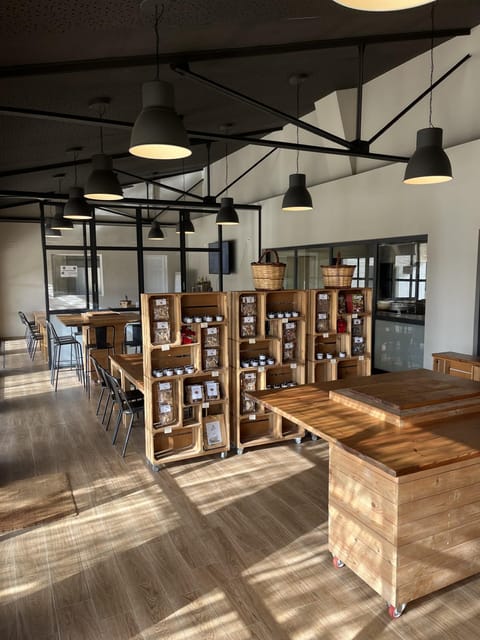
Set aside the full two hours. The visit is not just a quick explanation followed by a sample. It includes the introductory lesson, the route through several working areas, and the final tasting.
Do not assume the exact tasting dish from one visit will be served every time. Mushroom and shrimp burgers have received special attention, but the package promises one product rather than a fixed recipe list.
If you want more food or drinks, budget for extras. The included beverage covers water, local soft drinks, local beer, and wine, but additional drinks and recipes are not included.
The provider is Bolets de Menorca, also known as Sa Cuina de Sa Sinia. Tour times vary, so check the available starting times before you arrange transport or combine the visit with another booking.
You can book in Spanish or English, and the guide speaks one of those languages. The activity is wheelchair accessible, and the fully indoor design makes it a reliable choice when an outdoor plan is not appealing.
Should you book this mushroom tour?
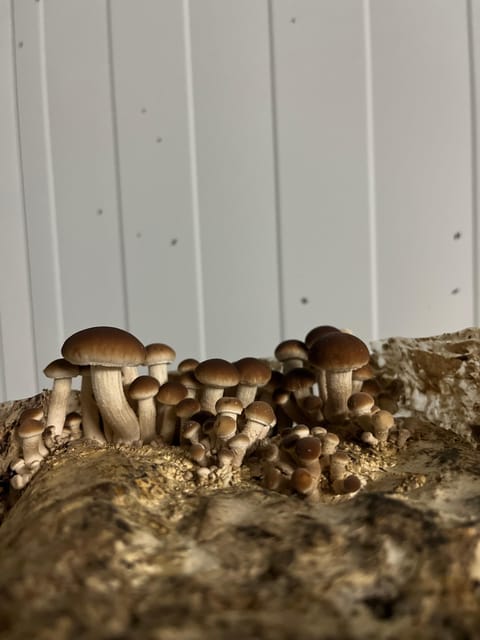
Book it if you want an unusual Menorca activity with a clear food connection. The best reason to go is the full chain from nature and laboratory work to growing rooms, indoor forest, workshop, and tasting. You are not simply shown a product. You are shown how it comes to life and how it reaches the plate.
At $23, it is good value for curious eaters, home cooks, families, and anyone looking for an indoor activity that is more distinctive than a standard museum. Go in expecting one tasting product, not a feast, and the experience should meet you on the right terms.
Skip it if mushrooms are not your thing or if you want a long agricultural walk in the open air. For everyone else, Bolets de Menorca offers a clever, focused look at a side of Menorca that most visitors never see.
FAQ
Where does the mushroom tour take place?
The experience takes place at Bolets de Menorca, also known as Sa Cuina de Sa Sinia, in the Balearic Islands of Spain.
How long does the guided mushroom farm visit last?
The activity lasts two hours.
How much does the experience cost?
The listed price is $23 per person.
What languages are available?
The live tour guide is available in Spanish and English.
What happens during the tour?
You begin with an introduction to mycology using videos and images. You then visit the laboratory, production areas, indoor forest, and workshop before finishing with a tasting.
Is food included?
Yes. The package includes a taste of one mushroom product.
Is a drink included?
Yes. The included beverage can be water, a local soft drink, local beer, or wine.
Are extra dishes and drinks included?
No. Extra beverages and extra recipes to taste are not included in the basic price.
Is the activity indoors and wheelchair accessible?
Yes. The activity is 100 percent indoors and is listed as wheelchair accessible.
Newly listed farm visits around Spain
- Animal farm park with free hotel pickup★ 5.0 · 2 reviews
- Bull Breeding Farm: Guided Half-Day Tour from Seville★ 4.5 · 24 reviews
- Olive Oil Farm Tour with Tasting from Seville★ 4.5 · 61 reviews
- From Seville: Pig Farm private day tour and old villages visit★ 4.5 · 4 reviews
- ” Basque Farm House & Cider house” tour + meal from San Sebastian★ 5.0 · 9 reviews
- Fuerteventura Villages Caves and Farm Tour with Lunch from North★ 3.0 · 9 reviews
- Menorca: Cheesemaking and Farm-Fresh Product Tasting★ 5.0 · 29 reviews
- Tropical Tour: Avocado & Mango Farm – Small group and tasting★ 5.0 · 38 reviews
Spain Farm Tours, compared.
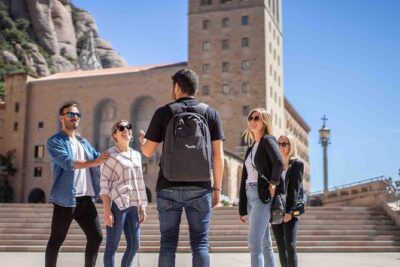
Montserrat Lunch & Wine at Farmhouse Small Group from Barcelona
Read our review →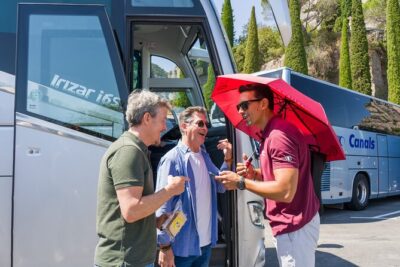
Montserrat Full Day Tour with Farmhouse Lunch and Winery Visit
Read our review →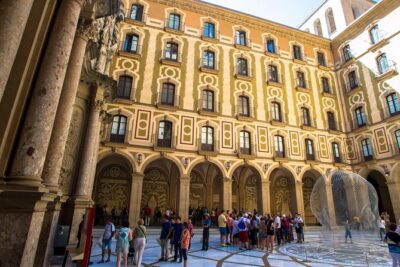
Montserrat & Winery Visit Tour with Traditional Farmhouse Lunch
Read our review →
Ría de Arousa: Boat Ride to Mussel Farm with Tasting
Read our review →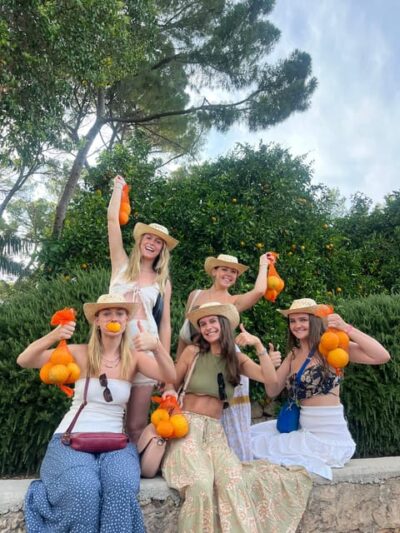
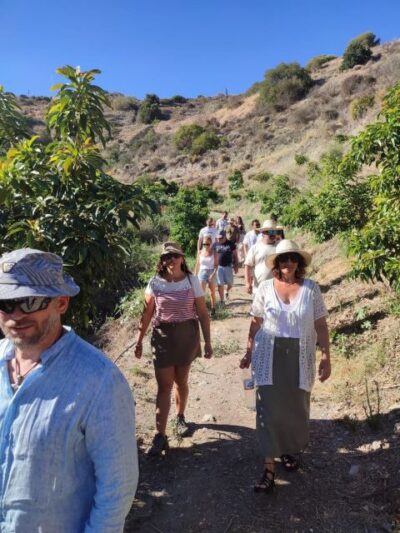
La Herradura Coffee Farm: tour in Europe’s only plantation
Read our review →
Alicante : E-Bike Coast Tour, Roman Fish Farm and Snorkeling
Read our review →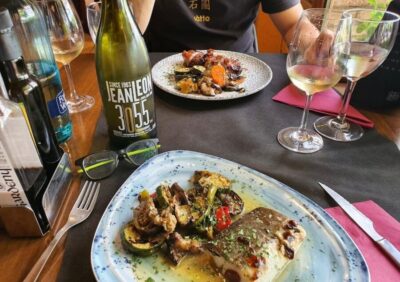
Barcelona: Montserrat with Winery Visit and Farmhouse Lunch
Read our review →Browse the lists this tour appears in