
Review · VIETNAM
Hanoi Farm Tour and Cooking Class with Local Family
The most interesting part of this outing is the change of pace. In about 35 to 40 minutes, you leave central Hanoi for Dong Bac, where an old village market, working fields, and a family kitchen offer a look at daily life that city sightseeing cannot provide. The market’s roots reach back to the Le King Dynasty in 1428, and the farm visit puts food on your plate into a local setting.
I like the mix of market, farm, and home cooking in one short visit. I also like that you do not just watch a demonstration: you choose dishes, prepare vegetables, cook, and eat with a Vietnamese family. The main drawback is transport. Your $43 ticket does not include the ride from your hotel, and the village is 18 kilometers from Hanoi’s Old Quarter.
Key points to know before you book
- A centuries-old market: Visit the historic market on one of its two or three weekly market days, or see a produce market on another day.
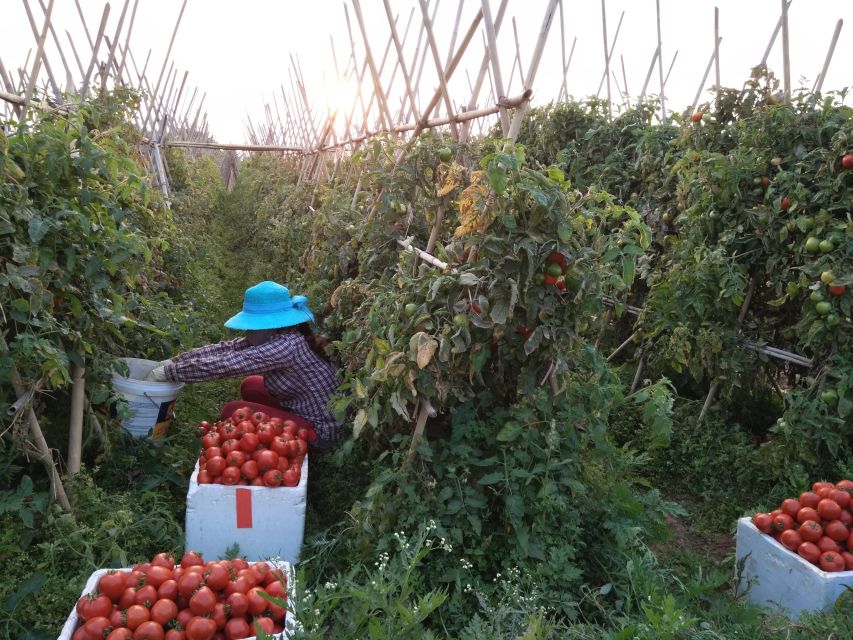
- Working fields beside the market: Walk among bitter melon, corn, cauliflower, cabbage, tomatoes, peas, and soybeans.
- Fruit gardens with familiar and less familiar sights: Look for oranges, pomelos, papayas, guavas, and bananas.
- A real home kitchen: Prepare traditional dishes with a local host and family instead of sitting through a purely staged show.
- Private English-speaking guidance: The group is private, which makes it easier to ask questions about farming, food, and family customs.
- Plan the ride carefully: Arrange a taxi to Đình Phương Viên, Đê Song Phương, Hoài Đức, Hanoi, the meeting point and return point.
Leaving Hanoi for Dong Bac
This four-hour visit begins outside the city center. The village sits about 18 kilometers from Hanoi’s Old Quarter, and the drive generally takes 35 to 40 minutes. A taxi is recommended as the most comfortable and least costly way to reach the meeting point, but hotel pickup is not included, so allow time to arrange it.
That transfer matters. You are not simply walking to a cooking studio tucked into central Hanoi. You are going to a village area where fields, gardens, homes, and local trading still shape the day. The ride also makes this a better choice for a half-day when you want a break from traffic and packed streets.
The meeting point is Đình Phương Viên on Song Phuong Dyke in Hoài Đức. The tour ends at the same place, so you need to plan your return taxi as well. After booking, you receive the house address and a detailed menu, which helps you understand the plan before you arrive.
The host speaks English, and the activity is private. Names associated with the hosting team include Mandy, Manh, and Sandy. Since the supplied experiences identify hosts by different names, confirm your host when you book. That small step prevents confusion at the market or meeting point.
More Cooking Classes in Vietnam:
- Cocolocal Farm Cooking Class with market tour and basket boat
★ 5.0 · 231 reviews - Farm-To-Table Healthy Cooking Class in Ho Chi Minh City
★ 5.0 · 79 reviews - Rural Hoi An Cycling, Cooking Class at Organic Farm
★ 5.0 · 72 reviews
The old market and its changing rhythm
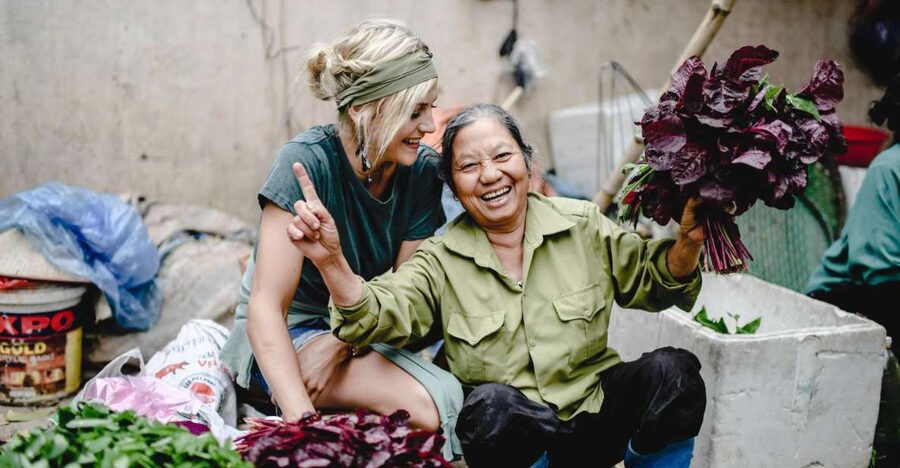
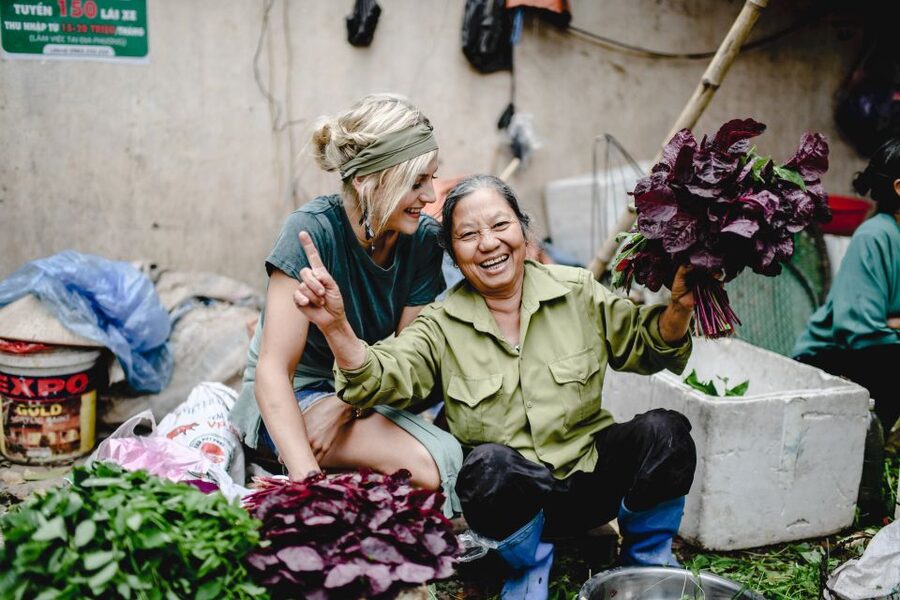
The market is the first major stop, and the timing can change what you see. On market day, held two or three times each week, people from nearby villages come to trade animals and goods. You might see dogs, cats, pigs, chickens, ducks, bamboo baskets, and other traditional items.
This is not a polished food hall built for sightseeing. It is a place where buying and selling have practical purpose. That makes the visit useful for understanding how village trade works, especially if your only view of Vietnam so far has been Hanoi’s urban streets and tourist districts.
The market’s reported connection to the Le King Dynasty of 1428 gives it an unusual historical angle. Still, keep your expectations realistic. The experience is a guided walk through a working market, not a formal history tour with museum displays and long historical lectures.
On market days, you may also see old women chewing betel and areca nut, while blacksmiths work near bright braziers. These details show older customs and crafts continuing beside ordinary trade. They are also the sort of small, specific sights that make a village visit more memorable than a quick stop for photographs.
If your visit falls on a day without the larger market, the host takes you to another local market instead. There, the focus is on fish, vegetables, fruit, and meat. You lose some of the animal trading and blacksmith activity, but you still get a look at local food shopping and a chance to talk with people in the area.
I would not choose your date solely to chase the historic market unless the schedule is clear. The alternative market still supports the cooking portion of the visit, since you are seeing the foods and ingredients used in everyday meals.
From market stalls to working farms
The fields are right next to the market, so the tour moves quickly from buying food to seeing it grow. You walk through vegetable farms planted with bitter melon, corn, cauliflower, cabbage, tomatoes, green peas, and soybeans.
The value here is simple: you get a direct link between the market and the meal. Instead of hearing a general talk about Vietnamese cooking, you can ask a working farmer about cultivation methods and daily life. The host helps explain what you are seeing, and you have room to ask questions in English.
The fruit gardens add another layer. Depending on the season and the garden, you can see oranges, pomelos, papayas, guavas, and bananas. The tour information does not promise that every crop will be fruiting or ready to pick, so think of this as a walk through growing areas rather than a harvest activity.
I like this stop because it gives context to the cooking class. Vietnamese food can look simple at the table, but the farm visit shows the work behind its vegetables and fruit. It also offers a calmer contrast to the market, with open fields and a slower daily rhythm.
The walk may be less appealing if you want a tightly scheduled sightseeing tour with major landmarks. You are visiting production fields, not a botanical garden. Conditions can also vary with the weather, season, and farm activity, although those details are not fixed in the tour information.
Cooking in a family home
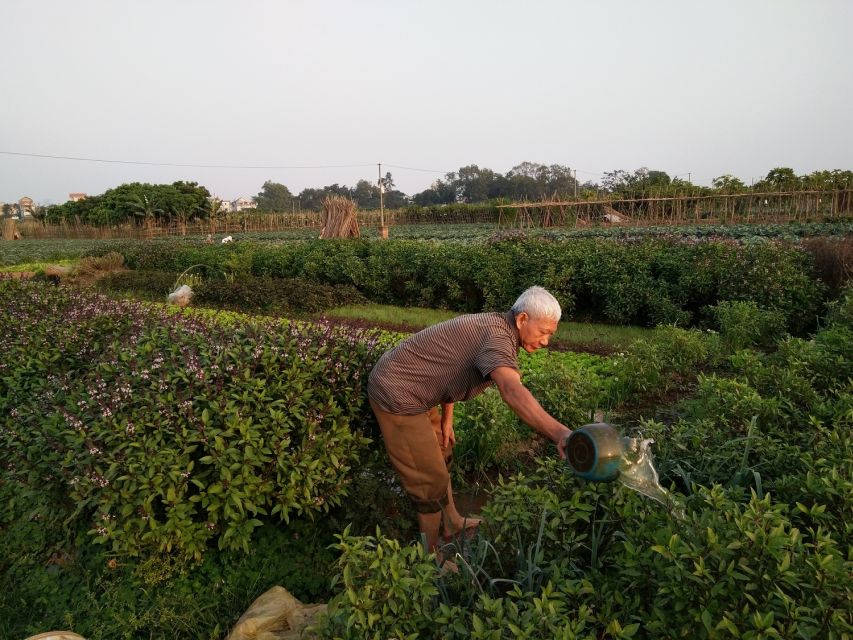
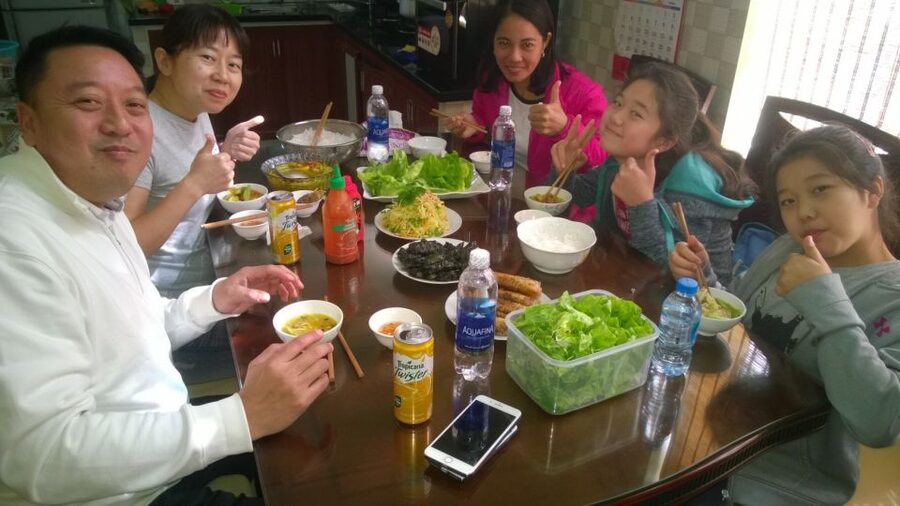
After the market and farm, you go to a local home for the cooking class. This is the heart of the experience. You work in a family kitchen, prepare vegetables, and cook traditional Vietnamese dishes under the host’s direction.
Before the visit, you are sent a detailed menu so you can choose what you want to make. That is a useful feature. It gives you some control over the meal and lets you focus on dishes that interest you, rather than accepting a fixed menu without warning.
The class is hands-on. You are not only watching someone chop and stir while you sit at a table. The available accounts describe visitors preparing vegetables, cooking with the host, and then eating the finished food together. If you enjoy Vietnamese cuisine, this practical element is worth more than a standard restaurant lunch.
The meal uses local fresh vegetables and fruit, and drinks are included. Tea and traditional cake are also part of the time in the home. The result is not just lunch, but a chance to see how food fits into family life and local customs.
Do not expect a professional cooking school with rows of identical stations. The setting is a private home, and that is the point. You may have less formal equipment and less precise timing than in a commercial class, but you gain conversation and a more personal setting.
The family element is especially important. You share food and conversation with Vietnamese people in their home, rather than meeting only a guide at a tourist site. The host can explain household customs, ingredients, and routines as the meal comes together.
More farm tours around Vietnam:
- From Ho Chi Minh: Can Gio Trek – Monkey Island & Crocodile Farm
★ 5.0 · 353 reviews - Phu Quoc: Kayaking with Starfish Beach and Bee Farm Tour
★ 4.4 · 213 reviews - Coffee Farm Tour with Roasting & Tasting Workshop – Da Lat
★ 5.0 · 126 reviews - Experience specialty coffee with sustainable coffee farmers
★ 4.9 · 91 reviews
What the host adds to the visit
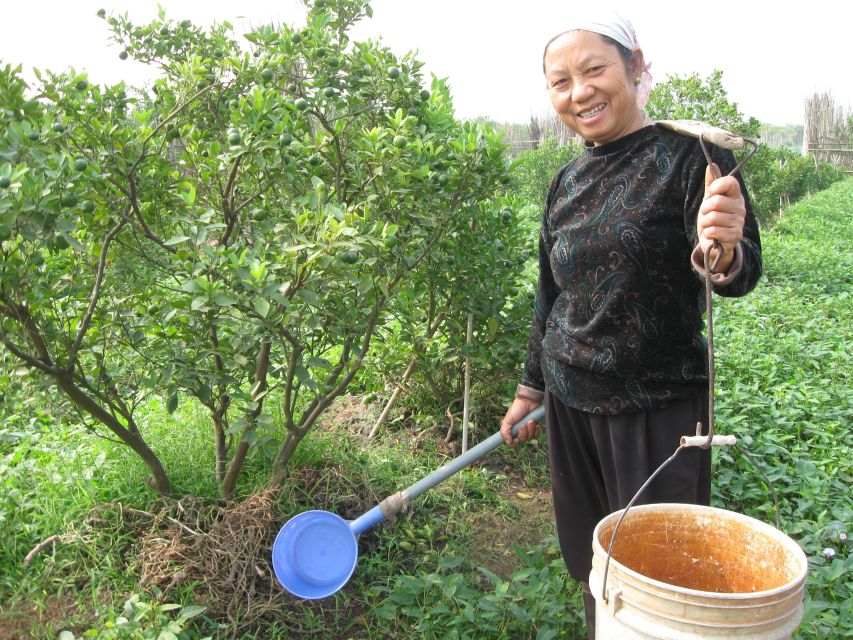
A good host matters here because the tour depends on conversation. At the market, you need explanations about unfamiliar goods and local habits. At the farm, you need help connecting the crops to local life. In the kitchen, you need clear guidance while preparing dishes.
The hosts named in the supplied details, including Mandy, Manh, and Sandy, are described as friendly, easygoing, and strong at explaining the market, farming, and food. One account specifically highlights the host’s ability to guide the market walk, explain farming, and make the home cooking feel welcoming.
You should still treat the names as a booking detail to confirm. The activity is provided as a private English-language experience, but the exact host may depend on the date. If asking questions about agriculture or Vietnamese family customs is important to you, send those questions before the tour so the host knows what interests you.
The private format is useful for couples, families, or small groups. You can ask about dishes, stop to look at market items, and spend more time on points that catch your attention. It is less suited to someone who prefers a large group with a fixed script and constant movement.
Is $43 a fair price?
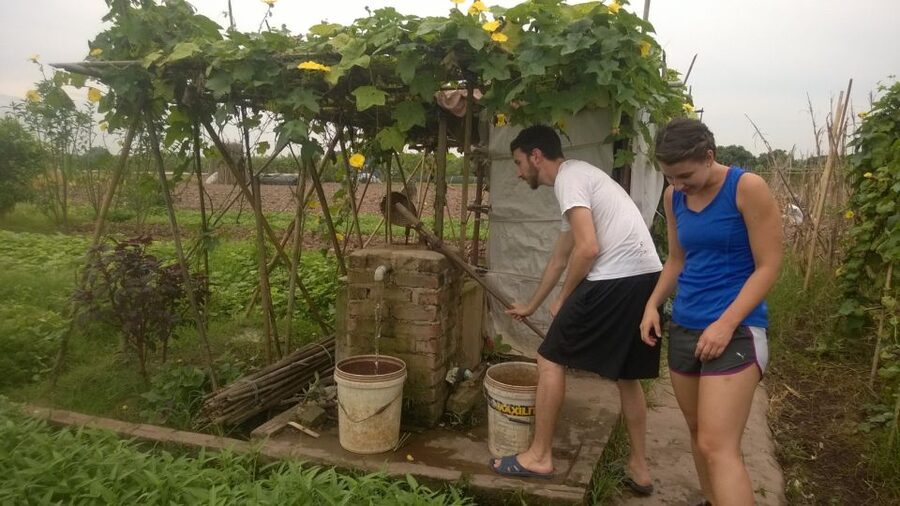
At $43 per person, the cost covers an English-speaking private host, the market visit, the farm visit, cooking instruction, a meal, and drinks. It does not cover your taxi from Hanoi or travel insurance.
That is reasonable value if you want several connected activities in one half-day. A market walk alone would offer local color but little participation. A cooking class alone would teach food preparation but remove the farm and village context. Here, the three parts support each other.
The price works best for visitors who value access and conversation over landmark collecting. You are paying for a local guide, a private setting, ingredients, and time with a family, not for entrance to a major attraction. If your main goal is to see Hanoi’s famous monuments, you may find another tour more efficient.
Remember to add transport to your budget. Since the meeting point is outside the Old Quarter and hotel pickup is not included, the taxi is a real part of the cost and planning. The recommended route is by taxi because it is described as the cheapest and most comfortable option.
Free cancellation is available up to 24 hours before the start, and you can reserve now and pay later. Those terms make it easier to fit the visit into a changing Hanoi schedule, but they do not remove the need to check the meeting time and arrange your ride.
Who will enjoy this four-hour visit?
I would choose this for someone who wants to understand Vietnamese food beyond a restaurant menu. It suits curious eaters, home cooks, families, couples, and visitors who like talking with local people.
It is also a good choice after several days in central Hanoi. The market provides activity, while the fields and family home offer a slower setting. You get a short trip outside the city without committing to a full-day excursion.
Families should check the details of the food and kitchen setting before booking, since the activity is not listed as suitable for pregnant women. The tour information does not provide a separate accessibility description, so ask the provider if you have mobility or other access needs.
I would hesitate if you dislike markets involving live animals, if you want a polished cooking school, or if you need hotel pickup. The market can be active and traditional, and the home kitchen is informal by design.
The experience has a 4.9 rating from 14 reviews, with the strongest praise focused on the hosts, the fresh home-cooked meal, the farm visit, and the chance to spend time with a local family. Those are also the parts I would treat as the main reasons to book.
Should you book it?
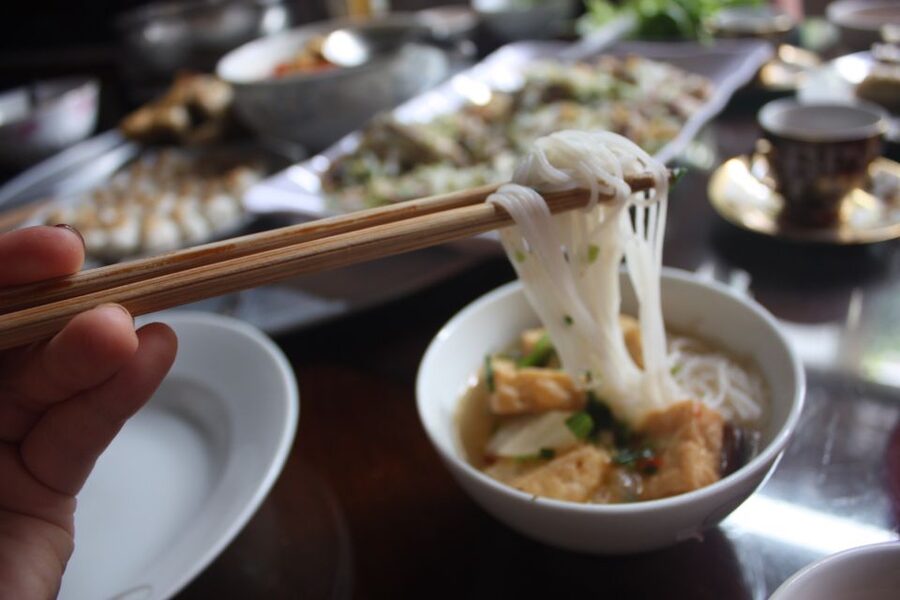
Book this tour if you want a personal, food-centered look at life outside Hanoi’s Old Quarter. The best feature is the full chain from market to farm to kitchen. You see ingredients being traded, crops being grown, and dishes being made and eaten in a family home.
Before paying, confirm the host’s name, the available starting time, the menu, and the taxi plan to Đình Phương Viên. If those details suit your day, $43 buys a thoughtful half-day with real participation rather than another quick city stop.
FAQ
How long does the Hanoi farm and cooking tour last?
The activity lasts four hours. Starting times depend on availability.
Where does the tour begin and end?
It begins at Đình Phương Viên, Đê Song Phương, Hoài Đức, Hanoi, and ends back at the same meeting point.
How far is the village from Hanoi’s Old Quarter?
The village is about 18 kilometers from Hanoi’s Old Quarter, usually a 35 to 40 minute drive by car.
Is transportation from my hotel included?
No. Hotel transfers are not included. A taxi to the village is recommended as the cheapest and most comfortable way to reach the meeting point.
What happens if I visit when the historic market is not open?
You visit another local market selling produce such as fish, vegetables, fruit, and meat. The larger historic market operates two or three times per week.
Is the cooking class private?
Yes. The activity is for a private group and includes a private English-speaking local host.
What is included in the price?
The $43 price includes the market and farm visit, cooking class, meal, drinks, and English-speaking host. Travel insurance and transport from your hotel are not included.
Newly listed farm visits around Vietnam
- Sapa Half Day Local Farming Experience★ 5.0 · 3 reviews
- Hue Organic Farm Visit and Traditional Cooking Class★ 5.0 · 4 reviews
- Private Cycling Tour in Rural Hue with Farming Experience★ 5.0 · 18 reviews
- Experience Buffalo Ride and Farmer in Hoi An★ 5.0 · 3 reviews
- Tra Que Village Cycling And Farming★ 5.0 · 15 reviews
- Hoi An Rural Life And Cooking At Organic Farm★ 5.0 · 7 reviews
- Hoi An Home Hosted Meal in Rice Farmer Home★ 5.0 · 3 reviews
- Sunset photo tour with the farmers★ 4.5 · 7 reviews
Cooking Classes, compared.
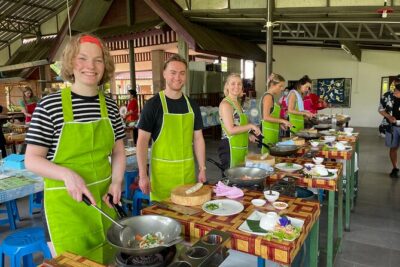
Half-Day Thai Cooking Class at Organic Farm in Chiang Mai
Read our review →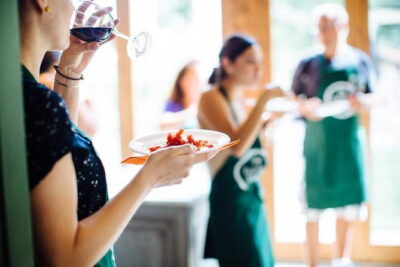
Cooking Class and Lunch at a Tuscan Farmhouse with Local Market Tour from Florence
Read our review →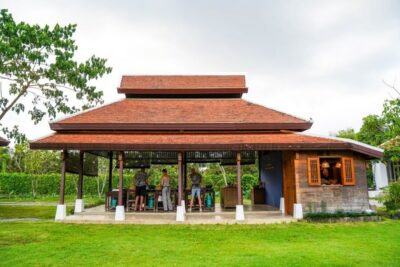
Authentic Cooking Class with Market & Farm Visit
Read our review →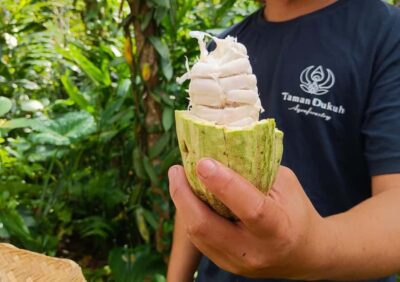
Hands-On Cooking Class & Farmhouse Tour on the Amalfi Coast
Read our review →
Thai Cooking Class | Since 2012 | Farm to Table
Read our review →Browse the lists this tour appears in