
Review · DALAT
Experience Making specialty coffee in Da Lat City
Da Lat’s coffee story becomes far more interesting when you stop treating coffee as a finished drink. At HuyEco Coffee Farm, you handle the beans, compare Arabica and Robusta, and see how drying, roasting, and brewing change the cup. The focus is on coffee grown and processed by the owner, not a generic tasting imported from somewhere else.
I like the hands-on roasting, which gives you a clear feel for how heat changes flavor. I also like the chance to compare natural and washed coffees, including the bright, sour, sweet, and fruity notes that can disappear when coffee is mixed with other ingredients.
The main drawback is the short one-hour format. You get a useful introduction and several tastings, but not a full farm tour or a long technical class. If you want a slow visit with plenty of time among the coffee plants, this may feel brisk.
Key points to know
- Taste five Vietnamese coffee styles: The session includes Arabica and Robusta from the owner’s farm, with different processing and roasting methods.
- Roast the beans yourself: You compare light, medium, and dark roast levels and see how roast time affects taste.
- Learn natural and washed processing: The named examples include naturally processed Robusta, plus naturally processed and washed Arabica.
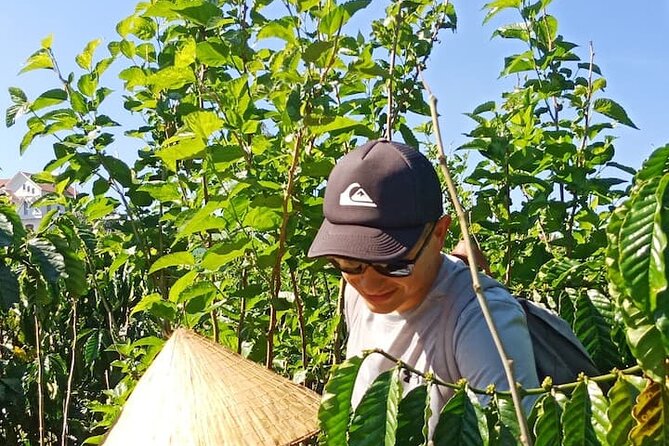
- Visit a working coffee garden: You can see the plants and connect the tasting to actual cultivation.
- Finish with phin coffee: You make your own cup using Vietnam’s familiar slow-drip metal filter.
- Keep the group small: A maximum of 10 people allows room for questions, though the activity lasts only about an hour.
Coffee from the farmer, not just coffee about Vietnam
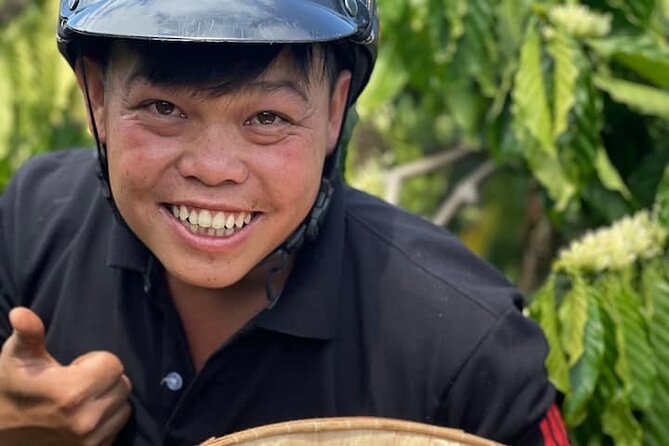
Da Lat is one of Vietnam’s best places to talk about coffee because the city sits in a highland growing region with a strong agricultural identity. This experience takes that conversation into a small, sustainable farm and coffee shop run by the person who grows and processes the beans.
That connection matters. You are not simply handed a cup and told that it is Arabica or Robusta. You can ask how the beans were grown, how they were dried, and why the final drink tastes different. The owner’s explanations cover cultivation, processing, roasting, and brewing, giving you a useful chain from plant to cup.
The experience is especially suited to anyone who has mostly encountered dark, sweet, or heavily mixed Vietnamese coffee. Here, the stated aim is to show coffee in a more original form, including sour, sweet, and fruity notes. Those flavors may surprise you if your idea of Vietnamese coffee is limited to a strong drink with condensed milk.
The setting also keeps the lesson grounded. You meet at HuyEco Coffee Farm on Hẻm 29, Đường 3/4, in Ward 3 of Da Lat. The activity begins and ends there, so you do not need to arrange a separate transfer between a farm and a tasting room.
More Coffee Farm Tours in Vietnam
- Coffee Farm Tour with Roasting & Tasting Workshop – Da Lat
★ 5.0 · 126 reviews - Experience specialty coffee with sustainable coffee farmers
★ 4.9 · 91 reviews - Dalat Countryside Motorbike Day Tour–Coffee Farms & Pagodas
★ 5.0 · 53 reviews
Three coffee processes that change the cup
The most useful part of the session is the comparison between coffee types and processing methods. Coffee variety matters, but the way the fruit is handled after picking can change the character of the drink just as much.
The experience includes five types of coffee from the farm. The specific examples listed are:
- Vietnamese Robusta with a natural process
- Vietnamese Arabica with a washed process
- Vietnamese Arabica with a natural process
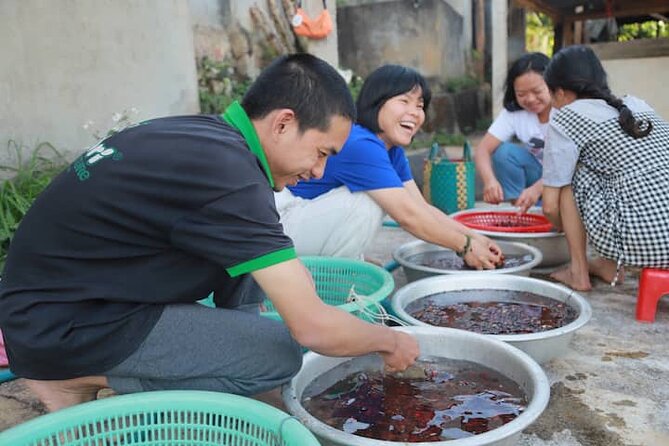
The natural process leaves the coffee fruit around the seed while it dries. The washed process removes the fruit before drying. You do not need technical coffee training to follow the difference, since the owner explains how these choices affect flavor.
This is where the tasting becomes more useful than a standard coffee stop. You can compare coffees that share a growing region but have different treatment after harvest. The natural coffees may show more fruit-led character, while the washed coffee may taste cleaner or brighter, but the point is to taste the contrast rather than accept a fixed rule.
The supplied description refers to five coffee types, while only three specific process examples are named. You should expect a broad tasting across five styles, but do not assume that every bean or processing method will be explained in equal detail. If a particular variety matters to you, ask about it during the session.
A small farm with a personal scale
The farm is described as sustainable and human-scale. That does not mean you should expect a large plantation visit with long paths and many formal displays. Instead, you get a closer look at how one coffee grower works and makes decisions about the final drink.
A short visit to the garden gives the plants a useful role in the lesson. Coffee can seem abstract when it arrives as roasted beans in a bag. Seeing the plants helps connect the green fruit, the dried bean, and the drink in your cup.
The owner is the central guide, and the experience relies on his ability to explain what he grows and how he works with it. The available information does not provide his name, so you should not expect a named guide service with several staff members. The format is personal, and the small group limit of 10 should make it easier to ask direct questions.
I would use this part of the visit to ask about the practical choices behind the coffee. Which beans are naturally processed? Why choose a washed process for one Arabica? How does the owner decide the roast level? The listed format is built for those questions.
Roasting three ways, light to dark
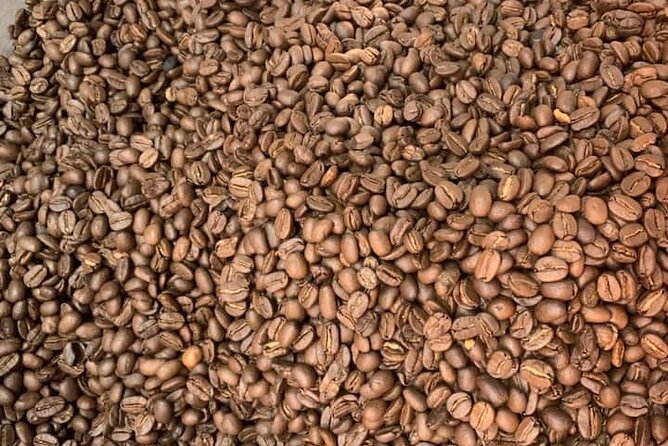
You do not only watch someone roast coffee. You roast the beans yourself and taste coffee prepared at light, medium, and dark roast levels.
That hands-on step is valuable because roast level is often discussed in vague terms. Here, you can connect the smell, color, and taste of the beans with the amount of heat they receive. A light roast can preserve more of the bean’s own fruit and acidity, while a darker roast can bring stronger toasted flavors. The exact result depends on the bean and the process, which is why comparing several samples helps.
The session is not advertised as a professional roasting course, and the one-hour length limits how much detail can fit. Still, it gives you a practical base for choosing coffee later. After this visit, the words light, medium, and dark should mean more than a label on a cafe menu.
Roasting your own beans also adds a small element of risk and fun. You need to pay attention to the changes in the beans rather than simply waiting for a finished demonstration. That makes this more memorable than a tasting where every decision has already been made for you.
Same countryside, another kind of harvest:
- Mekong Day Trip Explore Village Bicycle CookingClass Group 12 Pax
★ 5.0 · 705 reviews - From Ho Chi Minh: Can Gio Trek – Monkey Island & Crocodile Farm
★ 5.0 · 353 reviews - Cocolocal Farm Cooking Class with market tour and basket boat
★ 5.0 · 231 reviews - Phu Quoc: Kayaking with Starfish Beach and Bee Farm Tour
★ 4.4 · 213 reviews
Brewing methods and the final phin cup
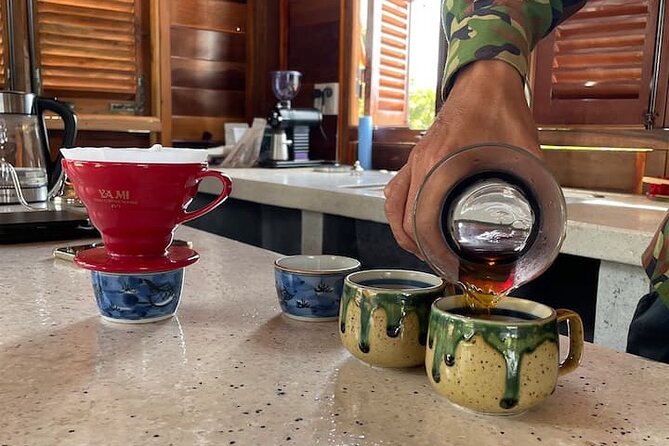
After the roast comparisons, you taste the coffee using different brewing techniques. The description links this tasting to the light, medium, and dark roast levels, so you can see how roast and brewing interact.
This is an important distinction. A coffee that tastes fruity in one preparation may seem heavier or sharper in another. Brewing controls how much flavor reaches the cup, how quickly it arrives, and how much body you notice. Even a short lesson can show why the same beans do not always taste the same.
The final step is making your own traditional Vietnamese phin coffee. A phin is a small metal filter that sits over the cup and lets water pass slowly through the grounds. It is a simple method, but it has a strong place in everyday Vietnamese coffee culture.
You also get a view of Da Lat while preparing the phin coffee. The information does not promise a particular landmark or a wide panoramic lookout, so keep your expectations reasonable. The view is an added setting for the final cup, not the main reason to book the activity.
This ending works well because it moves from explanation to action. You first learn about the farm and beans, then roast and taste, and finally make something yourself using a familiar Vietnamese method.
What the one-hour schedule really gives you
The advertised duration is about one hour. That makes this easy to fit into a morning or afternoon in Da Lat, especially if you want one focused activity rather than a half-day outing.
The schedule appears to include several parts:
- An introduction to the farm’s coffee varieties and growing work.
- A visit to the garden to see the coffee plants.
- An explanation of natural and washed processing.
- Roasting beans at light, medium, and dark levels.
- Tasting coffee prepared with different brewing techniques.
- Making your own phin coffee while looking over the city.
That is a lot for 60 minutes. You should expect a brisk pace, particularly if the group reaches the maximum of 10 people. The benefit is efficiency. You can learn the main ideas without giving up most of a day.
The cost is $21 per person. I consider that fair if you value participation and comparison rather than simply buying a drink. You are paying for access to several farm coffees, the owner’s instruction, the roasting activity, the garden visit, and the brewing session.
The value is less convincing if you only want a quick cup of coffee. Da Lat has many places to drink coffee, and this activity makes sense because it explains what is in the cup. It is best viewed as a compact coffee lesson with tasting, not as a cheap cafe stop.
Who will get the most from this experience
I would recommend this to coffee drinkers who want to understand why Vietnamese coffee can taste sour, sweet, fruity, earthy, or strongly roasted. It also suits people who enjoy meeting a producer and seeing a small operation rather than visiting a polished commercial attraction.
It is a good choice for:
- Coffee drinkers curious about Arabica and Robusta
- Visitors who want an activity based in Da Lat rather than a long day trip
- People interested in sustainable farming on a small scale
- Anyone who likes tasting several versions of the same product
- Couples, friends, and small groups who enjoy practical activities
- Visitors who want to learn the phin method and repeat it at home
It may not suit you if you dislike coffee, need a long farm walk, or want a detailed professional course in roasting. The description does not promise a full meal, coffee purchases, transportation, or an extended plantation tour. Stick to what is offered: a focused farm-based tasting and brewing session.
Useful planning details before you book
The meeting point is HuyEco Coffee Farm, Hẻm 29 Đường 3/4, Phường 3, Đà Lạt, Lâm Đồng 66000, Vietnam. The activity returns to that same location, which keeps the plan simple.
A mobile ticket is provided, and confirmation is received when you book. The group can include no more than 10 people. That limit is helpful for a discussion led by the owner, but a full group may still make the one-hour schedule feel tight.
The cancellation policy is flexible if your plans change early. You can cancel at least 24 hours before the local start time for a full refund. Cancellations or changes made less than 24 hours before the start time are not accepted for a refund.
Because the experience involves tasting several coffees, think about timing if you are sensitive to caffeine. The supplied details do not state that decaffeinated coffee, food, or alternative drinks are available, so you should not count on those options.
Should you book the Da Lat coffee session?
Book it if you want to understand coffee through the person who grows, processes, roasts, and brews it. The strongest reasons are the five-style tasting, the comparison of natural and washed coffees, the chance to roast beans yourself, and the final phin coffee you prepare while looking over Da Lat.
Skip it if you want a long plantation visit or a relaxed afternoon with no set pace. One hour is enough for a strong introduction, but not enough for every question about farming, processing, roasting, and brewing.
At $21, this is a good-value choice for curious coffee drinkers. It offers real participation, a small sustainable farm setting, and clear explanations from the owner. Just arrive ready for a compact lesson, not a full-day agricultural tour.
FAQ
Where does the coffee experience begin and end?
It begins at HuyEco Coffee Farm, Hẻm 29 Đường 3/4, Phường 3, Đà Lạt, Lâm Đồng 66000, Vietnam. The activity ends back at the same meeting point.
How long does the experience last?
The experience lasts about one hour.
How much does the experience cost?
The listed price is $21 per person.
How many people can join?
The activity has a maximum of 10 participants.
Will I make coffee myself?
Yes. You roast coffee beans yourself, taste coffee prepared with different brewing techniques, and make your own traditional Vietnamese phin coffee.
Can I cancel for a full refund?
Yes. You can cancel at least 24 hours before the local start time for a full refund. Cancellations or changes made less than 24 hours before the start time are not accepted for a refund.
Newly listed farm visits around Vietnam
- Sapa Half Day Local Farming Experience★ 5.0 · 3 reviews
- Hue Organic Farm Visit and Traditional Cooking Class★ 5.0 · 4 reviews
- Private Cycling Tour in Rural Hue with Farming Experience★ 5.0 · 18 reviews
- Experience Buffalo Ride and Farmer in Hoi An★ 5.0 · 3 reviews
- Tra Que Village Cycling And Farming★ 5.0 · 15 reviews
- Hoi An Rural Life And Cooking At Organic Farm★ 5.0 · 7 reviews
- Hoi An Home Hosted Meal in Rice Farmer Home★ 5.0 · 3 reviews
- Sunset photo tour with the farmers★ 4.5 · 7 reviews
Coffee Farm Tours, compared.
Award Winning Farm Tour: Coffee, Chocolate and Unique Gifts
Read our review →
La Herradura Coffee Farm: tour in Europe’s only plantation
Read our review →
Medellín Coffee Farm Tour with Trolley and Cable Car Ride
Read our review →
Liamuiga Natural Farm Tour – St.Kitts’ Coffee Farm
Read our review →
Horseback Riding Coffee Farm Tour with Coffee Spa
Read our review →
From Bogotá: Coffee Farm and Tequendama Falls Tour
Read our review →
Coffee Farm Tour with Roasting & Tasting Workshop – Da Lat
Read our review →Browse the lists this tour appears in