
Review · VIETNAM
Buon Ma Thuot: Coffee Farm Tour (Bean to Brew) with Pickup
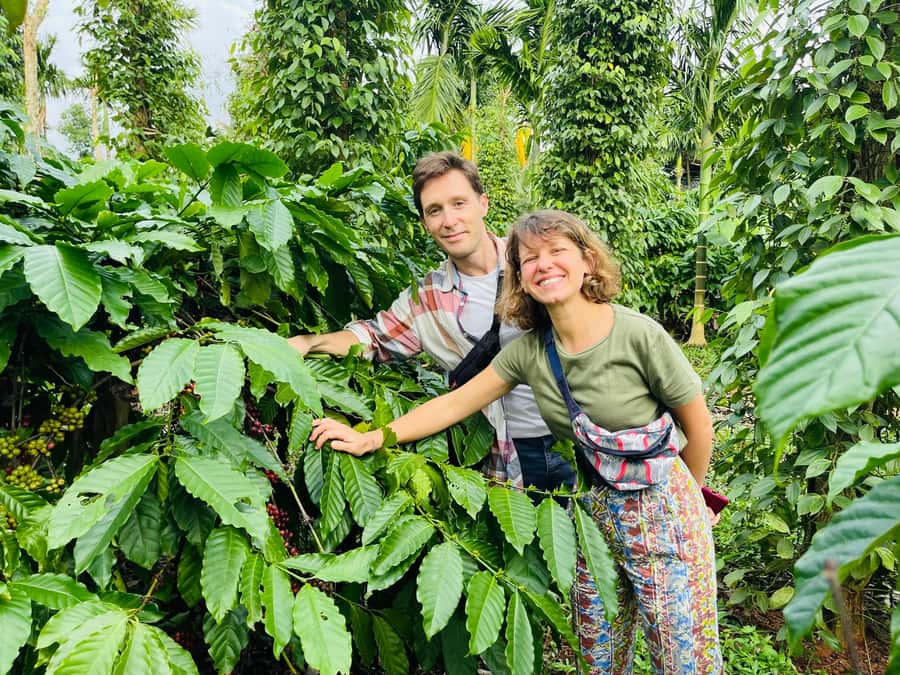
Buon Ma Thuot’s coffee story begins in the soil, not in the cup. This short farm visit takes you from Arabica and Robusta trees to pruning, weeding, irrigation, processing, and finally a coffee tasting in the Central Highlands. The practical farm work gives the tour more substance than a simple plantation walk.
I like two things in particular: you get to handle real coffee-care tasks with local people, and the final tasting lets you compare coffee brewed by machine or traditional filter. The setting outside town also gives you a quiet country break. The main consideration is timing: outside harvest season, you will not see harvesting or drying.
Key points
- Arabica and Robusta together: See two coffee varieties grown in Buon Ma Thuot and learn how they differ.
- Hands-on farm care: Try pruning, bud breaking, weeding, seasonal fertilization, and cleaning around the coffee tree.
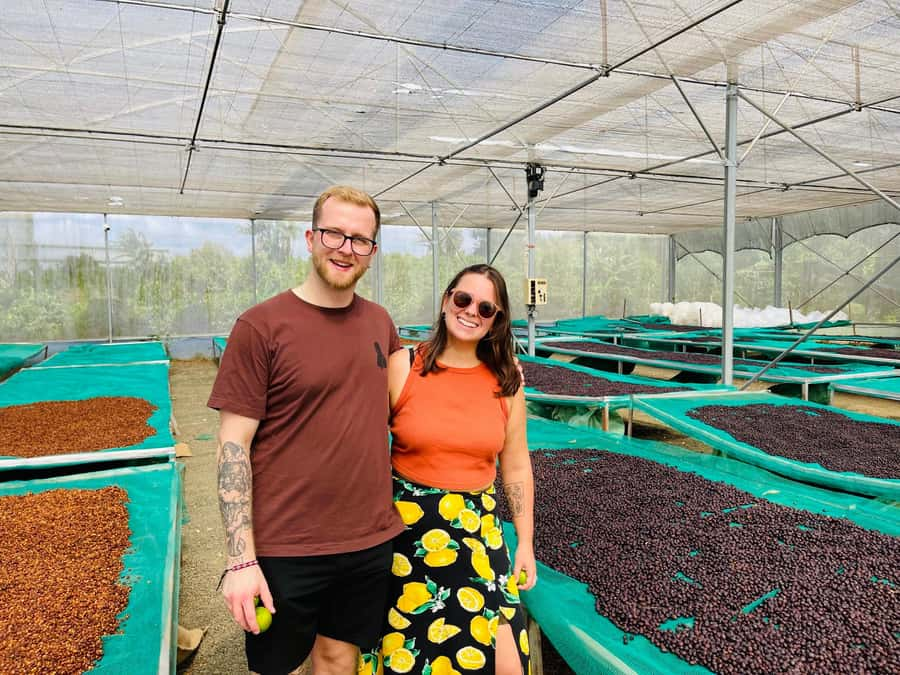
- Wet-dry processing: Follow the steps that turn freshly picked cherries into usable coffee beans.
- Traditional irrigation: Learn how local irrigation systems work and why water management matters.
- A calm country setting: The farm is only a short drive from town but feels removed from city traffic.
- Coffee at the finish: Choose black or milk coffee prepared with a machine or filter.
Why this small farm visit is worth your time
Buon Ma Thuot is widely known as Vietnam’s coffee capital, and this experience explains why in a direct, useful way. Instead of treating coffee as a finished drink, you see the work behind it. A coffee tree needs regular care, the right water, seasonal feeding, and careful processing before its beans reach a roaster or café.
The tour lasts about 90 minutes, so it fits neatly into a morning or afternoon in Buon Ma Thuot. I see this as its biggest strength. You get a real sense of the area without giving up half a day or a full day of sightseeing.
You pay about $25 per person. That price includes transportation from the central city area, farm instruction, the coffee tasting, and the activity costs listed for the visit. It is good value if you want more than a look at rows of coffee trees. You are paying for access, interpretation, participation, and a drink at the end.
You should not expect a large museum, a long formal lecture, or an elaborate meal. This is a compact working-farm experience. Its appeal comes from seeing ordinary agricultural work explained clearly and then tasting the result.
More Coffee Farm Tours in Vietnam
- Coffee Farm Tour with Roasting & Tasting Workshop – Da Lat
★ 5.0 · 126 reviews - Experience specialty coffee with sustainable coffee farmers
★ 4.9 · 91 reviews - Dalat Countryside Motorbike Day Tour–Coffee Farms & Pagodas
★ 5.0 · 53 reviews
Pickup from Buon Ma Thuot to the coffee farm
You can request pickup from your hotel in Buon Ma Thuot or meet at Buon Ma Thuot Square. The pickup area covers the central city. If your accommodation is more than 3 kilometers outside the center, you need to go to the square and arrive at least five minutes before departure.
The driver contacts you by phone or WhatsApp before pickup. That small step matters in Buon Ma Thuot, where hotel names and locations may not always be obvious to a driver who does not speak much English.
The ride to the farm is short, according to the experience details and direct timing information. You move quickly from the city to a more rural setting, which makes this a handy break from urban streets. The drive is part of the experience, but it is not presented as a sightseeing route with several stops.
One practical point: communication may vary between the driver and the farm guide. Driver Long is praised for being careful, friendly, and flexible, though he did not speak English well. Translation apps helped, and he gave enough time to enjoy the stop without rushing. The guide may be stronger in English. Ngan, in particular, is described as warm, talkative, and very good at answering questions.
Do not confuse the driver with the guide. The driver handles the transfer, while the farm guide leads the coffee explanation and activities. That division worked well for the experience described here.
Walking between Arabica and Robusta coffee trees
At the plantation, you begin with a guided look at the coffee garden. The important lesson is that Buon Ma Thuot coffee is not one single product. Arabica and Robusta grow in the region, and the tour introduces both.
You learn how the trees are cared for through the year. That can include pruning, breaking buds, removing unwanted growth, weeding, adding fertilizer at the proper season, and clearing the basin around each tree. These are not glamorous tasks, but they explain the steady labor required before harvest.
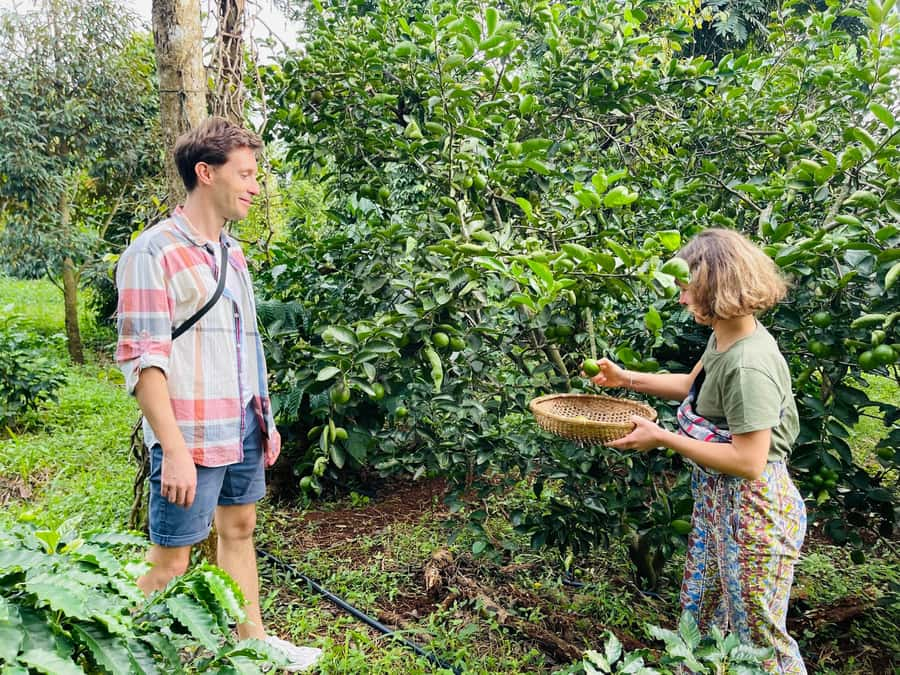
The farm-care portion is one of the best reasons to book this visit. You are not simply told that coffee farming takes work. You get instructions and take part in selected procedures with local people. The exact tasks can depend on the season and current farm needs, so treat the activity as practical participation rather than a fixed workshop with identical steps every day.
The coffee tree basin deserves attention. Keeping the area around the trunk clean helps farmers manage weeds, fertilizer, and water. It also shows you how farming decisions are linked. Weeding, fertilizing, and irrigation are not separate chores. Each affects the health of the tree and the quality of the crop.
The guide also discusses organic and conventional farming. This is useful if you buy specialty coffee or care about how food is grown. You can ask what each approach involves, what farmers gain or give up, and how the methods affect care of the trees. The information provided does not promise a fully organic plantation, so do not book this expecting an organic certification visit.
What changes outside the coffee harvest season
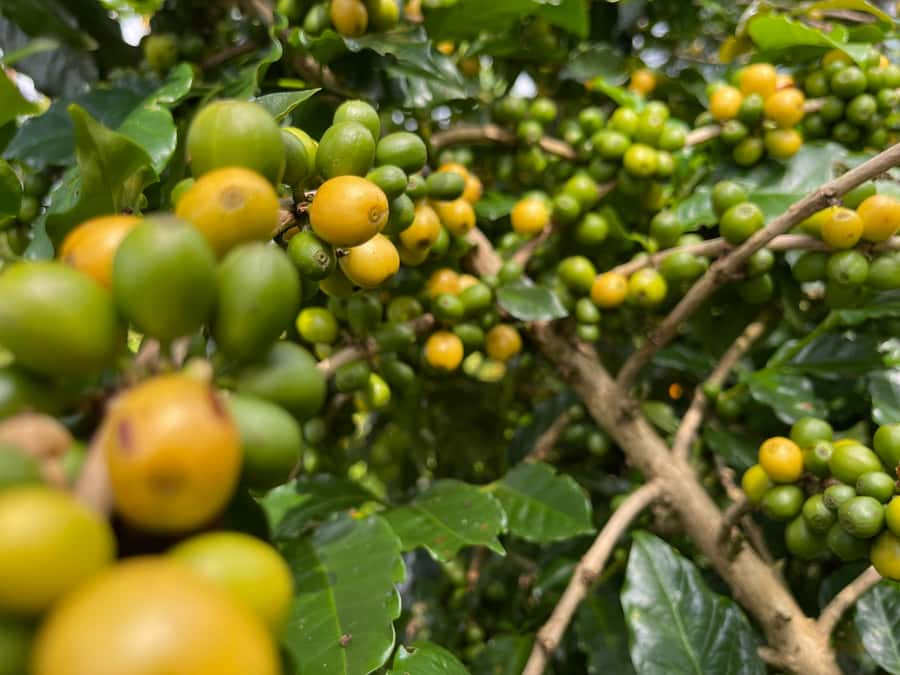
Harvest timing affects what you see. If you visit during the harvest season, the farm may include picking and drying activities. Outside that period, harvesting and drying will not take place, but the other parts of the program continue.
That distinction is important. Some people want photographs of workers picking bright coffee cherries or a close look at freshly harvested beans. If that is your main goal, check the season before booking. If your main interest is coffee care, irrigation, and tasting, an off-season visit can still give you plenty to learn.
The tour description does not set out exact harvest dates, so contact the provider if this matters to you. A quick question before booking can prevent a mismatch between what you expect and what the farm can show on that day.
Same countryside, another kind of harvest:
- Mekong Day Trip Explore Village Bicycle CookingClass Group 12 Pax
★ 5.0 · 705 reviews - From Ho Chi Minh: Can Gio Trek – Monkey Island & Crocodile Farm
★ 5.0 · 353 reviews - Cocolocal Farm Cooking Class with market tour and basket boat
★ 5.0 · 231 reviews - Phu Quoc: Kayaking with Starfish Beach and Bee Farm Tour
★ 4.4 · 213 reviews
From coffee cherry to bean with wet-dry processing
The processing lesson explains what happens after coffee is picked. You learn about a wet-dry method used to produce flavorful specialty coffee. The purpose is to show how the fruit around the seed is handled and how drying forms part of the coffee’s final character.
This is a useful section for anyone who buys coffee but has never considered processing. The bean in your cup began as a fruit, and the steps between picking and brewing affect aroma and taste. The farm guide explains the procedure rather than leaving you to guess why one coffee tastes cleaner, heavier, or more fragrant than another.
The supplied details do not specify every machine, drying surface, or fermentation time used at the farm. That is a reason to listen closely and ask questions during the visit. The exact process can vary by farm, weather, equipment, and the style of coffee being made.
The contrast with regular commercial coffee is part of the lesson. The farm presents its coffee as specialty coffee shaped by the sun, wind, and mountains of the Central Highlands. That language is promotional, but the basic point is sound: growing conditions and post-harvest handling both affect what ends up in the cup.
Traditional irrigation and the daily work of water
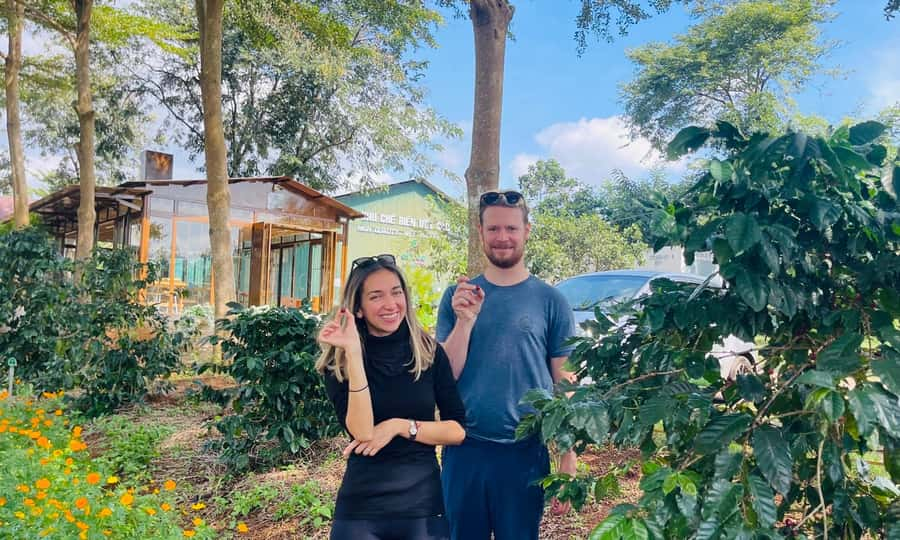
The irrigation section adds a welcome practical angle. You receive an introduction to traditional irrigation systems and instructions for operating them. The guide also explains the benefits of irrigation technology.
This makes the tour more than a coffee tasting. Water is a central concern in farming, especially when trees need care through changing seasons. By seeing how irrigation is managed, you get a better idea of the planning behind a productive coffee garden.
Do not expect a technical engineering course. The activity is short, and the irrigation lesson is one part of a larger program. Still, it helps connect farming methods to the final crop. You can ask how farmers decide when to irrigate, how traditional systems compare with newer methods, and what happens during dry periods.
The hands-on nature is valuable here. Operating a system, even briefly, is easier to remember than hearing a list of advantages. Wear shoes that can handle a farm setting, since the program includes outdoor work and walking.
The final cup: filter, machine, black, or milk
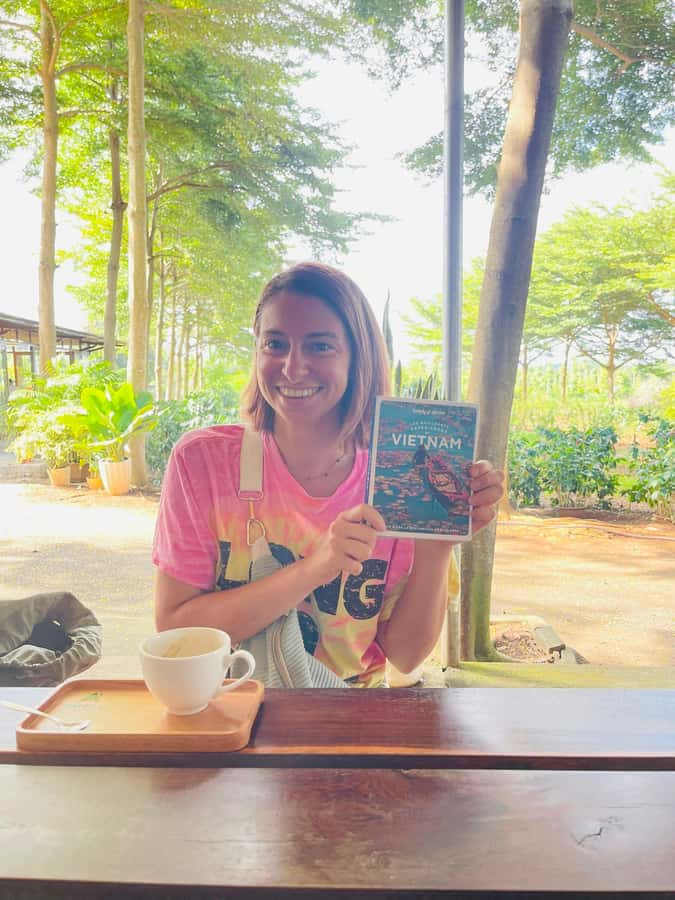
The tasting comes after the farm and processing lessons. You can enjoy black coffee or coffee with milk, prepared by machine or traditional filter.
That choice gives you several simple comparisons. Black coffee lets you focus on aroma and flavor without milk. Milk softens the drink and suits people who prefer a gentler cup. Machine brewing and filter brewing can also produce different sensations, even when the coffee itself is similar.
The tasting is not just a free drink at the end. It ties the whole visit together. You have seen the tree, discussed care, learned about processing, and then tried the finished product. For coffee fans, this progression is the heart of the experience.
The setting adds to the appeal. The farm has a calm country atmosphere, and one direct account describes drinking coffee near flower fields after the main tour. Another describes the location as a fine place to watch the sun go down. These extra moments may depend on timing and conditions, so do not treat them as guaranteed parts of the official 90-minute schedule.
If you want packaged coffee to take home, bring extra money. Packaged coffee is not included in the price. The tasting is included, but retail coffee is a separate purchase.
How the guides affect the experience
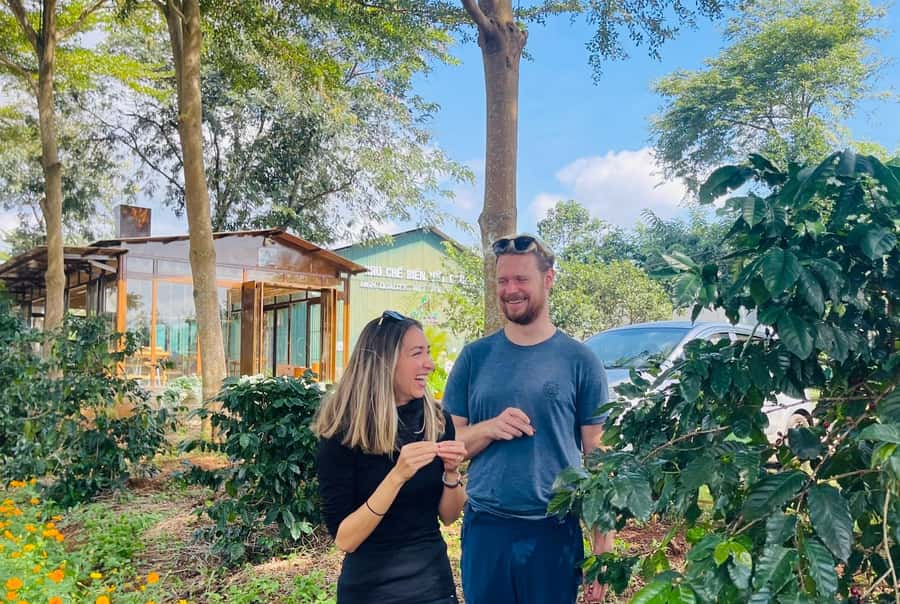
The guide is especially important on a small agricultural tour. A good explanation can turn pruning or irrigation into something memorable. An unclear explanation can leave you looking at trees without understanding what makes the farm special.
Ngan is one guide associated with this experience, and she is described as having strong English, an open manner, and a good grasp of coffee questions. That matters if you want to ask about Arabica, Robusta, processing, farming methods, or the tasting cup.
The driver’s role is different. Long is described as helpful, careful on the road, and willing to adjust the return arrangements. One useful example is a stop at a nearby lake and a drop-off at a homestay instead of the original central meeting point. Treat that as personal flexibility rather than a guaranteed extra stop or transfer.
The listed teaching languages are English and Vietnamese. You should still confirm your pickup details clearly by phone or WhatsApp. If the driver has limited English, a translation app can make the handoff easy.
Time, access, and comfort
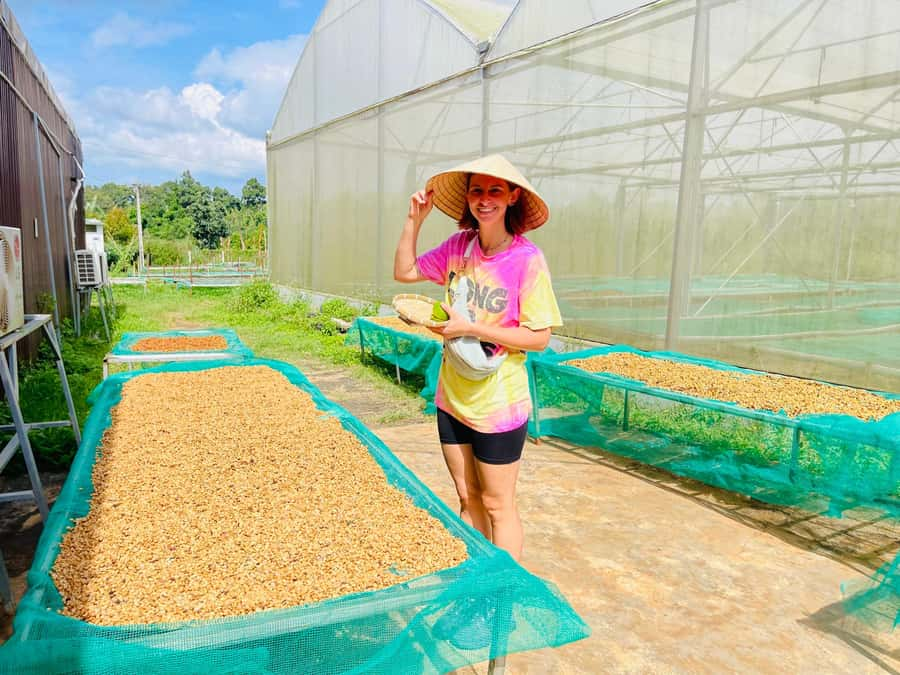
The advertised duration is 90 minutes, but the full outing can take longer once pickup and return are included. One reported visit lasted between an hour and a half and two hours overall. Allow extra time if you have a flight, bus, or fixed appointment afterward.
The activity is wheelchair accessible. Still, the farm includes outdoor areas and practical care tasks, so ask the provider about the exact route and activity setup if you need specific mobility arrangements.
Alcohol and drugs are not allowed, and making a fire is prohibited. These rules are simple, but they fit a working agricultural site. Follow the guide’s instructions around trees, irrigation equipment, and processing areas.
Comfortable clothing and practical footwear are sensible choices. The supplied details do not state a dress code, but farm activities can involve soil, uneven ground, and outdoor exposure. A hat or sun protection may also be useful in the Central Highlands.
Who will get the most from this $25 experience
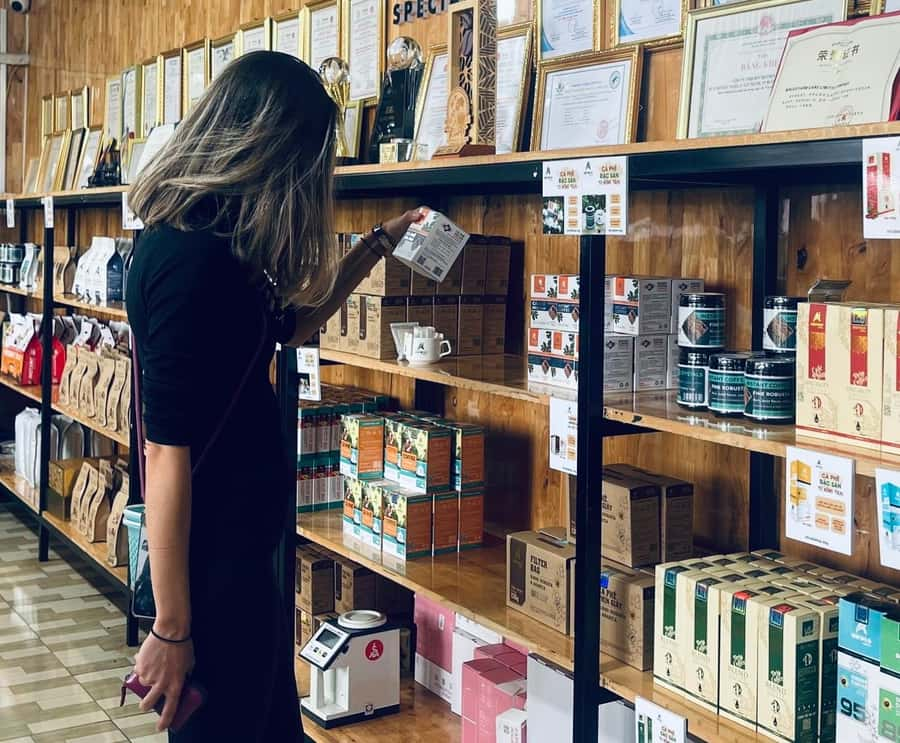
I would choose this tour if you are staying in Buon Ma Thuot and want a short activity with a clear local connection. It suits coffee drinkers, curious cooks, photographers, and anyone who wants to understand a regional product beyond the café menu.
It also works well for a free morning or afternoon. The visit is short enough to combine with other city plans, but it still takes you outside town to a quieter setting.
Families may appreciate the hands-on elements, though the farm setting and walking make it less suitable for anyone seeking a fully indoor activity. People with a serious interest in coffee should ask detailed questions during the processing and tasting sections, since the guide can make the difference between a basic visit and a useful lesson.
I would not choose it if you want a long plantation expedition, a full meal, or a guaranteed harvest scene. I also would not book it solely for retail coffee, since packaged coffee costs extra and the main value comes from the farm instruction.
The experience has a 4.6 rating from 24 reviews, with especially strong praise for the guides, the friendly driver, the clean vehicle, the peaceful setting, and the quality of the tasting coffee. The most useful pattern is practical flexibility: pickup times and return arrangements may be handled with some care, but you should still confirm everything before setting out.
Should you book the Buon Ma Thuot coffee farm tour?
Book it if you want a compact, hands-on introduction to Central Highlands coffee. The combination of Arabica and Robusta trees, farm care, processing, irrigation, and a final cup gives you a better understanding of what makes Buon Ma Thuot coffee distinctive.
The $25 price is fair because transportation, instruction, and tasting are included. Just check the harvest season if picking and drying are essential to you, allow a little more than 90 minutes for the complete outing, and bring extra money if you want packaged coffee.
For most visitors with a free half-day in Buon Ma Thuot, this is an easy recommendation. It is focused, friendly, and rooted in the work of local farms rather than a staged city attraction.
FAQ
How long does the coffee farm experience last?
The farm visit is scheduled for 90 minutes. Pickup and return can make the complete outing longer, so allow extra time if you have another appointment.
Where can I be picked up?
Pickup is available from your hotel in Buon Ma Thuot or from Buon Ma Thuot Square. Pickup covers the central city area.
What if my accommodation is more than 3 kilometers from central Buon Ma Thuot?
You should go to Buon Ma Thuot Square and arrive at least five minutes before the departure time.
How will the driver contact me?
The driver will contact you using your phone number or WhatsApp number before pickup.
Which languages are available?
Instruction is available in English and Vietnamese.
Will I see coffee harvesting?
Harvesting and drying take place only during the coffee harvest season. Outside that season, the other scheduled farm, processing, irrigation, and tasting activities continue.
Which coffee varieties will I learn about?
The experience includes an introduction to Arabica and Robusta coffee grown in the region.
Is coffee tasting included?
Yes. You can taste black coffee or coffee with milk, prepared by machine or filter.
Can I buy packaged coffee during the visit?
Packaged coffee is not included. You can purchase it separately as a personal expense.
Newly listed farm visits around Vietnam
- Sapa Half Day Local Farming Experience★ 5.0 · 3 reviews
- Hue Organic Farm Visit and Traditional Cooking Class★ 5.0 · 4 reviews
- Private Cycling Tour in Rural Hue with Farming Experience★ 5.0 · 18 reviews
- Experience Buffalo Ride and Farmer in Hoi An★ 5.0 · 3 reviews
- Tra Que Village Cycling And Farming★ 5.0 · 15 reviews
- Hoi An Rural Life And Cooking At Organic Farm★ 5.0 · 7 reviews
- Hoi An Home Hosted Meal in Rice Farmer Home★ 5.0 · 3 reviews
- Sunset photo tour with the farmers★ 4.5 · 7 reviews
Coffee Farm Tours, compared.
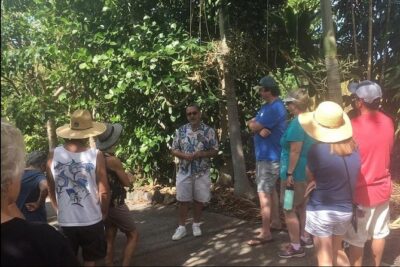
Award Winning Farm Tour: Coffee, Chocolate and Unique Gifts
Read our review →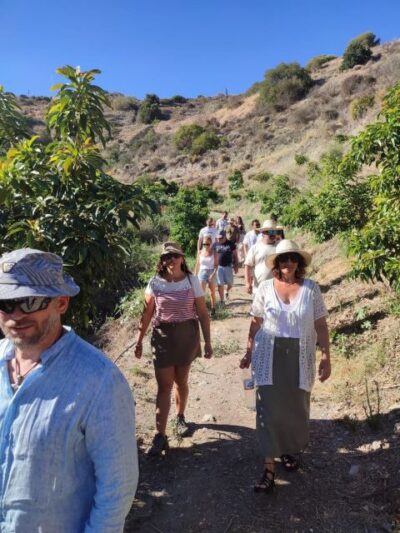
La Herradura Coffee Farm: tour in Europe’s only plantation
Read our review →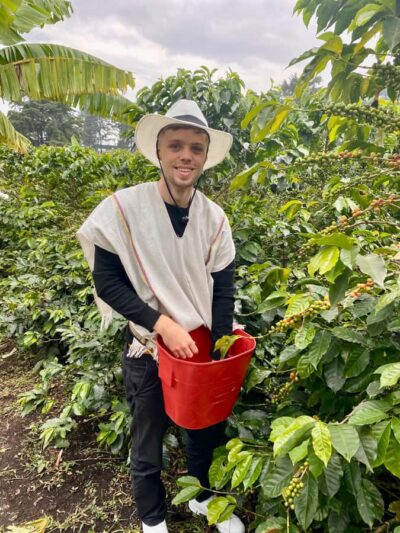
Medellín Coffee Farm Tour with Trolley and Cable Car Ride
Read our review →
Liamuiga Natural Farm Tour – St.Kitts’ Coffee Farm
Read our review →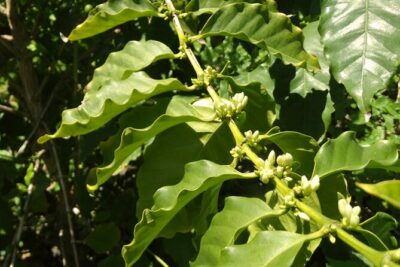
Horseback Riding Coffee Farm Tour with Coffee Spa
Read our review →
From Bogotá: Coffee Farm and Tequendama Falls Tour
Read our review →
Coffee Farm Tour with Roasting & Tasting Workshop – Da Lat
Read our review →Browse the lists this tour appears in