
Review · SIEM REAP
Traditional Khmer Water Blessing by Monk and Lotus Farm Visit
The heart of this Siem Reap outing is the traditional Khmer water blessing at Wat Po Banteaychey. A monk chants and sprinkles or pours holy water over you, while you make a personal wish for health, good fortune, or happiness. The ceremony is paired with a lotus farm visit, a temple lesson, and small local tastes rather than a rushed photo stop.
I like two things right away: local guides such as Hong and Bo add personal context, and the tuk-tuk keeps the trip open to the sights and sounds along the road. I also like that the monk’s offering and donation are included, so you are not left guessing how to handle that part of the ceremony.
The main thing to consider is the short time at some stops. The fried banana tasting lasts only about five minutes, and the full outing can feel busy if you want long, quiet visits at both the lotus farm and temple. It suits you best if you want several connected experiences in one half-day.
Key points at a glance
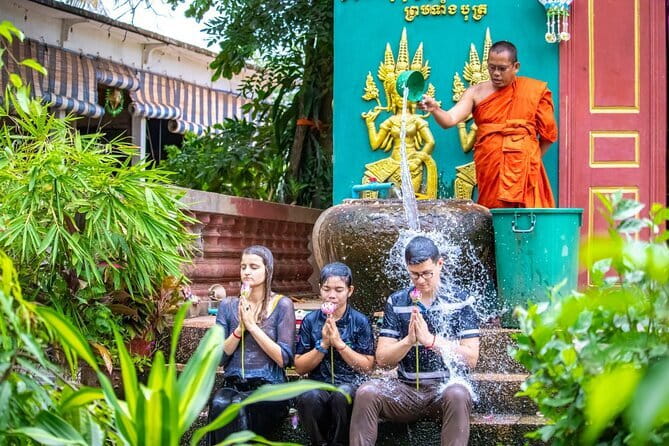
- A real Buddhist blessing: Receive a water blessing from a monk at Wat Po Banteaychey, with time to learn about the ritual.
- Lotus farming up close: Walk among lotus ponds and hear how the plants are grown, harvested, and used.
- Personal local guidance: Hong and Bo are named guides associated with the experience, and Hong’s village connection adds useful local detail.
- Small Cambodian tastes: Try fried banana and sweet potato from a long-running Old Market business.
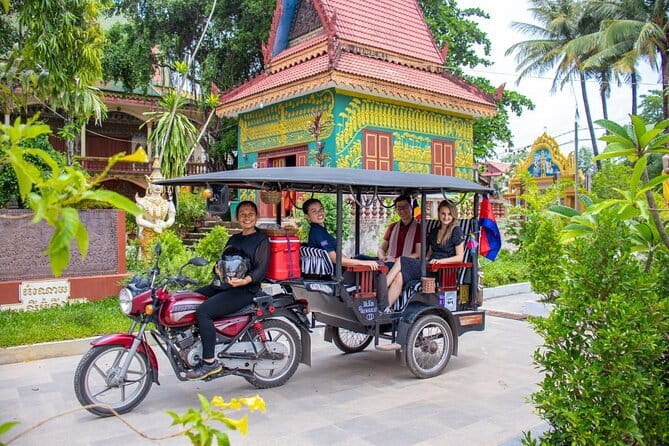
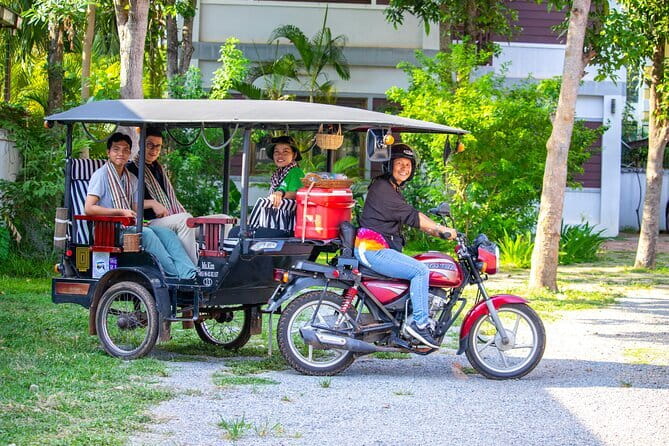
- Open-air transport: Ride by remork, the Cambodian tuk-tuk style of transport, rather than a van.
- Simple, clear pricing: The $70 price includes transport, a guide, water, snacks, the lotus farm entrance, and the monk’s offering and donation.
A spiritual morning beyond the temple circuit
Siem Reap is famous for Angkor, but this outing points you toward another part of Cambodian life. You visit a royal spiritual site, taste a familiar local snack, see lotus cultivation, and take part in a Buddhist ritual at a working temple.
That combination gives the experience its appeal. You are not only looking at buildings. You are given some context for how religion, food, farming, and daily customs fit together. The guide explains each stop, and you have a chance to ask questions along the way.
The tour takes about three to four hours, including hotel pickup, driving, and the visits. Pickup is offered from your hotel in Siem Reap, with the exact time based on where you are staying. The group can have up to 15 people, though the experience may also operate with a much smaller party.
More farm tours around Siem Reap:
- Siem Reap Lotus Silk Farm Discovery tour & Lake experience
★ 4.7 · 291 reviews - Siem Reap: Lotus Silk Farm- Tour, Lake & Masterclass
★ 4.9 · 77 reviews - Angkor Silk Farm & Lotus Silk Farm: Siem Reap Discovery Tour
★ 4.8 · 68 reviews
Starting at the Royal Residence and Phreah Ang Chek
Your first substantial stop is the Royal Residence, including its spiritual house known as Phreah Ang Chek, Phreah Ang Chom. You spend about 30 minutes here, learning how the site functions and why it matters locally.
This is a useful opening because it gives you a first look at Cambodian spiritual practice before the monk’s blessing later in the day. The guide explains the place rather than leaving you to guess at the meaning of the shrine.
The stop is not a long royal tour. Think of it as a focused introduction to the spiritual side of Siem Reap. If you are mainly looking for grand architecture or an extended palace visit, the time here may feel brief. If you want a clear first layer of cultural context, it does its job well.
A five-minute taste at Psar Chaa
The next stop brings you to Psar Chaa, or Old Market, where you meet the owner of a fried banana business that has operated in Siem Reap for more than 20 years. You try fried banana and sweet potato as a light snack.
This is a small stop, but it adds a welcome everyday detail. You get to taste food connected to a local business rather than receiving a generic packaged snack. It also breaks up the more formal temple and spiritual portions of the outing.
Allow for the fact that this stop lasts around five minutes. It is a quick taste, not a market tour or a cooking lesson. If you enjoy trying modest street foods and seeing how a local treat fits into the day, it is a pleasant addition. If you want time to browse Old Market, shop, or compare food stalls, you will need to return on your own.
Lotus ponds on the road to Tonle Sap
The lotus farm is one of the more distinctive parts of the experience. As you travel toward Tonle Sap Lake, lotus fields appear along the road. At the farm, you spend about 30 minutes seeing the ponds and learning how lotus plants are grown and harvested.
Your guide can explain how different parts of the plant are used. This turns the stop into more than a scenic pause. You get a look at a crop tied to Cambodian food and culture, with the chance to connect what you see in the ponds to daily life.
The visit is also a good match for the open remork ride. You can see the lotus fields along the road instead of passing them behind tinted windows. The tradeoff is that the farm visit is fairly short, so you should expect a useful introduction rather than a long agricultural tour.
Hong’s local connection adds extra value here. She grew up near the lotus farm, giving her a personal link to the area and helping her explain details that a guide working only from a script might miss. That kind of local viewpoint is one of the strongest reasons to choose this outing over a standard temple transfer.
Same countryside, another kind of harvest:
- Lotus Silk Farm: Discover Learn and Experiment the Lotus Flower
★ 5.0 · 45 reviews - Siem Reap: Khmer Water Blessing by Monk and Lotus Farm Visit
★ 5.0 · 15 reviews - Siem Reap: Silk Farm & Countryside Offbeat Jeep Tour
★ 4.5 · 11 reviews - Half Day Trip: Silk Farm, Satcha, and Senteur d’Angkor Tour
★ 4.7 · 10 reviews
Learning the setting at Wat Po Banteaychey
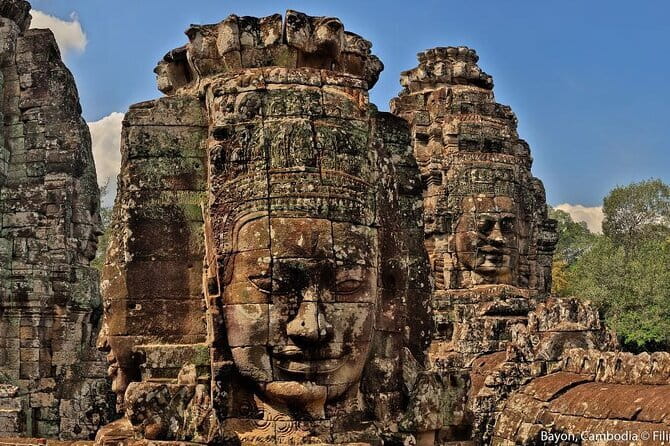
Before the blessing, the guide introduces Buddhist beliefs, the role of a local temple, and the structure and activities of the pagoda. This preparation matters. Without it, the ceremony could feel like a colorful event with no clear meaning.
You have about an hour at Wat Po Banteaychey, which is the longest stop. The setting gives you time to learn, prepare for the ritual, speak with a monk, and take part without being pushed through in a few minutes.
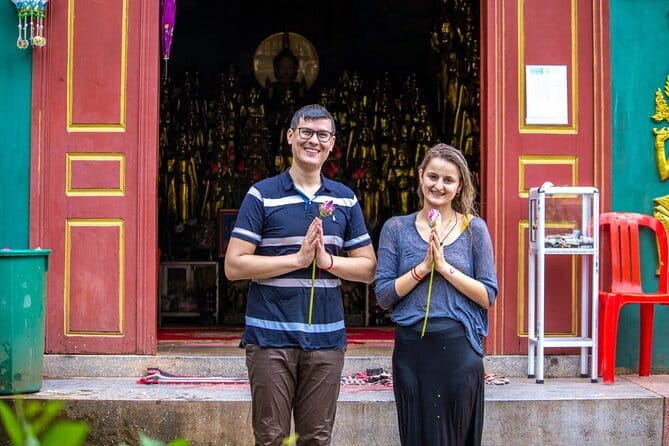
The tour is designed to explain the ceremony in plain terms. You can wish for health, pleasure, or good fortune, and the monk chants while holy water is sprinkled or poured over you. The experience is spiritual in nature, so you should approach it with respect rather than treat it as a performance arranged only for photographs.
This is also the part that may feel personal. One past participant arrived worried that the blessing might be a tourist trap, but found it sincere. That concern is worth taking seriously, because religious rituals can feel uncomfortable when handled carelessly. Here, the inclusion of a guide-led explanation, monk offering, and donation helps give the ceremony a proper framework.
You may also have the chance to talk with the monk. The information provided does not promise a long private conversation, but it does include an opportunity to speak with him as part of the temple visit. Keep your questions polite and remember that this is an active religious place.
What to wear and how to prepare for the blessing
After the water blessing, you are asked to change your clothes before walking around the pagoda area. This is the most practical detail to plan for.
Bring suitable clothing and a change of clothes if you want to stay dry and comfortable afterward. The experience information does not specify changing-room details, so you should ask the guide how and where to change when you arrive. Modest dress is the sensible choice for a temple visit.
The water ritual itself is brief compared with the hour spent at the temple, but it is the central reason to book. You should arrive ready to participate, listen, and show respect. If you are uncomfortable with receiving water as part of a religious ceremony, the rest of the tour may not make up for missing its main feature.
Riding by remork instead of a van
Transport is by remork, the Cambodian tuk-tuk style vehicle. I like this choice because it keeps the ride connected to the road. You can see the route toward the lotus fields and get a better sense of the surroundings than you might from a closed vehicle.
It is also part of the experience’s smaller footprint. One participant specifically appreciated using a tuk-tuk rather than a van. Still, an open vehicle can be less sheltered from heat, dust, or rain. The tour requires good weather, and poor conditions can lead to a different date or a full refund.
Hotel pickup makes the outing easy to fit into a Siem Reap schedule. The exact pickup time depends on your location, so you should watch for the confirmed details after booking. The driver and guide wait at your hotel, then take you through the stops before returning you to Siem Reap at the end.
The guides make the difference
Hong and Bo are the guide names connected with this experience. Hong is described as someone who shares her culture with real enthusiasm and who can draw on her connection to the lotus-farm area. Bo is also described as friendly and well informed about the places visited.
A trainee may accompany Hong, along with the driver. That can mean you receive support from more than one person, though staffing can vary. The tour is offered by a women-owned and operated business, which may matter if you prefer to support a local female-led company.
The guide’s role is important because several stops are short. At the Royal Residence, the guide helps you understand what you are seeing. At the lotus farm, the explanation gives the ponds a practical purpose. At the temple, the guide helps you approach the blessing with the right context.
You should feel free to ask questions during the outing. Time is limited, but the format is built around explanation rather than silent transportation from one site to another.
Is $70 a fair price?
At $70, this is not the cheapest way to spend a half-day in Siem Reap. The price is easier to justify when you count what is included: hotel pickup, remork transport, a local English-speaking guide, cold water, local snacks, the lotus farm entrance, and the monk’s offering and donation.
You are also paying for coordination. The tour connects places that would be awkward to arrange separately, especially the monk-led blessing and lotus farm visit. A private tuk-tuk, temple donation, food samples, and a guide who can explain the ritual would add up if arranged one by one.
The value depends on your priorities. If you want a relaxed, single-focus meditation session, this itinerary includes too many stops. If you want to combine spiritual practice with local food, farming, and cultural explanation, the $70 fee is reasonable.
Personal expenses are not included, so keep some money aside for anything extra you choose to buy. The group limit is 15, which is small enough to allow questions, though not as intimate as a fully private tour.
Who should book this experience?
I would choose this for you if you have already seen some of Siem Reap’s major temple sights and want a different kind of cultural activity. It is also a strong choice if you enjoy meeting local guides, trying simple foods, and learning how religious customs work rather than only photographing monuments.
It suits couples, solo visitors, and small groups. One person found the outing worked especially well as a solo experience, and a small booking can make the tuk-tuk ride and conversation feel calm.
Families may enjoy the snack and lotus farm portions, but parents should decide if the spiritual ceremony is right for their children. The activity says most people can participate, but it does not give a detailed accessibility assessment. If you have mobility, medical, or other access concerns, ask the operator before booking.
The main caution is pace. You cover six stops in three to four hours, and some visits are very short. Choose it for variety and personal contact, not for long periods of quiet at every location.
Should you book the Khmer water blessing and lotus farm visit?
Book it if you want a respectful Buddhist ceremony with local explanation, not a staged show. The monk’s blessing is the core, while the lotus farm, Old Market snack, Royal Residence, and remork ride give the half-day more texture.
I would pass if you want a slow temple visit, a full market tour, or a long lotus-farming lesson. For everyone else, this is a well-balanced way to see a side of Siem Reap that does not depend on the Angkor circuit. Hong or Bo can help connect the ritual to everyday Cambodian life, and the included donation removes one awkward practical detail.
Free cancellation is available up to 24 hours before the start time. Changes or cancellations made later are not refunded, and poor weather or failure to reach the minimum group size can lead to another date, another experience, or a full refund.
FAQ
How long does the experience last?
The activity lasts approximately three to four hours, including hotel pickup, transportation, and the visits.
Is hotel pickup available in Siem Reap?
Yes. Pickup is offered from your hotel in Siem Reap, with the exact time based on your location.
What type of transportation is used?
Transportation is by remork, the Cambodian tuk-tuk style of vehicle.
Who leads the experience?
A local English-speaking guide leads the activity. Hong and Bo are named guides associated with the experience, and a trainee may accompany Hong.
Where does the water blessing take place?
The blessing takes place at Wat Po Banteaychey.
What happens during the water blessing?
A monk chants and sprinkles or pours holy water over you. You may make a wish for good fortune, pleasure, or health.
Is the monk’s offering and donation included?
Yes. The monk’s offering and donation are included in the price.
Is the lotus farm entrance included?
Yes. The lotus farm entrance fee is included.
Are snacks provided?
Yes. Cold water and local snacks are included. The itinerary specifically includes fried banana and sweet potato at Psar Chaa, or Old Market.
How many people can join the tour?
The maximum group size is 15 people. Most people can participate, according to the activity information.
What is the cancellation policy?
You can cancel up to 24 hours before the start time for a full refund. Later cancellations and changes are not refunded or accepted. Poor weather or failure to meet the minimum number of participants may result in another date, another experience, or a full refund.
Newly listed farm visits around Siem Reap
- Full Day Siem Reap Farm Tour with Cooking Class and Monk Blessing★ 5.0 · 6 reviews
- Siem Reap: Silk Farm & Countryside Offbeat Jeep Tour★ 4.5 · 11 reviews
- Banteay Chhmar Temple & Silk Farm Private Day Trip from Siem Reap★ 5.0 · 6 reviews
- Tuk Tuk Journey: Exploring Rural Life and Silk Farm Craftsmanship★ 5.0 · 4 reviews
- Siem Reap: Scenic Countryside & Silk Farm Jeep Tour★ 5.0 · 2 reviews
- Siem Reap: Khmer Water Blessing by Monk and Lotus Farm Visit★ 5.0 · 15 reviews
- Half Day Trip: Silk Farm, Satcha, and Senteur d’Angkor Tour★ 4.7 · 10 reviews
- Half-Day: Silk Farm, Senteur Angkor, and Satcha Workshop★ 4.6 · 7 reviews
Cambodia Farm Tours, compared.

Siem Reap Lotus Silk Farm Discovery tour & Lake experience
Read our review →
Pepper Farm Tour, Salt Field, Cave & Secret Lake
Read our review →
Full-day Countryside Tour with Pepper Farm and Kep
Read our review →
Tuk Tuk Trip to Pepper Farm, Kep, Crab Market & More
Read our review →
Kampot Countryside include Pepper farm, Salt field & Lake
Read our review →
KAMPOT TRAVEL-Pepper farm. Cave.Secret lake-Crab market & Salt…
Read our review →
Kampot’s Countryside & Kayak Tour, Pepper Farm include Lunch
Read our review →Browse the lists this tour appears in