
Review · MEDELLIN
Medellín Coffee Farm Tour with Trolley and Cable Car Ride
Medellín’s most unusual coffee outing begins not in the countryside, but on public transport. You ride the electric tram and cable car into Barrio La Sierra, then walk uphill through Comuna 8 to a working family coffee farm. I like the hands-on harvest, where you pick coffee cherries yourself, and the chance to see a part of Medellín that most city tours skip.
I also like the human scale of the visit. Local guides such as Melissa, Carolina, Valentina, Arturo, and Camilo explain the neighborhood and translate for the coffee-growing family. The trade-off is clear: expect hills, steps, and roughly four and a half hours on your feet. This is not a good match for anyone with limited mobility.
Key points before you book
- Ride Medellín’s tram and cable car as part of the route, with wide views over the city and hillside neighborhoods.
- Walk through Barrio La Sierra in Comuna 8 and learn how the area has changed over time.
- Pick coffee cherries by hand at Casa Finca de La Sierra.
- Follow coffee from seed to cup, including cleaning, fermenting, drying, roasting, grinding, and brewing.
- Meet a local family and support a community-based coffee project.
- Plan for steep walking, steps, warm weather, and no included meal or coffee bags.
Why this coffee tour feels different from the usual Medellín outing
Many coffee experiences near Medellín require a long drive into the countryside. This one keeps the farm inside the city, in the hills of Barrio La Sierra. That makes it especially useful if you have only a few days in Medellín or want to combine city transport, local history, and coffee in one half-day.
The setting also changes the meaning of the visit. You are not simply taken to a polished tasting room to sample a finished product. You walk through a residential neighborhood, meet people connected to the farm, and see coffee growing near the homes and streets of Comuna 8.
The area has a difficult past, and the tour explains its transformation without reducing it to a simple success story. You learn how families and local projects are helping create new opportunities. The coffee farm is part of that effort, and buying coffee bags, if available, gives you a direct way to support the work. Coffee bags are not included in the $56 price.
More Coffee Farm Tours in Colombia
- Salento: Private Cocora Valley, Salento & Coffee Farm Tour
★ 4.9 · 202 reviews - Medellin: Horseback Riding Coffee Farm Tour with Coffee Spa
★ 4.8 · 151 reviews - From Bogotá: Coffee Farm and Tequendama Falls Tour
★ 4.5 · 130 reviews
Starting at San Antonio with the electric tram
The meeting point is in front of the main entrance to the San Antonio Tranvia station. Look for the station sign at street level, underneath the San Antonio metro station. This detail matters because San Antonio is a large transport hub, and the meeting point is not simply any entrance to the metro.
From there, you ride Medellín’s electric tram for about 30 minutes. I like this opening because the transport is part of the tour rather than a private transfer that hides the city from you. The tram gives you a practical look at how residents move through Medellín, while your guide sets the stage for the rest of the outing.
The guide speaks English or Spanish. Several guides are praised for their clear translation and local explanations, including Arturo, David, Melissa, Carolina, Valentina, and Camilo. The exact guide depends on the date, but the experience is built around having someone explain both the Spanish-speaking farm visit and the neighborhood around it.
The cable car ride into Comuna 8
The tram connects with a cable-car ride of about 12 minutes. This is one of the most memorable parts of the route, even before the coffee begins. As the car rises, you get broad views over Medellín and the surrounding hillsides. You also see how the city climbs far beyond the flatter central districts.
The cable car is more than a scenic ride. Medellín’s hillside transport helps connect neighborhoods with the city center, so it gives useful context for the community you are about to visit. The route also makes this experience feel genuinely urban. You are not being whisked from a hotel to an isolated farm. You are using the same city network that links daily life in the hills to the rest of Medellín.
Bring a little patience here. Public transport can involve waiting, and the overall pace depends on the group and the route. The reward is a gradual change from central Medellín to the greener upper slopes of La Sierra.
Walking through Barrio La Sierra
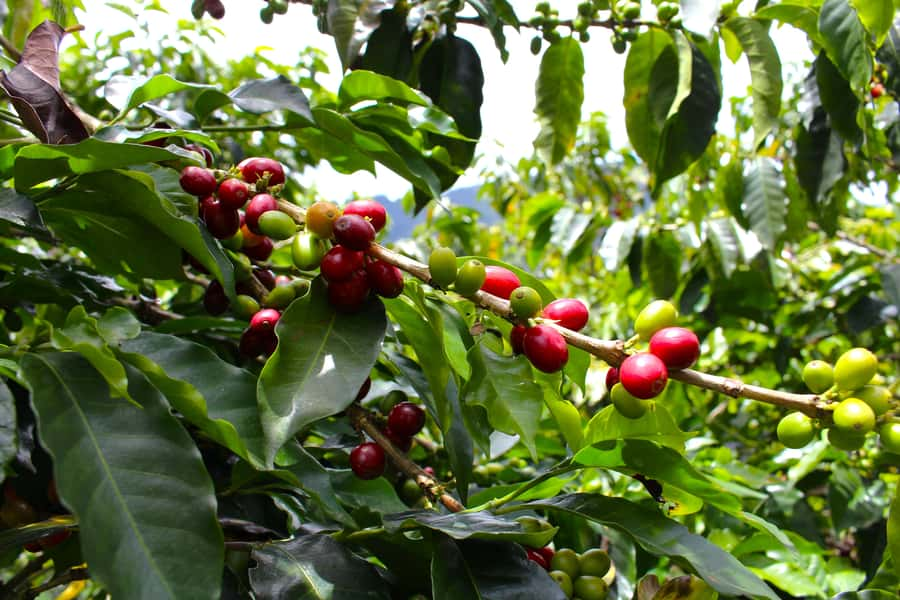
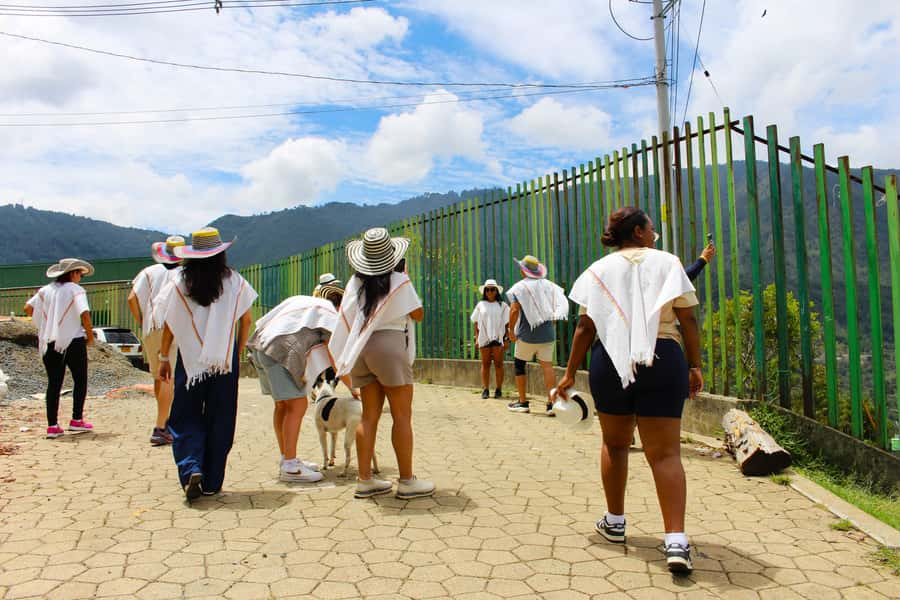
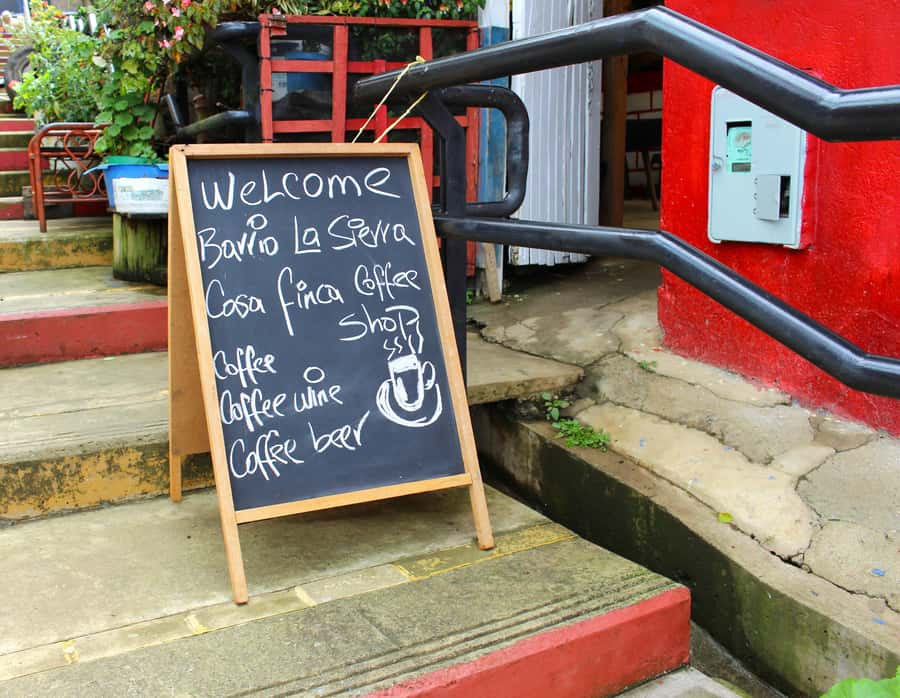
Once you arrive, the tour becomes a walking visit through Barrio La Sierra. Your guide explains the neighborhood, its past, and the changes taking place in Comuna 8. The walk is one of the most valuable parts of the experience if you want more than a standard coffee lesson.
You should approach this section with respect. This is a real residential community, not a set built for sightseeing. The point is to learn how people live and how local families are building something positive, not to treat the area as a spectacle.
The route includes hills and steps. One account describes about 500 stairs, and several people specifically note the uphill walking. That number may vary with the route, but you should be ready for a serious climb. Wear closed shoes, take water, and use insect repellent if you are wearing shorts once you reach the farm area.
The physical effort is part of the setting. You are walking into a hillside coffee area that is close to central Medellín but feels far removed from the main tourist circuit. If steep streets are difficult for you, choose a gentler city activity instead.
Same countryside, another kind of harvest:
- Coffee Tour Salento-Ocaso Farm- English Tour
★ 4.6 · 88 reviews - Coffee Farm Experience Private Day Tour
★ 5.0 · 81 reviews - VIP Bogota City Tour: Farmers Market, Monserrate, Candelaria, 9hr
★ 5.0 · 66 reviews - Medellin: Guatape, El Peñol Coffee Farm Private Tour & Fruit
★ 5.0 · 49 reviews
Casa Finca de La Sierra and the family coffee farm
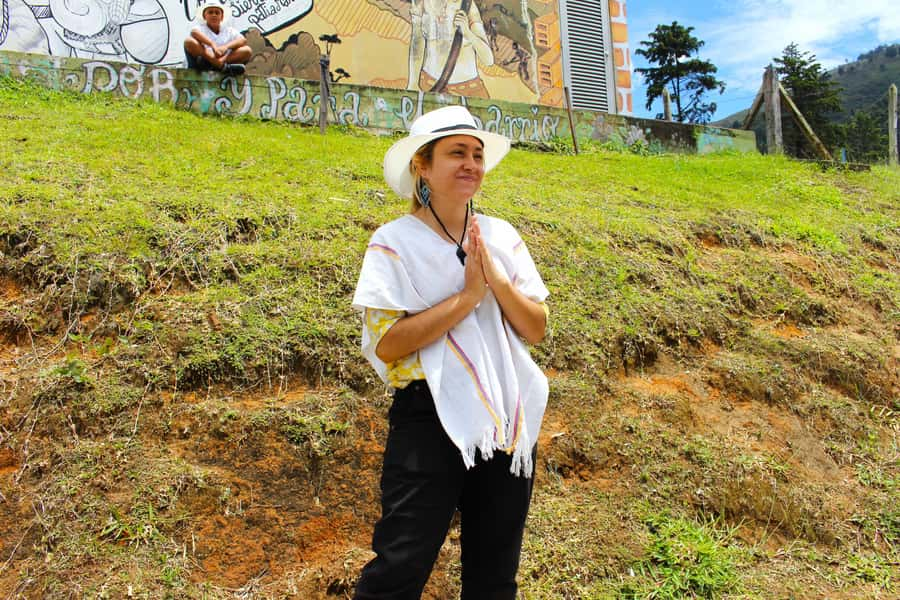
The farm visit takes place at Casa Finca de La Sierra, which also includes a small museum area. Here you meet the family connected with the coffee production. Rosa is one of the people associated with the farm, and the welcome is personal rather than formal. The family explains how the operation began and how coffee fits into the wider community project.
The farm is modest in scale, which is a strength. You see coffee plants in a working setting instead of a large commercial estate designed mainly for visitors. The visit also includes younger members of the community who are learning about the process and helping with the activity. That gives the farm visit an educational purpose beyond coffee tasting.
Your guide bridges the conversation between the family and the group. This matters if your Spanish is limited. Guides such as Arturo and Melissa have been especially effective at translating while still adding context about Medellín and Comuna 8.
Picking coffee cherries by hand
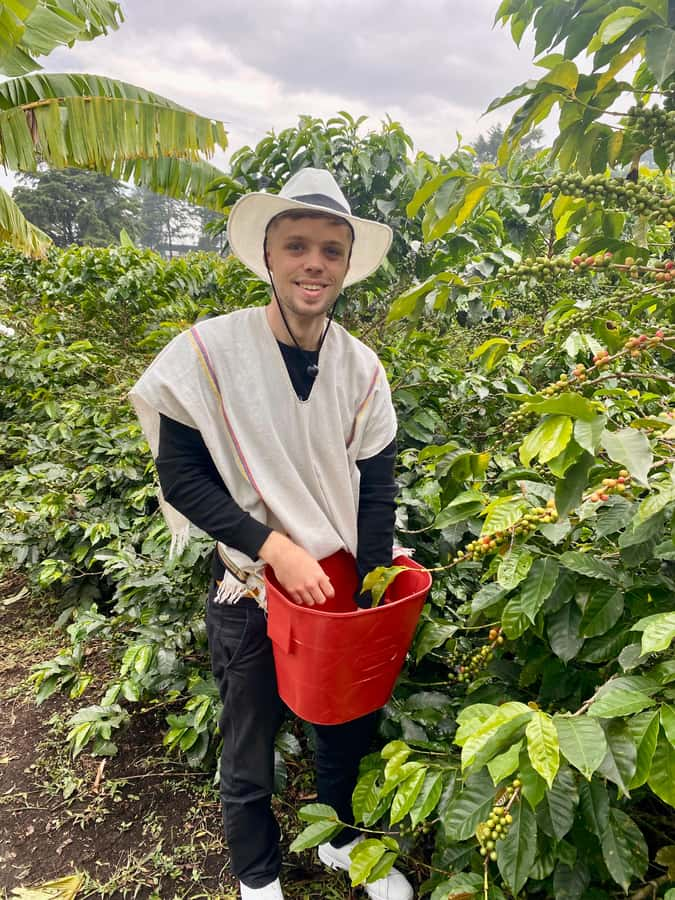
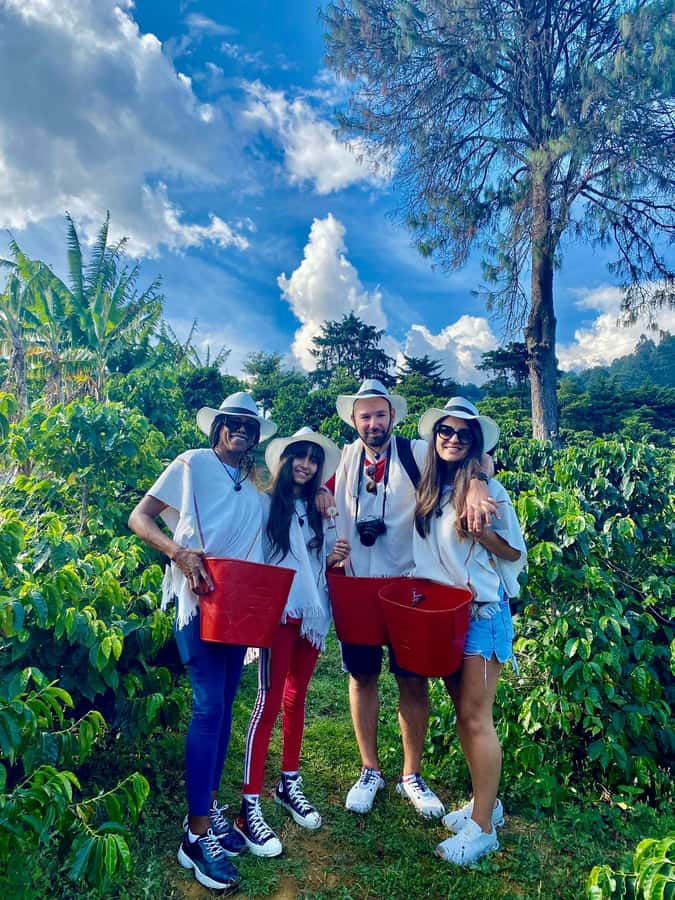
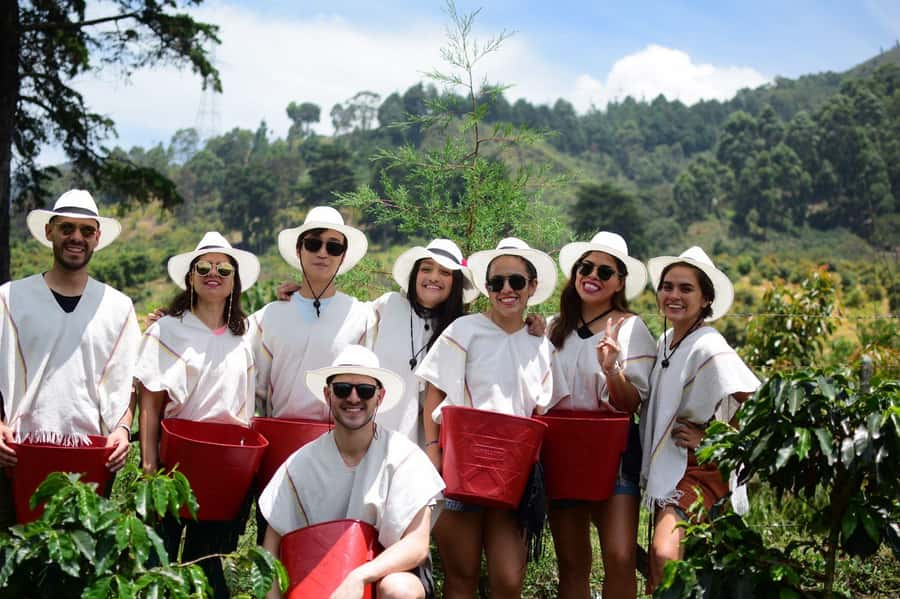
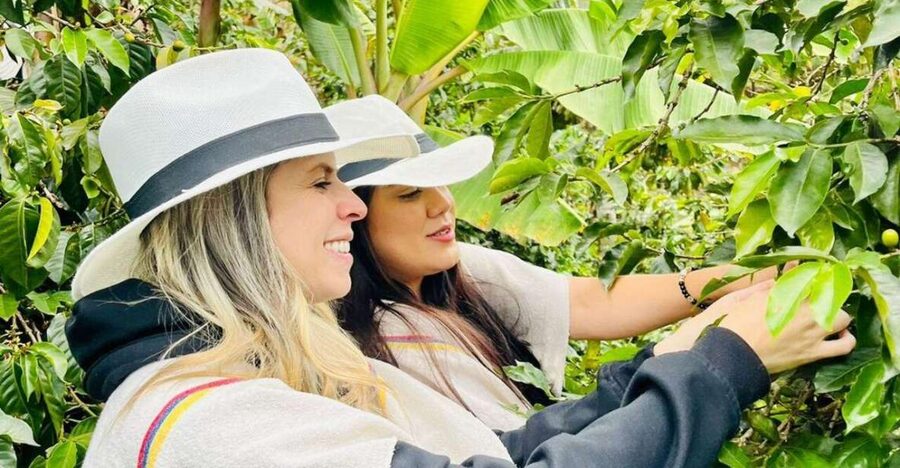
The most memorable part for many people is the harvest. You walk among the coffee plants and pick the ripe berries yourself. This is not a quick photo stop. The visit gives you time to handle the fruit and understand that coffee begins as a small cherry, not as a brown bean ready for a grinder.
Picking makes the labor visible. A cup of coffee can seem simple when it arrives at a café, but here you start to see the work behind it: finding ripe fruit, separating it, preparing it, and waiting for the right stages of processing. You may even get a friendly competition going over who fills a basket first.
The farm visit is also suitable for people who are not serious coffee drinkers. You still learn about farming, family enterprise, and the neighborhood. One useful point to remember is that the tour involves real outdoor conditions, so closed shoes are better than sandals.
From fruit to brewed coffee
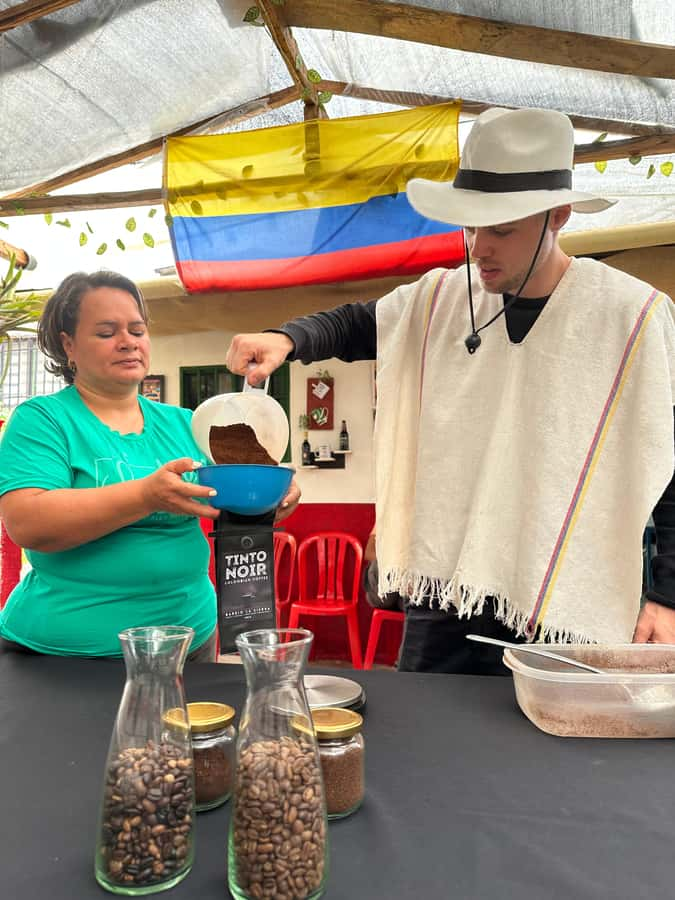
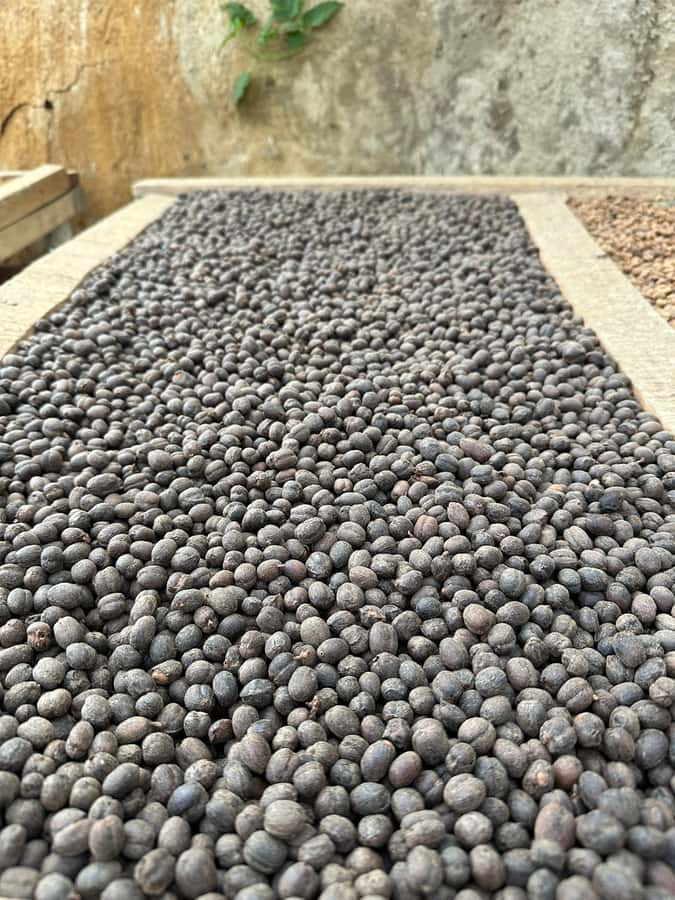
After harvesting, the family explains the path from cherry to cup. The exact demonstration can vary, but the process includes cleaning, fermenting, drying, roasting, grinding, and brewing. Seeing these steps in one place helps connect the raw fruit in your hand with the drink served later.
The roasting and grinding stages are especially helpful for first-time coffee visitors. You learn why the beans change in color and aroma, and how many manual steps come before brewing. The tour does not treat coffee as a quick tasting exercise. It shows the work that gives the final drink its character.
Coffee tasting is included, and the visit usually includes several cups. A pastry and local snacks are also part of the hospitality described during the farm visit. However, do not expect a full meal. Food is not included as a meal, and it is wise to eat beforehand because there may not be anything available to purchase along the route.
A comparative tasting of several coffees is not guaranteed. If you want a formal side-by-side tasting with detailed flavor scoring, this may feel basic. If you want a direct connection between the farm work and the coffee in your cup, it delivers more.
The value of $56 for about 270 minutes
At $56 per person, this is not the cheapest way to drink coffee in Medellín. The price becomes easier to judge when you count what is included: the tram and cable-car route, an English or Spanish-speaking guide, the neighborhood walk, the farm and museum visit, the harvest, the coffee process, and tastings.
You are also paying for a small-scale community visit rather than only for transport to a farm. The local family, the guide, and the educational work in the neighborhood are central to the experience. That gives the tour more value than a simple scenic cable-car ride followed by a cup of coffee.
The group size can be small, sometimes only a few people. That makes it easier to ask questions and keeps the farm visit relaxed. It also means the experience may feel more personal than a large coach excursion.
Still, keep your expectations in line with the price. This is not a luxury coffee estate with a large restaurant, extensive retail shop, or polished tasting laboratory. It is a local family visit in a hillside neighborhood, and that is precisely what makes it different.
What to bring and how to handle the walking
Wear closed shoes with a decent grip. The route includes streets, hills, steps, and farm ground. Shorts are fine, but insect repellent is useful, especially around the coffee plants.
Bring water and eat before you meet the guide. Coffee and light refreshments are included, but a full meal is not. You may also want a small amount of cash or another payment method if you hope to buy coffee bags, which are not part of the tour price.
You do not need to bring your passport. You must provide your full name and passport number when booking, but the activity information specifically says not to bring the passport itself.
The tour is not suitable for people with mobility impairments. Even fit visitors should expect a steady physical demand, particularly on the uphill walk and stairs. Rain can also make farm paths less comfortable, so dress for changing weather.
Who will enjoy this Medellín coffee experience?
I would choose this tour if you want to connect several sides of Medellín in one outing: public transport, city views, neighborhood history, family enterprise, and coffee production. It suits curious visitors who prefer meeting local people and seeing a working community over visiting a standard tourist farm.
It is also a good choice for coffee drinkers who want to understand the labor behind the drink. The harvest is the key difference. You do not only hear how coffee is made. You take part in the first step.
Families with older children may enjoy the picking and processing, provided everyone can manage the walking. The tour also works for non-coffee drinkers because the neighborhood story and cable-car ride are substantial parts of the day.
I would skip it if you want a relaxed café afternoon, a formal tasting flight, or an easy route with very little walking. The experience is rewarding because it asks you to climb, listen, and take part.
Should you book the Barrio La Sierra coffee tour?
Book it if you want a city-based coffee farm visit with real community contact. The combination of tram, cable car, hillside walking, coffee picking, and family hospitality is hard to duplicate elsewhere in Medellín.
The strongest reasons to go are the harvest, the full bean-to-cup process, the views from the cable car, and the chance to understand how Comuna 8 is changing. The main caution is physical: steep streets and many steps are part of the deal.
For $56, I consider it good value if you treat it as a cultural and transport experience as much as a coffee tour. Eat first, wear sturdy shoes, bring water, and reserve it when you want an active half-day with plenty of local context.
FAQ
Where does the tour meet?
The guide meets you in front of the main entrance to the San Antonio Tranvia station. The entrance is at street level underneath the San Antonio metro station.
How long does the activity last?
The advertised duration is 270 minutes, or about four and a half hours. Starting times depend on availability.
What languages are available?
The tour is offered with a live guide in English or Spanish.
Are the tram and cable car included?
The cable-car ride is included, and the route also uses Medellín’s electric tram. The tram ride takes about 30 minutes, while the cable-car ride takes about 12 minutes.
What will I do at the coffee farm?
You will walk through the farm, pick coffee cherries, learn how coffee is processed from seed to cup, and taste locally grown coffee. The process can include cleaning, fermenting, drying, roasting, grinding, and brewing.
Is food included?
Welcome refreshments, coffee, local snacks, and coffee tasting are included. A full meal is not included, so eat beforehand. Coffee bags are also not included.
Do I need to bring my passport?
No. You must provide your full name and passport number, but the tour information says not to bring your passport.
Is the tour suitable for someone with limited mobility?
No. The activity is not suitable for people with mobility impairments because it includes uphill walking and many steps through Barrio La Sierra and the farm area.
Newly listed farm visits around Colombia
- Cocora Valley Tour and Coffee Farms★ 4.5 · 40 reviews
- Salento and Cócora Tour plus Coffee Farm from Pereira or Armenia★ 5.0 · 40 reviews
- Medellín: Flower Farm & Silletero History Tour★ 4.3 · 23 reviews
- Salento and Cócora Tour + Coffee Farm from Pereira/Armenia★ 5.0 · 33 reviews
- Private Tour to Coffee Farm (farm of your choice)★ 5.0 · 2 reviews
- Medellin: Coffee Farm Tour & Spa with Overnight Glamping★ 4.5 · 3 reviews
- Most complete COFFEE TOUR at local family farm★ 5.0 · 2 reviews
- From Medellin; (All-In) The Real Horseback Ranch Experience★ 4.8 · 9 reviews
Coffee Farm Tours, compared.
Award Winning Farm Tour: Coffee, Chocolate and Unique Gifts
Read our review →
La Herradura Coffee Farm: tour in Europe’s only plantation
Read our review →
Liamuiga Natural Farm Tour – St.Kitts’ Coffee Farm
Read our review →
Horseback Riding Coffee Farm Tour with Coffee Spa
Read our review →
From Bogotá: Coffee Farm and Tequendama Falls Tour
Read our review →
Coffee Farm Tour with Roasting & Tasting Workshop – Da Lat
Read our review →
Browse the lists this tour appears in