
Review · MEXICO
La Paz: Pearl Farm Experience and shop
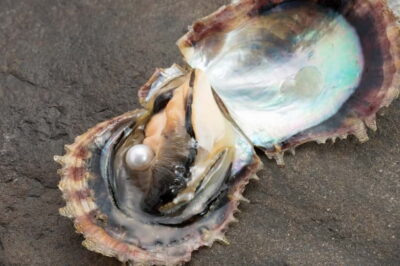
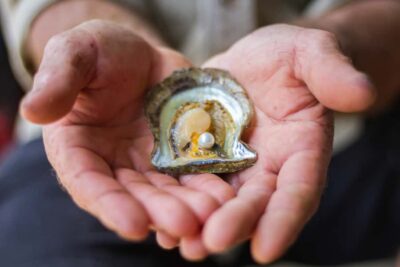
The pearl is the star here, but the real interest is seeing how it begins. At this La Paz farm, you follow the process from oyster care to the careful insertion that helps form a pearl, while also handling live oysters, crabs, urchins, starfish, and fish. I like the hands-on marine life and the clear link between local history and modern pearl farming.
I also like that part of the visit takes place in a laboratory rather than only in a sales shop. The main drawback is simple: at $68 per person for about two hours, this is a specialized experience, and food, souvenirs, and jewelry cost extra.
Key points to know before you go
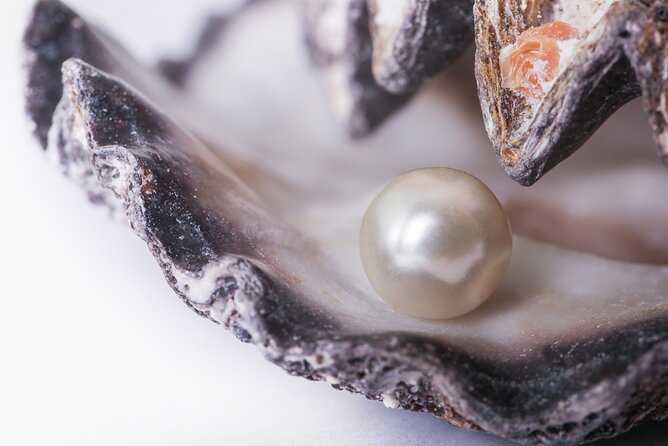
- See the pearl-making process up close: The tour explains oyster care and shows how a marble is surgically placed to begin pearl formation.
- Learn La Paz’s place in pearl history: The presentation connects ancient pearl use with the modern farm industry in Baja California Sur.
- Handle live sea life: Pearl oysters, crabs, urchins, starfish, and fish are part of the interactive portion.
- Visit the working laboratory: You get more than a polished retail presentation, with a look at the technical side of cultivation.
- Finish in a pearl jewelry shop: You can compare pearls and buy jewelry, but purchases are not part of the $68 price.
- Choose your language: Tours are offered in English and Spanish and last about two hours.
Why La Paz pearls make this more than a jewelry stop
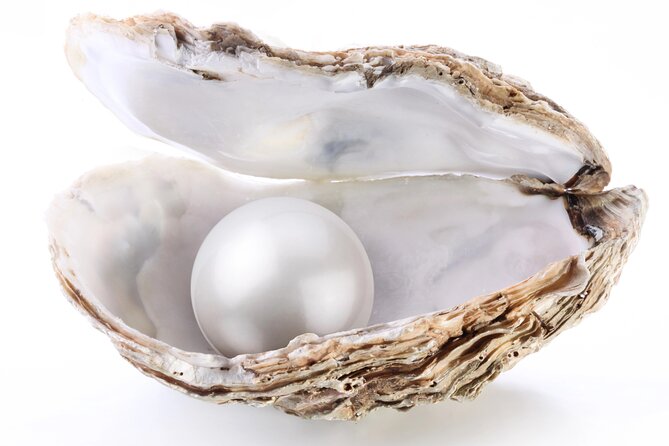
Pearls have long carried weight in human culture. They have served as ornaments, symbols of status, and valuable trade goods for thousands of years. This experience places that broad story in La Paz, where local pearl production gives the subject a direct connection to the region.
The tour also explains the claim that a pearl in Queen Elizabeth’s crown came from La Paz. That detail gives the presentation a memorable hook, but the stronger reason to visit is seeing how a natural object becomes a cultivated pearl through patient human work.
You are not simply shown finished jewelry. You are introduced to the oyster as a living marine animal and to the steps required before a pearl reaches a display case. That makes the visit useful for anyone who likes craft, conservation-related subjects, marine life, or regional industry.
More Pearl Farm Tours in Mexico:
- La Paz: Pearl Farm Experience and shop
★ 5.0 · 3 reviews - Broken Bay Pearl & Oyster Farm Tours
★ 5.0 · 150 reviews - Incredible Islands Tour – Horizontal Falls & Cygnet Bay Pearl Farm
★ 5.0 · 96 reviews
Starting at Avenida Pichilingue
The experience begins at Avenida Pichilingue in La Paz. You should allow enough time to reach the starting point on your own, since transportation to and from the farm is not listed as part of the activity.
Once the class begins, the pace is built around explanation and demonstration. The full visit lasts about two hours, which is long enough to cover the background, laboratory work, marine organisms, and shop without turning into a full-day outing.
That shorter format is helpful if you are fitting the farm between other La Paz plans. It also means the visit has a clear limit. You will learn the process and see the main work areas, but this is not an extended farm stay or a broad coastal excursion.
The story of pearls, from ancient use to La Paz
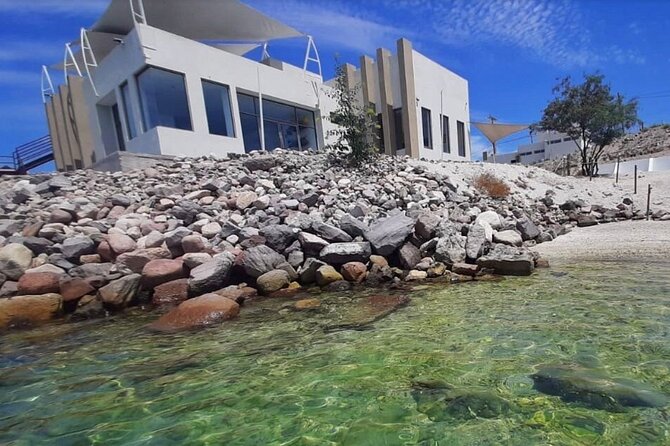
The opening lecture covers the importance of pearls in regional history and places pearl cultivation in a wider historical setting. You’ll hear how pearls have mattered from ancient civilizations through the present day.
This part matters because it explains why La Paz became associated with these small marine treasures. Instead of treating a pearl as just another luxury product, the guide connects it to place, trade, culture, and changing production methods.
Ivan, one of the owners, has led presentations that cover several thousand years of pearl history. His approach, as described by the tour details, combines the story of pearls with a practical explanation of oyster life. If you enjoy context before the demonstration, this is one of the stronger parts of the visit.
The subject can sound dry if you only want a quick look at jewelry. If you like to know how an object fits into local history, the talk gives the finished pearl more meaning.
Meeting the oysters and other marine life
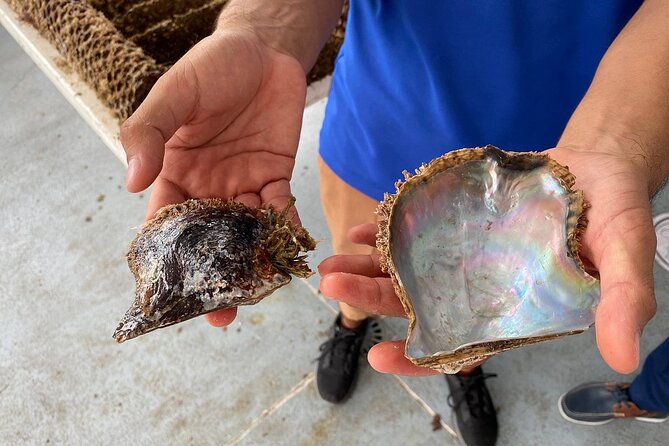
One of the most appealing features is the chance to interact with live marine organisms. The list includes pearl oysters, crabs, urchins, starfish, fish, and other sea life.
That hands-on element changes the mood of the visit. You are not only looking through glass or listening to a sales pitch. You get a closer sense of the animals involved in the process, especially the oyster that eventually produces the pearl.
The experience is a good choice for families and curious adults who learn best by seeing and touching. The available information does not specify the exact handling rules for each animal, so follow the guide’s instructions carefully and treat the organisms gently.
This portion also helps explain that a pearl is not manufactured in the same way as a bead or a piece of glass. It forms inside a living oyster over time. The farm’s work depends on careful treatment, precise technique, and patience.
More farm tours around Mexico:
- Magical Todos Santos Tour, Camel Ranch, Lunch and Tequila
★ 5.0 · 672 reviews - Chapala Lake & Ajijic Tour with “Tres Potrillos Ranch”
★ 4.5 · 85 reviews - 3 Palos Lagoon AfroMex Village Turtle Release & Croc Farm Visit
★ 4.5 · 22 reviews - Full-Day Ranch Adventure and Horseback Riding Tour
★ 5.0 · 19 reviews
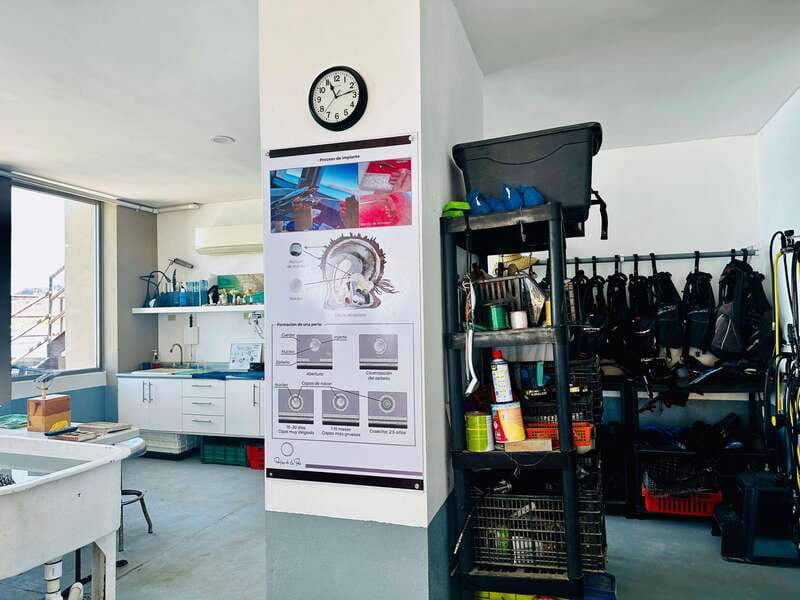
Inside the laboratory: how a pearl begins
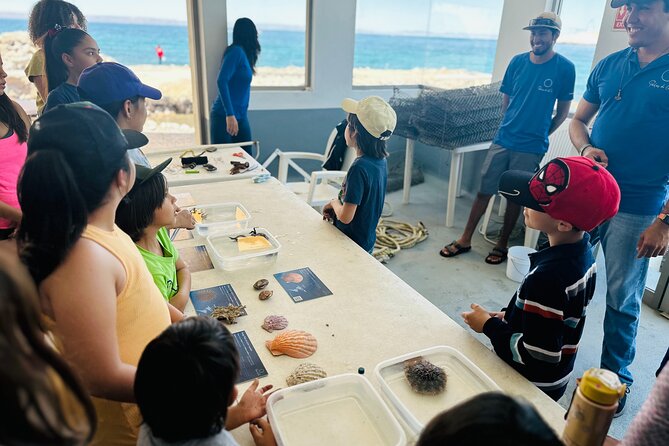
The laboratory visit is the most distinctive part of the tour for many people. Here, you see the technical side of pearl farming rather than only the finished result.
The process includes raising oysters through different stages of their life cycle and preparing them for cultivation. A key demonstration shows how a small marble is surgically implanted into an oyster. That object helps start the process that can result in a pearl.
This is not a casual craft demonstration. The procedure requires skill and care, and the tour explains how the oyster develops through the stages leading to pearl formation. Seeing that work helps you understand why cultivated pearls still have real value. They are assisted by people, but they are formed by a living marine animal over time.
The laboratory is also where the $68 price makes the most sense. You are paying for instruction, access to a working process, and a direct explanation of how pearls are produced. If your only goal is to buy a necklace, you can do that more efficiently in a shop. If you want to understand what you are buying, the lab adds genuine value.
Comparing different types of pearls
The tour includes an appreciation of different pearl types and an explanation of the full process used to obtain them. This is useful before visiting the jewelry shop, since it gives you a better basis for looking at color, shape, size, and finish.
The supplied details do not list specific pearl varieties or explain a grading system, so you should not expect a full gemology course. Still, the comparison helps you see that pearls are not all alike. Natural variation is part of their appeal, and each finished piece reflects both the oyster and the cultivation process.
I would pay attention during this section even if you do not plan to buy. It can help you separate the educational value of the farm from the retail portion that follows.
Hands-on learning without a full-day commitment
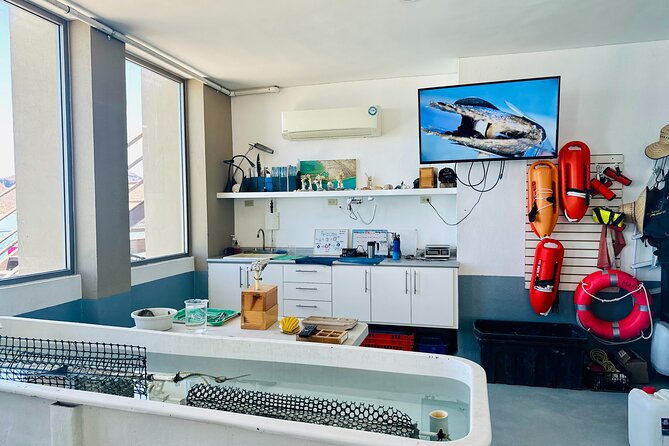
A two-hour schedule works well for visitors who want one focused activity in La Paz. You get a lecture, a look at the laboratory, contact with marine organisms, and time in the jewelry shop.
The tour is also wheelchair accessible, which makes the experience available to more visitors. The information provided does not give details about the surfaces, restrooms, or the exact layout of every area, so you may want to confirm any specific access needs before booking.
English and Spanish guides are available. That matters here because the tour depends on explanations, not just scenery. Choose the language in which you will be most comfortable following a technical demonstration and asking questions.
Food is not served, though food and beverages are available for purchase. Plan accordingly, especially if you are scheduling the visit around lunch or other activities. Jewelry and other souvenirs are also separate purchases.
Is $68 a fair price?
At $68 per person, this is not a bargain activity for a quick photo stop. It is a fairer value if you want a guided lesson, a laboratory visit, hands-on contact with marine life, and a look at a specialized local industry.
The price includes the historical presentation, the modern pearl-culturing explanation, the laboratory visit, the pearl comparisons, and the hands-on portion. It does not include food, souvenirs, or jewelry, so set a separate budget if you expect to shop.
I would recommend the price to visitors who are genuinely interested in pearls or marine biology. It may feel high if you are mainly looking for a short sightseeing stop or a low-cost activity. The small number of public ratings and the five-star score suggest strong early satisfaction, but I would still judge the value by your interests rather than by the rating alone.
The jewelry shop at the end
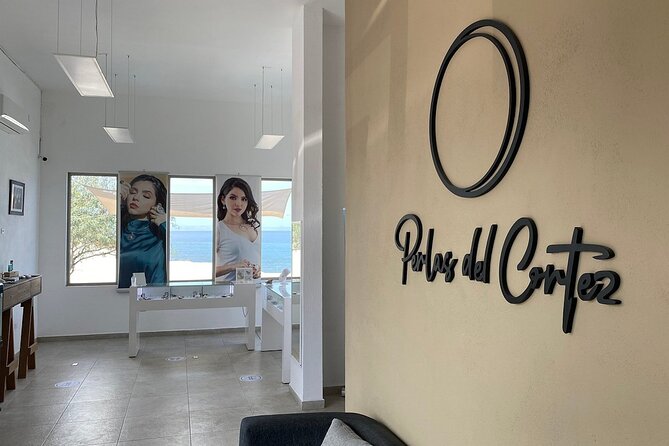
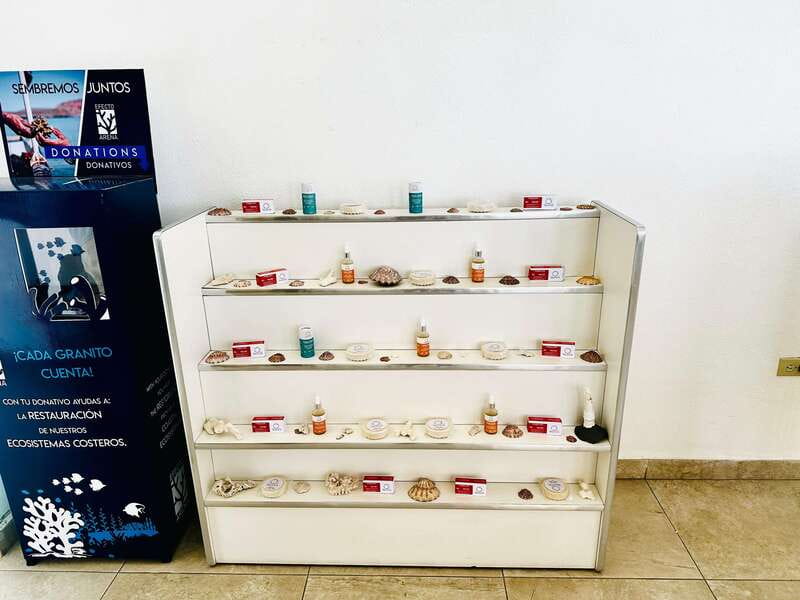
The final stop is an exclusive jewelry shop where you can examine and buy pearl jewelry. This gives the visit a natural ending: first you learn how pearls are made, then you see the finished products.
The shop is useful because you can look at pearls with some understanding of the work behind them. You are also free to treat it as an educational stop rather than a buying opportunity. Nothing in the tour price requires you to purchase jewelry.
Keep your expectations practical. The available information does not provide prices, return terms, or details about the range of pieces. If you are considering an expensive purchase, ask about the pearl type, quality, origin, and care instructions before paying.
The shop may be the highlight for someone interested in jewelry. For others, it could feel like a sales-focused finish after a more engaging laboratory visit. That balance is worth knowing before you book.
Who should book this La Paz experience?
I would choose this tour if you like local history with a practical side. It suits visitors who enjoy seeing how a product is made, families looking for an educational activity, and anyone curious about marine animals and pearl jewelry.
It also works well for cruise or short-stay visitors who want a two-hour activity rather than a long excursion. The English and Spanish options make it easier to follow, and wheelchair accessibility is an important plus.
I would think twice if you dislike demonstrations involving live animals, have no interest in pearls, or want an activity centered on swimming, beaches, or open-water scenery. Despite its sea connection, this is primarily an educational farm and shop visit.
Should you book the pearl farm tour?
Book it if you want to understand the work behind a La Paz pearl rather than simply admire one in a case. The laboratory, live marine organisms, historical talk, and oyster implantation demonstration give the visit substance.
Skip it if your priority is a cheap outing, a meal, or a broad coastal adventure. At $68, the experience earns its price through specialized instruction and access to the cultivation process. Free cancellation up to 24 hours before the start and reserve-now, pay-later booking make it easier to fit into a changing schedule.
FAQ
How long does the pearl farm experience last?
The tour lasts approximately two hours.
Where does the experience start?
The starting location is Avenida Pichilingue in La Paz, Mexico.
What languages are available?
The tour is available in English and Spanish.
Is the pearl farm wheelchair accessible?
Yes, the activity is listed as wheelchair accessible.
What will I learn about pearls?
You will learn about the historical importance of pearls, modern pearl cultivation, different types of pearls, and the process used to obtain them.
Will I visit a laboratory?
Yes. A laboratory visit is included in the experience.
Can I see how a pearl begins to form?
Yes. The demonstration includes the surgical implantation of a marble into an oyster, which begins the process that can result in a pearl.
What marine animals can I interact with?
The experience includes pearl oysters, crabs, urchins, starfish, fish, and other live marine organisms.
Is food included?
No. Food is not included, though food and beverages are available for purchase.
Can I buy pearl jewelry?
Yes. Pearl jewelry is available for purchase at the jewelry shop, but jewelry and souvenirs are not included in the tour price.
Newly listed farm visits around Mexico
- Farm to Table Cooking Experience in San Miguel★ 5.0 · 4 reviews
- Full-Day Ranch Adventure and Horseback Riding Tour★ 5.0 · 19 reviews
- Hands-on Mexican Farm Experience: from Cow to Cheese★ 5.0 · 9 reviews
- Urban Orchard in Desierto de los Leones in Mexico City★ 5.0 · 9 reviews
- La Paz: Coral Farm Snorkel Tour★ 5.0 · 3 reviews
- La Paz: Pearl Farm Experience and shop★ 5.0 · 3 reviews
- Cozumel: Hands-On Chocolate, Tortilla, Salsa & Honey Experience★ 5.0 · 6 reviews
- Visit to Coffee Farm with Tasting in Coatepec★ 4.5 · 4 reviews
Pearl Farm Tours, compared.
Cygnet Bay Pearl Farm Behind-the-Scenes Tour & Live Harvest
Read our review →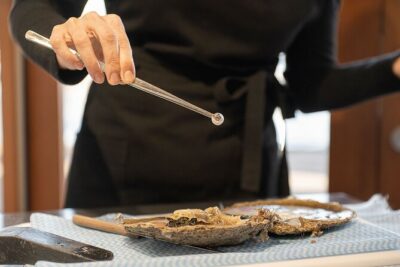
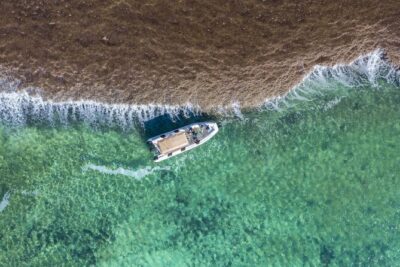
Cygnet Bay Sea Safari & Pearl Farm Tour Scenic Flight
Read our review →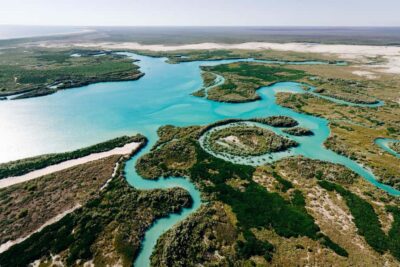
Broome: Helicopter Flight and Willie Creek Pearl Farm Tour
Read our review →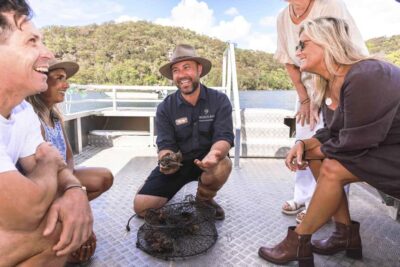
Shell to Showroom – Sydney’s only Pearl Farm Experience
Read our review →Browse the lists this tour appears in