
Review · SALENTO
Salento: Coffee Farm Tour with Tasting
A coffee farm tour is at its best when you stop seeing coffee as a drink and start seeing it as a long chain of careful handwork. This experience takes you from seedling to roasted bean at a traditional farm with a hundred-year history, then lets you pick cherries and plant a young coffee plant yourself. The hands-on work and the fresh tasting lesson are the two details I like most.
The private format also matters. You get transport from your accommodation in Filandia, a live guide in English or Spanish, and room to ask questions without keeping up with a large group. One caution: the advertised five hours may not always mean five hours at the finca. One guest found the actual coffee portion closer to two hours, so confirm the day’s timing if a full half-day farm visit is important to you.
Key points to know before booking
- A full coffee story: Follow coffee from seedlings and cherries through drying, roasting, and sometimes grinding.
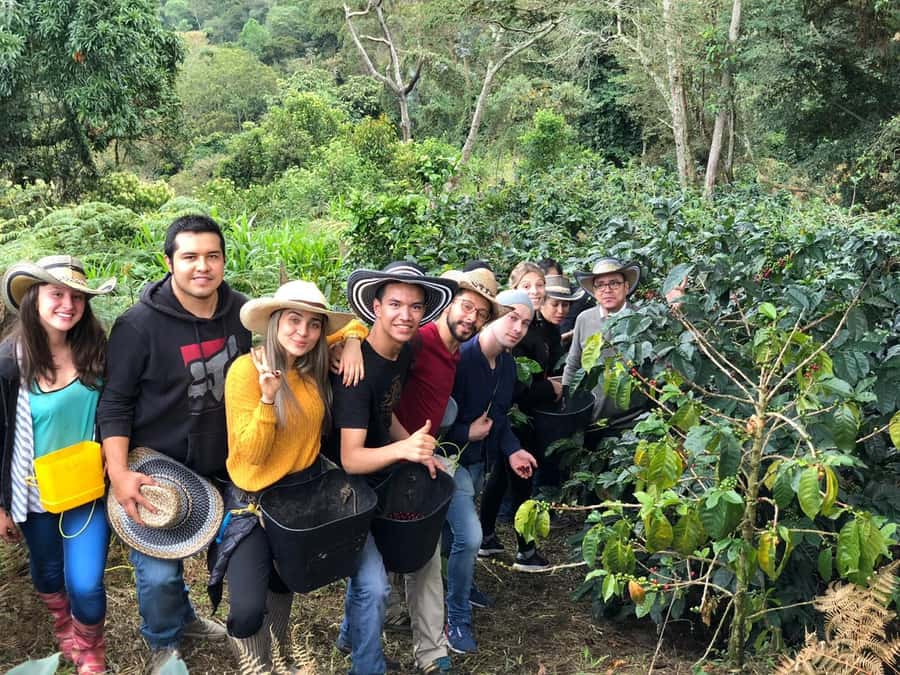
- Real farm participation: Pick coffee cherries and plant a seedling instead of only watching a demonstration.
- Private transport: Pickup and drop-off from your accommodation in Filandia are included.
- Personal guides: Kevin may add a walking introduction to Salento, while Marlon has hosted the farm portion at Finca Luger.
- Strong coffee focus: The tasting explains how to recognize quality Colombian coffee, not just how to drink it.
- One timing question: The listed duration is five hours, but the farm visit itself may be shorter on some departures.
From Filandia to a traditional coffee finca
Your day begins with pickup at your accommodation in Filandia. The included transport is useful here because the experience takes place at a coffee farm in the Tolima region, not in a town café where you could simply walk in for a cup.
The exact route and timing can vary. Some departures include a walk through Salento before the farm visit. Kevin has been praised for explaining the history of Salento, the surrounding region, and Colombia during this part of the day. That extra town introduction gives the coffee stop a wider setting: you begin with the place, then move on to one of its most important products.
The group is private, with a live guide in either English or Spanish. I would choose the language that lets you ask detailed questions comfortably. Coffee production has plenty of unfamiliar terms, and a private guide makes it easier to pause when a point is unclear.
The transfer is included in the $101 price, which helps the value. You are not arranging a separate taxi, finding the farm entrance, or working out how to return to town. Still, ask when you book how much of the five-hour block is driving, town touring, and time at the finca.
More Coffee Farm Tours in Colombia
- Medellín Coffee Farm Tour with Trolley and Cable Car Ride
★ 4.9 · 277 reviews - Salento: Private Cocora Valley, Salento & Coffee Farm Tour
★ 4.9 · 202 reviews - Medellin: Horseback Riding Coffee Farm Tour with Coffee Spa
★ 4.8 · 151 reviews
A century-old farm with coffee on every side
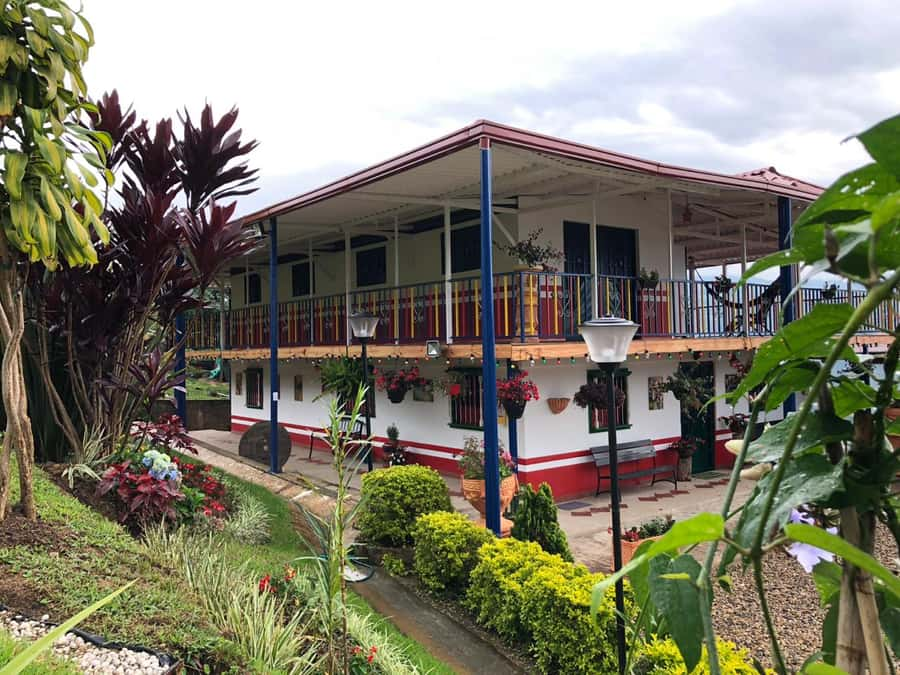
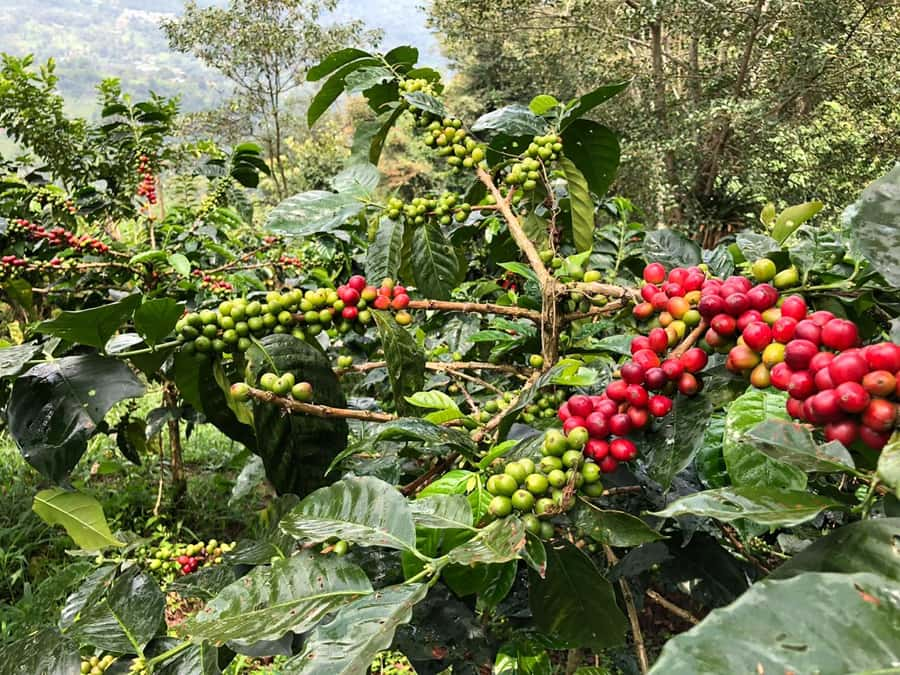
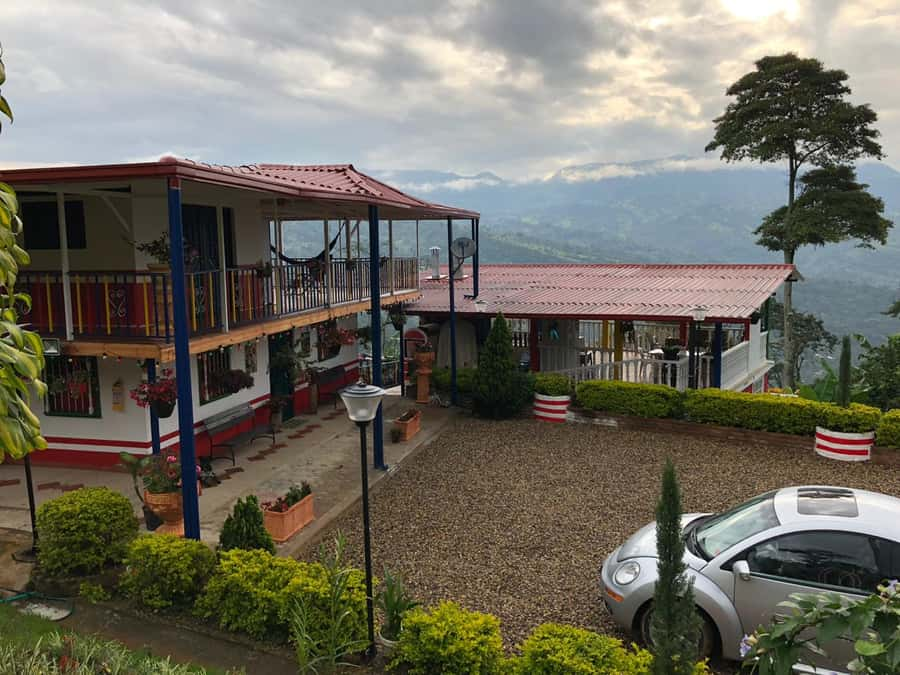
The farm is described as a traditional property with a hundred years of history. You can expect open views, a quiet setting, and several hectares planted with coffee. The appeal is not a polished visitor center. It is the chance to see a working farm and the many small stages required before coffee reaches a shop.
Your guide walks you through the different areas of the property and explains the order of the work. This matters because coffee is often presented as a single product, while the farm reveals a chain of decisions and labor. The quality of the final cup depends on what happens long before roasting.
A farm visit also gives you a better sense of scale. Coffee bushes may look simple, but the work around them is not. Seeds must be planted, young plants cared for, cherries picked at the right stage, and beans prepared before roasting. Much of this work is done by hand, which helps explain why a good cup is worth more than the raw bean might suggest.
Bring comfortable shoes and clothes that can handle a little mud or damp weather. The tour operates in all weather conditions, so a light rain layer is sensible. You will also want water and a camera. The views and plantation rows are part of the experience, even though the coffee remains the main subject.
Planting a seedling and picking coffee cherries
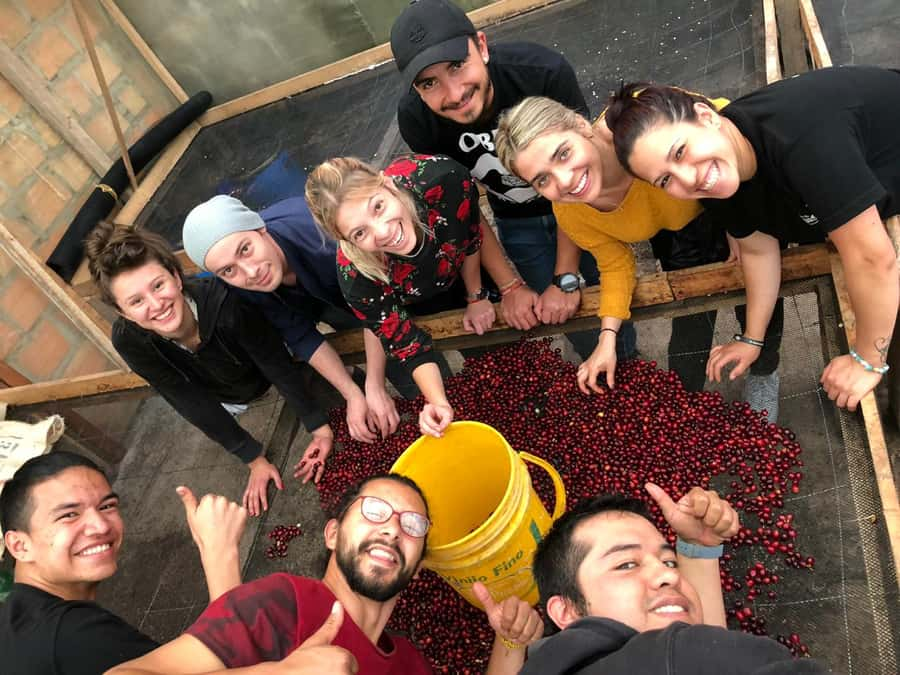
The most useful part of the tour is the chance to take part in the early stages. You may plant a coffee seed in the nursery and pick cherries directly from the bushes.
Planting a seedling sounds small, but it changes how you understand the crop. Coffee does not appear as a ready-made bush. It begins as a carefully tended young plant, and the farm’s future depends on getting those first stages right. A short practical activity can make that point clearer than a long explanation.
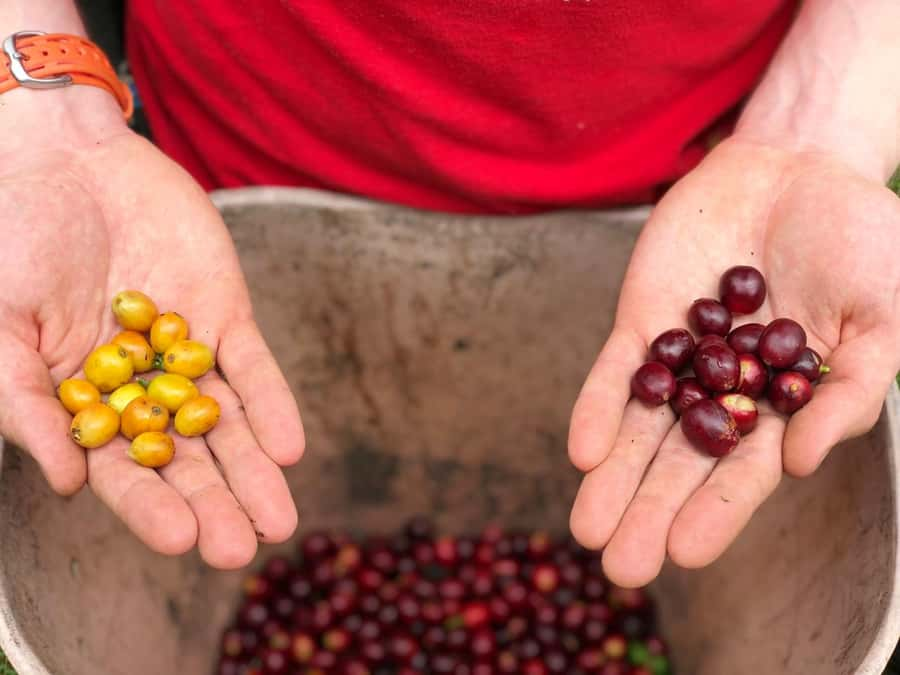
Picking cherries brings another lesson. The fruit is not the brown bean you see in a bag of roasted coffee. You pick the ripe fruit from the bush, then learn what happens after harvest. The guide explains how the cherries move through preparation, drying, and later roasting.
This is a good tour for curious children and adults, though it is not suitable for wheelchair users. The farm walk and hands-on work require movement around the property. Comfortable footwear is more important than stylish footwear here.
Do not expect a large harvesting session. The point is to understand the work and participate briefly, not to fill a basket for the afternoon. If you want to spend hours picking coffee, ask about the schedule before paying, since the farm portion may be shorter than the advertised five hours.
Drying, roasting, and the work behind the cup
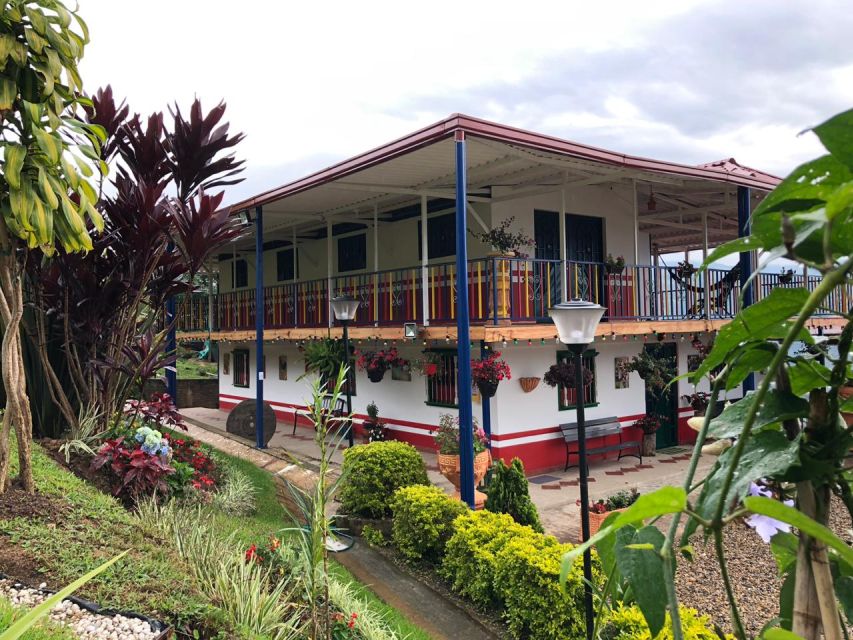
After the plantation walk, the tour moves toward the final stages of coffee production. You see how the harvested coffee is dried and prepared, then watch the roasting process. Grinding may also be included, depending on the day.
Roasting is often the moment when the process becomes familiar again. You recognize the smell, color, and sound of coffee changing, but now you know what came before it. On some visits, you may take part in preparing the roast. That small role makes the final cup feel connected to the work you have just seen.
At Finca Luger, Marlon has hosted the farm portion. He is described as someone who explains the process clearly, adds humor, and can answer detailed questions without making the subject feel like a lecture. A local snack may also be prepared during the visit, though lunch is not included, so do not book this as a meal replacement.
The handmade nature of the work is central. You see that coffee quality is not produced by the roaster alone. The grower’s care, the condition of the cherries, drying, and roasting all affect the result. That is the most valuable lesson of the tour, especially if you usually buy coffee without thinking about its source.
Same countryside, another kind of harvest:
- From Bogotá: Coffee Farm and Tequendama Falls Tour
★ 4.5 · 130 reviews - Coffee Tour Salento-Ocaso Farm- English Tour
★ 4.6 · 88 reviews - Coffee Farm Experience Private Day Tour
★ 5.0 · 81 reviews - VIP Bogota City Tour: Farmers Market, Monserrate, Candelaria, 9hr
★ 5.0 · 66 reviews
A tasting lesson with baristas
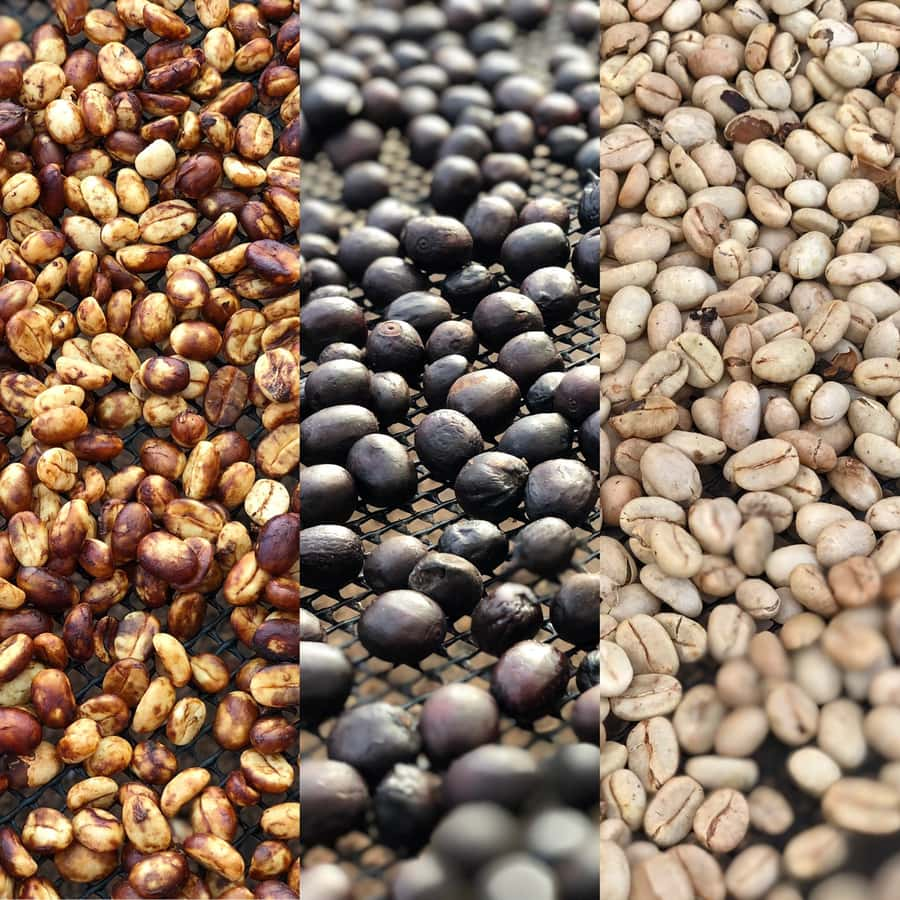
The tasting is not just a final cup handed to you as a souvenir. Baristas introduce you to the traits of high-quality Colombian coffee and explain how to notice them.
You will have a chance to ask questions while drinking fresh coffee. The setting is informal, but the tasting gives the day a useful conclusion. You have seen the plant, handled the fruit, followed the processing, and watched roasting. Now you can connect those stages to aroma and flavor.
If you are new to coffee tasting, focus on simple comparisons. Notice the smell before drinking, the first taste, the texture, and how long the flavor remains. You do not need a trained palate to get something from the lesson. A good guide will help you put ordinary impressions into clear words.
The coffee is a strong point of the experience. Several departures have included a cup roasted during the visit, which gives you a direct link between the activity and the tasting. You may also be able to buy extra coffee or other products, but those purchases are not included in the price.
I like that the tasting is connected to farm work rather than separated from it. You are not only learning that Colombian coffee is good. You are learning why the people and methods behind it affect what reaches your cup.
How the guides shape the day
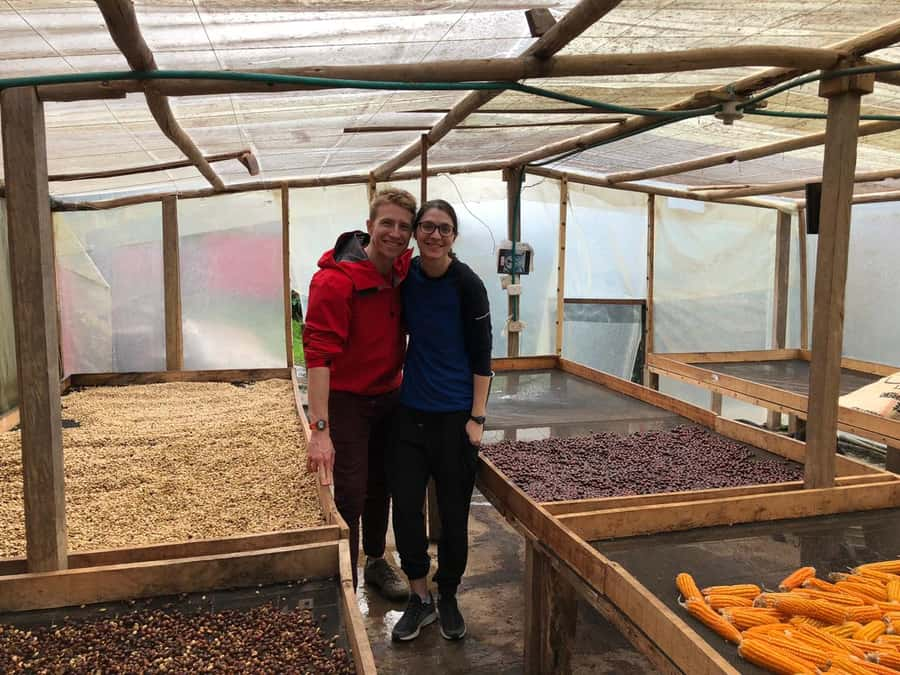
The guide can make a large difference because the tour covers both local culture and technical coffee work. Kevin has led walks through Salento, explaining the town, region, and country before the transfer to the farm. That gives the outing more range than a basic plantation visit.
At the finca, Marlon has been noted for his clear explanations and easy humor. The combination works well: one guide places the farm in its regional setting, while the host focuses on growing, processing, and roasting.
The experience is offered in English and Spanish. Since the group is private, you can ask about cultivation, roasting, local farming, or the final cup without worrying that you are holding up strangers. That is especially useful if one person in your party is a serious coffee drinker and another is simply interested in Colombian life.
The guide may also help with photos. Kevin has been praised for taking pictures during the outing, which is handy when your hands are occupied with cherries or planting. This is not guaranteed as a formal photo service, but it is worth asking if you want a record of the hands-on parts.
Is $101 a fair price?
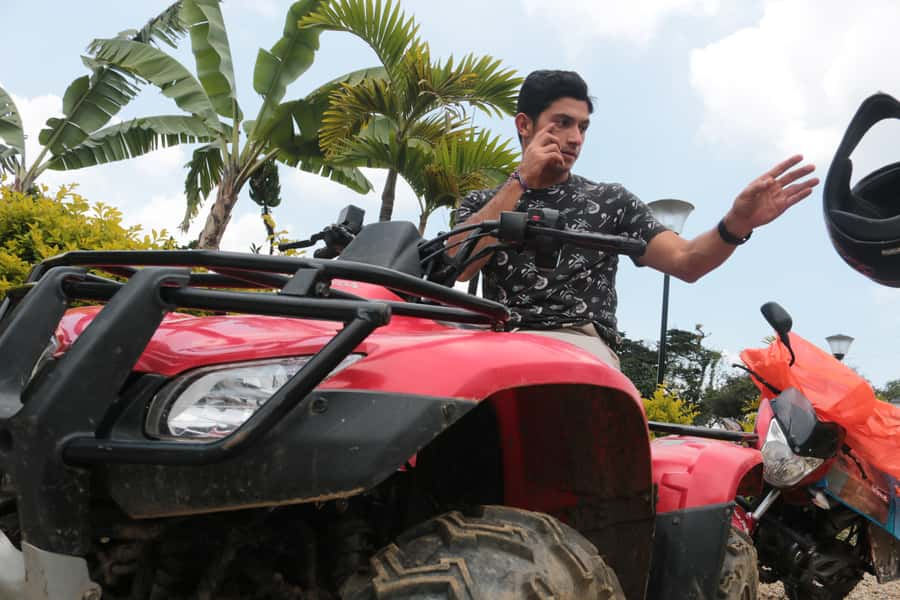
At $101 per person, this is not the cheapest way to drink Colombian coffee. You are paying for a private group, pickup and drop-off, farm admission, a live guide, the plantation activities, and the tasting.
The price makes more sense if you value convenience and personal attention. Transport from Filandia is included, and the experience combines a town introduction, a farm visit, practical activities, and a tasting. Booking separate transport and trying to arrange access to a working farm would take time and might not provide the same explanation.
The value is weaker if you expect five full hours of coffee work at the finca. A guest found the coffee portion lasted about two hours, despite the five-hour booking description. The guide tried to add more to the visit, but the timing still felt shorter than expected.
For that reason, I would confirm three details before booking: how long you will be at the farm, whether a Salento walk is included, and which guide or host is scheduled. If your answer is yes to a private outing with transport and a serious tasting, the price is reasonable. If your main goal is several hours of harvesting, check carefully first.
Who will enjoy this coffee tour most?
This experience suits coffee drinkers who want to understand the product rather than simply buy a bag. It also works well for couples, families with older children, and small private groups that prefer questions and conversation over a fixed large-group script.
You will get the most from it if you enjoy meeting local producers and seeing manual work up close. The tour explains why growers matter, and the planting and picking activities give you a small sense of the effort involved.
It is less suitable for anyone seeking a full meal, a long farm trek, or guaranteed wheelchair access. Lunch is not included, the tour runs in all weather, and the farm setting may require walking on uneven ground. Pack water, comfortable shoes, practical clothes, and rain protection.
The schedule also matters for people with limited time. The activity is advertised as five hours, but the amount of time at each stop can vary. Keep the afternoon flexible rather than planning a tight connection immediately afterward.
Should you book the Salento coffee farm tour?
Book it if you want a private, well-organized introduction to Colombian coffee that includes more than a tasting. The best parts are the farm setting, the chance to plant a seedling and pick cherries, the roasting demonstration, and the clear link between farming and flavor.
I would be cautious if you are booking specifically for a five-hour plantation stay. Ask for the expected breakdown before confirming, since the actual farm visit may be shorter. Also remember that lunch and extra purchases cost more.
For most coffee fans, the $101 price is justified by the transport, private format, personal guides, and hands-on access. You leave with more than a caffeine boost. You understand how much work stands between a coffee seed and the cup in your hand.
FAQ
Where does the coffee farm tour begin?
Pickup is included from your accommodation in Filandia. The experience takes place at a traditional coffee farm in the Tolima region.
How long does the activity last?
The advertised duration is five hours. The amount of time spent at the coffee farm can vary, and one departure lasted about two hours at the finca, so confirm the schedule if this matters to you.
Is the tour private?
Yes. The activity is arranged for a private group rather than a shared large group.
Which languages are available?
The live tour guide can provide the experience in English or Spanish.
What coffee activities can I take part in?
You can pick coffee cherries and plant a coffee seedling. You may also take part in preparing the roast, while the farm explains drying, roasting, and sometimes grinding.
Is lunch included?
No. Lunch is not included, though a local snack may sometimes be prepared at the farm. Extra purchases are also separate.
Newly listed farm visits around Colombia
- Cocora Valley Tour and Coffee Farms★ 4.5 · 40 reviews
- Salento and Cócora Tour plus Coffee Farm from Pereira or Armenia★ 5.0 · 40 reviews
- Medellín: Flower Farm & Silletero History Tour★ 4.3 · 23 reviews
- Salento and Cócora Tour + Coffee Farm from Pereira/Armenia★ 5.0 · 33 reviews
- Private Tour to Coffee Farm (farm of your choice)★ 5.0 · 2 reviews
- Medellin: Coffee Farm Tour & Spa with Overnight Glamping★ 4.5 · 3 reviews
- Most complete COFFEE TOUR at local family farm★ 5.0 · 2 reviews
- From Medellin; (All-In) The Real Horseback Ranch Experience★ 4.8 · 9 reviews
Coffee Farm Tours, compared.
Award Winning Farm Tour: Coffee, Chocolate and Unique Gifts
Read our review →
La Herradura Coffee Farm: tour in Europe’s only plantation
Read our review →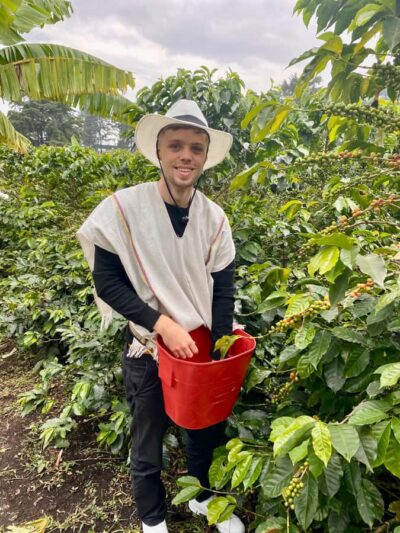
Medellín Coffee Farm Tour with Trolley and Cable Car Ride
Read our review →
Liamuiga Natural Farm Tour – St.Kitts’ Coffee Farm
Read our review →
Horseback Riding Coffee Farm Tour with Coffee Spa
Read our review →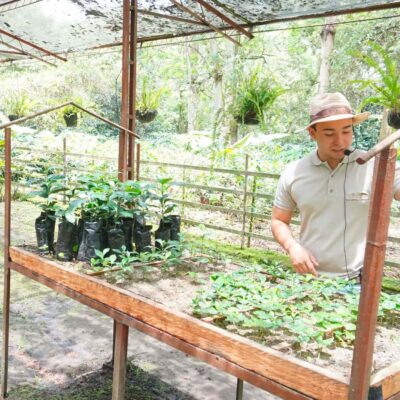
From Bogotá: Coffee Farm and Tequendama Falls Tour
Read our review →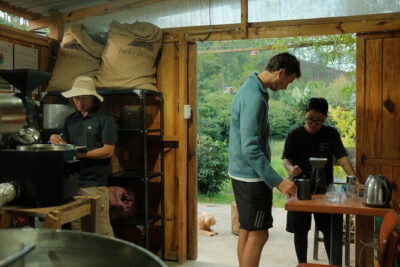
Coffee Farm Tour with Roasting & Tasting Workshop – Da Lat
Read our review →Browse the lists this tour appears in