
Review · THE USA
Hawaii: Hala Tree Coffee Farm Tour and Tasting
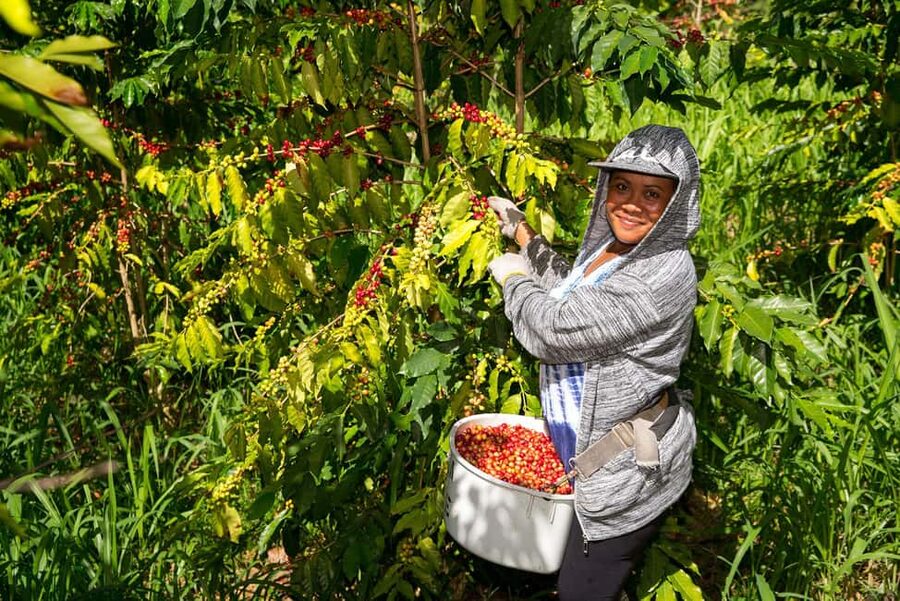
The best part of Hala Tree Coffee Farm is the chance to see 100% Kona Coffee in the place where it grows. You walk among coffee trees, spot ripe red cherries, and connect the finished drink in your cup with the work behind it.
I like the simple, hands-on format and the ocean views during the tasting. I also like that the tour explains sustainable growing, harvesting, and roasting instead of rushing straight to a sample. The main consideration is time: at one hour, this is a focused introduction, not a long farm stay or a full-day coffee workshop.
Key points to know before you go
- Ripe cherries on the trees: See coffee growing in the orchard before learning how it becomes roasted beans.
- A short, useful format: The one-hour visit fits neatly into a day of sightseeing around Kona.
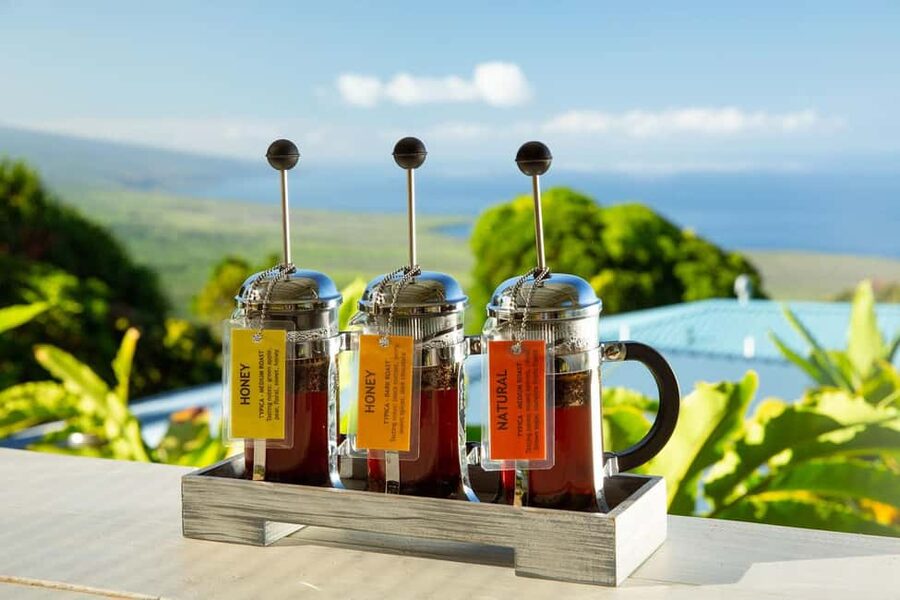
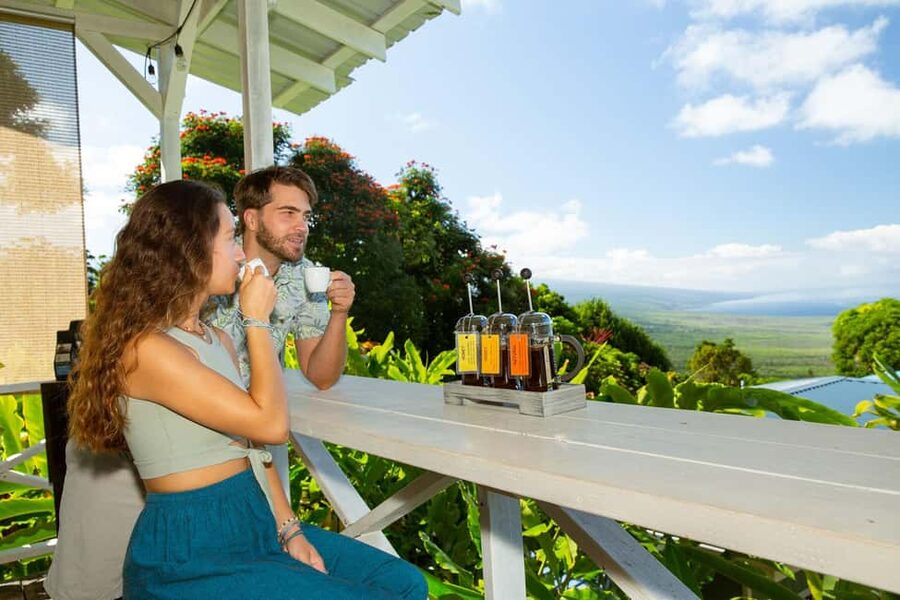
- Tasting with an ocean view: The final coffee sample comes with a memorable Hawaiian setting.
- Family-friendly atmosphere: Children can enjoy the farm surroundings, including time with the farm dogs.
- Sustainable production: The guide explains how the estate approaches coffee growing and processing.
- Low price, easy planning: At $10 per person, it is an inexpensive way to add local food and farming context to your Hawaii plans.
Walking into Hala Tree’s Kona coffee orchard
Hala Tree Coffee Farm gives you something a coffee shop cannot: a look at the plant itself. Your visit begins with a guided walk through the orchard, where coffee trees carry red cherries when the crop is ready. That first view matters because coffee often reaches your table as a bag of beans, far removed from its fruit.
The tour focuses on 100% Kona Coffee. That label refers to coffee grown in the Kona coffee area, and the farm visit helps put the name into physical context. You see the trees, the fruit, and the setting instead of treating Kona Coffee as just a souvenir or menu choice.
I would arrive ready for a working-farm setting rather than a polished museum. The information provided does not promise a large visitor center, extensive displays, or a long list of attractions. The appeal is the orchard itself, the guide’s explanation, and the chance to follow the product from plant to cup.
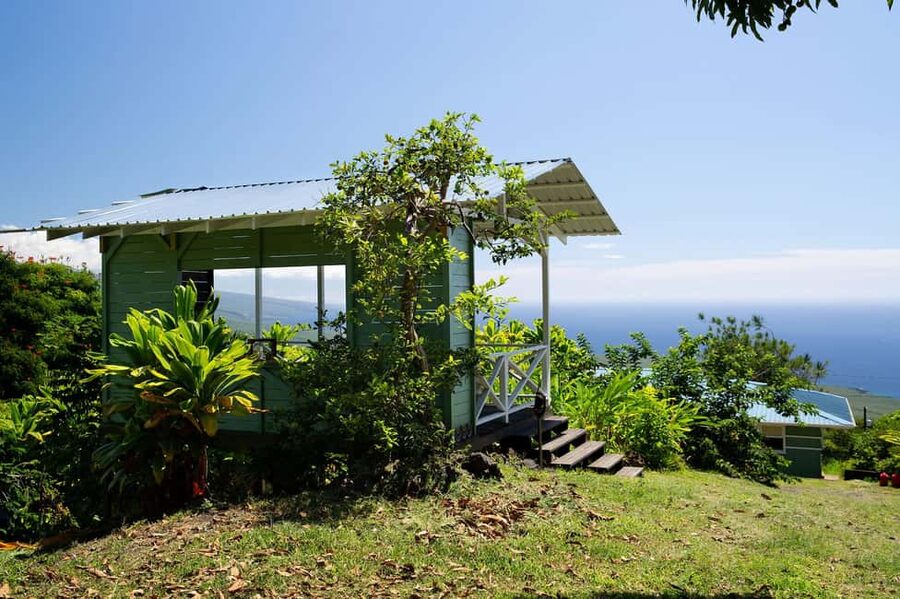
The tropical setting adds plenty to the walk. You are not simply looking at rows of plants in isolation. The farm sits above a church near Hawaii’s coast, with views that help explain why the tasting feels like part of a place rather than a generic coffee sample.
More Coffee Farm Tours in the USA
- Award Winning Farm Tour: Coffee, Chocolate and Unique Gifts
★ 5.0 · 484 reviews - Big Island: Volcanoes, Waterfalls, & Coffee Farm Day-Trip
★ 4.9 · 414 reviews - Small-Group Big Island Tour: Hawaii Volcanoes National Park and Kona Coffee Farm
★ 5.0 · 343 reviews
What the guide explains about growing and harvesting
The guide covers the basic path from coffee cherry to roasted bean. You learn how the crop is grown, what harvesting involves, and why the work requires more than simply picking fruit from a tree.
Ripe cherries are the visual star of this portion. Their red color makes it easier to understand the first stage of production, especially if you are visiting with children. A child may not remember every detail about roasting, but seeing the fruit on the tree creates a clear link between farm and breakfast cup.
Sustainable coffee production is another central topic. The supplied details do not list particular farming methods, certifications, or equipment, so you should not expect a technical inspection of every practice. Instead, the guide gives you an introduction to how Hala Tree approaches responsible production and how care at the farm level affects the final coffee.
The farm’s past also forms part of the explanation. No specific dates or founding story are provided, so the details will depend on the guide’s presentation. Still, this part helps place Hala Tree within Kona’s long-running coffee tradition rather than treating the property as a simple tasting stop.
For me, this is where the tour earns its modest price. A tasting alone can be pleasant, but the growing and harvesting context gives the coffee more meaning. You leave with a better sense of why a small cup can represent months of care.
From red cherry to roasted bean
The next step is the change from fruit to coffee. The guide outlines the processing involved in harvesting and roasting, giving you a practical view of the work that happens before brewing.
Roasting is especially useful to watch or discuss because it changes the character of the beans. The experience includes an opportunity to engage with the art of roasting, though the available details do not promise that every visitor will roast a personal batch. Think of it as an introduction to the craft, with an aromatic element that makes the lesson feel immediate.
This is also a good point to ask questions. You can ask how the farm handles its coffee, what makes Kona Coffee distinct, and how the crop moves from the orchard toward the finished drink. The tour is in English, and the guide leads the explanation throughout.
The one-hour length keeps the program manageable, but it also limits how much technical detail can fit. If you already know coffee processing well, you may find the explanation introductory. If you are new to coffee farming, the pace should give you enough structure without turning the visit into a lecture.
I like this balance for a vacation stop. You get more than a quick sip, but you do not have to reserve half a day to learn the basics. That makes Hala Tree easy to pair with other plans around Kona.
The final tasting, with the Pacific in view
The tasting is the natural finish. After seeing the trees and hearing about production, you sample Hala Tree’s premium Kona Coffee in the farm setting.
The ocean view is an important part of the experience. Coffee tasting can happen almost anywhere, but a cup enjoyed with Hawaii’s coast in sight feels tied to the island. It also creates a calm final moment after the walk and the explanations.
The tasting is not described as a large flight or a formal coffee class. You should expect a sample of the estate’s coffee rather than a full menu of brewing styles or a side-by-side comparison of many beans. That is not a flaw at this price, but it is worth knowing if you are looking for an advanced tasting session.
The sample also gives you a chance to think about the flavor with the production story fresh in mind. You have seen the cherries and heard about roasting, so you can pay attention to the drink as the finished result of that process.
One verified booking from Japan specifically praised the learning experience and noted that children enjoyed playing with the dogs. That detail makes the farm feel more relaxed and family-oriented than a formal tasting room, although time with the dogs should be treated as a pleasant possibility rather than the main feature of the tour.
Another verified booking described the explanations as very good and highlighted the ocean view during the tasting. Those are the two points I would keep in mind when deciding: this is as much about place and clear instruction as it is about the coffee itself.
Same countryside, another kind of harvest:
- Maui Pineapple Farm Tour in Haliimaile
★ 5.0 · 2,855 reviews - Half-Day Thoroughbred Horse Farm Tour in Kentucky
★ 5.0 · 1,924 reviews - Oahu: Kualoa Ranch Movie Sites and Ranch Tour
★ 4.5 · 1,655 reviews - Oahu: Kualoa Ranch UTV Raptor Tour
★ 4.5 · 1,569 reviews
Why the $10 price works
At $10 per person, Hala Tree offers strong value for anyone already planning to be near Kona. You receive a guided farm visit, an orchard walk, an explanation of sustainable production, an introduction to roasting, and a coffee tasting.
The value is not based on length alone. A one-hour activity can be more useful than a longer stop if it gives you a clear story and fits between other plans. Hala Tree’s format leaves room in your day for beaches, scenic drives, meals, or other Kona activities.
I would not book this expecting a full meal, a long workshop, or a large coffee flight. None of those are included in the information provided. The price makes more sense as a compact educational stop with a local drink at the end.
It is also a good choice for mixed-interest groups. Coffee fans get production details. Families get an outdoor walk, colorful fruit, and the possibility of meeting the dogs. Partners or friends who are not serious about coffee still have the Hawaiian setting and the ocean view to enjoy.
Getting to the farm from Kona
The meeting point is above Bile First Mission Church, identified by a blue sign. Coming from Kona, take Highway 11 to mile marker 109, then follow the road up toward the farm.
Because the directions use a mile marker and a church sign, I would allow a little extra time to find the turn. The information provided does not include a street address, shuttle service, or public transport instructions. That makes driving and careful attention to the landmark the practical approach.
A map check before leaving is sensible, especially if you are fitting the tour into a larger day. You do not want to arrive late for a one-hour activity and lose part of the orchard walk or tasting.
The setting above the church is part of the charm. You are away from the standard hotel and shopping areas, with a more agricultural view of the Kona side of the island. The tradeoff is that the stop requires you to follow the directions closely rather than simply walking in from a central visitor district.
Who will enjoy this one-hour visit
I would recommend Hala Tree to several kinds of visitors:
- Coffee drinkers: You can connect Kona Coffee with its growing and roasting process.
- Families: The short duration is manageable, and the farm dogs may be a hit with children.
- First-time Hawaii visitors: The orchard and ocean view offer a quick look at local agriculture.
- Budget-conscious visitors: The $10 fee keeps the activity easy to add to a larger day.
- Curious food lovers: You get a simple origin story for a product often sold without much context.
I would be more cautious if you want a long, highly technical coffee course. The information points to a guided introduction, not an advanced seminar. I would also look elsewhere if you dislike outdoor farm settings or prefer a large tasting menu with several varieties.
The tour works best when you treat it as a small, focused experience. Give the guide your attention, look closely at the cherries, ask about roasting, and take time with the final cup. The hour passes quickly, but it can add useful texture to a Kona visit.
Booking details that matter
The tour is offered in English with a live guide. Starting times vary, so you need to check availability for your date rather than assuming a fixed departure.
You can cancel up to 24 hours before the activity for a full refund. You can also reserve now and pay later, which helps if your Hawaii schedule is still changing.
The price is $10 per person, and the duration is one hour. Those two details make the activity easy to combine with other plans, but do not leave your schedule so tight that a delayed drive becomes stressful.
The available information does not state a minimum age, group size, exact roasting format, or accessibility details. If any of those points affect your plans, confirm them with Hala Tree before booking.
Should you book Hala Tree Coffee Farm?
Book this tour if you want an inexpensive, short introduction to Kona Coffee with a real orchard, clear production talk, and a tasting that comes with an ocean view. It is particularly useful for families and for anyone who wants more context than a bag of beans from a shop can provide.
Skip it if you are seeking an elaborate coffee course, a long farm excursion, or a broad tasting flight. For most visitors with an hour near Kona, though, the $10 price is hard to argue with. You see where the coffee begins, learn how it is handled, and finish with a cup in a memorable Hawaiian setting.
FAQ
Where is Hala Tree Coffee Farm located?
The farm is above Bile First Mission Church. From Kona, take Highway 11 to mile marker 109 and look for the blue church sign, then go up the road.
How long does the tour last?
The tour lasts one hour.
How much does the tour cost?
The price is $10 per person.
What language is the tour offered in?
The live guided tour is offered in English.
What will I see during the farm visit?
You will walk through the coffee orchards, see ripe red coffee cherries, and learn about coffee production and sustainable practices.
Is coffee tasting included?
Yes. The experience ends with a tasting of Hala Tree’s premium Kona Coffee.
Does the tour explain coffee roasting?
Yes. The guide discusses harvesting and roasting, and the experience includes an opportunity to engage with the art of coffee roasting.
Can I cancel the booking for a refund?
Yes. You can cancel up to 24 hours in advance for a full refund. You can also reserve now and pay later.
Newly listed farm visits around the USA
- Gourmet Mushroom Farm Tour in Tennessee★ 5.0 · 5 reviews
- Cozy Farm Experience with Wagon Wheels and Acoustic Meal★ 5.0 · 2 reviews
- Farms, Flights: Finger Lakes Brewery Tour★ 4.5 · 25 reviews
- Scenic Scottsdale E-Bike Tour – 2 Hours★ 5.0 · 47 reviews
- Wine Country Farm to Table Bike Tour w/Lunch★ 5.0 · 31 reviews
- Santa Fe Farmers Market & Railyard Food Tour★ 5.0 · 2 reviews
- Mere Point Oyster Farm Tour★ 5.0 · 2 reviews
- The Hood-Columbia Loop: Timberline, Orchards, and Waterfalls★ 5.0 · 12 reviews
Coffee Farm Tours, compared.
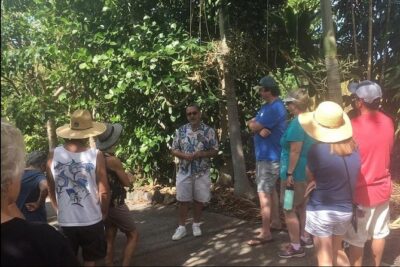
Award Winning Farm Tour: Coffee, Chocolate and Unique Gifts
Read our review →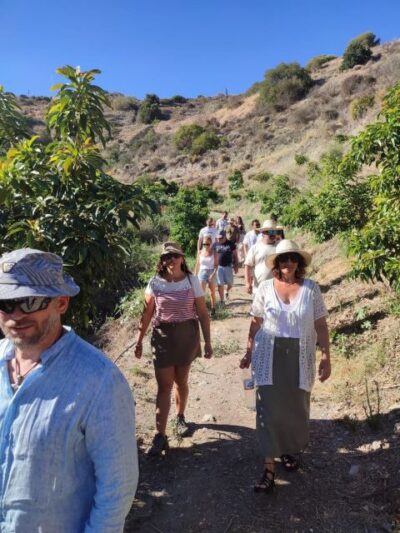
La Herradura Coffee Farm: tour in Europe’s only plantation
Read our review →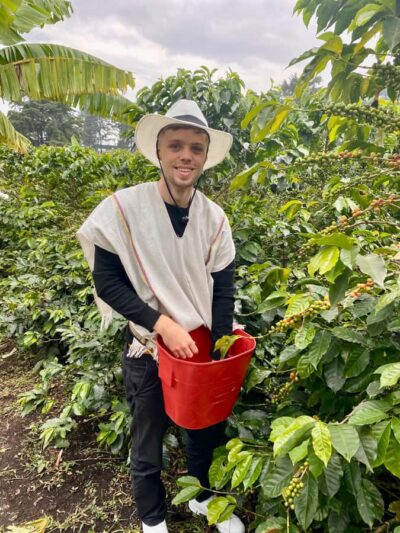
Medellín Coffee Farm Tour with Trolley and Cable Car Ride
Read our review →
Liamuiga Natural Farm Tour – St.Kitts’ Coffee Farm
Read our review →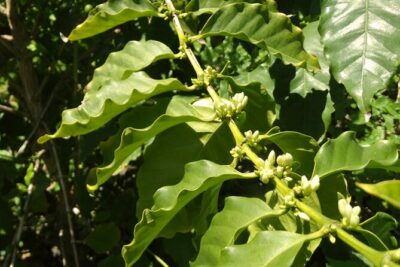
Horseback Riding Coffee Farm Tour with Coffee Spa
Read our review →
From Bogotá: Coffee Farm and Tequendama Falls Tour
Read our review →
Coffee Farm Tour with Roasting & Tasting Workshop – Da Lat
Read our review →Browse the lists this tour appears in