

Review · NAIROBI
Private Half-Day Tour in Fairview Coffee Farm from Nairobi
Fairview Coffee Estate gives you a clear look at how Kenyan coffee moves from a young plant to the cup in your hand. About 30 minutes from Nairobi, the farm offers a useful break from the city without requiring a full day away.
I like the farm-to-cup route, which covers nursery work, planting, harvesting, drying, processing, grades, and varieties in one visit. I also like the practical finish: you taste freshly brewed coffee with snacks and milk, then have the chance to buy packaged coffee directly from the farm.
The main consideration is that this is a short introduction, not a long agricultural tour. The advertised rate is $90 per person, so the value depends heavily on how much you appreciate private transport, a guided visit, and coffee tasting rather than simply buying a cup in Nairobi.
Key points to know before booking
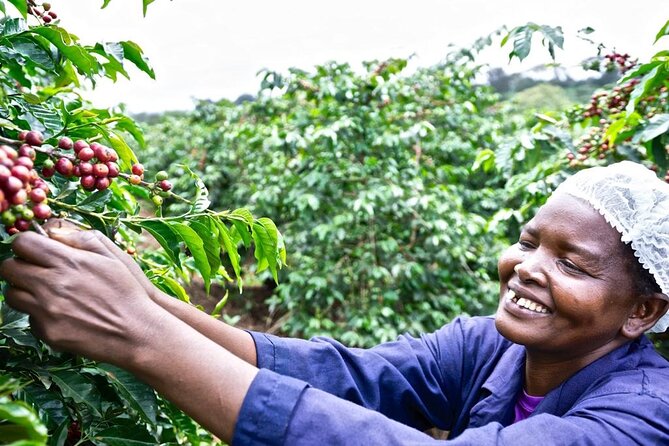
- Coffee production is shown step by step: You learn about nursery plants, coffee trees, picking, drying, processing, and the final product.
- The estate is close to Nairobi: Pickup is scheduled for 8:30am, and the drive takes about 30 minutes through Karura Forest.
- Tasting is part of the visit: You sample coffee from different grades, types, and varieties before receiving a cup with snacks and milk.
- You receive private transport: Hotel pickup and drop-off, bottled water, and a professional guide are included.
- Wear proper shoes: The farm walk can pass among coffee trees and uneven ground, so hiking shoes are a sensible choice.
- Packaged coffee costs extra: Farm coffee is available to buy, but it is not included in the tour price.
Leaving Nairobi for Fairview Coffee Estate
Your morning begins with pickup from your hotel at 8:30am. The drive to Fairview Coffee Estate takes about 30 minutes, passing through Karura Forest on the way. That short transfer matters: you can fit this visit into a Nairobi stay without giving up an entire day for transport.
Private transportation is included, along with hotel pickup and drop-off. For a solo visitor or a small group, this removes the need to arrange a taxi, find the estate yourself, or work out how to return after the tasting. Bottled water is also supplied.
The exact length is listed as three to four hours, with the farm visit itself planned for about three hours. You should expect a morning activity rather than a quick stop of less than an hour. If you have a flight, another tour, or a fixed lunch appointment, leave room for traffic and the return journey.
The booking is described as private, meaning only your group takes part in the booked activity. At the estate, the stated plan includes a welcome from farm staff, professional guides, and an accompanied tour. The wording also refers to other visitors joining the farm walk, so you may want to confirm the group arrangement if having a fully private guide at every moment is important to you.
More Coffee Farm Tours in Kenya
- Nairobi Coffee Farm and Factory Tour
★ 5.0 · 87 reviews - Nairobi: Coffee Factory and Farm Tour with Transfer
★ 4.5 · 60 reviews - Coffee Farm Village & Factory Half Day Tour with Pick-Up
★ 5.0 · 33 reviews
Getting oriented in the visitor area
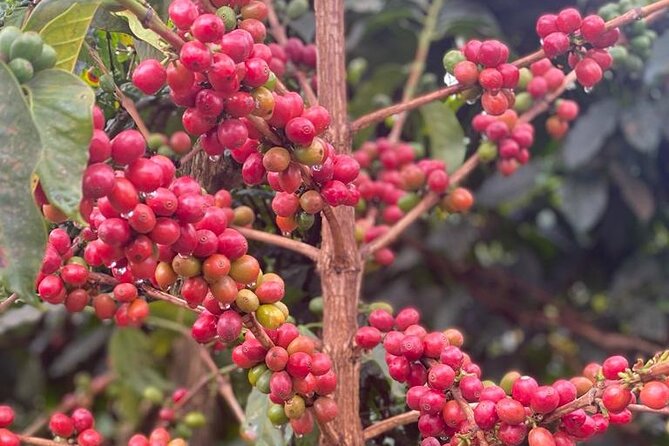
On arrival, you are welcomed at the visitor area and given a briefing about the farm. This opening helps put the walk in context before you see the plants and processing areas.
You learn about the estate and the coffee grown there, then meet the professional farm guides who lead the main visit. No individual guide names are provided, so you should not book this expecting a named specialist. The important point is that the guiding comes from people connected with the farm, not only from a driver escorting you around.
The first briefing is also a useful chance to ask basic questions. You can listen for how the farm approaches planting, picking, and processing, then connect those explanations to what you see outside. This makes the visit more than a scenic walk among coffee trees.
The farm setting is one of the strongest parts of the experience. A rating of 4.8 from 13 recorded ratings and a 92 percent recommendation indicate that the visit has been well received, though the sample is small. The most useful practical praise is about the setting and the hands-on feel, not about luxury or a long list of attractions.
From nursery plants to coffee trees
The tour follows the coffee cycle in order. You start with the nursery, where young plants are raised, then move to the plantation and learn how coffee is grown. This is valuable because many coffee tastings skip the farming stage and begin with a roasted bean already prepared for brewing.
You also learn about different types of coffee grown on the farm. The available details do not name each variety, so you should expect an introduction rather than a specialist lesson in every cultivar. Still, comparing types later during the tasting gives the earlier explanation a practical purpose.
The visit includes instruction on how coffee is picked. That detail makes the farm walk more active than simply looking at rows of plants. The provided description calls the experience hands-on, and the review advice to wear hiking shoes suggests that you will walk through the farm and coffee trees rather than remain on paved paths.
Comfortable, sturdy footwear is the sensible choice. The tour does not promise a difficult hike, but farm ground can be uneven, and the route may take you close to the plants. Light clothing and protection from the sun may also be useful, although the supplied details do not specify the weather or shade available on the route.
Seeing how coffee is dried and processed
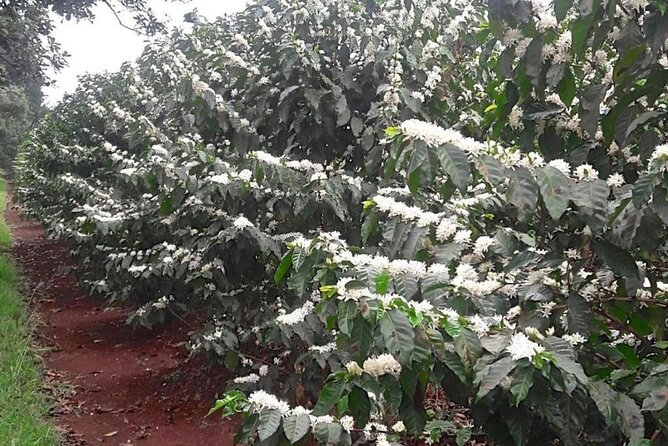
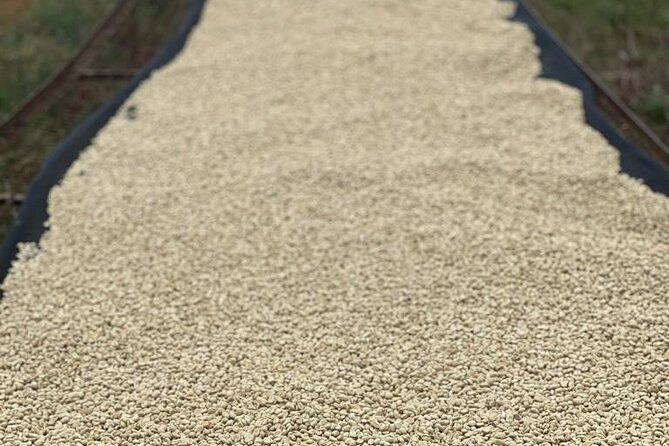
After the plantation section, the guide explains what happens after picking. You see the coffee drying areas and learn about the production process that turns harvested coffee into the product you use at home.
This is where the tour earns its farm-to-cup label. You are not limited to hearing that coffee is harvested and roasted somewhere else. You follow the broad chain from plant care through harvesting, drying, processing, and final preparation. The information provided does not promise a full roasting demonstration, so do not assume that every industrial stage will be shown in detail.
The drying areas are especially useful for understanding why coffee production takes time. You can connect the physical work on the farm with the grades and types discussed later. The visit gives you enough structure to understand the basic route, even if you are not already interested in agriculture.
I appreciate this kind of explanation because it changes how you look at the finished drink. A cup is no longer just a Nairobi refreshment. It represents nursery care, farm labor, picking, drying, sorting, processing, and brewing. That context is the main educational value of the estate.
More Coffee Farm Tours in Nairobi:
- Nairobi: Guided Coffee Farm Tour with Tastings
★ 5.0 · 24 reviews - Coffee farm tour, coffee roasting and tasting experience
★ 5.0 · 20 reviews - Coffee Farm Tour (Fairview)
★ 5.0 · 4 reviews - Fairview Estate Coffee Farm Tour With Pick up
★ 5.0 · 2 reviews
Tasting different grades and varieties
The tasting follows the farm walk. You sample coffee from different grades, types, and varieties, then receive a cup of coffee with snacks and milk.
The tasting is not described as a formal coffee-school session, so expectations matter. You should expect a guided introduction to the farm’s coffee rather than a lengthy professional cupping course. Still, tasting several grades and varieties gives you a better basis for comparison than drinking one unidentified brew.
If you normally take coffee with milk, the final serving includes it. Snacks are also served, which makes the last part of the morning more comfortable after walking around the estate. The tour includes one cup of coffee, while packaged farm coffee is available separately for purchase.
I like the order of the experience: first see the farm, then learn the process, then taste the result. The cup has more meaning because you have just followed the stages that produced it. The tasting also gives you a chance to decide if you want to take some home rather than buying a bag without knowing much about its source.
The available details do not specify the exact beans served, roast levels, brewing method, or snack menu. If those details matter to you, ask before departure. The safe expectation is a farm tasting with coffee, milk, and snacks, not a highly technical barista workshop.
Buying coffee at the estate
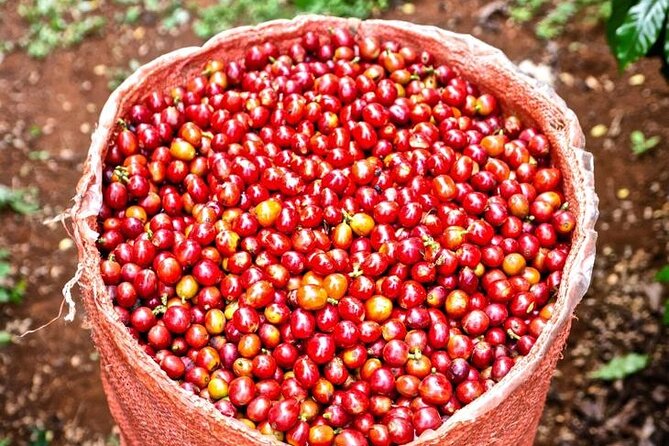
After tasting, you can purchase packaged coffee from the farm. This is not included in the $90 price, so set aside extra money if you want a take-home item.
Buying at the estate can be a practical part of the visit. You have just learned about the production process and tried the coffee, which makes it easier to choose something based on your own taste. It also saves you from hunting for a coffee shop or shop in Nairobi later, though the available details do not list the products, prices, payment methods, or packaging sizes.
Do not confuse the included cup with a complimentary bag of beans. The tour covers one serving, while packaged coffee is an additional purchase. If coffee shopping is your main goal, you may find the tour more time and money than necessary. If you want the farming explanation first, the purchase option adds a useful final step.
What $90 per person really covers
At $90 per person, this is not the cheapest way to drink Kenyan coffee. You are paying for a private outing that includes transport from and back to your hotel, a professional guide, bottled water, the estate visit, and the tasting.
The price makes more sense for a small group that values convenience. You avoid arranging a separate taxi, and you receive a planned farm visit close to Nairobi. Group discounts are available, which may improve the value if you are booking with friends or family.
For one person, the rate feels harder to justify if you only want to sample coffee or buy beans. The experience becomes a better buy if you want the whole production story and prefer a ready-made half-day plan.
The tour also has a useful time advantage. At three to four hours, it takes less time than a full-day excursion outside Nairobi. You can still keep part of the day for other plans, though you should not schedule them too tightly because the stated pickup, driving, walk, and return all need room.
Who will enjoy this coffee farm visit
I would recommend Fairview to coffee drinkers who want to understand what they are tasting. It suits people who enjoy seeing how everyday products are grown and processed, especially when the farm is close enough to Nairobi for a morning visit.
It also works well for couples, families, and small groups looking for a quieter activity than a city tour. Most people can participate, and the booking is private. The farm setting, short transfer, and included hotel service make it easy to add to a Nairobi itinerary.
You should consider it if you like:
- Learning through a real working farm rather than a museum display
- Walking among coffee plants
- Tasting several grades, types, and varieties
- Buying coffee after seeing where it comes from
- A three to four-hour activity instead of a full-day trip
- Hotel pickup and drop-off
I would be more cautious if you want a long, technical session on roasting, brewing, or coffee science. Those details are not promised. I would also think twice if you dislike walking on farm paths, though the supplied information says most people can participate and does not describe the route as strenuous.
Practical details that can affect your morning
Wear hiking shoes or another pair with firm soles. The most specific practical advice available is to prepare for walking through the farm and coffee trees, and footwear will make that easier.
The tour includes bottled water, but it is still sensible to arrive ready for an outdoor visit. The supplied details do not state the weather conditions, shade, or exact walking distance, so you should ask the operator if you have a mobility concern or need a route with minimal walking.
Confirmation is received when you book. The experience is near public transportation, but private transportation is already included, so you do not need to rely on public transit for the planned outing.
Free cancellation is available when you cancel at least 24 hours before the start time. Canceling or changing the booking within 24 hours does not qualify for a refund. The cutoff uses local time, and tips are not included.
Should you book Fairview Coffee Estate?
Book it if you want a well-organized coffee introduction near Nairobi, with the farm, processing areas, tasting, and return transport handled in one morning. The most appealing feature is the complete sequence from nursery to cup, followed by a chance to buy the coffee you have just tasted.
The $90 rate is easier to defend for a group using the private transport and group discount. For a solo visitor interested only in a drink, it is expensive. For someone who wants context, a guided farm walk, and a taste of Kenyan coffee without giving up a full day, it is a practical choice.
Bring proper shoes, allow more than three hours for the full outing, and treat the tasting as a farm introduction rather than an advanced coffee course. With those expectations, Fairview Coffee Estate offers a focused, informative morning close to Nairobi.
FAQ
How long does the Fairview Coffee Farm tour last?
The experience lasts approximately three to four hours. The listed farm visit itself is planned for about three hours.
What time is hotel pickup?
Pickup is scheduled for 8:30am from your hotel.
How far is Fairview Coffee Estate from Nairobi?
The estate is about 30 minutes from Nairobi by car, with the route passing through Karura Forest.
Is transportation included?
Yes. Private transportation, hotel pickup, hotel drop-off, and bottled water are included.
Is the tour private?
Yes. It is described as a private tour or activity for your group. The farm portion includes professional farm guides, and the stated plan also refers to other visitors joining the farm tour, so you can confirm the exact group setup before booking if needed.
Is coffee included in the price?
Yes. A cup of coffee is included, along with snacks and milk after the tasting. Packaged farm coffee is available for purchase separately.
Can I cancel for a full refund?
Yes, if you cancel at least 24 hours before the experience start time. Cancellations or changes made within 24 hours are not refunded or accepted.
More Half-Day Trips in Nairobi
- Coffee Farm Half-Day Tour in Kenya
★ 3.0 · 2 reviews - Half-Day Thai Cooking Class at Organic Farm in Chiang Mai
★ 5.0 · 19,087 reviews - Half-Day Thoroughbred Horse Farm Tour in Kentucky
★ 5.0 · 1,924 reviews - Chiang Mai: HALF-DAY COOKING COURSE at a Thai Cooking Farm
★ 4.9 · 705 reviews
Newly listed farm visits around Nairobi
- Purple Tea Farm Tour from Nairobi City – Specialty Tea Tasting★ 4.5 · 12 reviews
- Riara tea farm tour with lunch and tea tasting from Nairobi★ 5.0 · 3 reviews
- Tea Farm Experience at Riara Tea Farm And Factory Tour★ 5.0 · 11 reviews
- Fairview Estate Coffee Farm Tour With Pick up★ 5.0 · 2 reviews
- Kiambethu Tea Farm Tour & Lunch From Nairobi★ 5.0 · 7 reviews
- Coffee farm tour, coffee roasting and tasting experience★ 5.0 · 20 reviews
- Coffee Farm Half-Day Tour in Kenya★ 3.0 · 2 reviews
- Excursion to Kiambethu Tea Farm★ 5.0 · 6 reviews
Coffee Farm Tours, compared.
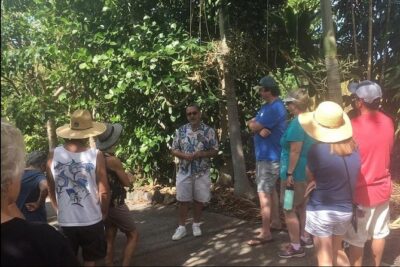
Award Winning Farm Tour: Coffee, Chocolate and Unique Gifts
Read our review →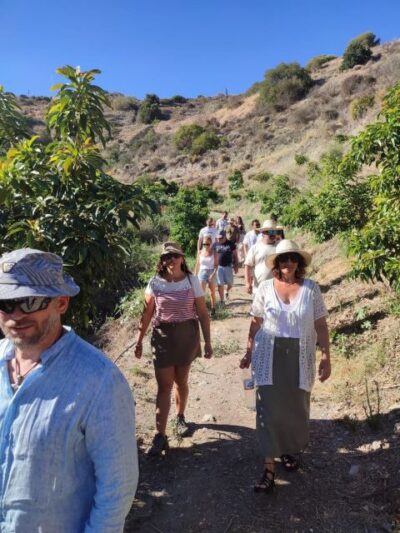
La Herradura Coffee Farm: tour in Europe’s only plantation
Read our review →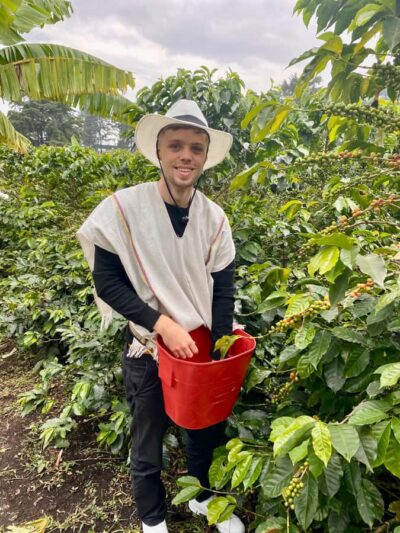
Medellín Coffee Farm Tour with Trolley and Cable Car Ride
Read our review →
Liamuiga Natural Farm Tour – St.Kitts’ Coffee Farm
Read our review →
Horseback Riding Coffee Farm Tour with Coffee Spa
Read our review →
From Bogotá: Coffee Farm and Tequendama Falls Tour
Read our review →
Coffee Farm Tour with Roasting & Tasting Workshop – Da Lat
Read our review →Browse the lists this tour appears in