
Review · THE USA
Kona: Hawaiian Salt Farm Tour
Kona’s salt farm turns deep ocean water into hand-harvested Hawaiian salt, and that unusual process is the main reason to visit. On a seven-acre oceanfront site, you’ll see how the water reaches the farm, how evaporation does the work, and how different salts gain their color and flavor. It is a small, focused experience rather than another general sightseeing stop.
I like the hands-on tasting and the way guides connect salt production with Hawaiian culture, volcanic geography, and ocean science. I also like the easy 45-minute format, which fits neatly into a Kona day. The main consideration is that the tour is short, and the site is devoted to salt production, so it may feel too specialized if you want a broad introduction to the island.
Key points to know
- Deep ocean water is the star ingredient: The farm draws water from far below the ocean surface, where its mineral content differs from ordinary seawater.
- You taste the full range of products: Flavored and smoked salts are included, along with the farm’s deep ocean magnesium mineral water.
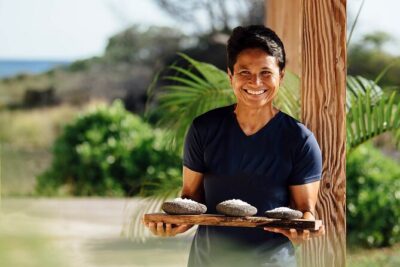
- Guides add much more than production facts: Ipo and Ipalani have led engaging tours that include Hawaiian culture, Pele, geography, ecology, and local history.
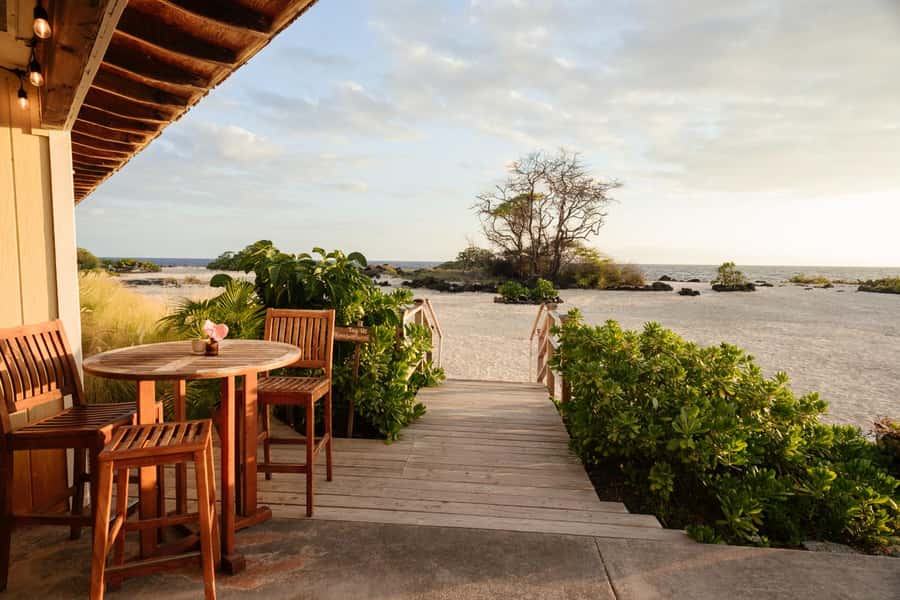
- The setting is part of the experience: The farm sits beside clear blue Pacific water, with striking coastal views and occasional whale sightings.
- It is good value for a short stop: At $25 per person, the 45-minute tour offers a guided visit, tasting, and drink without taking half a day.
- Plan time for the farm shop: The tasting can quickly turn into a shopping stop, especially if you like unusual cooking salts.
Kona’s seven-acre salt farm by the sea
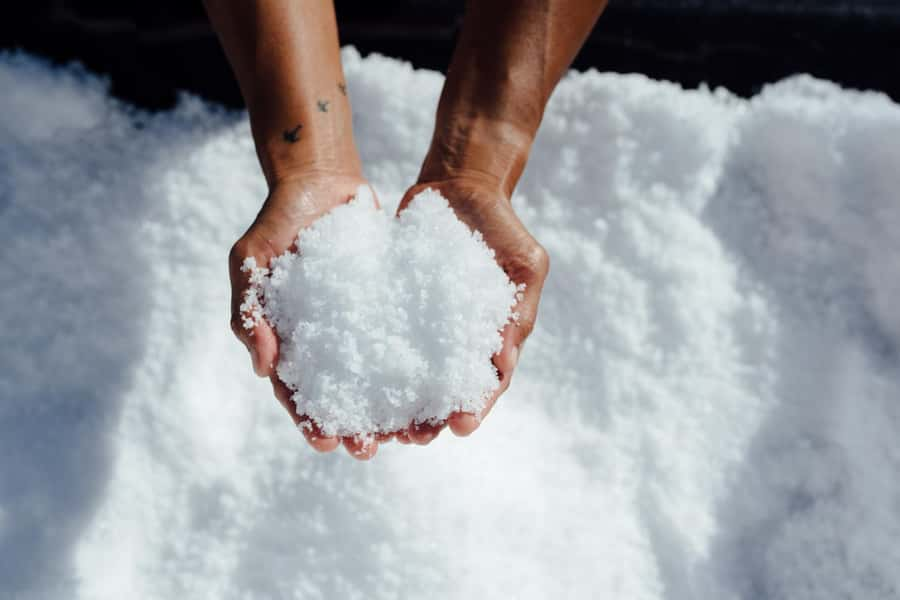
The Kona Salt Farm by Sea Salts of Hawaii occupies a seven-acre oceanfront site. You enter the farm driveway, then check in at the office before meeting your guide. The setting gives the experience an immediate sense of place: this is not a classroom explanation of salt production, but a working operation beside the Pacific.
The farm is Hawaii Island’s only working salt farm. It is also presented as the only place in the world harvesting salt from deep ocean water, which gives the visit a very specific purpose. You are not simply looking at bags of finished salt. You are learning why this location, this water source, and this coastal setting matter.
The ocean view adds plenty to a short visit. The water creates a fine backdrop for the farm buildings, and one visitor even had a whale sighting during the tour. That is not something you can count on, but the coastal position gives you more to look at than evaporation equipment alone.
More Salt Farm Tours in the USA:
- Hawaiian Salt Farm Tour in Kona
★ 5.0 · 767 reviews - Sunset Kona Salt Farm Tour
★ 5.0 · 55 reviews - Kona Salt Farm: Deep Ocean Cold Water Mineral Foot Soak
★ 4.7 · 23 reviews
How deep ocean water becomes Hawaiian salt
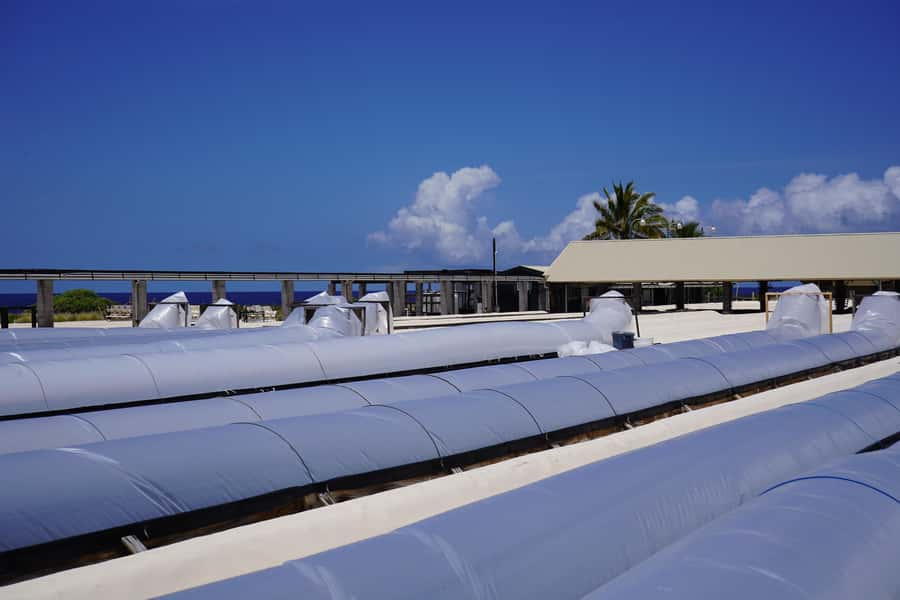
The first part of the tour explains the water source and the basic salt-making process. The farm uses deep ocean water rather than relying only on surface seawater. That matters because water from greater depth contains a different mix of minerals, and the farm’s location allows access to those ocean currents.
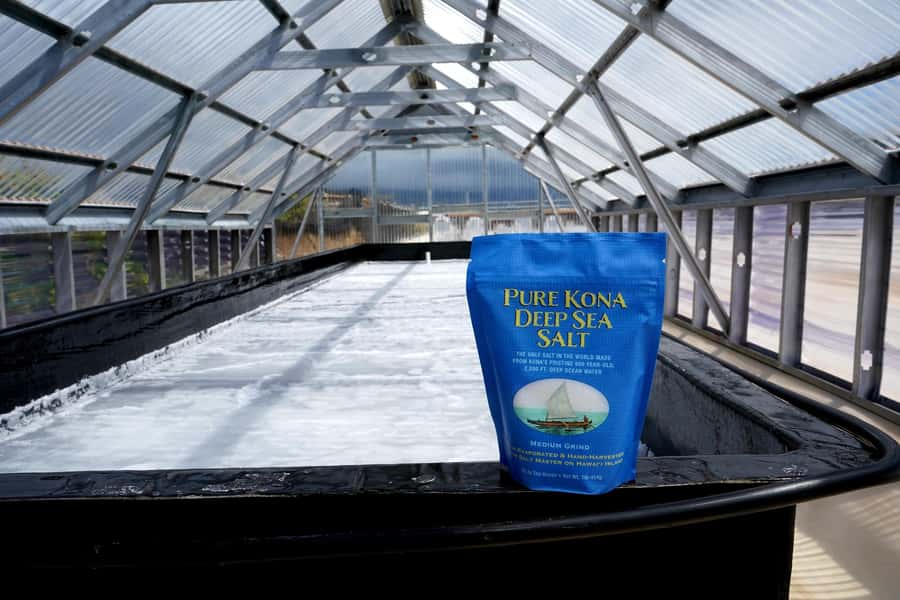
You’ll learn how the water is moved through the operation and gradually concentrated. Sun, air, and evaporation do much of the work. The process is slower and more physical than simply buying industrial salt, and the tour helps you understand the steps between ocean water and the small crystals you taste at the end.
The volcanic structure of Hawaii Island is part of the explanation. One detailed account of the tour described how the island’s volcanic shelf makes it easier to reach deeper salt currents with greater mineral content than surface water. That connection between geology and food production is one of the most interesting parts of the visit.
The farm also uses solar power and drying or evaporation houses. You’ll hear about efforts to keep the production side largely self-sustaining and reduce waste. The point is not just that the salt is local. It is that the farm has built a production method around the natural conditions of the island.
Salt tunnels, hot houses, and the working side of the farm
The tour takes you beyond the finished product. You may see the salt tunnels and hot houses, which show how the farm manages water and evaporation. These are practical working areas, not polished attractions, and that is part of their value.
Your guide explains what happens as the water moves through the system and how the farm controls the conditions needed to form salt. You get a better sense of the labor and research behind a product that is easy to take for granted. Salt looks simple on the dinner table. Making a distinctive version of it from ocean water is not.
The operation also produces magnesium-related products. The farm’s deep ocean magnesium mineral water is included with the tour, and the process of harvesting magnesium and other byproducts is part of the broader explanation. This gives the visit a wider focus than salt alone.
I would pay attention here even if you are mainly interested in tasting. The production details explain why the farm sells several varieties and why they do not all taste the same. The tour connects the machinery, water, weather, minerals, and finished product in a way that makes the tasting more useful.
A tasting of flavored and smoked salts
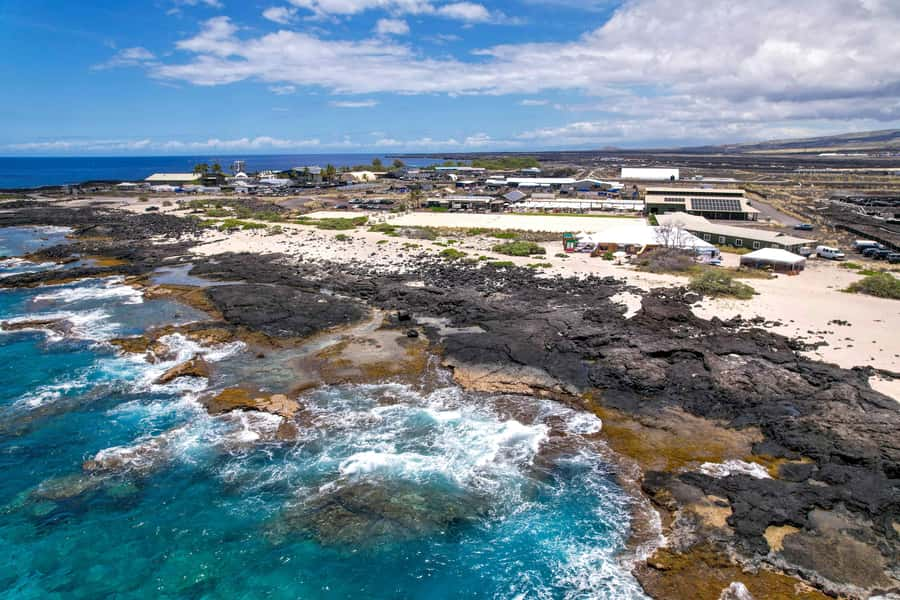
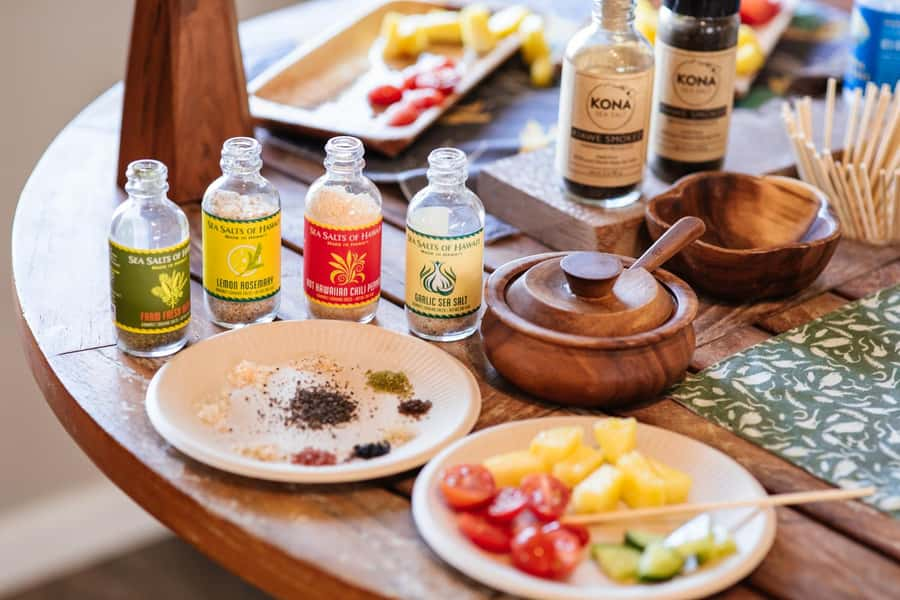
The tasting is the payoff for many people. You’ll sample the farm’s flavored and smoked salt varieties, each with its own taste and likely use in cooking. Rather than hearing only a sales pitch, you can compare the salts directly and decide which ones are worth taking home.
This is where the $25 price begins to make sense. A short guided activity can feel thin if it offers only information and a view. Here, you get a structured explanation followed by a tasting of the farm’s products and a serving of magnesium mineral water.
The flavors can also change your idea of what Hawaiian salt is. You may arrive expecting one basic finishing salt and leave thinking about smoked salt, flavored blends, and how small changes affect seafood, vegetables, meat, or even a simple snack. If you enjoy cooking, the tasting is more than a souvenir moment.
Bring a little restraint if you are prone to buying food gifts. The tasting has persuaded people who did not plan to shop to leave with several varieties. That is not a problem, but it is worth knowing before you enter the farm shop. You may want to set a budget or decide whether you are looking for one everyday salt or a selection of specialty flavors.
More farm tours around the USA:
- Maui Pineapple Farm Tour in Haliimaile
★ 5.0 · 2,855 reviews - Half-Day Thoroughbred Horse Farm Tour in Kentucky
★ 5.0 · 1,924 reviews - Oahu: Kualoa Ranch Movie Sites and Ranch Tour
★ 4.5 · 1,655 reviews - Oahu: Kualoa Ranch UTV Raptor Tour
★ 4.5 · 1,569 reviews
Guides who connect salt with Hawaiian culture

The guide makes a large difference on a short tour. Ipo has led tours that link salt production with Pele, Hawaiian cultural history, geography, science, and ecology. Ipalani has also been praised for making the visit personal, including taking time to learn names and helping with photographs by the water.
Guide availability can change, but the strongest tours clearly go beyond a technical talk. You can expect an English-speaking live guide who explains how the farm works and places it in its local setting. The best version of this experience is not just about minerals. It is about how ocean, volcanic ground, sunlight, and Hawaiian place names fit together.
That cultural context adds substance. You are not asked to treat salt as a novelty detached from the island. Instead, the farm becomes a way to talk about natural resources, traditional food, modern production, and the forces that shaped Hawaii Island.
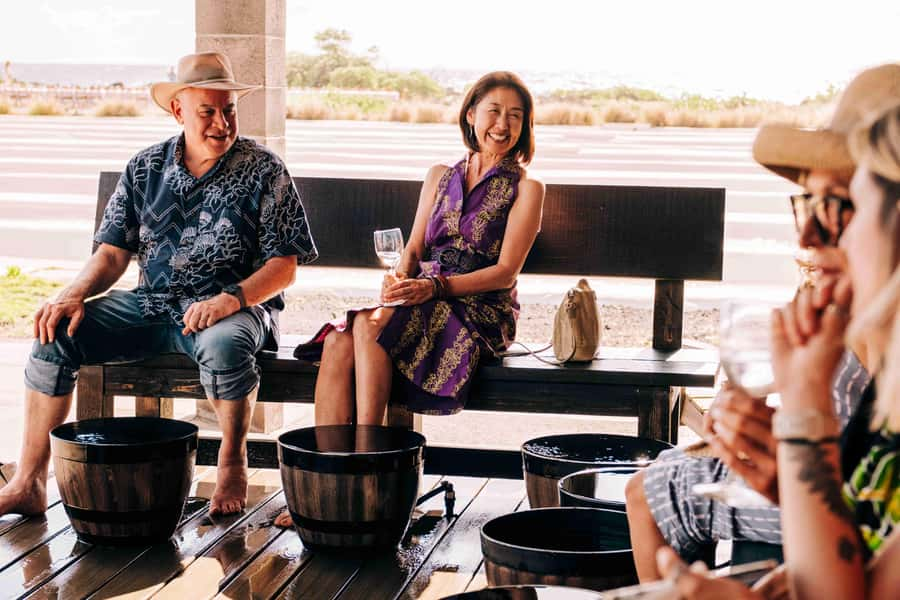
The tone is generally friendly and relaxed. The pace is slow enough that one person found it comfortable while using a cane. Still, the farm is a working outdoor site, so you should expect to walk around production areas rather than remain seated for the full 45 minutes.
Why the 45-minute length works
Forty-five minutes is long enough to explain the salt-making process without taking over your day. You can fit the visit between other Kona activities, use it as a morning stop, or add it to a coastal itinerary without committing to a half-day excursion.
The short length is also the main limitation. If you want time for a detailed agricultural tour, a long cultural program, or a broad food experience, this will not provide it. The visit has a clear subject and stays with it.
For many people, that focus is an advantage. You get one unusual Kona story rather than a rushed collection of unrelated stops. The tour gives you enough background to understand the farm, enough time to see the production areas, and enough tasting time to make the salt feel tangible.
I would allow a little extra time around the scheduled 45 minutes if you want to browse the shop, take photographs, or ask questions. The official tour itself is short, but the oceanfront setting and product tasting can encourage you to linger.
Price, value, and who will enjoy it most
At $25 per person, the tour offers good value for a focused food and science experience. The price includes the guided farm visit, tasting of all flavored and smoked salt varieties, and deep ocean magnesium mineral water. Food and other drinks are not included.
I see the price as especially fair for people who appreciate local products. You are paying for access to a working farm, an explanation of a rare production method, and a tasting that lets you compare the results. If you would never use specialty salt, the value may be less obvious.
The tour suits:
- Food lovers who want to taste local products and buy useful souvenirs.
- Families and curious children who enjoy seeing how an everyday ingredient is made.
- Science-minded visitors interested in ocean currents, minerals, evaporation, and volcanic geology.
- Visitors with limited time who want something distinctive in less than an hour.
- Repeat visitors to Hawaii who have already covered the standard beaches and viewpoints.
- Local residents looking for a compact activity that offers a new angle on the island.
It may not suit you if you need a large attraction with many activities, a long meal, or extensive entertainment. The farm is a specialist stop. Its appeal comes from the unusual subject and the quality of the explanation.
Practical details for planning your visit

The meeting point is the Kona Sea Salt Farm driveway. Check in at the office after entering, using the coordinates 19.7262318, -156.0586245 if you need precise navigation.
The tour is offered in English with a live guide. Starting times vary, so check availability when booking. You can cancel up to 24 hours in advance for a full refund, and the reserve-now, pay-later option can help if your Kona schedule is still shifting.
Wear something comfortable for a short walk around the farm. The information provided does not specify a dress code or weather policy, so I would plan for an outdoor coastal setting and be ready for sun. If walking slowly is important to you, the relaxed pace may help, but ask the operator directly about any specific mobility needs before booking.
The farm’s view is one reason not to rush away as soon as the explanation ends. You may have time for photographs, and the coast can provide an added treat such as a passing whale. Those moments are not guaranteed, but the setting gives the tour a stronger sense of place.
Some people have also added a foot soak during their visit. That appears to be an optional extra rather than part of the $25 tour, so confirm availability and cost when you arrive or book.
Should you book the Hawaiian Salt Farm Tour?
I would book this tour if you want a short Kona activity with a clear local connection. The deep ocean water process is genuinely unusual, and the tasting turns the information into something you can remember and use at home.
Book it especially if you enjoy food, small producers, Hawaiian culture, or the science of natural resources. The guides can add much more than a production checklist, with stories about Pele, island geography, ocean currents, and ecological concerns.
Skip it if you want a large attraction or a full afternoon of activities. This is a compact working-farm visit, not a major sightseeing complex. For $25 and 45 minutes, though, it offers a rare look at how Hawaii Island turns the Pacific into a distinctive local ingredient.
FAQ
Where is the Hawaiian Salt Farm Tour located?
The farm is in Kona, Hawaii, at the Kona Sea Salt Farm driveway. Check in at the office after entering the driveway. The listed coordinates are 19.7262318, -156.0586245.
How long does the tour last?
The guided tour lasts 45 minutes.
How much does the tour cost?
The price is $25 per person.
What is included in the tour?
The tour includes a guided visit, tasting of all flavored and smoked salt varieties, and the farm’s deep ocean magnesium mineral water.
Is food included?
Food and other drinks are not included. The magnesium mineral water is included as part of the experience.
What language is the tour offered in?
The live tour guide speaks English.
What will I learn on the tour?
You’ll learn about the farm’s deep ocean water source, salt harvesting process, the area’s history, Hawaiian culture, geography, science, and ecology.
Can I cancel my booking?
Yes. You can cancel up to 24 hours in advance for a full refund.
Is the tour suitable for someone who walks slowly?
The tour has been described as moving at a slow, easy pace that worked well for someone using a cane. For specific accessibility needs, contact the operator before booking.
Newly listed farm visits around the USA
- Gourmet Mushroom Farm Tour in Tennessee★ 5.0 · 5 reviews
- Cozy Farm Experience with Wagon Wheels and Acoustic Meal★ 5.0 · 2 reviews
- Farms, Flights: Finger Lakes Brewery Tour★ 4.5 · 25 reviews
- Scenic Scottsdale E-Bike Tour – 2 Hours★ 5.0 · 47 reviews
- Wine Country Farm to Table Bike Tour w/Lunch★ 5.0 · 31 reviews
- Santa Fe Farmers Market & Railyard Food Tour★ 5.0 · 2 reviews
- Mere Point Oyster Farm Tour★ 5.0 · 2 reviews
- The Hood-Columbia Loop: Timberline, Orchards, and Waterfalls★ 5.0 · 12 reviews
Salt Farm Tours, compared.
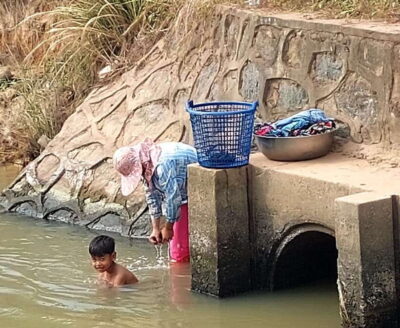
Pepper Farm Tour, Salt Field, Cave & Secret Lake
Read our review →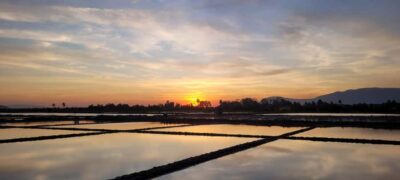
Kampot Countryside include Pepper farm, Salt field & Lake
Read our review →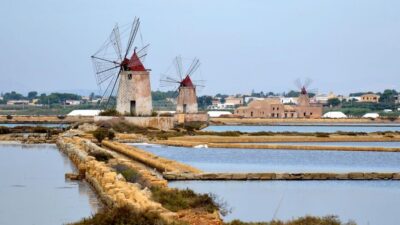
Guided tour of the Marsala Salt Pans and salt harvesting
Read our review →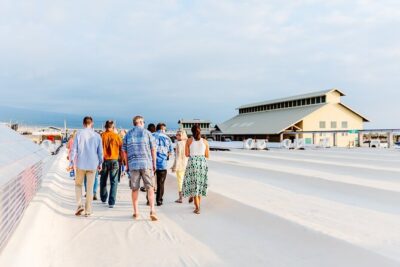
Bali: Traditional Villages, Salt Farm & Tirta Gangga Tour
Read our review →
Kampot Private Tour: Pepper Farm, Salt Field & Secret Lake
Read our review →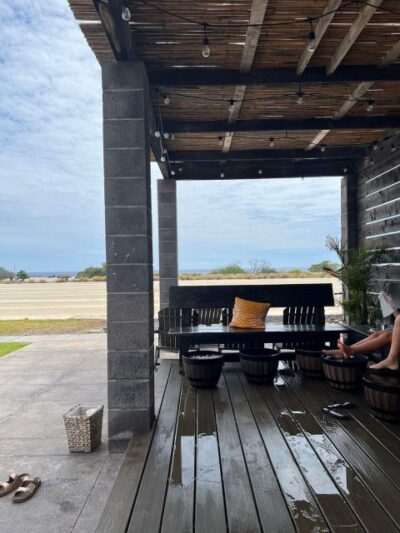
Kona Salt Farm: Deep Ocean Cold Water Mineral Foot Soak
Read our review →Browse the lists this tour appears in